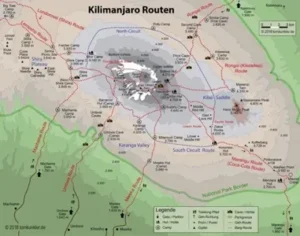
Kilimanjaro Routes Comparison: Which Route Is Best?
Plan Your Kilimanjaro Climb Climbing Kilimanjaro is a once-in-a-lifetime adventure choosing the right route and preparation makes all the difference. Choose the best route for
| Ecological Zone | Elevation Range | What You May See |
|---|---|---|
| Cultivation Zone | 800–1,800 m | Farms, banana trees, coffee plants, villages, birds, insects, and local Chagga landscapes. |
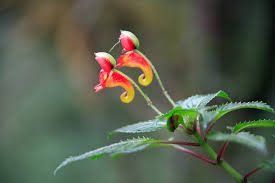
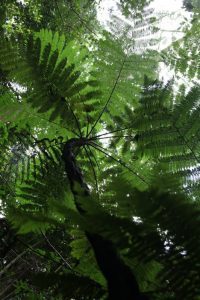
| Rainforest Zone | 1,800–2,800 m | Colobus monkeys, blue monkeys, birds, mosses, ferns, camphor trees, fig trees, and Impatiens kilimanjari. |
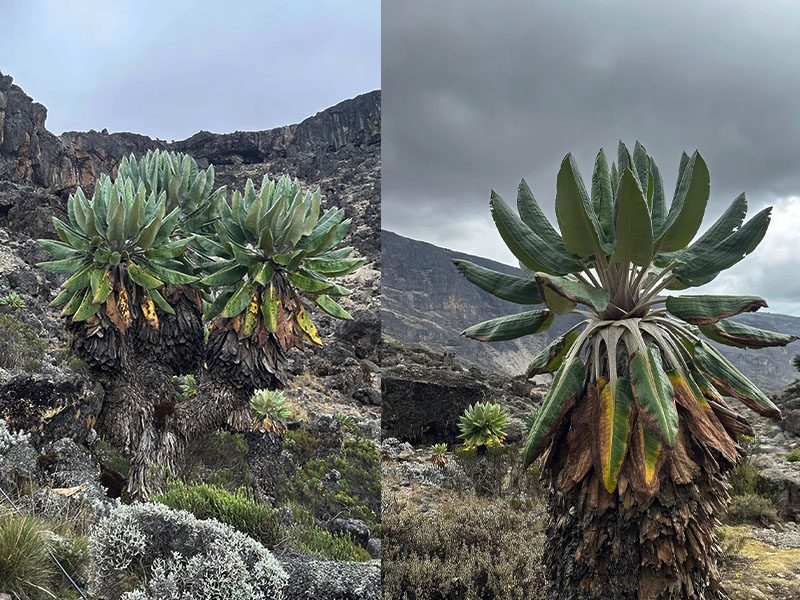
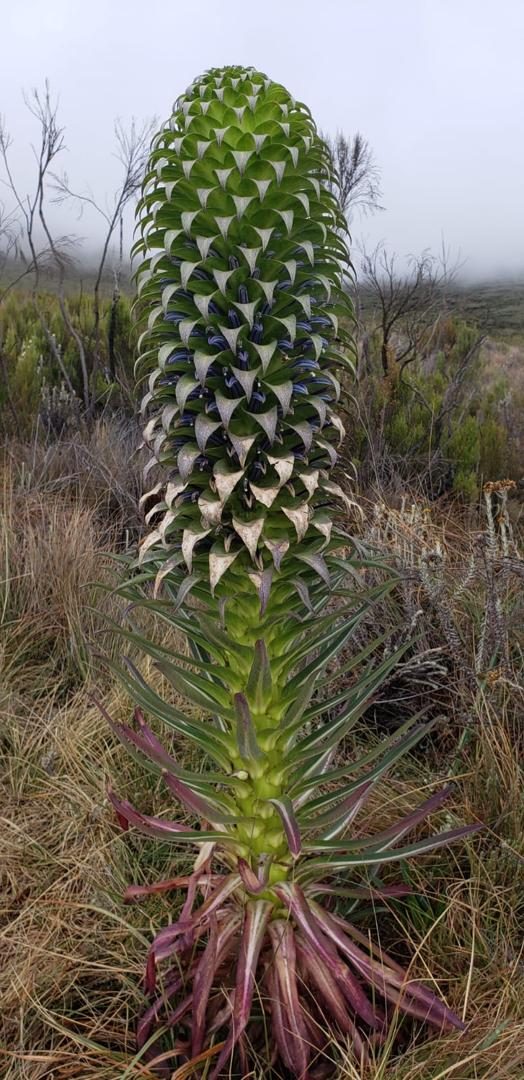
| Moorland Zone | 2,800–4,000 m | Giant lobelias, giant groundsels, shrubs, grasses, sunbirds, ravens, and wide mountain views. |
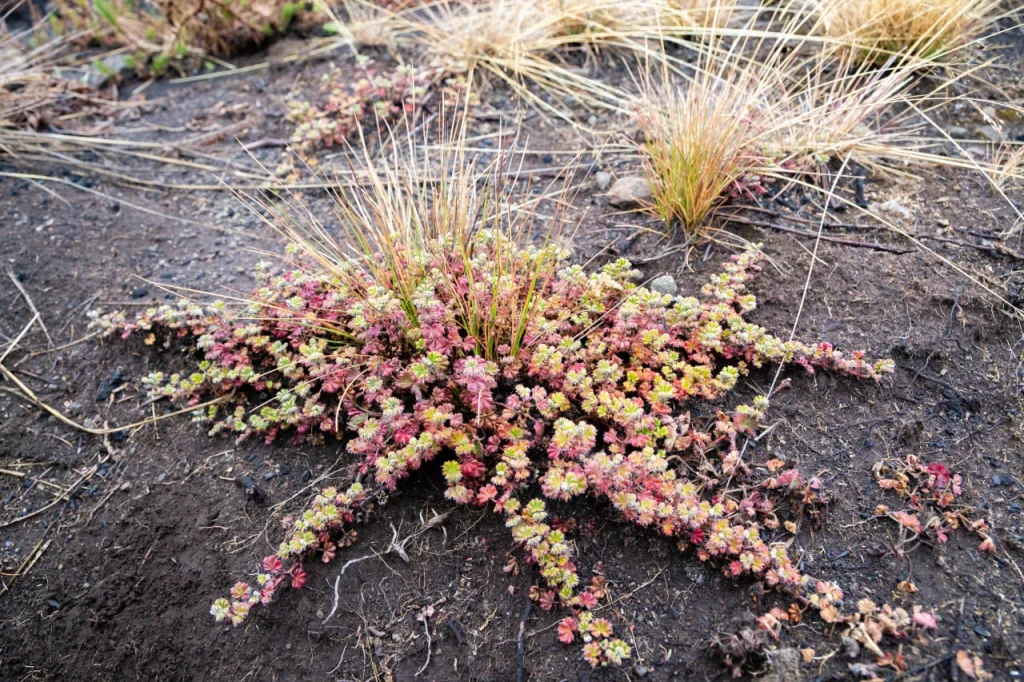
| Alpine Desert Zone | 4,000–5,000 m | Sparse grasses, lichens, hardy alpine plants, white-necked ravens, dry ground, cold nights, and strong sunlight. |
| Arctic Summit Zone | 5,000–5,895 m | Ice, glaciers, volcanic rock, thin air, almost no plants, and very limited wildlife. |
| Animal or Bird | Where It May Be Seen | What to Know |
|---|---|---|
| Black-and-white colobus monkey | Rainforest zone | One of the most memorable animals climbers may see in the forest, often moving through the trees. |
| Blue monkey | Rainforest zone | Common in forested areas and usually seen or heard during the lower sections of the climb. |
| Bushbuck | Forest and lower mountain areas | A shy antelope species that is more difficult to spot because it stays hidden in vegetation. |
| Duiker | Forest and moorland edges | Small antelope that may be seen briefly, especially in quieter areas. |
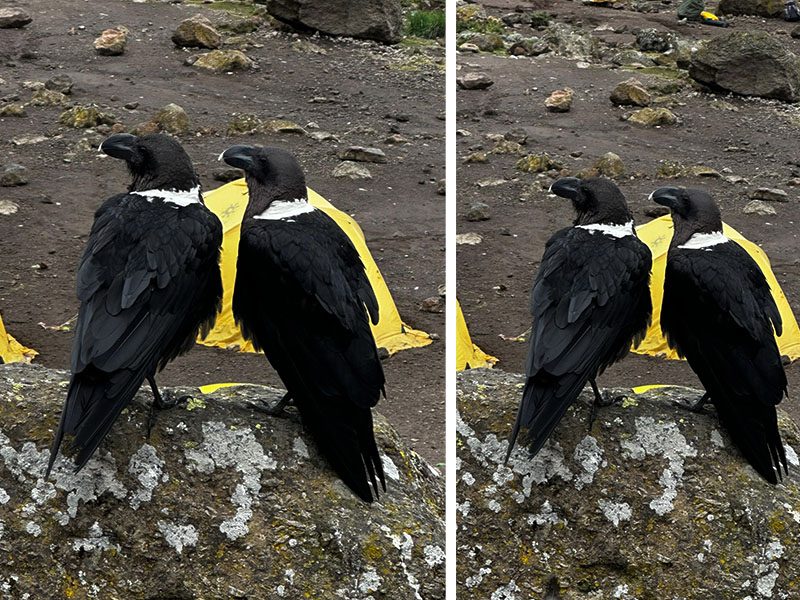
| White-necked raven | Moorland, alpine desert, and high camps | One of the most commonly seen birds in the higher zones of Kilimanjaro. |
| Sunbirds | Forest and moorland zones | Small colorful birds often seen near flowering plants. |
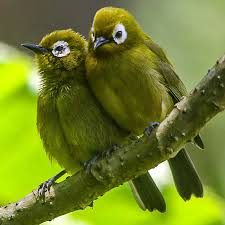
| Kilimanjaro white-eye | Montane forest areas | A notable bird associated with Kilimanjaro and nearby highland habitats. |
| Plant | Zone | Why It Matters |
|---|---|---|
| Impatiens kilimanjari | Rainforest zone | A delicate flower strongly associated with Kilimanjaro’s forest environment. |
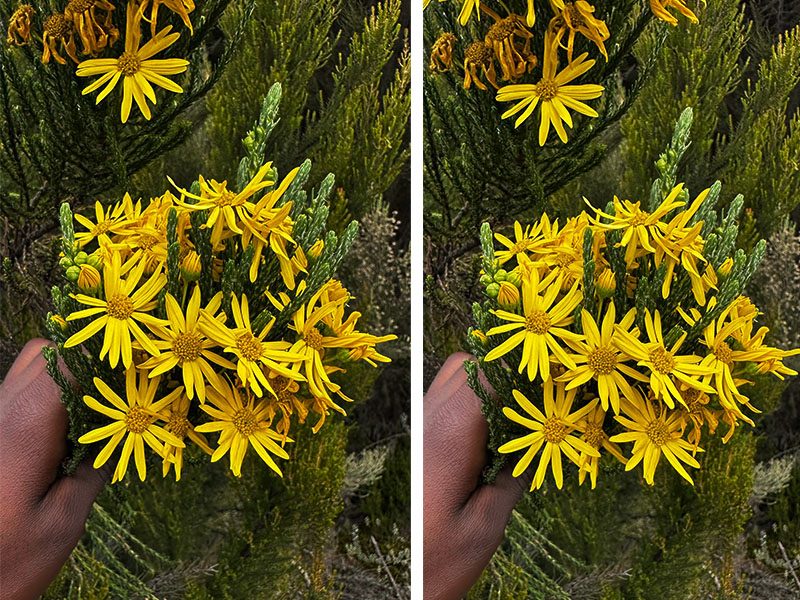
| Giant groundsel | Moorland and alpine zones | One of Kilimanjaro’s most unusual plants, adapted to cold nights and strong sunlight. |
| Lobelia deckenii | Moorland zone | A giant rosette plant that stores water and survives freezing mountain conditions. |
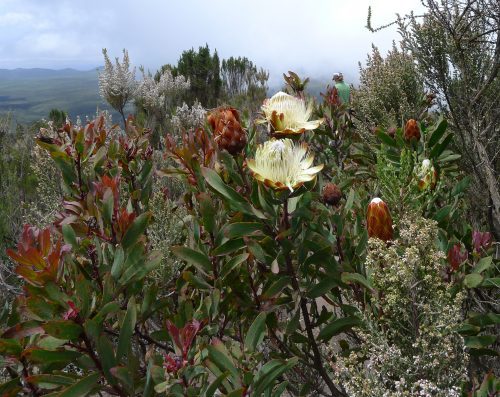
| Protea kilimandscharica | Heath and moorland zones | A hardy flowering shrub that adds color to higher slopes. |
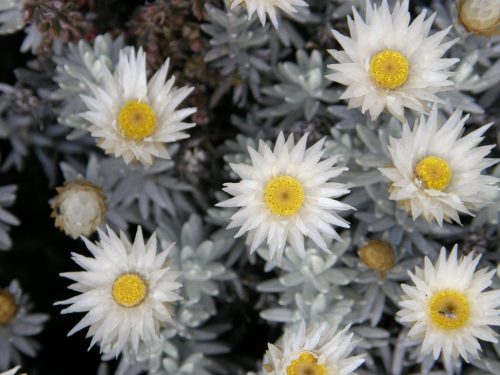
| Everlasting flowers | Alpine zones | Small tough flowers that survive in cold, dry, exposed conditions. |
| Camphor trees | Rainforest zone | Important forest trees that help create the dense, moist lower mountain environment. |
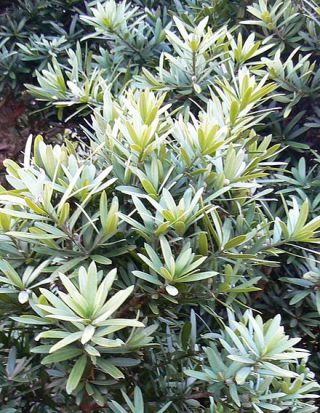
| Podocarpus trees | Rainforest zone | Tall evergreen trees found in Kilimanjaro’s montane forest. |
Plan Your Kilimanjaro Climb Climbing Kilimanjaro is a once-in-a-lifetime adventure choosing the right route and preparation makes all the difference. Choose the best route for

Train Smart for Kilimanjaro Not sure if your fitness level is enough for the climb?At Kili Quests, we help you: Build a realistic training plan


Plan Your Kilimanjaro Climb The right route, timing, and preparation make all the difference.At Kili Quests, we help you plan based on: Best routes for