Chagga Culture on Mount Kilimanjaro: History & Traditions

Table of Contents

Chagga Culture Around Mount Kilimanjaro: Traditions & History

Mount Kilimanjaro is more than just Africa’s highest peak — it’s the heart of Chagga land. The Chagga people, one of Tanzania’s largest ethnic groups, have lived on the mountain’s southern and eastern slopes for generations. Their deep connection to Kilimanjaro runs through their language, traditions, farming, lifestyle, and hospitality.If you’re climbing Kilimanjaro or exploring the Moshi area, learning about Chagga culture will give you a richer, more meaningful experience.
 
Discover the untold story of Lauwo, the barefoot teenager who helped lead the first successful Kilimanjaro expedition.
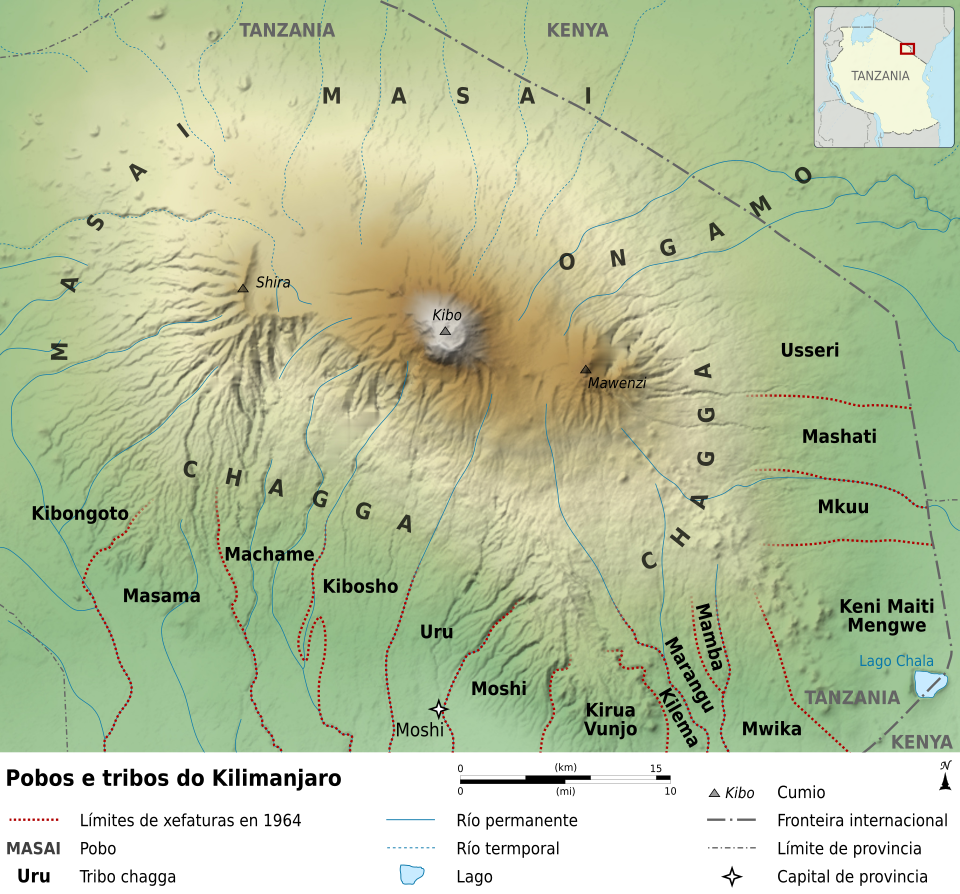
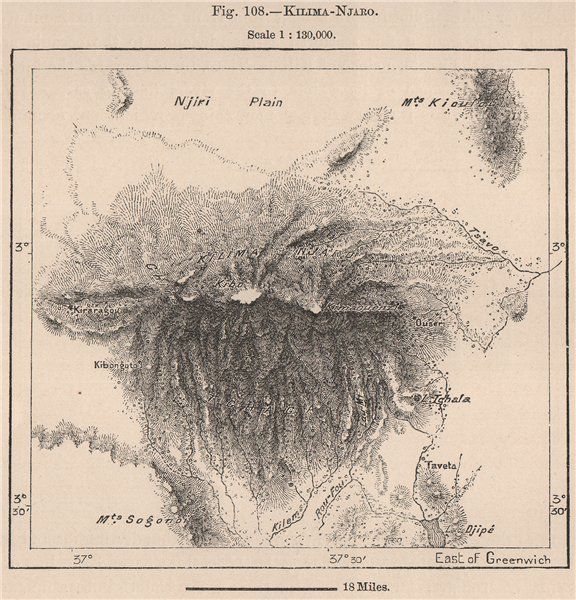
Map of Mount Kilimanjaro highlighting areas inhabited by the Chagga people, including villages on southern and eastern slopes | Kili Quests
The Chagga people have lived on the fertile slopes of Kilimanjaro for generations, forming vibrant communities across the mountain’s southern and eastern sides.

Who Are the Chagga?

The Chagga are Bantu-speaking people native to the Kilimanjaro Region. Known for their hard work, farming expertise, and hospitality, they’ve long been among the most educated and economically active ethnic groups in Tanzania.
  • Language: Chagga speak Kichagga (a Bantu language) as well as Swahili.
  • Population: Estimated over 2 million in the Kilimanjaro area and beyond.
  • Religion: Primarily Christian, with traditional beliefs still practiced in some areas.
Explore the ancient myths and spiritual beliefs of the Chagga, Maasai, and Pare tribes — and how Kilimanjaro has shaped their rituals, legends, and way of life.
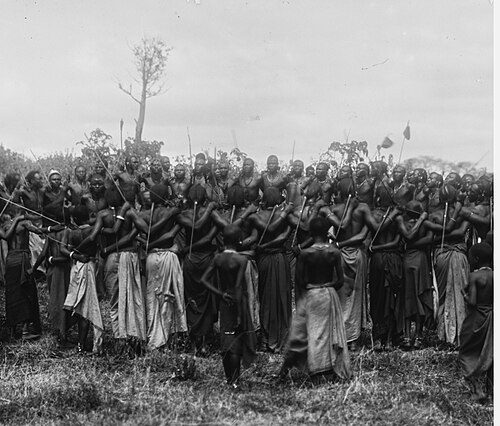
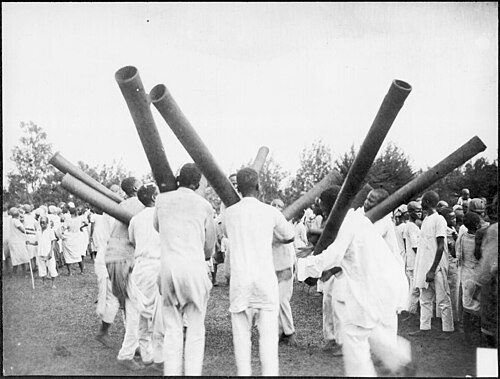
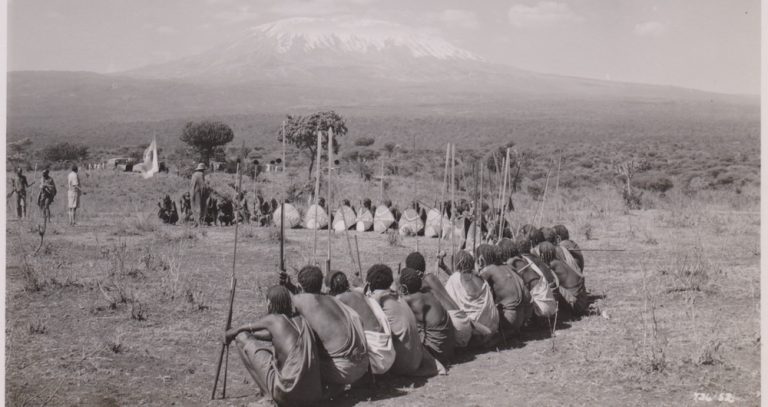
Chagga people performing a traditional dance during the 1990s in Kilimanjaro region | Kili Quests
Cultural pride in motion — this 1990s Chagga dance reflects deep-rooted heritage passed through generations.
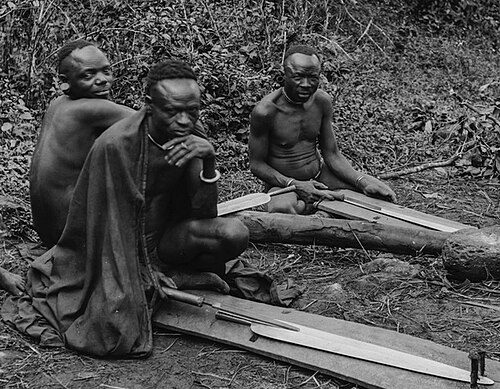
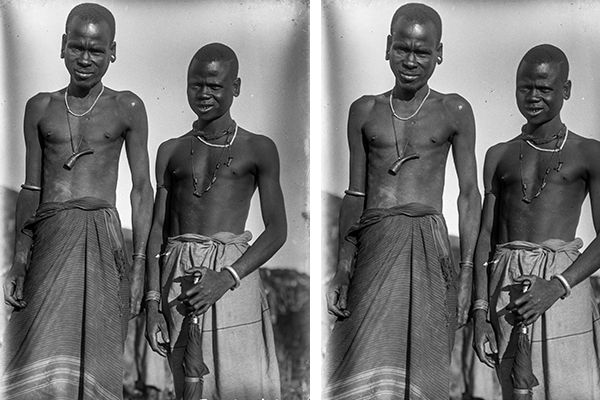
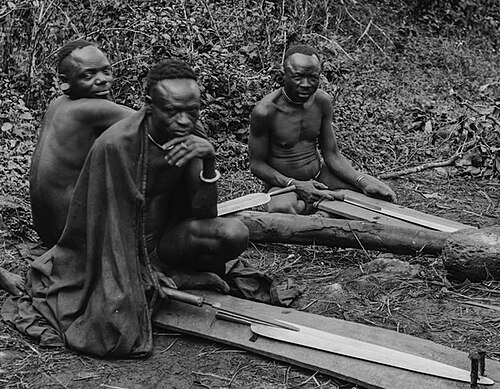
Members of the Chagga tribe near Mount Kilimanjaro in traditional attire
Skill passed through generations — Chagga spear makers keep ancestral craftsmanship alive with precision and pride

Traditional Life on the Slopes of Kilimanjaro

Chagga life revolves around the banana and coffee farms that cover the lower mountain slopes. Homes are often surrounded by terraced gardens, livestock shelters, and small coffee plots.
Key elements of traditional life:
  • Bananas (ndizi) are a staple food and also used for brewing traditional beer.
  • Coffee farming has been a major economic activity since colonial times.
  • Livestock, especially goats and cows, are kept for milk and meat.
Their farming system is considered one of the most sustainable and efficient in East Africa.Ever wondered where the name ‘Kilimanjaro’ comes from? Discover the theories behind its meaning — from local Chagga language roots to early European interpretations
Chagga people performing a traditional dance during a harvest ceremony in the Kilimanjaro region | Kili Quests
A dance of gratitude — Chagga communities celebrate the harvest with rhythm, song, and ancestral joy.
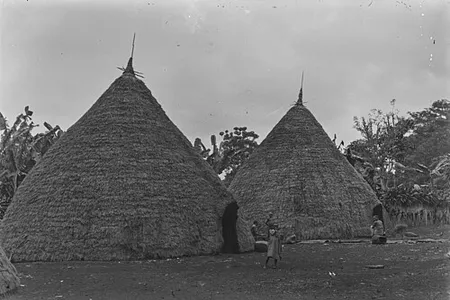
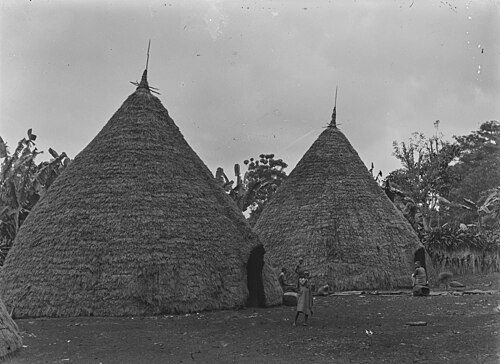
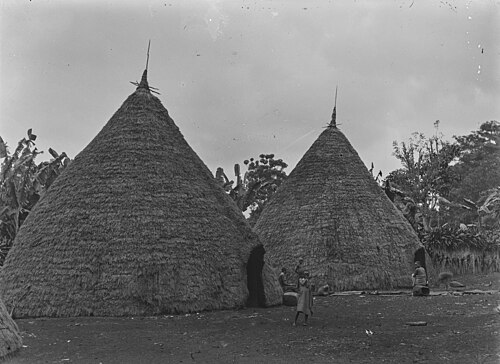
Historic Chagga house at Mangi Meli’s boma site in Old Moshi, Kilimanjaro region | Kili Quests
Mangi Meli’s boma — a cultural landmark honoring Chagga leadership and tradition.

Chagga Food & Drink

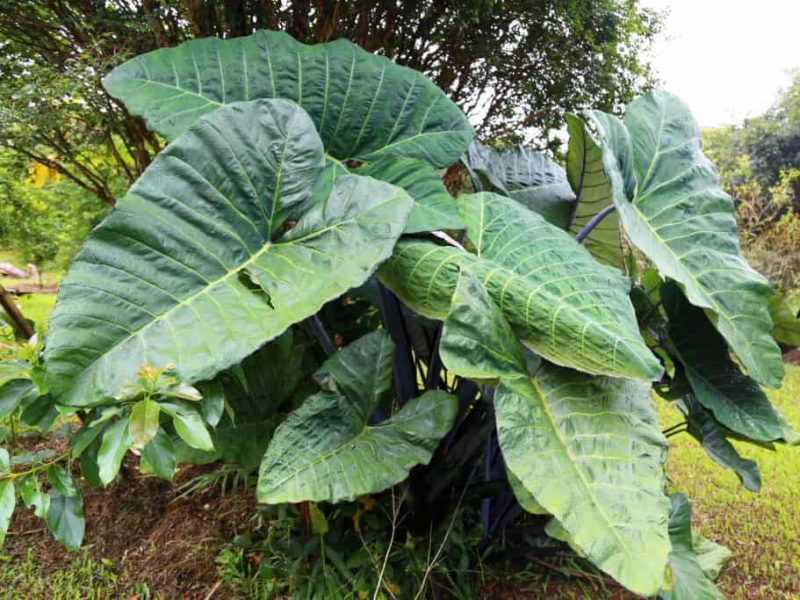
Large Colocasia yam plant with broad green leaves, grown near Mount Kilimanjaro. Known for its edible yam roots and similarity to taro plants.
This is a Colocasia plant, commonly grown by the Chagga people for its yam roots, which are used in traditional dishes like Kiburu. It belongs to the same plant family as taro, and they look very similar. However, the key difference is that taro plants often show a faded purple color in the leaf veins and produce taro roots, not yams.
If you’re visiting a Chagga village or homestay, don’t miss the chance to try:
  • Machalari: A banana and beef stew
  • Kiburu:mix of bananas, yam roots , soda ash (sodium carbonate), salt, and cooking oil.
  • Mbege: Traditional Chagga banana beer, brewed using fermented bananas and millet
These dishes are often prepared during local festivals, ceremonies, or welcome celebrations.

Chagga Beliefs, Traditions & Ceremonies

The Chagga people maintain a deep respect for their ancestral roots, and while many have embraced Christianity, traditional beliefs and ceremonies continue to hold meaning, especially during key life events such as weddings, funerals, harvest festivals, and coming-of-age rituals.
 
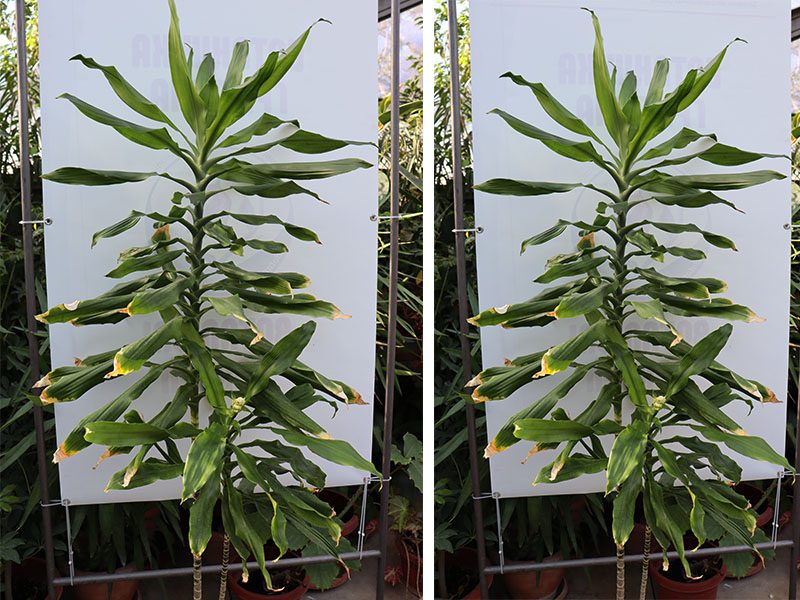
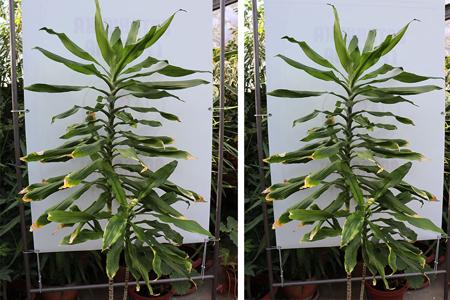
One of the most sacred plants in Chagga tradition is Masale, known botanically as Dracaena fragrans. This evergreen shrub plays an important cultural and spiritual role. It is traditionally planted as a land boundary marker, symbolizing where one person’s land ends and another’s begins. These markers are respected deeply — no one dares to shift or remove them, as it’s believed doing so invites serious spiritual consequences, including misfortune or even death.


Masale is also central to rituals that connect the living with ancestral spirits. During these ceremonies, it is used together with other sacred items like:
  • Mbege (traditional banana beer)
  • Milk
  • Animal blood
  • Select cuts of meat
One especially meaningful practice involves using a folded leaf of the Dracaena plan(masale) to request forgiveness. This gesture may be made personally or through an elder, who delivers the folded leaf on someone’s behalf while asking for reconciliation. This powerful act shows humility, respect, and a desire to restore harmony.
Masale plant (Dracaena fragrans) used in Chagga rituals and traditional land boundary marking in Kilimanjaro region | Kili Quests
Masale, or Dracaena fragrans, plays a sacred role in Chagga traditions — symbolizing peace, boundaries, and ancestral respect.

Traditional Chagga ceremonies serve

 important social and spiritual purposes:
  • Restoring Family Unity – Ceremonies cannot be held if family members are in conflict. Disputes must be resolved first, promoting peace and togetherness.
  • Encouraging Mutual Support – Ritual gatherings provide a space for relatives to share problems, offer solutions, and strengthen community bonds.
  • Spiritual Diagnosis and Guidance – Through ritual practice, the community seeks to identify ancestral displeasure or spiritual imbalance, and correct it through offerings and realignment.
  • Preventing Land Conflicts – By planting Masale as boundary markers, disputes are avoided, and land ownership is respected.
  • Promoting Unity Across Clans – These shared rituals reinforce the identity and cohesion of the Chagga people across different families and clan lineages.
 
At Kili Quests, we proudly carry these traditions forward, sharing authentic stories of Chagga life with those who visit Mount Kilimanjaro. Our heritage is not just something we remember — it’s something we live and honor through every journey we guide.
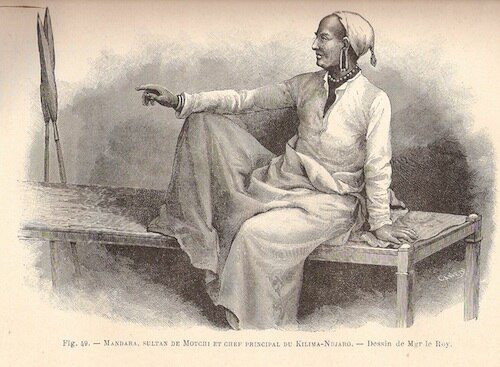
Historical portrait or representation of Mangi Mandara, the Chagga chief from Moshi known as the Sultan of the Chagga | Kili Quests
Mangi Mandara of Moshi — a respected Chagga leader remembered for diplomacy, leadership, and cultural unity.
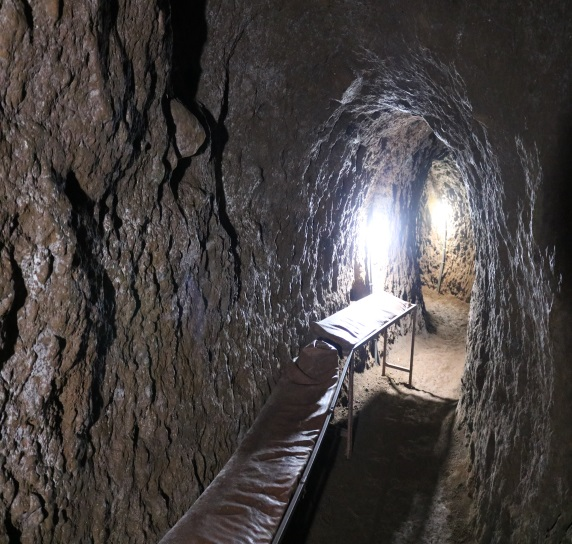
Entrance to an old Chagga cave used historically for protection and family shelter in the Kilimanjaro region | Kili Quests
Chagga caves, carved into the hillsides of Kilimanjaro, were used for protection during clan conflicts and colonial times — today they remain sacred sites of cultural memory and heritage.

The Chagga & Mount Kilimanjaro Treks

 Chagga people were the first local guides and porters for Kilimanjaro expeditions. The mountain’s early exploration history includes Yohani Kinyala Lauwo, a young Chagga man who guided Hans Meyer to the summit in 1889 — and later became the first African known to reach Uhuru Peak.Today, most mountain guides, porters, cooks, and hospitality staff working on Kilimanjaro are Chagga. Trekking with a local company like Kili Quests directly supports Chagga families and preserves their cultural heritage.
 
Porters are the unsung heroes of every Kilimanjaro trek — learn about their daily responsibilities, challenges, and how ethical tour companies support their well-being
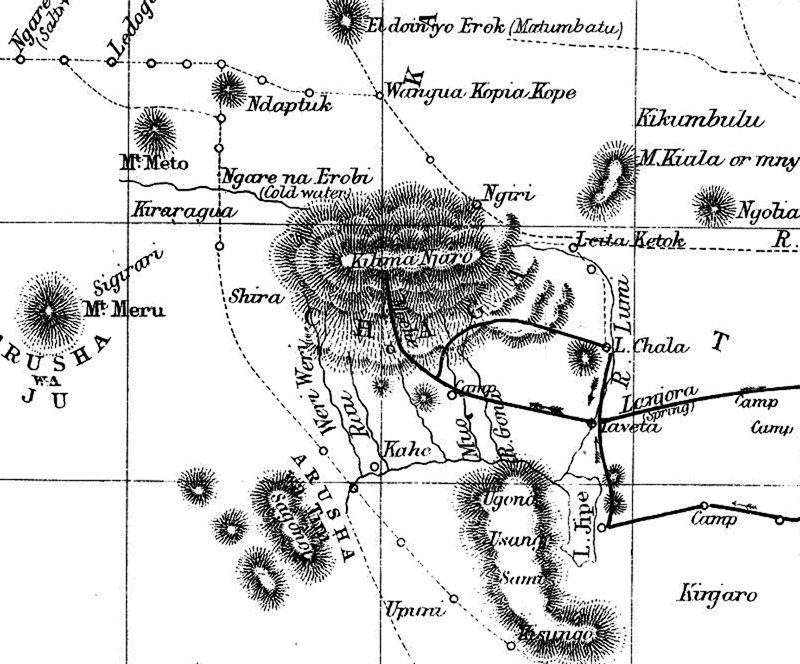
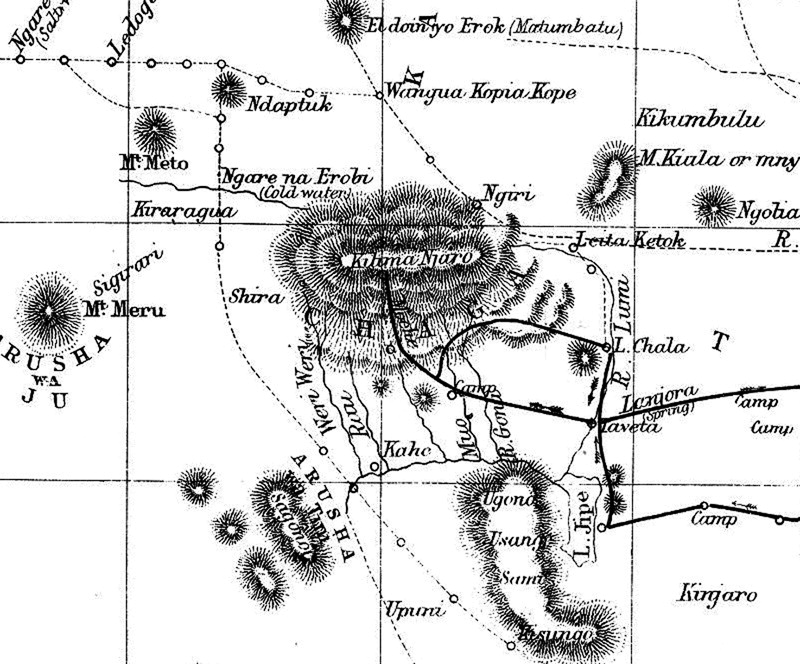
Vintage map of Mount Kilimanjaro showing routes, landmarks, and geography as seen in the 1990s | Kili Quests
A look back in time — this 1990s Kilimanjaro map reflects how the mountain was explored, traveled, and understood decades ago.

Cultural Tourism & Village Tours

Many visitors add a Chagga cultural experience to their Kilimanjaro adventure. This can include:

  • Visiting traditional Chagga homes or caves once used during tribal wars
  • Learning the banana beer brewing process
  • Exploring Materuni ,Marangu Village (with waterfalls and coffee tours)
  • Enjoying local meals and dance performances
These tours are respectful, immersive, and often led by community members themselves.
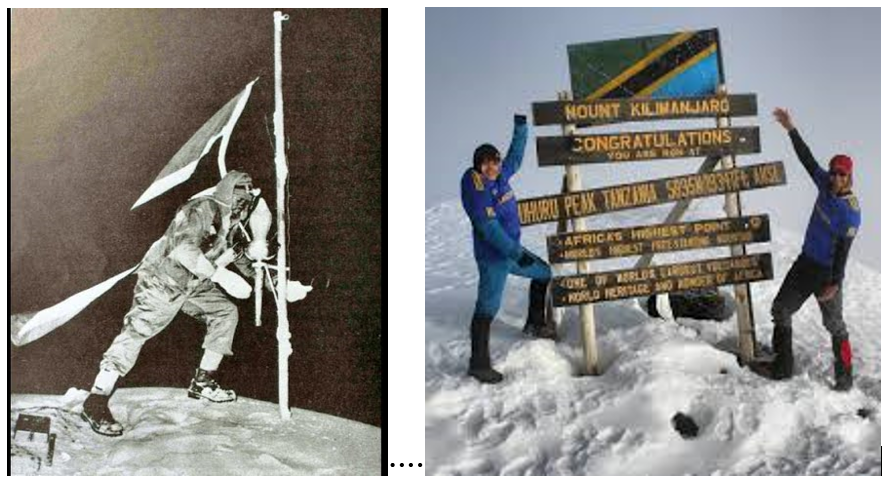
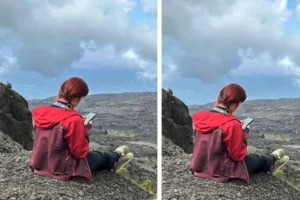
Split image showing the first Tanzanian man raising the national flag on Mount Kilimanjaro and a modern tourist at Uhuru Peak Kili Quests
On the left, the first Tanzanian to raise our national flag on Mount Kilimanjaro after independence. On the right, a modern tourist stands at Uhuru Peak — both moments united by pride, legacy, and the spirit of the mountain.
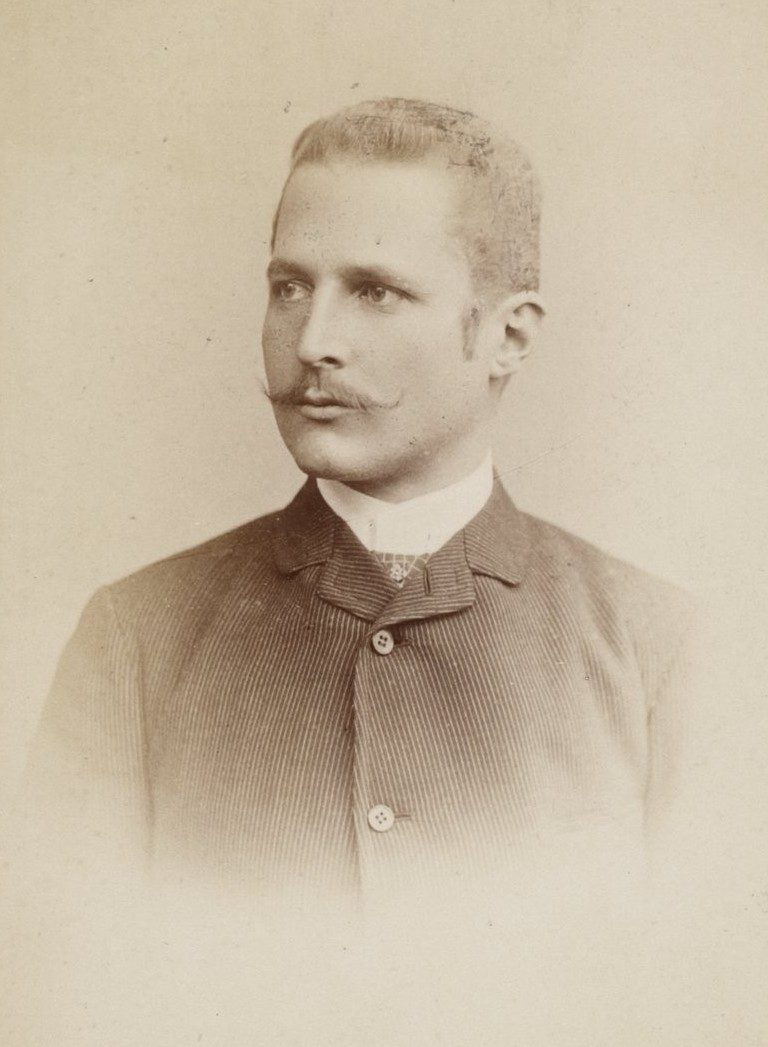
Portrait of Hans Meyer, German geographer and first European to summit Mount Kilimanjaro in 1889 | Kili Quests
Hans Meyer led the first successful recorded expedition to the summit of Mount Kilimanjaro in 1889, marking a historic moment in mountaineering.

Preserving Chagga Culture in a Changing World

As tourism and modernization grow, many young Chagga are moving to urban areas. However, cultural tourism helps keep traditions alive by:
  • Creating income for rural families
  • Supporting local artisans and farmers
  • Encouraging youth to take pride in their roots
At Kili Quests, we are Chagga — originally from the Marangu area — and we proudly partner with other Chagga-owned businesses and local guides to ensure every experience is authentic, respectful, and rooted in our cultural heritage.
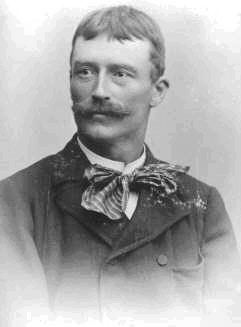
Portrait of Ludwig Purtscheller, Austrian climber who summited Mount Kilimanjaro in 1889 with Hans Meyer | Kili Quests
Ludwig Purtscheller, an experienced Austrian mountaineer, reached the summit of Kilimanjaro with Hans Meyer and local guide Lauwo in 1889.
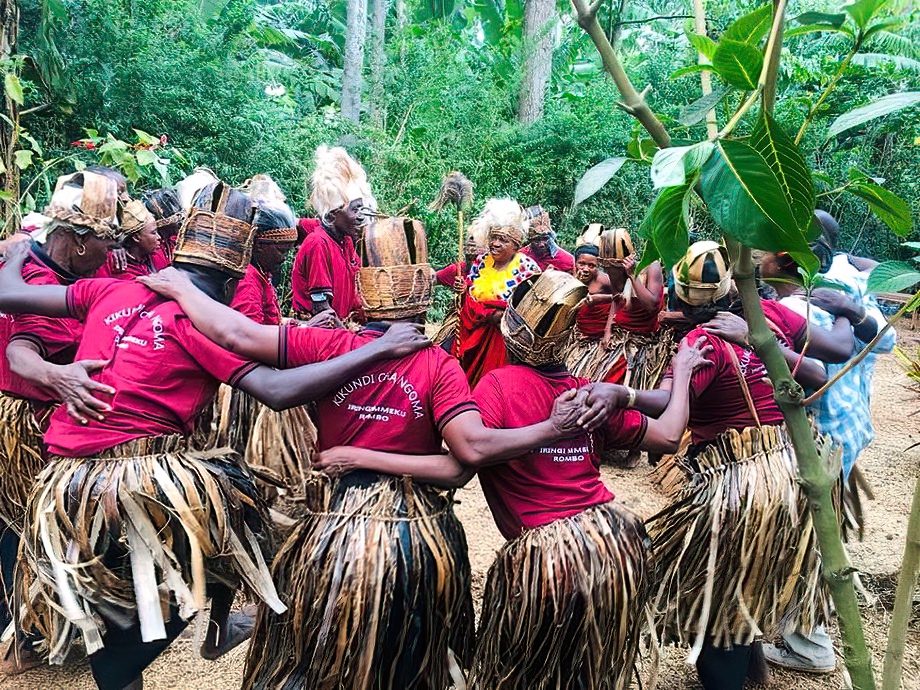
: Chagga performers dancing in traditional attire for visiting tourists in the Kilimanjaro region | Kili Quests
A living tradition — Chagga dances offer visitors a vibrant glimpse into Kilimanjaro’s cultural soul.

Frequently Asked Questions About the Chagga people of Mount Kilimanjaro

 Who are the Chagga people?

The Chagga people are a Bantu-speaking ethnic group living on the southern and eastern slopes of Mount Kilimanjaro in northern Tanzania. They are known for their farming traditions, coffee production, and strong cultural connection to the mountain.

What language do the Chagga people speak?

Most Chagga people speak Kichagga, a Bantu language with several dialects. Many also speak Swahili, which is Tanzania’s national language.

What food is traditional for the Chagga people?

Traditional Chagga people food includes dishes such as machalari (banana and beef stew), kiburu (bananas cooked with yam and soda ash), and mbege, a traditional banana beer brewed from fermented bananas and millet.

Why are the Chagga people connected to Mount Kilimanjaro?

The Chagga people have lived around Mount Kilimanjaro for generations. The fertile volcanic soil on the mountain’s slopes supports banana and coffee farming, which form the foundation of Chagga livelihoods and culture.

Do the Chagga people work as Kilimanjaro guides?

Yes. Many mountain guides, porters, and cooks who support climbers on Mount Kilimanjaro come from Chagga people communities. Their deep knowledge of the mountain has been passed down through generations.

Can visitors experience Chagga people culture during a Kilimanjaro trip?

Yes. Many travelers visit Chagga villages near Moshi or Marangu to experience coffee tours, traditional food, banana beer brewing, waterfalls, and cultural performances.

Experience the Heart of Kilimanjaro

A climb to the summit is unforgettable — but so is the culture that surrounds it. By learning about the Chagga people, you’ll gain a deeper appreciation for the region, its people, and the spirit of Kilimanjaro.Interested in adding a cultural tour to your trek?
 
Contact Kili Quests and let us create the perfect blend of adventure and culture.

Related Articles

Mount Kilimanjaro Myths: Chagga, Maasai, and Pare

Table of Contents

Kilimanjaro Myths, Spirits & Tribes: Chagga, Maasai & Pare | Kili Quests

Mount Kilimanjaro is not only Africa’s tallest peak — it’s a sacred and symbolic landmark surrounded by ancient myths, spirits, and tribal traditions. For generations, the local communities living around the mountain — especially the Chagga, Maasai, and Pare — have passed down stories and beliefs tied to the mountain’s power, protection, and mystery. In this article, we explore those cultural narratives and how they still shape local identity today.The name ‘Kilimanjaro’ itself has tribal roots — explore the meaning behind the mountain’s name.Meet Lauwo, the first Chagga guide to summit Kilimanjaro, and a legend in local oral history.

Map of Mount Kilimanjaro highlighting areas inhabited by the Chagga people, including villages on southern and eastern slopes | Kili Quests
The Chagga people have lived on the fertile slopes of Kilimanjaro for generations, forming vibrant communities across the mountain’s southern and eastern sides.

Chagga Myths & Spirits of Kilimanjaro

The Chagga people, who live on the southern and eastern slopes of Mount Kilimanjaro, have long believed the mountain is more than just a towering volcano — it is a spiritual force, filled with meaning, warnings, and ancestral energy. Traditionally, they believed that powerful spirits inhabit the higher regions of the mountain, and anyone who disrespects the mountain may face supernatural consequences. Illness, lightning strikes, or getting mysteriously lost in the forest were often seen as signs of spiritual punishment.
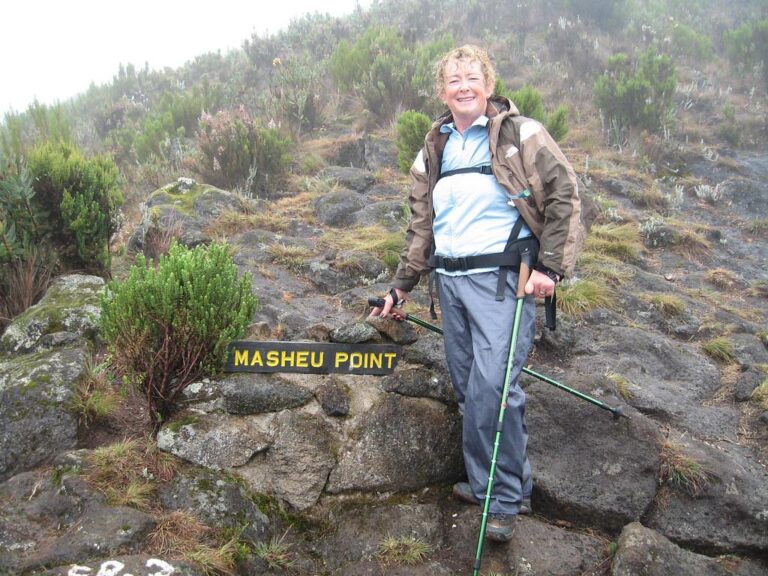
One of the most sacred ritual sites in Chagga culture is a place called Masheu Point, located in Marangu route, within the moorland zone of Kilimanjaro. Although it’s not on the glacier, it holds deep spiritual meaning. From the Whona Picnic Site — where tourists rest on the way to Horombo Hutyou can see this distinct hill in the distance. This is where Chagga ancestors would go during times of drought. Carrying animals, they would perform sacrificial rituals, offering blood and meat to their gods. Remarkably, it is said that rain would begin falling before the elders even returned home — a sign their prayers had been accepted.
The Chagga also warn of serious consequences when rituals are ignored. There are stories of people — even locals born and raised on the mountain — becoming lost in familiar forests while collecting firewood or animal feed. Some are found after 3–5 days in a dazed state; others are never found at all, presumed dead. Such disappearances are seen as spiritual alerts — signs that the balance between humans and ancestors has been broken.
Rituals are also necessary after acts of violence or rage. If someone in a moment of anger breaks a household object or cuts a banana plant or tree with a machete, it is believed that the intention behind the act was spiritually dangerous — even if it wasn’t directed at another person. In such cases, elders must be called, and rituals performed to cleanse the energy and prevent misfortune. If left unresolved, misfortunes such as trees falling unexpectedly, lightning strikes, or personal accidents may follow.
One particularly serious omen is when the banana flower falls off prematurely, before the fruit has formed. This rare occurrence is taken as a sign of spiritual imbalance or incoming danger, and it prompts immediate consultation with elders or ritual practitioners who can interpret the message and perform the necessary rites.
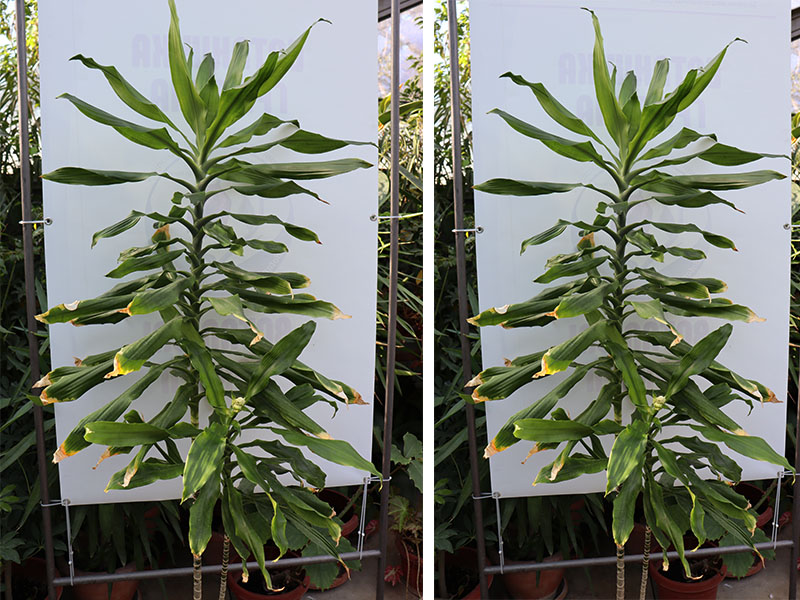
Among all the sacred plants, Masale (Dracaena fragrans) is especially symbolic. Its leaves are folded during ritual offerings, and it is often planted as a land boundary or used to request forgiveness — either directly or through a respected elder. Rituals may include offerings of milk, banana beer (mbege), or animal blood — all central to connecting with the spirit world and seeking guidance or protection.
Today, while many Chagga people follow Christianity or modern lifestyles, these beliefs and practices are still respected — especially by elders and traditionalists. The spiritual layer of Kilimanjaro is deeply rooted in ancestral knowledge, and it continues to shape how the mountain is viewed by the people who have lived on its slopes for generations.
Chagga people performing a traditional dance during the 1990s in Kilimanjaro region | Kili Quests
Cultural pride in motion — this 1990s Chagga dance reflects deep-rooted heritage passed through generations.
A woman standing quietly at Masheu Point near Whona on Mount Kilimanjaro, a sacred place where Chagga ancestors performed rain rituals
Masheu Point, seen from the moorland zone near Whona, is a sacred site where Chagga elders once offered meat and blood to call for rain — a powerful link to ancestral rituals
Masale plant (Dracaena fragrans) used in Chagga rituals and traditional land boundary marking in Kilimanjaro region | Kili Quests
Masale, or Dracaena fragrans, plays a sacred role in Chagga traditions — symbolizing peace, boundaries, and ancestral respect.
Historic Chagga house at Mangi Meli’s boma site in Old Moshi, Kilimanjaro region | Kili Quests
Mangi Meli’s boma — a cultural landmark honoring Chagga leadership and tradition.

Pare Tribe Beliefs & Cultural Warnings

The Pare people, located southeast of Mount Kilimanjaro in Moshi- Same  and Mwanga districts, maintain strong spiritual traditions rooted in both the mountain’s influence and their own sacred sites. Though they may not live directly on Kilimanjaro’s slopes like the Chagga, the Pare revere the mountain and often include it in rituals for rain, fertility, and healing. They also have their own smaller sacred mountains within Pare land where traditional offerings and ceremonies are performed.
 
Like the Chagga, the Pare believe that disrupting sacred customs can lead to personal or communal misfortunes. In particular, they share the warning about never pointing at the Kilimanjaro summit during rituals, as this is seen as a sacred insult to spirits and can result in drought or hardship.
 
A unique aspect of Pare tradition is their initiation ceremonies for youth. Young men and women are taken deep into the forest by elders to be taught tribal knowledge, laws, and ancestral rituals. If a family refuses to send their children or skips these rites, the consequences can be spiritual. In some cases, families have reported infertility or other unexplained struggles affecting future generations — believed to be punishment for ignoring cultural obligations.
 
The Pare also observe powerful natural omens. Like the Chagga, they view a banana flower falling prematurely as a sign of imbalance or danger. But they also believe that if a swarm of bees surrounds a tree near someone’s home, this signals a spiritual issue or a bad event approaching. In such cases, an elder must be consulted to perform the appropriate ritual or determine what imbalance has occurred.
 
In moments of grief, Pare traditions guide burial rites too. If a young person dies un-marriage, the community performs a special funeral ceremony. The body is buried along with a branch from a symbolic tree, used as a substitute for the life and family they did not get to fulfill. This ritual honors the spirit of the deceased and helps guide them toward peace in the afterlife.
Despite modern influences, many Pare people still observe these customs with pride. Rituals, elders, and nature-based signs remain important guides in both daily life and major life events — ensuring the wisdom of past generations continues to protect the living.
Members of the Pare tribe from the southeastern Kilimanjaro region, dressed in traditional clothing
The Pare people, known for their rituals and herbal knowledge, view Kilimanjaro as a sacred force and conduct spiritual ceremonies in its presence
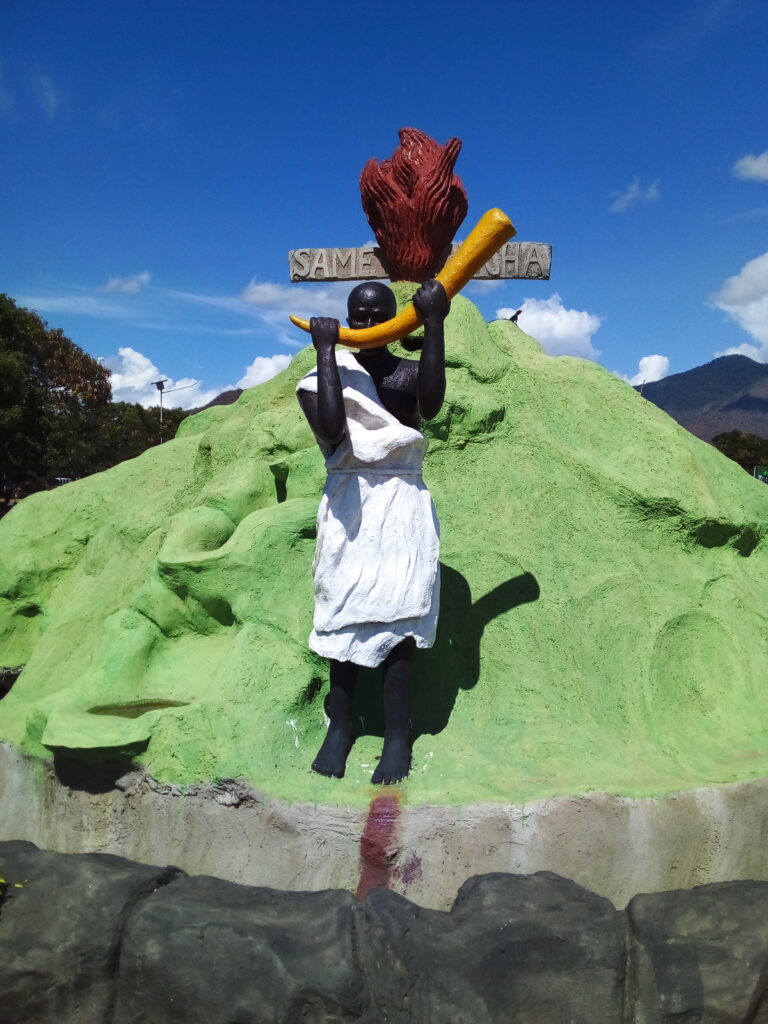
Same -Traditional statue or spiritual marker in the Pare Mountains of Tanzania, symbolizing ancestral presence and tribal rituals
In the Pare region southeast of Kilimanjaro, sacred symbols and natural markers are used in rituals to seek ancestral guidance, protect land, and teach spiritual laws

Maasai Spiritual Traditions & Sacred Mountains

The Maasai, pastoralist communities spread across northern Tanzania and southern Kenya, have long maintained a deep spiritual relationship with nature — including mountains, trees, animals, and ancestral forces. While they don’t live directly on Mount Kilimanjaro, many Maasai clans from nearby plains view it with awe and reverence.
 
Kilimanjaro, to many Maasai, was historically seen as a house of divine spirits — respected from a distance rather than approached. They believed it was the dwelling place of powerful beings, often referred to as “the mountain of God” in reference to its grandeur and mystery. Climbing it was uncommon; instead, they offered prayers and blessings from afar.
 
In Maasai ritual life, offerings of milk and meat play a central role. During sacred ceremonies, elders may carry meat and milk to the base or foothills of sacred mountains like Kilimanjaro. A portion of these offerings is left behind for wild animals, symbolizing respect for nature and the spirit world, while the remainder is brought back home to share with the community, completing the ritual circle.
Importantly, the Maasai do not only revere mountains — they also worship trees believed to hold spiritual energy. Sacred trees are often prayed to during life events, healing ceremonies, or when seeking rain. These sites serve as natural altars and are treated with great reverence by elders and spiritual leaders.
 
Though Kilimanjaro holds importance, the most sacred mountain in Maasai cosmology is Oldoinyo Lengai, an active volcano located further west in the Great Rift Valley. Known in the Maa language as the “Mountain of God”, it is the central site of many traditional rituals. The Maasai believe their god Engai resides there, and during times of hardship, they travel to this volcanic peak to sacrifice livestock, pray, and offer gifts in hopes of spiritual intervention.
 
Today, while many Maasai youth live modern lives and practice Christianity or Islam, traditional elders and warriors still preserve Maasai cosmology, especially in rural areas. Trees, mountains, and the elements are not just physical — they are alive with presence, guiding Maasai communities through both ceremony and silence.
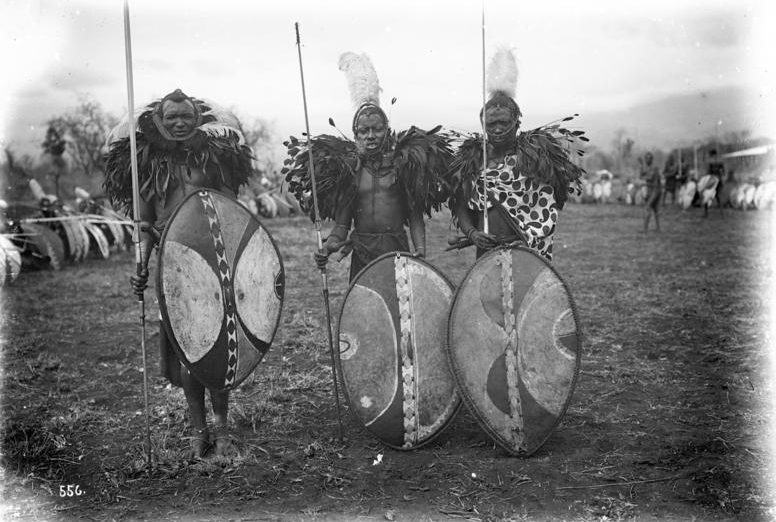
Maasai warrior standing with a traditional shield and spear, dressed in ceremonial attire
The Maasai use traditional shields in rituals and ceremonies that reflect bravery, ancestral respect, and protection of sacred traditions
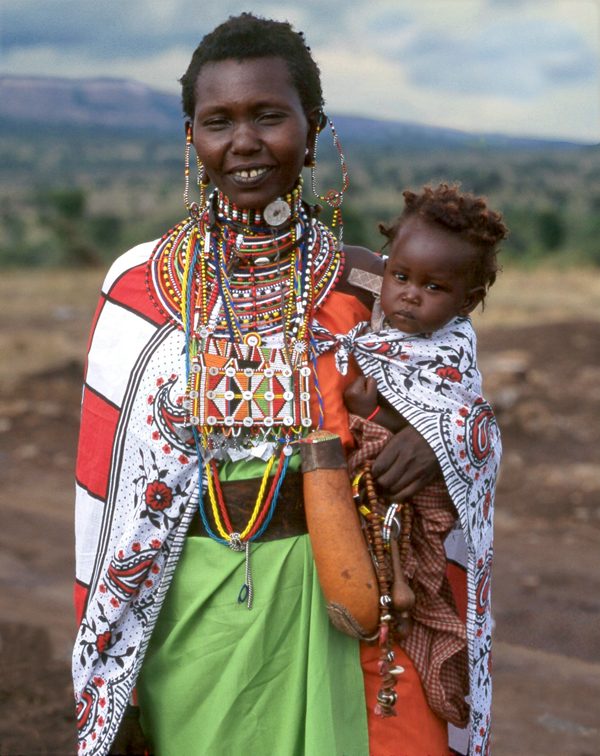
Maasai woman in traditional dress carrying a child on her back, wrapped in colorful fabric
Maasai women play a central role in passing down traditions, stories, and spiritual beliefs to future generations
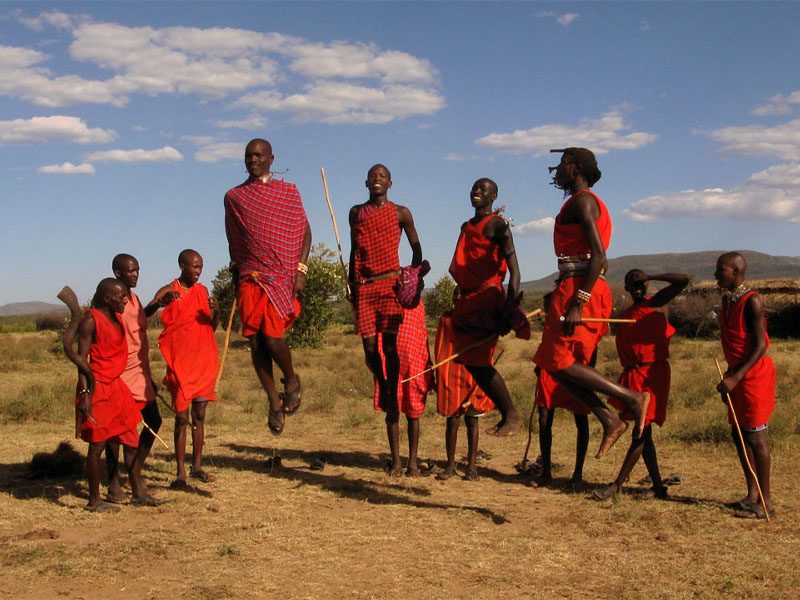
Maasai men performing the traditional Adumu jumping dance in ceremonial attire
The iconic jumping dance, or Adumu, is a vital ritual among Maasai warriors — celebrating strength, unity, and spiritual readiness
Kili Quests staff visiting a Maasai boma during a cultural experience in northern Tanzania
At Kili Quests, we partner with Maasai communities to offer authentic, respectful cultural experiences that support local traditions and livelihoods

Why These Traditions Still Matter Today

While modern life and tourism have changed how people interact with Kilimanjaro, many of these beliefs remain embedded in local culture. Guides may still offer quiet respect to the peak before summit day. Elders may still tell children stories about spirits that protect or punish, reminding the next generation of their heritage.
 
At Kili Quests, we are proud to be a Chagga-owned business that honors these traditions while welcoming trekkers from around the world. We believe understanding the spiritual and cultural layers of Kilimanjaro deepens the journey — making every climb more meaningful.
 
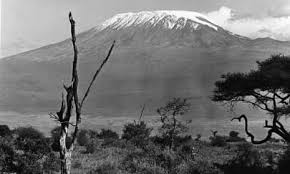
Local Chagga farmer working in the fields with Mount Kilimanjaro in the background
Kilimanjaro is not just a landmark — it’s a source of life, culture, and pride for the communities around it

Kilimanjaro: A Mountain with a Soul

Mount Kilimanjaro is more than just a geological wonder. It is a living symbol of stories, spirits, and identity for the Chagga, Maasai, and Pare people. By learning these traditions, trekkers can gain not only altitude — but also a deeper appreciation for the soul of the mountain.See why Kilimanjaro is considered a natural wonder and what makes it globally significant

Frequently Asked Questions About Kilimanjaro Myths, Spirits, and Local Tribes

What tribes live around Mount Kilimanjaro?

Several indigenous communities live around Mount Kilimanjaro. The Chagga people live mainly on the southern and eastern slopes of the mountain, the Pare people inhabit the southeastern areas near Same and Mwanga, and the Maasai people live on the surrounding plains. Each community has its own traditions, spiritual beliefs, and cultural relationship with the mountain.

Do local tribes believe Mount Kilimanjaro has spirits?

Yes. In traditional Chagga belief, the mountain is connected to powerful ancestral spirits and supernatural forces. Certain events such as sudden storms, illness, or people getting lost in the forest were sometimes interpreted as spiritual warnings or signs that sacred traditions had been disrespected.

Why is Mount Kilimanjaro considered sacred by local communities?

For many communities around Kilimanjaro, the mountain represents a place of spiritual power and ancestral presence. Rituals, prayers, and offerings were historically performed in certain locations to ask for rain, protection, or healing. These traditions helped strengthen the cultural identity of communities living around the mountain.

Are there sacred ritual sites on Mount Kilimanjaro?

Yes. Some locations on Kilimanjaro have traditional spiritual significance. One example is Masheu Point on the Marangu side of the mountain, where Chagga elders historically performed rituals and offerings during times of drought to ask for rain and blessings from ancestral spirits.

Did local tribes historically climb Mount Kilimanjaro?

Historically, many local communities respected Kilimanjaro as a sacred place and did not climb to the summit. The first recorded successful climb occurred in 1889, and later local guides such as Yohani Kinyala Lauwo became important figures in the mountain’s climbing history.

Can visitors learn about local culture when visiting Kilimanjaro?

Yes. Travelers visiting the Kilimanjaro region can experience cultural tours, village visits, coffee farms, and storytelling from local communities near Moshi. These experiences help visitors understand the traditions, myths, and spiritual beliefs connected to the mountain.

Ready to Experience Kilimanjaro with Cultural Depth?

At Kili Quests, we’re proud to be a Chagga-owned company that shares not just the trails — but the traditions. Whether you’re trekking to the summit or exploring the foothill villages, our guides bring local knowledge, stories, and respect for the mountain’s cultural roots.
 
 Join a trek that honors the mountain’s spirit — Contact us today to start planning your Kilimanjaro journey with meaning.

Related Articles

Is Mount Kilimanjaro One of the 7 Wonders of the World?

Table of Contents

Is Kilimanjaro a World Wonder? + UNESCO Facts | Kili Quests

 Kilimanjaro’s Legendary Status

Mount Kilimanjaro is not only the tallest mountain in Africa — it’s a symbol of endurance, freedom, and natural wonder. Rising 5,895 meters (19,341 feet) above sea level, Kilimanjaro stands alone, surrounded by the plains of Tanzania. But a question many trekkers and travelers ask is:
Is Mount Kilimanjaro one of the Seven Wonders of the World?
In this article, we explore Kilimanjaro’s global recognition, its UNESCO World Heritage Site status, and whether it’s officially considered a natural wonder of the world.Discover why Kilimanjaro stands out as Africa’s most recognizable natural icon
Mount Kilimanjaro rising alone above the African savanna, with snowcapped summit and open sky
Kilimanjaro is considered one of the world’s greatest natural wonders and is a UNESCO World Heritage Site

What Are the Seven Wonders of the World?

There are several recognized lists of “wonders,” each with different criteria:
 The Ancient World:
  • Includes man-made marvels like the Great Pyramid of Giza (the only surviving structure)
 The Natural World:
  • Focuses on natural beauty, scale, and uniqueness (e.g. Grand Canyon, Great Barrier Reef)
The Seven Natural Wonders of Africa (by Seven Natural Wonders Organization):
Tanzania is home to three of these:
  • Mount Kilimanjaro 
  • Serengeti National Park 
  • Ngorongoro Crater 
Although Kilimanjaro is not officially one of the Seven Natural Wonders of the World, it is commonly included in unofficial global lists and stands out as one of Africa’s greatest icons. Learn the basics of Kilimanjaro — from its geology to global importance.

Kilimanjaro’s UNESCO World Heritage Status

 Mount Kilimanjaro was inscribed as a UNESCO World Heritage Site in 1987, a recognition of its:
  • Exceptional natural beauty
  • Unique glaciers and volcanic formations
  • Wide range of ecosystems — from tropical rainforest to arctic summit
  • Deep cultural and spiritual value to the Chagga and other local tribes

 Tanzania’s Other UNESCO Sites

Kilimanjaro is just one of seven UNESCO World Heritage Sites in Tanzania, which include:
  •  Serengeti National Park – Known for the Great Wildebeest Migration
  •  Ngorongoro Conservation Area – A massive volcanic caldera and habitat for wildlife and pastoralists
  •  Stone Town of Zanzibar – A cultural and historic blend of Swahili, Arab, and European influences
  •  Selous Game Reserve (now Nyerere National Park)
  •  Kondoa Rock-Art Sites
  •  Ruins of Kilwa Kisiwani and Songo Mnara
Together, they showcase the diversity of Tanzania’s natural and cultural heritage — and affirm its place as one of Africa’s most rewarding travel destinations.
Local tribespeople near Kilimanjaro showing cultural connection to the mountain
Kilimanjaro’s cultural heritage is also part of its global recognition

 Why Kilimanjaro Is Still a Wonder in Every Way

Even if Kilimanjaro isn’t officially on the list of the “Seven Wonders,” it absolutely fits the definition. Here’s why:
It’s the tallest mountain in Africa
  •  And the world’s highest free-standing mountain (not part of a mountain range)
It’s a volcanic giant
  •  Formed by three cones: Kibo, Mawenzi, and Shira
It has five ecological zones
  •  From lush rainforest to arctic summit — all in one climb
It features iconic glaciers at the top
  • Though melting, they’re still a striking symbol of Africa’s roof
It holds spiritual and cultural meaning
  •  Considered sacred by the Chagga, Maasai, and Pare tribes
It’s a bucket-list trek for thousands
  • More than 35,000 climbers attempt the summit each year
Climbing Kilimanjaro isn’t just a physical adventure — it’s a journey through diverse ecosystems, cultural legends, and ancient geology.Explore the traditional stories and tribal beliefs tied to Kilimanjaro’s sacred status.
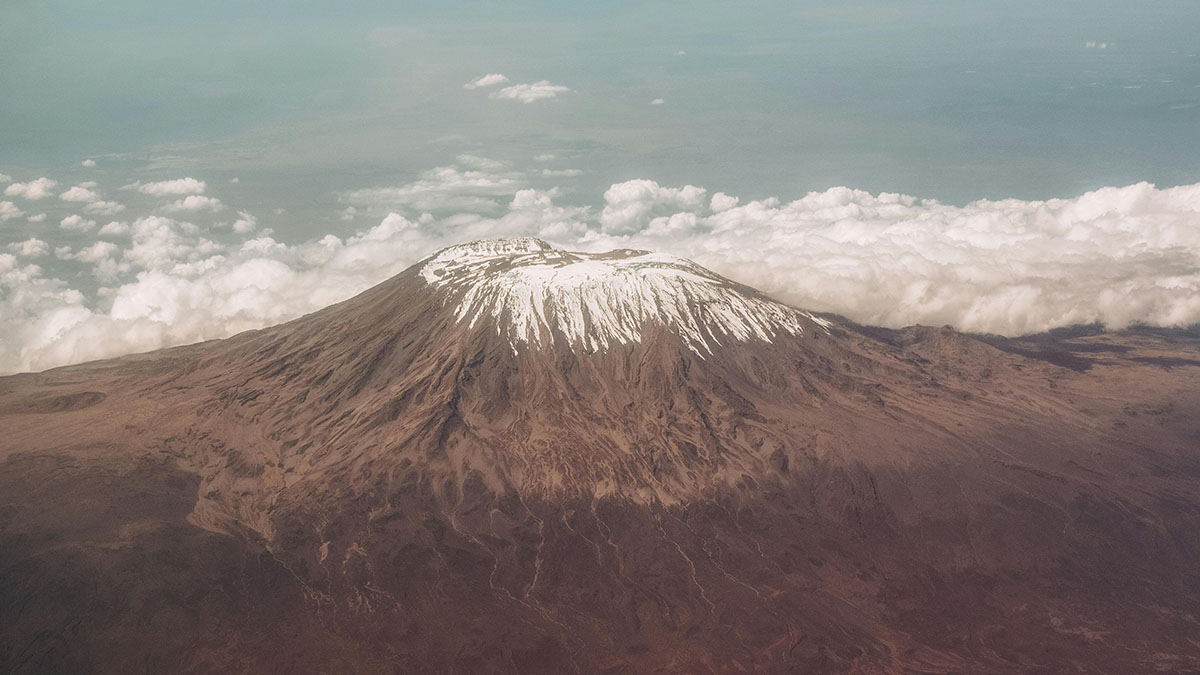
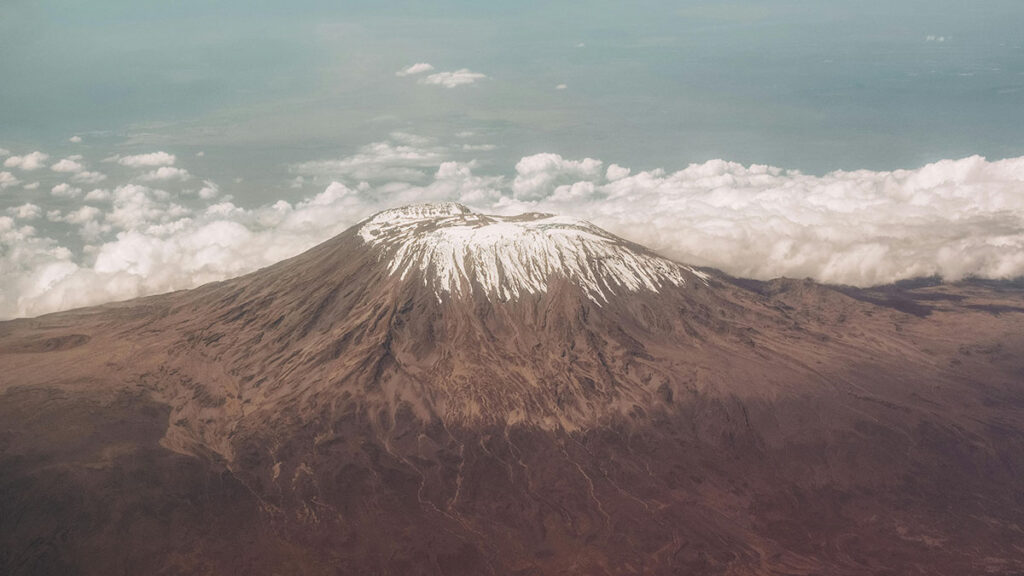
Aerial view of Mount Kilimanjaro showing Kibo, Mawenzi, and Shira volcanic cones
Kilimanjaro was formed by three volcanic cones — Kibo, Mawenzi, and Shira — each with a unique history
Mount Kilimanjaro’s three volcanic peaks — Kibo, Mawenzi, and Shira seen from above
3 Volcanic peaks of mount kilimanjaro

What UNESCO Status Means for Protection

Being a UNESCO site brings more than just fame. It means:
  • Conservation protections to prevent overuse or deforestation
  • International funding for park preservation
  • Support for local communities through regulated tourism
  • Scientific monitoring of glaciers, species, and climate impact
  • Cultural safeguarding of local traditions and stories
When you climb with responsible operators like Kili Quests, you directly support sustainable tourism and cultural preservation.

A Natural Wonder in the Heart of Africa

Mount Kilimanjaro may not appear in every “official” wonders list, but it remains a wonder of the world in spirit, scale, and symbolism.
  • It challenges the body,
  • Inspires the soul,
  • And connects you to nature and tradition in powerful ways.
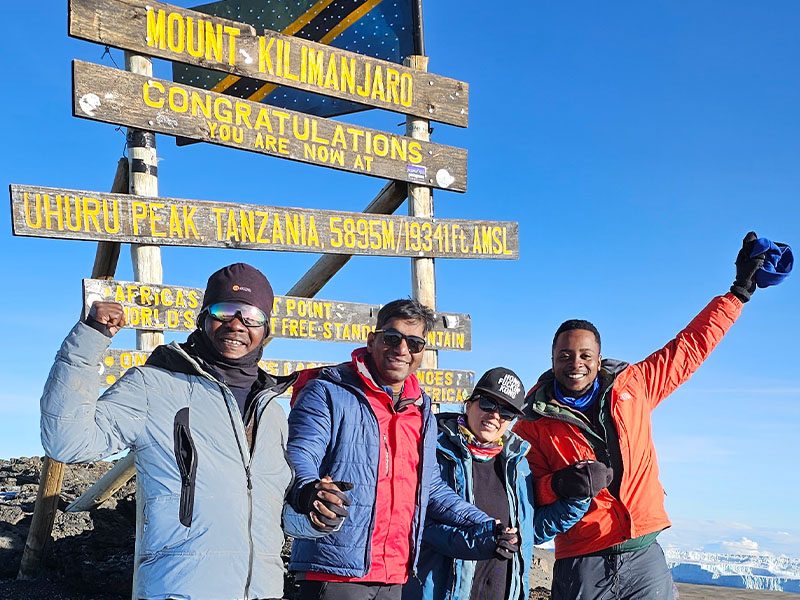
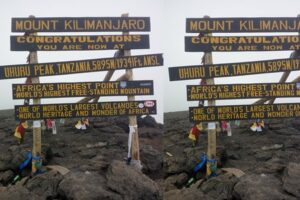
Climber standing at Uhuru Peak sign on the summit of Mount Kilimanjaro
The summit of Kilimanjaro is called Uhuru Peak — named after Tanzania’s independence in 1961

Frequently Asked Questions About Kilimanjaro as a World Wonder and UNESCO Site

Is Mount Kilimanjaro one of the Seven Wonders of the World?

No. Mount Kilimanjaro is not officially listed among the traditional Seven Wonders of the World or the widely recognized Seven Natural Wonders of the World. However, it is often described as a natural wonder because of its dramatic height, isolated location, and unique ecosystems that stretch from rainforest to an arctic summit.

Is Mount Kilimanjaro a UNESCO World Heritage Site?

Yes. Mount Kilimanjaro was designated a World Heritage Site by UNESCO in 1987. The designation recognizes its outstanding natural beauty, diverse ecosystems, and scientific importance as one of the most remarkable volcanic landscapes in Africa.

Why is Mount Kilimanjaro considered a natural wonder?

Kilimanjaro is considered a natural wonder because it is the tallest mountain in Africa and the world’s highest free-standing mountain. Its three volcanic cones—Kibo, Mawenzi, and Shira—rise dramatically above the surrounding plains and contain several ecological zones, making the mountain unique among global landmarks.

What makes Mount Kilimanjaro unique compared to other mountains?

Unlike most major peaks that belong to large mountain ranges, Kilimanjaro stands alone. This isolated volcanic formation allows trekkers to climb from tropical forest to glaciers within a single journey, creating one of the most diverse trekking environments on Earth.

How many UNESCO World Heritage Sites are in Tanzania?

Tanzania is home to several UNESCO World Heritage Sites, including Serengeti National Park, Ngorongoro Conservation Area, and Stone Town. These locations represent the country’s extraordinary mix of wildlife, geological landscapes, and cultural heritage.

Why is UNESCO protection important for Mount Kilimanjaro?

UNESCO recognition helps protect the mountain’s fragile ecosystems and cultural heritage. Conservation programs monitor wildlife, forests, and glaciers while regulating tourism to ensure that climbing and trekking activities remain sustainable for future generations.
Plan Your Kilimanjaro Adventure with Experts

 At Kili Quests, we don’t just guide you to the summit — we help you experience the magic and meaning of Africa’s highest mountain.Whether you’re chasing a dream, testing your limits, or exploring one of Earth’s great landmarks, we’re here to guide every step.
 
 Start your journey today — contact Kili Quests for personalized Kilimanjaro treks.

Related Articles

What Does Kilimanjaro Mean? History, Myths & Origin

Table of Contents

Why Kilimanjaro Is Called ‘Kilimanjaro’ | Kili Quests

 What Does “Kilimanjaro” Mean?

Mount Kilimanjaro is the highest peak in Africa — but the name itself is just as mysterious as the summit. Unlike other famous mountains with clear naming origins, Kilimanjaro’s name has puzzled explorers, historians, and linguists for centuries.
Let’s explore the most widely accepted theories and cultural roots behind the name “Kilimanjaro.”
Mount Kilimanjaro with local tribal regions such as Chagga and Pare surrounding the base
The origin of the name “Kilimanjaro” remains debated — with influences from Chagga, Swahili, Maasai, and colonial languages

European Records vs. Local Language

When German explorers first mapped the mountain in the 1800s, they heard the name “Kilima Njaro” from Swahili-speaking locals. In Swahili, “kilima” typically means hill or small mountain, and “njaro” was believed to mean shining or whiteness, likely referring to the glacier-capped peak.
So one popular interpretation became:
“Kilima Njaro” = Shining Mountain or White Hill.
However, Swahili wasn’t the first or only language in the area — and the words may have originated from older tribal tongues spoken by the Chagga people.Hans Meyer’s expeditions played a role in documenting and popularizing the name — read more here
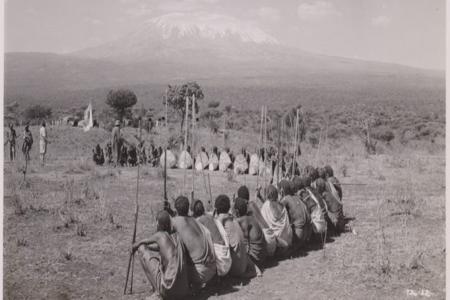
Historical photograph of Mount Kilimanjaro from early exploration or colonial era
Historical explorers and early local communities referred to the mountain by various names before “Kilimanjaro” became widely accepted
Portrait of Johannes Rebmann, the first European to report seeing Mount Kilimanjaro in 1848
In 1848, German missionary Johannes Rebmann was the first European to report Kilimanjaro’s snow-covered summit to the outside world

Local Linguistic Roots

1. Chagga Theory:
The Chagga people, who live on the southern and eastern slopes of the mountain, never originally called it “Kilimanjaro.” Instead, they called different parts of the mountain by names like:
Kibo (the summit dome)
Kilelema Kyaro (a Chagga phrase that could mean “that which defeats the caravan” — suggesting the mountain’s difficulty)
Some believe “Kilelema Kyaro” was later mispronounced or misrecorded by outsiders, evolving into “Kilimanjaro.”
 
2. Pare and Maasai Words:
The pare people  are an ethnics group living in the Pare Mountains,geographically close to Kilimanjaro .While they have their own language  and culture ,they are not directly involved in the naming of Kilimanjaro .But in pare they have some words similares  to the word ‘njaro‘ ,which was “njare” mean water or cold. For the Maasai, Kilimanjaro held no single name, but was always regarded with spiritual awe.
Members of the Chagga tribe near Mount Kilimanjaro in traditional attire
Members of the Pare tribe from the southeastern Kilimanjaro region, dressed in traditional clothing
The Pare people, known for their rituals and herbal knowledge, view Kilimanjaro as a sacred force and conduct spiritual ceremonies in its presence

 Colonial Influence on Naming

During the colonial era, German and British explorers wrote down place names based on what they thought they heard. With many different dialects around the mountain, names were often simplified, mixed, or misunderstood.
By the late 19th century, “Kilimanjaro” appeared on European maps — even though no local tribe had ever used that exact word as a mountain name before.
This means: “Kilimanjaro” is likely a foreign-made name built from local words.
Historical image of Mount Kilimanjaro with glacier-covered summit during early exploration era
Early photographs of Kilimanjaro show more extensive glaciers and fewer local people

Kilimanjaro: A Name with Many Meanings

Although there’s no single, definitive origin, here are the most common interpretations of the name:
 
Theory                                               Meaning
                                           
Swahili: Kilima + Njaro           –        Hill of shining whiteness
Chagga: Kilelema Kyaro          –       That which defeats caravans
Pare dialect                               –       Possibly “cold place” or “water source”
European explorers                 –      Misheard combination of tribal names
 
 
Regardless of its etymology, Kilimanjaro has become a symbol of beauty, endurance, and African identity around the world.
Vintage map of Mount Kilimanjaro showing routes, landmarks, and geography as seen in the 1990s | Kili Quests
A look back in time — this 1990s Kilimanjaro map reflects how the mountain was explored, traveled, and understood decades ago.

Cultural Value Beyond the Name

For the Chagga, and Pare peoples, Kilimanjaro is not just a name — it’s part of their spiritual landscape. Its glaciers, forests, and slopes are woven into myths, ceremonies, and sacred beliefs.
At Kili Quests, we honor these deep connections by sharing stories from the mountain’s local people, not just its altitude charts.

Learn More from the Locals

Want to dive deeper into the meaning and myths around Kilimanjaro? Read our related article:

Frequently Asked Questions About the Name Kilimanjaro

What does the name Kilimanjaro mean?

The exact meaning of the name Kilimanjaro is still debated. One common interpretation comes from Swahili words “kilima” meaning hill or mountain and “njaro,” which is sometimes interpreted as shining or whiteness. This has led to the popular translation “Shining Mountain,” referring to the snow and glaciers that cover the summit of Mount Kilimanjaro.

Who originally named Mount Kilimanjaro?

No single person officially named the mountain. The name likely evolved from a combination of local languages spoken around Kilimanjaro, including those of the Chagga people and nearby communities. European explorers later recorded and standardized the name on maps during the 19th century.

Did local tribes originally call the mountain Kilimanjaro?

Not exactly. Local communities often referred to specific parts of the mountain rather than using a single name for the entire massif. For example, the Chagga traditionally used names such as Kibo for the summit dome rather than the word Kilimanjaro.

How did European explorers influence the name Kilimanjaro?

When explorers and missionaries documented the mountain in the 1800s, they recorded the name based on what they heard from local guides and Swahili speakers. Early records from figures like Johannes Rebmann helped popularize the name Kilimanjaro in European maps and publications.
Are there other theories about the origin of the name Kilimanjaro?

Yes. Some linguists believe the name may have evolved from the Chagga phrase “Kilelema Kyaro,” which can be interpreted as “that which defeats the caravan.” Others suggest influences from nearby languages that reference coldness or water associated with the mountain.

Why is the name Kilimanjaro famous around the world?

The name Kilimanjaro has become globally recognized because the mountain is the tallest peak in Africa and a symbol of adventure and endurance. Its unique name, dramatic landscape, and cultural significance have made it one of the most iconic natural landmarks on the continent

Trek with Kili Quests — Where the Mountain Has Meaning

Climbing Kilimanjaro isn’t just about summiting Africa’s tallest peak. It’s about understanding the soul behind the summit — and the people who’ve lived in its shadow for generations.Join a trek where every step connects you to story, culture, and real meaning.
 

Related Articles

How to Choose the Best Kilimanjaro Tour Company

Table of Contents

Why Choosing an Experienced Kilimanjaro Tour Company Matters for Your Safety and Success | Kili Quests

Climbing Mount Kilimanjaro is one of the most life-changing experiences an adventurer can have. But with unpredictable weather, high altitude, and demanding terrain, choosing the right tour operator is just as important as preparing your gear.

At Kili Quests, our decades of experience on the mountain have shown one thing clearly — experienced guides save lives, improve success rates, and make the journey unforgettable.

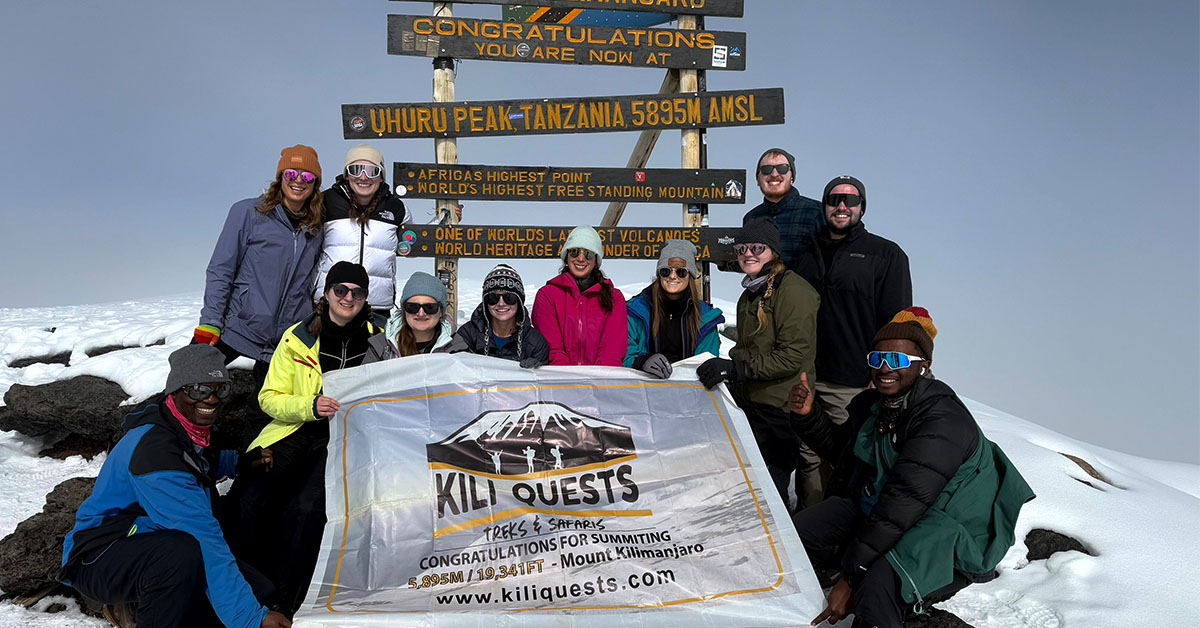
Carrying the spirit of Kili Quests to the top of Africa — a moment to remember at Uhuru Peak.

 Expert Knowledge of Kilimanjaro’s Terrain and Routes

 Understanding the Routes
Not every route suits every trekker. A professional operator:
  • Recommends the best route for your fitness, goals, and schedule
  • Designs itineraries with proper acclimatization and pacing
  • Knows the advantages and risks of each route (e.g., Lemosho vs Marangu)
Kilimanjaro Routes Compared: Success, Scenery & Difficulty – Learn which path fits your climbing style best.
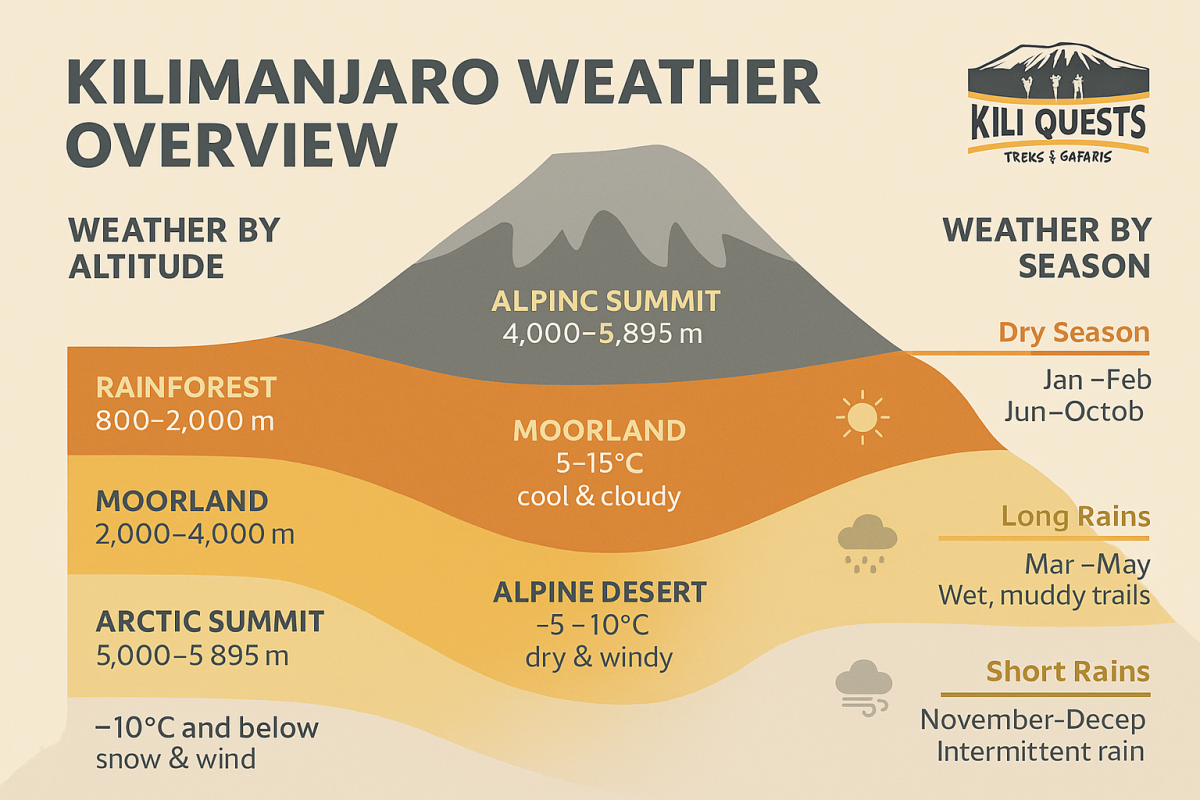
Kilimanjaro weather infographic showing climate conditions by altitude (rainforest, moorland, alpine desert, arctic summit) and season (dry season, long rains, short rains) with temperature and weather icons.
Kilimanjaro Weather by Altitude & Season – Understand the climate zones and seasonal changes as you prepare for your climb with Kili Quests.

Navigating Weather & Altitude Zones

With weather changing from humid rainforests to sub-zero alpine zones:
  • Our guides monitor forecasts daily and adapt to conditions
  • We prepare you for all five ecological zones — from rainforest to arctic summit
Kilimanjaro Weather by Altitude & Season – Understand climate zones to pack and plan better.

Acclimatization & Altitude Sickness Prevention

Altitude sickness is the #1 reason climbers don’t reach the summit.
How Kili Quests Keeps You Safe:
  • We follow the “climb high, sleep low” strategy
  • Routes like Lemosho and Northern Circuit are prioritized for acclimatization
  • Short acclimatization hikes are included on most days
  • Our guides are WFR-certified and trained in altitude emergency protocols
Understand Altitude Sickness on Kilimanjaro – Learn how acclimatization saves lives on the mountain.

Proper Equipment & Trekking Support

 High-Quality Gear

We provide:

  • Four-season tents and sleeping gear
  • Private portable toilets for hygiene
  • Hot, nutritious meals each day
  • Medical kits, oxygen cylinders, and radio communication equipment
Kilimanjaro Trek Rental Guide – Learn how we help you rent high-quality gear locally.

Experienced Staff

With over 25 years of mountain experience, our team includes:
  • Senior guides who’ve summited Kilimanjaro hundreds of times
  • Skilled porters and cooks who keep your morale high
  • Staff trained to support you both physically and emotionally

Emergency Procedures & Safety Protocols

Evacuation Plans

We have pre-established evacuation protocols, including:
  • 24/7 communication with rescue servicer
  • Access to helicopter evacuations (insurance required)
  • On-the-spot decision-making to descend if health declines
 Adherence to Safety Standards
All Kili Quests staff:
  • Carry first-aid kits and oxygen
  • Are trained in altitude and trauma response
  • Operate under Tanzania National Park regulations and international standards
The Best Medical Insurance for Kilimanjaro Treks – Learn why your policy should include helicopter evacuation.
From dense forest to open moorland — Day 2 of the Machame Route brings changing landscapes and rising altitude.

High Success Rates & Motivated Climbers

 Our Proven Summit Success
Thanks to our acclimatization-focused itineraries and strong team support, Kili Quests has one of the highest summit success rates among private operators.
 
We regularly guide trekkers along routes like:
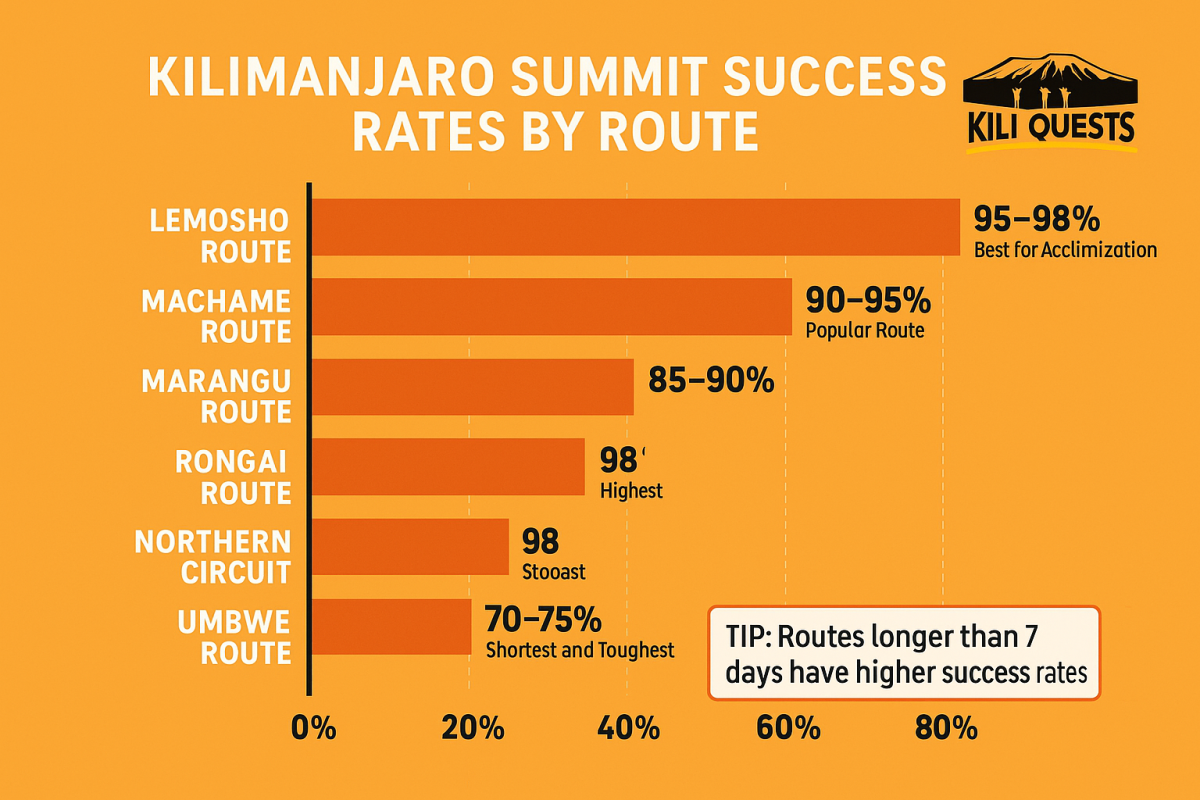
  • Lemosho (98% success rate)
  • Northern Circuit (99% success rate)
Lemosho Route: 8-Day Itinerary & Guide – See why this is our most recommended route.
Infographic comparing Kilimanjaro summit success rates by route including Lemosho, Machame, Marangu, Rongai, and others, showing Lemosho and Northern Circuit as the most successful.
Kilimanjaro Summit Success Rates – Choose your route wisely: Longer routes like Northern Circuit and Lemosho offer the best acclimatization and summit success

Motivation & Morale

The mountain is both a physical and mental challenge. Our experienced team:
  • Offers encouragement and emotional support
  • Builds camaraderie among climbers
  • Helps you push through summit night — when it counts most

Why Choose Kili Quests?

With Kili Quests, you’re not just hiring a tour — you’re gaining a support system committed to your safety, comfort, and summit success.
 
We provide:
  • Custom itineraries based on your pace
  • 24/7 local support
  • Transparent communication and ethical porter treatment
  • A reputation built on integrity and results
 

Frequently Asked Questions About Choosing a Kilimanjaro Tour Company

Why is choosing an experienced Kilimanjaro tour company important?

Climbing Mount Kilimanjaro involves high altitude, changing weather, and physical challenges. An experienced tour company provides trained guides, proper acclimatization plans, safety equipment, and professional support, all of which significantly improve climbers’ safety and chances of reaching the summit.

Is it possible to climb Mount Kilimanjaro without a tour operator?

No. Tanzanian park regulations require all climbers to book their expedition through a licensed tour operator approved by Kilimanjaro National Park Authority. Independent trekking is not permitted on Kilimanjaro.

How do experienced guides help prevent altitude sickness on Kilimanjaro?

Experienced guides monitor trekkers for symptoms of altitude sickness, plan gradual acclimatization schedules, and follow strategies such as “climb high, sleep low.” They also carry medical supplies and oxygen to respond quickly if altitude-related issues occur.

What safety equipment should a professional Kilimanjaro tour company provide?

A reputable operator should provide essential safety gear such as first-aid kits, oxygen cylinders, communication devices, and quality camping equipment. Many companies also conduct regular health checks during the trek to monitor climbers’ well-being.

Do experienced Kilimanjaro tour companies have higher summit success rates?

Yes. Companies with experienced guides and well-planned itineraries often achieve higher summit success rates because they prioritize acclimatization, safety monitoring, and proper pacing during the trek.

What should you look for when choosing a Kilimanjaro tour operator?

Travelers should look for licensed companies with experienced guides, strong safety procedures, ethical porter treatment, transparent pricing, and positive client reviews. These factors help ensure a safe and successful climbing experience on Kilimanjaro.

Ready for the Adventure of a Lifetime?

 Don’t risk your trek with an inexperienced operator. Choose Kili Quests — a seasoned, safety-focused Kilimanjaro team that has guided thousands to the summit and back.
 
 Contact us today to plan your Kilimanjaro adventure with confidence and care. Let’s reach the Roof of Africa — together.

Related Articles

Tanzania Tour Payment Guide: Transfers, Timing & Tips

Table of Contents

How Long Does It Take to Transfer Money for Your Tanzania Adventure? | Kili Quests

When preparing for your trip to Tanzania — whether you’re climbing Mount Kilimanjaro, heading on safari, or visiting Zanzibar’s beaches — one key part of the process is making sure your payment reaches us safely and on time.

Many Kili Quests clients ask:
“How long does it take to transfer money for my trip?”
This guide will explain payment methods, processing times, and tips to avoid delays.
 
Climb Package Inclusions – See what’s covered in the package once your payment is received.
Money transfer

Payment Methods Accepted by Kili Quests

We offer several secure and convenient payment options:
  • Telegraphic Bank Transfers (Wire Transfers)
  • Cash Payment on Arrival
  • Online Payment Platforms (PayPal, Wise, etc.)
  • Mobile Money Transfers (M-Pesa, Airtel Money)
Safari Package – Confirm what’s included in safari bookings and when your slot is reserved.

Telegraphic Bank Transfer (Wire Transfer)

A secure, widely used option — especially for international clients.
Processing Time:
  • Domestic (within Tanzania): 1 business day (faster if same bank)
  • International: 2–5 business days-Varies by sending country, bank delays, intermediary banks
Tips:
  • Account for time zones, weekends, and holidays
  • Transfer at least 7–10 days before arrival

 Cash Payment on Arrival

A simple and flexible method — pay in-person after you land
 
Processing Time:
  • Instant — payment made directly to your guide or rep
How It Works:
  • Pay the remaining balance in USD cash upon arrival in Moshi or Arusha
  • Confirm in advance with the Kili Quests team

Online Payment Platforms (PayPal, Wise, WorldRemit)

Quick and reliable for international travelers.
 
Processing Time:
  • PayPal: Instant or within a few minutes
  • Wise: Same day or a few hours
  • WorldRemit: Varies by country, often under 24 hours
Benefits:
  • Fast
  • Currency conversion included
  • Convenient for credit/debit card payments

Tip:Always review transaction fees and exchange rates.

Mobile Money Transfers (M-Pesa, Airtel Money)

A fast and popular method in East Africa — ideal for local payments.
 
Processing Time:
  • Instant
How It Works:
  • Transfer from your mobile wallet to Kili Quests’ account
  • Both sender and receiver must use the same mobile money provider
Note: Best for Tanzanian residents or travelers already in the region.

What Affects Transfer Time?

Even with the best method, a few external factors may impact how fast your payment is processed:
  • Time Zones: Delays may occur if your bank operates on a different schedule
  • Weekends & Holidays: Transactions processed next business day
  • Verification Requirements: Extra steps may delay bank or PayPal transfers
  • Transfer Method: Wire transfers often take longer than online or cash options

 Tips for Faster Payment Processing

To ensure your trip is confirmed on time:
  •  Start early — begin the payment process 2–3 weeks in advance
  • Use instant methods — like Wise, PayPal, or cash on arrival
  •  Double-check your payment details — any error can cause delays
  •  Notify Kili Quests — we’ll help track or confirm your payment
Visa Guide – Make sure your visa is sorted while waiting for payment to clear.

Frequently Asked Questions

How long does it take to transfer money for a Tanzania trip with Kili Quests?

Transfer time depends on the payment method used. International bank transfers usually take 2–5 business days, while online platforms like PayPal, Wise, or WeTravel are often processed within minutes or the same day. Mobile money transfers are usually instant.

What is the fastest way to send payment for a trip with Kili Quests?

The fastest payment methods include online platforms such as PayPal, Wise, and WeTravel, which allow travelers to pay securely using credit cards or bank transfers. These platforms usually process payments instantly or within a few hours.

Can I pay for my Tanzania adventure when I arrive?

Yes. Some travelers booking with Kili Quests choose to pay the remaining balance in cash upon arrival in Moshi or Arusha. However, this option should always be confirmed in advance.

Why can international bank transfers sometimes take several days?

International transfers may take longer due to intermediary banks, time zone differences, bank security checks, and weekends or public holidays. These factors can delay when the funds reach the tour company’s account.

When should I send payment before traveling to Tanzania?

It is recommended to send your payment at least 7–10 days before arrival if you are using a bank transfer. This allows enough time for the funds to clear and your travel booking to be confirmed.

What should I check before sending money for my Tanzania tour booking?

Before sending payment, make sure to verify the company’s payment details, confirm the correct payment method, review any transaction fees, and notify the tour operator after completing the transfer.

 Plan Your Payment for a Smooth Tanzania Experience

From Kilimanjaro climbs to Serengeti safaris, knowing how long your payment takes is essential for a stress-free start to your adventure.
 
Contact us if you need help with:
  • Choosing the best payment method
  • Tracking your payment status
  • Timing your transfer with your travel dates
 

Related Articles

Tanzania Visa: eVisa vs Visa on Arrival (Which Is Better?)

Table of Contents

Tanzania Visa: eVisa vs. On-Arrival Guide | Kili Quests

Planning a trip to Tanzania? Whether you’re climbing Mount Kilimanjaro, exploring Serengeti National Park, or relaxing on Zanzibar’s beaches, securing the right visa is one of the first — and most important — steps.
 
At Kili Quests, we’ve helped hundreds of trekkers and safari-goers through the visa process. In this guide, we break down the two main visa types available to travelers:
  •  Tanzania e-Visa (electronic application)
  • On-Arrival Visa (apply at the airport)
Let’s explore the pros, steps, and important details for each.
 
Trekking Rules Tourists Must Know – Be aware of Kilimanjaro and safari regulations before applying for your visa.

What Is a Tanzania Visa?

A Tanzania visa grants foreign travelers entry for tourism, business, or transit purposes. This applies to:
  • Kilimanjaro trekkers
  • Safari travelers
  • Visitors to Zanzibar or other national parks
Most nationalities need a visa — and there are two ways to get one.
 
Beginner’s Guide to Climbing Kilimanjaro – First-timer? Make sure your travel documents are in order before your trek.

Option 1: Tanzania e-Visa (Electronic Visa)

The eVisa is a modern, convenient way to get your Tanzania visa before traveling — all done online, without embassy visits.
 

How to Apply for an e-Visa:

1.Visit the Official Portal:

2.Complete the Form:
  • Provide travel dates, passport info, and contact details
3.Upload Documents:
  • Passport scan
  • Passport photo
  • Proof of travel or accommodation (recommended)
4.Pay Online:
  • Fees vary by nationality; payment is made via credit/debit card
5.Wait for Approval:
  • Takes around 7–10 business days
6.Print the e-Visa:
  • Bring a printed copy to show immigration on arrival
  •  
Top Safari Adventures – Don’t forget visa timing when planning your safari circuit.

Benefits of the eVisa:

  •  No waiting in airport queues
  • Apply from home
  • Peace of mind before flying

Option 2: Tanzania Visa on Arrival

If you didn’t apply for an e-Visa, you can still get a visa upon arrival at the airport.

 Where You Can Apply

  • Julius Nyerere International Airport (Dar es Salaam)
  • Kilimanjaro International Airport (JRO)
  • Zanzibar Airport 

Required Documents

  • Valid passport (6 months minimum)
  • Return flight confirmation
  • Proof of hotel or tour booking
  • USD cash for visa fee (rates vary by country)

What to Expect

  •  Wait in immigration line
  • Fill out visa forms manually
  • Pay in person and receive your visa on-site
Trip Payments Article – Check how long it takes for your booking deposit to reflect — it may affect your visa timing.

Downsides of the On-Arrival Visa

While convenient in theory, this option has some drawbacks:

  • Long Waits: Expect queues, especially during peak travel seasons
  • Uncertainty: Requirements may vary; missing documents could delay processing
  • Stressful After Long Flights: Not ideal after hours of travel

Which Visa Should You Choose?

Here’s a quick comparison of the Tanzania eVisa vs. On-Arrival Visa:
 
 1.e-Visa
  • Apply in advance from home
  • Minimal airport wait time
  • Fast, online application process
  • Best choice for most travelers
2.On-Arrival Visa
  • No advance application — apply at the airport
  • Long lines possible upon arrival
  • Manual paperwork at immigration desk
  • Best for last-minute or emergency travel only
Our Recommendation:
Choose the eVisa to save time, reduce airport stress, and avoid any surprises during immigration.

Frequently Asked Questions

Do I need a visa to travel to Tanzania?

Yes. Most international travelers need a visa to enter Tanzania for tourism, including those visiting for safaris, beach holidays in Zanzibar, or trekking Mount Kilimanjaro. The visa can be obtained online before travel or upon arrival at certain airports.

What is the difference between a Tanzania e-Visa and a visa on arrival?

A Tanzania e-Visa is applied for online before travel and approved electronically, allowing travelers to arrive with their visa already issued. A visa on arrival is obtained at the airport after landing, where travelers must complete paperwork and pay the visa fee at immigration.

How long does it take to get a Tanzania e-Visa?

A Tanzania e-Visa usually takes about 7–10 business days to be processed after submitting the application and payment through the official immigration portal.

Where can travelers get a visa on arrival in Tanzania?

Travelers can apply for a visa on arrival at major international entry points such as Kilimanjaro International Airport, Julius Nyerere International Airport, and Abeid Amani Karume International Airport.

What documents are required for a Tanzania tourist visa?

Travelers typically need a passport valid for at least six months, a passport photo, travel details such as flight information, and sometimes proof of accommodation or a tour booking.

Which visa option is better for visiting Tanzania?

For most travelers, the Tanzania e-Visa is the better option because it allows you to complete the process before traveling and helps avoid long immigration lines at the airport.

Ready for Your Tanzania Adventure?

Whether you’re trekking with us on Mount Kilimanjaro or planning a multi-day safari, getting your visa in order early is key to starting your trip right.
At Kili Quests, we’re here to help — from booking your tour to guiding you through the visa application process.

 Contact Kili Quests Today

  • Need help applying for your visa?
  • Have questions about the required documents?
  • Want to book your Tanzania adventure?

Related Articles

Contact Kili Quests | Tanzania Tours, Safaris & Kilimanjaro Treks

Contact Kili Quests for Your Tanzania Tour & More | Kili Quests

Planning a trip to Tanzania? Whether you’re dreaming of climbing Mount Kilimanjaro, embarking on a thrilling safari, or relaxing in Zanzibar, Kili Quests is here to guide you every step of the way.

We make it easy to get in touch — whether you prefer quick chats, personalized meetings, or detailed emails. Here’s how to reach out and start planning your unforgettable journey.
 
Climb with Experts – “Our experienced local team is here to guide you every step of the way.”
From the Roof of Africa to a well-earned rest — welcome to Millennium Camp

WhatsApp: Quick & Easy Messaging

WhatsApp is the fastest way to reach our team for instant answers and updates.
When to use WhatsApp:
  • Ask quick questions (availability, routes, payments)
  •  Send travel documents (passport, flight info)
  •  Communicate while on the move
How to contact via WhatsApp:
Tap the WhatsApp button on our website or message us directly at:
+255 762 187 967   OR +255 654 639 963
 
What’s in Our Safari Package – “Learn more about what’s included before you reach out to book.”

Zoom: Personalized Virtual Meetings

Prefer a face-to-face discussion? Zoom lets us walk you through everything in detail — from Kilimanjaro climbs to group safaris.


Best for:
  •  Deep itinerary discussions
  •  Custom tour planning
  • Group bookings


How to schedule:
  • Contact us via WhatsApp or email to set a Zoom meeting at your convenience.
  • Visit our website
 

Email: Best for Formal or Detailed Inquiries

Need to send documents or make a formal booking request? Email is ideal when you need more space or a written record.
Use email for:
  •  Requesting quotes & custom itineraries
  •  Booking confirmations & attachments
  •  Formal communications
Email us at:
  • info@kiliquests.com
  • We usually reply within 24 hours.
 
Visa Guide – “Not sure what paperwork you need? We can assist with the visa process too.”
contact us for your Next adventure

Contact Form: Simple and Direct

 Not sure which method to use? The contact form on our website is an easy way to send us your info and get a quick response.
Use it for:
  •  General inquiries
  •  Special accommodation requests
  •  Feedback or concerns
Where to find it:

Top Safari Adventures – Get inspired by our most popular safari routes and experiences.

Phone Call: Speak to a Real Person

 Need to talk directly with a human? We get it. Our lines are open for urgent or personal assistance.
Call us when:
  •  You need urgent answers
  •  You have last-minute changes
  •  You want real-time, personal guidance
Call Kili Quests at:
  • +255 654 639 963 or +255 762 187 967 
Learn more about our routes and success rates: Climb Kilimanjaro with Experts.
At 5,756 meters, the world looks different.

Start Your Tanzanian Adventure Today

From Kilimanjaro’s snowy summit to the plains of Serengeti, your journey starts with a simple message.
Contact us today via:
  • WhatsApp for quick support
  • Zoom for in-depth planning
  • Email for formal requests
  • Phone for personal attention
We’re here to make your experience smooth, safe, and unforgettable.

Frequently Asked Questions

How can I contact Kili Quests to plan my Tanzania adventure?

You can contact Kili Quests through several convenient methods including WhatsApp, email, phone calls, Zoom meetings, or the contact form on the website. These options make it easy to ask questions, request quotes, or start planning your trip.

What is the fastest way to reach the Kili Quests team?

The fastest way to get a response is usually through WhatsApp, where you can quickly ask questions about climbing Mount Kilimanjaro, safari availability, payments, or travel dates.

Can I schedule a virtual meeting to plan my trip?

Yes. Kili Quests offers Zoom meetings for travelers who want a detailed discussion about their itinerary. These meetings are useful for planning Kilimanjaro climbs, customized safari packages, or group travel arrangements.

What information should I include when contacting Kili Quests?

When reaching out, it helps to include details such as your travel dates, number of travelers, preferred activities (Kilimanjaro trekking, safari, or Zanzibar beach holiday), and any special requests. This helps the team prepare the best itinerary for your trip.

How long does it take to receive a response from Kili Quests?

Most email inquiries receive a response within 24 hours, while WhatsApp messages often receive faster replies depending on the time of day and availability.

Can Kili Quests help me plan both a Kilimanjaro trek and a safari?

Yes. Kili Quests can organize complete Tanzania travel experiences including Kilimanjaro climbs, wildlife safaris in parks such as Serengeti National Park, and relaxing beach holidays in Zanzibar.

Ready to Plan?

Message us now on WhatsApp, send an email, or schedule a Zoom call to get started with Kili Quests!
 

Related Articles

WhatsApp: Quick & Easy Messaging

WhatsApp is the fastest way to reach our team for instant answers and updates.
When to use WhatsApp:
  • Ask quick questions (availability, routes, payments)
  •  Send travel documents (passport, flight info)
  •  Communicate while on the move
How to contact via WhatsApp:
Tap the WhatsApp button on our website or message us directly at:
+255 762 187 967   OR +255 654 639 963
 
What’s in Our Safari Package – “Learn more about what’s included before you reach out to book.”

Zoom: Personalized Virtual Meetings

Prefer a face-to-face discussion? Zoom lets us walk you through everything in detail — from Kilimanjaro climbs to group safaris.


Best for:
  •  Deep itinerary discussions
  •  Custom tour planning
  • Group bookings


How to schedule:
  • Contact us via WhatsApp or email to set a Zoom meeting at your convenience.
  • Visit our website
 

Email: Best for Formal or Detailed Inquiries

Need to send documents or make a formal booking request? Email is ideal when you need more space or a written record.
Use email for:
  •  Requesting quotes & custom itineraries
  •  Booking confirmations & attachments
  •  Formal communications
Email us at:
  • info@kiliquests.com
  • We usually reply within 24 hours.
 
Visa Guide – “Not sure what paperwork you need? We can assist with the visa process too.”
contact us for your Next adventure

Contact Form: Simple and Direct

 Not sure which method to use? The contact form on our website is an easy way to send us your info and get a quick response.
Use it for:
  •  General inquiries
  •  Special accommodation requests
  •  Feedback or concerns
Where to find it:

Top Safari Adventures – Get inspired by our most popular safari routes and experiences.

Phone Call: Speak to a Real Person

 Need to talk directly with a human? We get it. Our lines are open for urgent or personal assistance.
Call us when:
  •  You need urgent answers
  •  You have last-minute changes
  •  You want real-time, personal guidance
Call Kili Quests at:
  • +255 654 639 963 or +255 762 187 967 
Learn more about our routes and success rates: Climb Kilimanjaro with Experts.
At 5,756 meters, the world looks different.

Start Your Tanzanian Adventure Today

From Kilimanjaro’s snowy summit to the plains of Serengeti, your journey starts with a simple message.
Contact us today via:
  • WhatsApp for quick support
  • Zoom for in-depth planning
  • Email for formal requests
  • Phone for personal attention
We’re here to make your experience smooth, safe, and unforgettable.

Frequently Asked Questions

How can I contact Kili Quests to plan my Tanzania adventure?

You can contact Kili Quests through several convenient methods including WhatsApp, email, phone calls, Zoom meetings, or the contact form on the website. These options make it easy to ask questions, request quotes, or start planning your trip.

What is the fastest way to reach the Kili Quests team?

The fastest way to get a response is usually through WhatsApp, where you can quickly ask questions about climbing Mount Kilimanjaro, safari availability, payments, or travel dates.

Can I schedule a virtual meeting to plan my trip?

Can I schedule a virtual meeting to plan my trip?

Yes. Kili Quests offers Zoom meetings for travelers who want a detailed discussion about their itinerary. These meetings are useful for planning Kilimanjaro climbs, customized safari packages, or group travel arrangements.

Ready to Plan?

Message us now on WhatsApp, send an email, or schedule a Zoom call to get started with Kili Quests!
 

Related Articles

Mount Kilimanjaro Weather Guide: Climate & Trekking Tips

Table of Contents

What You Need to Know About Tanzania: Mountain Weather and Climate | Kili Quests

Tanzania is a land of contrasts — from lush lowland rainforests to the frozen summit of Mount Kilimanjaro. If you’re planning a trek with Kili Quests, understanding mountain weather is essential to prepare properly for your adventure.

Whether you’re climbing Kilimanjaro, exploring Mount Meru, or trekking through national parks, this guide explains how Tanzania’s weather changes with elevation and season, so you’re never caught off guard.
 
Best Time to Climb Kilimanjaro – Match your climb to the driest and most scenic season for a safer summit.
Happiness is found between a smile and the next adventure

Tanzania’s Mountain Weather: Seasonal Overview

Tanzania has two primary weather seasons:
  •  Wet Season: March to May (long rains)
  •  Dry Season: June to October (ideal for trekking)
  • Short Rains: November to early December — lighter, less frequent rain
However, mountain weather also depends heavily on altitude, not just the season. Temperatures can drop quickly as you ascend, and sudden changes in wind, cloud cover, or rain are common.
 
Safari Timing Article – Weather affects both trekking and safari plans — combine them wisely.

Weather by Altitude: What to Expect on Kilimanjaro and Beyond

1.Tropical Zone (1,000m – 2,000m)
  • Temperature: 20°C – 30°C (68°F – 86°F)
  • Weather: Warm and humid; lush rainforest and grasslands
  • Expect: Rain showers during wet season, clear skies in dry months
2. Temperate Zone (2,000m – 4,000m)
  • Temperature: 10°C – 20°C (50°F – 68°F), colder at night
  • Weather: Cooler, with alpine vegetation
  • Expect: Clearer views, moderate temperatures — especially on the Machame Route

3. Alpine Zone (4,000m – 5,500m)
  • Temperature: -5°C to 10°C (23°F – 50°F)
  • Weather: Thin air, strong sun during the day, freezing nights
  • Expect: Harsh winds and snow above 4,500m — prepare for summit day
4. Arctic Zone (Above 5,500m)
  • Temperature: -10°C or lower (14°F and below)
  • Weather: Ice, snow, and biting wind at the summit
  • Expect: Extreme cold and low oxygen — layering and acclimatization are key
Night Temperatures – Prepare for freezing nights above 3,000 meters with the right gear.

How Seasons Affect Climbing Conditions

 Dry Season (June – October)
  • Best time to climb Mount Kilimanjaro
  • Trails are dry, views are spectacular
  • High season: expect more climbers

Short Rains (November – December)
  • Trekking is still possible with lighter rain
  • Quieter trails, but occasional showers at lower levels
 Long Rains (March – May)
  • Not ideal for trekking
  • Trails can be slippery or muddy
  • Routes like Machame may close due to poor conditions
Ecological Zones – Each zone has its own weather patterns — see how the climate shifts as you ascend.
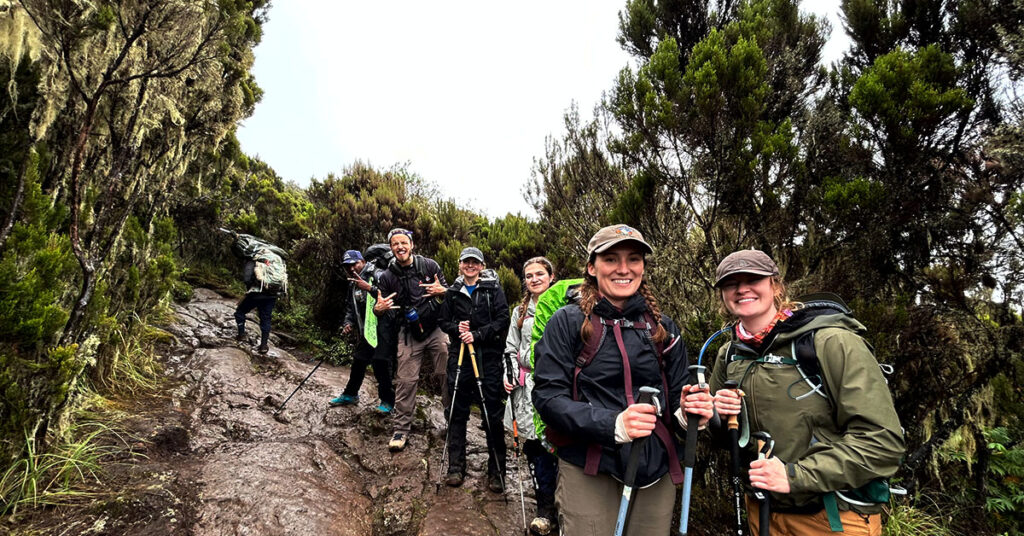
Long strides, cool air, and endless views — moorland magic on the trail.

How to Prepare for Mountain Weather in Tanzania

 No matter the route or season, weather on Kilimanjaro and other Tanzanian peaks requires serious preparation:
Dress in Layers:
  • Moisture-wicking base layers
  • Insulating mid-layers
  • Waterproof outer layers
Thermal Gear for Summit:
  • Gloves, thermal socks, balaclava, and down jacket for arctic zone
Footwear:
  • Waterproof, broken-in hiking boots with good grip
Sun Protection:
  • Sunglasses, sunscreen, and sun hat for alpine exposure
 Emergency Preparedness:
  • First aid kit, rain cover, and extra thermal gear

What Kili Quests Offers

At Kili Quests, your safety and success are our top priorities. We ensure you’re fully prepared for all mountain weather conditions with:
  • Wilderness First Responder-trained guides
  • Pre-trek briefings based on seasonal weather updates
  • Flexible itineraries in case of shifting weather patterns

Frequently Asked Questions

How does weather affect trekking in Tanzania?

Weather in Tanzania can change quickly, especially in mountainous areas. Trekkers may experience warm temperatures at lower elevations and freezing conditions near the summit. Understanding seasonal weather and altitude changes helps climbers prepare properly for their adventure.

How cold does it get on Mount Kilimanjaro?

Temperatures near the summit can drop to −10°C (14°F) or lower, especially during summit night. While lower slopes may feel warm and humid, the upper zones are extremely cold due to high altitude and strong winds.

What is the best season for mountain trekking in Tanzania?

The dry season from June to October is generally considered the best time for trekking because trails are drier and visibility is clearer. Another good period is January to March, when conditions are relatively stable and the skies are often clear.

Why does temperature change so much on Kilimanjaro?

Temperature changes mainly because of altitude differences. As climbers ascend higher on the mountain, the air becomes thinner and colder, causing temperatures to drop significantly between the rainforest base and the arctic summit zone.

What clothing should you bring for mountain weather in Tanzania?

Trekkers should pack layered clothing, including moisture-wicking base layers, warm insulating jackets, and waterproof outer shells. Gloves, thermal socks, and a down jacket are especially important for colder high-altitude conditions.
Can weather change quickly on Mount Kilimanjaro?

Yes. Weather conditions on Kilimanjaro can shift rapidly within a single day. Climbers may experience sunshine, rain, wind, or even snow at higher elevations, which is why proper gear and preparation are essential for a safe trek.

Be Weather-Ready, Be Adventure-Ready

Tanzania’s mountains offer spectacular views, rich ecosystems, and unforgettable summit moments — but only if you’re prepared for the weather.

Book your adventure today with Kili Quests Contact us for route advice, weather planning, and expert guidance Come prepared, and summit with confidence

Related Articles

Mount Kilimanjaro Guide: Facts, Location & Overview

What Is Mount Kilimanjaro? The Ultimate Guide | Kili Quests

Mount Kilimanjaro—Africa’s tallest and most iconic peak
Mount Kilimanjaro is Africa’s tallest and most iconic peak — and a dream destination for trekkers worldwide. Standing at 5,895 meters (19,341 feet), it is not only the highest mountain in Africa but also the tallest free-standing mountain in the world.

At Kili Quests, we help adventurers like you climb to the top — safely, confidently, and with unforgettable memories.

This guide covers everything you need to know about Kilimanjaro, from its volcanic geography and trekking routes to history, ecosystems, and how to prepare for your climb.
 
 
10 Must-Know Facts About Kilimanjaro – Discover quick facts that every trekker should know before climbing.

Table of Contents

Geography & Volcanic Features of Mount Kilimanjaro

Located in northeastern Tanzania, near the Kenya border, Kilimanjaro is a massive dormant volcano made up of three cones:
  • Kibo: The tallest and home to Uhuru Peak
  • Mawenzi: Rugged and rarely climbed
  • Shira: The oldest and eroded cone
As you ascend, you’ll pass through five unique ecological zones, from lush rainforest to arctic summit — each with different views, temperatures, and wildlife.
 
UNESCO World Wonder Article – Explore Kilimanjaro’s global recognition and cultural importance.

History & Cultural Significance

Kilimanjaro has deep meaning for the Chagga people, who live around its base. The mountain is considered sacred, with myths of spirits and ancestral guardians.
  • First summit: Hans Meyer (Germany), 1889
  • Current spiritual value: Chagga and Pare tribes still perform rituals in sacred areas
  • Global importance: Kilimanjaro is a UNESCO World Heritage Site

Why Kilimanjaro Is Called ‘Kilimanjaro’ – Uncover the origin and meaning behind the mountain’s mysterious name.

The final push—climbing toward the Roof of Africa

Trekking Routes to the Summit

There are 7 main routes to Uhuru Peak — each with its own difficulty, scenery, and success rate. Kili Quests offers guided treks on all routes.
 
Popular Routes We Offer:
  • Machame Route: “Whiskey route” — scenic and popular
  • Marangu Route: “Coca-Cola route” — huts instead of tents
  • Lemosho Route: Gradual, quiet, and great for acclimatization
  • Rongai Route: Drier, remote trail from the north
  • Northern Circuit: Longest and best for acclimatization
  • Shira Route: High starting point, scenic but challenging
  • Umbwe Route: Steepest, for experienced trekkers only
Heading toward greatness—Mount Kilimanjaro awaits.

Challenges of Climbing Mount Kilimanjaro

While Kilimanjaro isn’t technical (no ropes or climbing gear), it’s still a tough trek — mainly due to altitude and temperature shifts.
 
Common Challenges:
  • Altitude sickness – risk starts above 3,000m
  • Summit night cold – temperatures drop to -10°C or lower
  • Fatigue – long trekking days require stamina
Understand how to adapt: Altitude Sickness on Kilimanjaro

How to Prepare for a Kilimanjaro Climb

 Preparation is key — here’s how to get ready:
 
Fitness & Training
  • Walk or hike regularly
  • Practice with a daypack on uneven terrain
  • Train at higher elevations if possible

Gear & Clothing
  • Layered clothing system
  • Waterproof hiking boots
  • Daypack, headlamp, thermal wear
Morning views from Millennium Camp—Kilimanjaro standing proud.

 Wildlife & Ecosystems

Kilimanjaro’s five zones are home to diverse plant and animal life:
  • Rainforest zone: Blue monkeys, colobus monkeys, bushbucks
  • Moorland: Giant groundsels, lobelias
  • Alpine desert: Hardy shrubs and unique high-altitude flowers
  • Birds: White-necked ravens, eagles, sunbirds

Ecological Zones – Learn how Kilimanjaro’s unique climates change from rainforest to arctic summit.

Safety & Support

At Kili Quests, your safety is our top priority.
Our Safety Measures:
  • WFR-certified guides
  • Pulse oximeters & oxygen available
  • Emergency evacuation protocols
  • Porter support for carrying gear
  • Route flexibility in case of illness or weather

 Why Climb with Kili Quests?

We’re not just guides — we’re locals, mountain professionals, and passionate adventurers. When you climb with Kili Quests, you get:
  • Expert route advice
  • Small group or private trek options
  • Full preparation support
  • Transparent pricing and ethics
  • Cultural insights and Chagga heritage storytelling

Frequently Asked Questions

Where is Mount Kilimanjaro located?

Mount Kilimanjaro is located in northeastern Tanzania, near the border with Kenya. The mountain rises dramatically from the surrounding plains and is visible from many parts of northern Tanzania.

How high is Mount Kilimanjaro?

Mount Kilimanjaro stands at 5,895 meters (19,341 feet) above sea level. Its highest point is Uhuru Peak, located on the Kibo volcanic cone, making it the tallest mountain in Africa.

Is Mount Kilimanjaro a volcano?

Yes. Mount Kilimanjaro is a dormant stratovolcano made up of three volcanic cones: Kibo, Mawenzi, and Shira. Kibo is the highest and still considered dormant, while Mawenzi and Shira are extinct.

How long does it take to climb Mount Kilimanjaro?

Most Kilimanjaro treks take between 5 and 9 days, depending on the route chosen. Longer routes allow better acclimatization to altitude, which improves the chances of reaching the summit successfully.

What is the best time to climb Mount Kilimanjaro?

The best time to climb Kilimanjaro is during the dry seasons from January to March and June to October. These months usually offer clearer skies, more stable weather, and better trekking conditions.
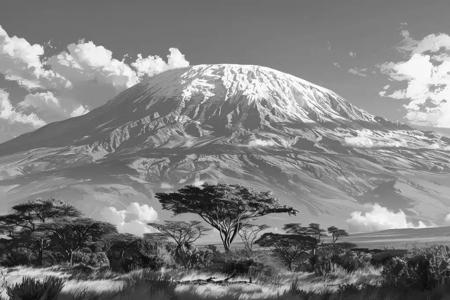
Do you need technical climbing skills to climb Mount Kilimanjaro?

No. Kilimanjaro is considered a non-technical trek, meaning climbers do not need ropes or advanced mountaineering skills. However, good physical fitness, proper preparation, and experienced guides are important for a safe and successful climb.
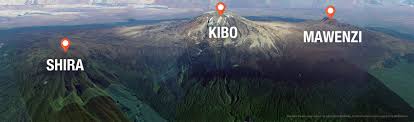
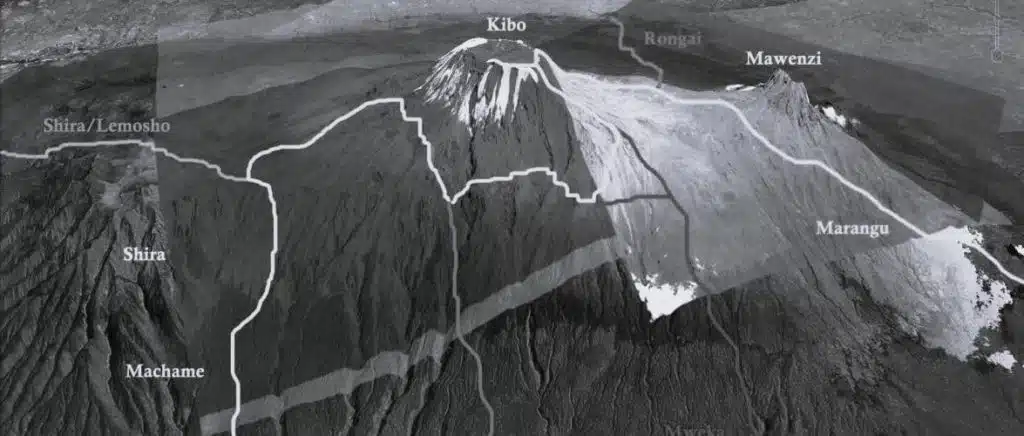
 

Ready to Conquer Kilimanjaro?

Join the many climbers who have reached the Roof of Africa with Kili Quests.
From planning and packing to celebrating your summit — we’re with you every step of the way.


Related Articles