Plan Your Climb Around the Right Weather

 The right season and preparation can make your climb safer, easier, and more successful.

Plan Your Kilimanjaro Climb the Right Way

Weather is only one part of your success , your route, acclimatization, and preparation matter just as much.

OUR CATEGORIES

What You Need to Know About Tanzania: Mountain Weather and Climate | Kili Quests

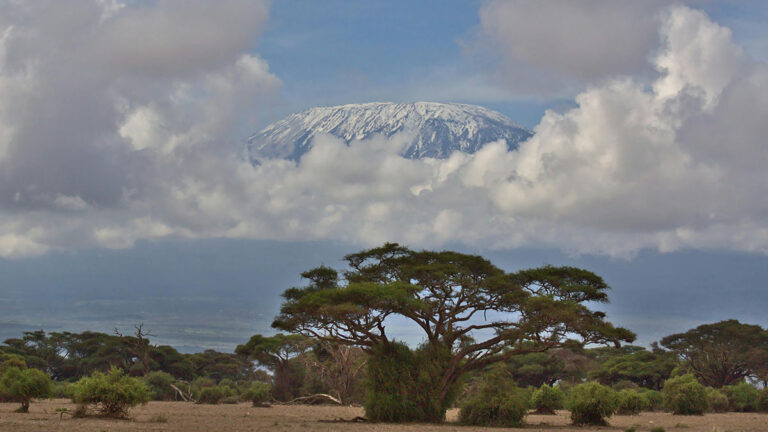
Tanzania’s mountains offer one of the most unique trekking environments in the world , where you can walk through humid rainforest in the morning and reach freezing, arctic conditions just days later.If you’re planning to climb Mount Kilimanjaro or trek Mount Meru, understanding how weather changes with altitude is essential. Conditions on the mountain are not controlled by season alone. Elevation plays an even bigger role, with temperatures dropping rapidly as you climb higher.

Many climbers underestimate how extreme these changes can be. Warm temperatures at the base can quickly turn into freezing winds near the summit, and this shift is one of the reasons many trekkers research how hard Kilimanjaro really is before planning their climb.

Before choosing your dates, it’s important to understand the best time to climb Kilimanjaro, so you can match your trek with the most stable and favorable weather conditions.
Happiness is found between a smile and the next adventure

Tanzania’s Mountain Weather: Seasonal Overview

Tanzania has two main seasons, but mountain weather behaves differently due to altitude and terrain.

Dry Season (June – October)

This is the most popular period for trekking. Trails are generally dry, skies are clearer, and summit conditions are more stable.These months offer the best visibility and more predictable weather, which is why they are considered the best time for climbing , especially for first-time trekkers.

Short Rains (November – December)

Rainfall during this period is lighter and less consistent. Trekking is still possible, and trails are quieter, but lower elevations may be wet and humid.

Long Rains (March – May)

This is the least favorable time for trekking. Heavy rainfall makes trails muddy, slippery, and more physically demanding.Some routes are affected more than others during this season, which is why it’s important to compare Kilimanjaro routes before planning your climb.

Weather by Altitude on Kilimanjaro

Weather on Kilimanjaro changes dramatically as you ascend. Each zone has its own climate, and understanding these differences helps you prepare properly.

Tropical Zone (1,000m – 2,000m)

Temperatures range from 20°C to 30°C, with warm and humid conditions.This zone includes rainforest and farmland, where rain is more common  especially during wet seasons.

Temperate Zone (2,000m – 4,000m)

Temperatures range between 10°C and 20°C during the day, with cooler nights.
This is where most trekking takes place, and conditions are generally comfortable, especially on popular routes like Machame.

Alpine Zone (4,000m – 5,500m)

Conditions become harsher as temperatures drop between -5°C and 10°C. Days can feel hot due to strong sun, while nights become freezing.This is also where altitude begins to affect most climbers, making it important to understand altitude sickness on Kilimanjaro before your trek.

Arctic Zone (Above 5,500m)

This is the summit zone, where temperatures often fall below -10°C.
Strong winds, ice, and low oxygen levels make this the most challenging part of the climb. Proper layering and preparation are essential.Many climbers prepare for this stage by reviewing Kilimanjaro night temperatures, especially for summit night conditions.
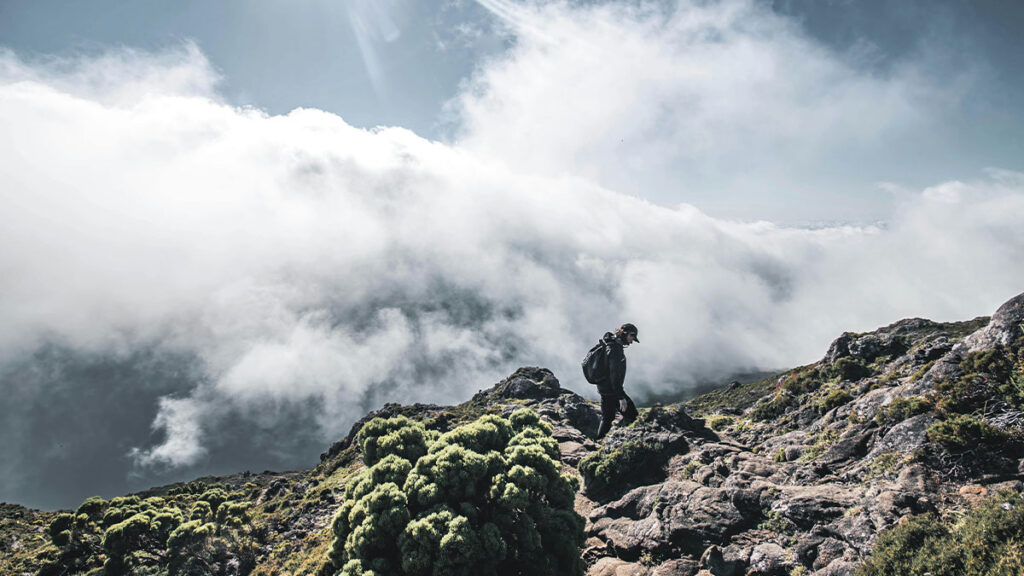
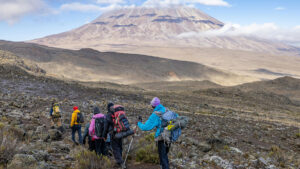
Long strides, cool air, and endless views — moorland magic on the trail.

How Weather Affects Climbing Conditions

Weather plays a major role in how your climb feels and how successful it is.

Trail Conditions

Dry weather creates stable, easy-to-walk trails. Rain makes trails slippery and increases physical effort.

Visibility and Experience

Clear skies offer better views and a more enjoyable trekking experience, while clouds and rain can limit visibility.

Physical Difficulty

Cold, wind, and rain all increase fatigue and make trekking more challenging.
Weather is one of the biggest factors affecting performance, and many climbers underestimate how much it contributes to overall difficulty when thinking about how hard Kilimanjaro really is.

How to Prepare for Mountain Weather in Tanzania

Preparation is essential to handle Kilimanjaro’s changing climate.

Dress in Layers

Layering allows you to adjust to temperature changes throughout the day:
  • Moisture-wicking base layer
  • Insulating mid-layer
  • Waterproof outer layer

Prepare for Summit Cold

Summit night is the coldest part of the trek. You will need:
  • Thermal gloves
  • Insulated socks
  • Down jacket
  • Face protection

Choose the Right Gear

Your gear must handle both rain and freezing temperatures.
 
Using a complete Kilimanjaro packing list helps ensure you are fully prepared for every condition you will face on the mountain.

Protect Against Sun Exposure

At high altitude, UV exposure is stronger. Sunglasses, sunscreen, and a hat are essential.

What Kili Quests Provides for Weather Preparation

 At Kili Quests, we prepare you for all mountain conditions before and during your climb.
  • Wilderness First Responder-trained guides
  • Pre-trek briefings based on real-time weather
  • Flexible itineraries when conditions change
This level of preparation improves safety and increases your chances of reaching the summit successfully.

Frequently Asked Questions

How does weather affect trekking in Tanzania?

Weather in Tanzania can change quickly, especially in mountainous areas. Trekkers may experience warm temperatures at lower elevations and freezing conditions near the summit. Understanding seasonal weather and altitude changes helps climbers prepare properly for their adventure.

How cold does it get on Mount Kilimanjaro?

Temperatures near the summit can drop to −10°C (14°F) or lower, especially during summit night. While lower slopes may feel warm and humid, the upper zones are extremely cold due to high altitude and strong winds.

What is the best season for mountain trekking in Tanzania?

The dry season from June to October is generally considered the best time for trekking because trails are drier and visibility is clearer. Another good period is January to March, when conditions are relatively stable and the skies are often clear.

Why does temperature change so much on Kilimanjaro?

Temperature changes mainly because of altitude differences. As climbers ascend higher on the mountain, the air becomes thinner and colder, causing temperatures to drop significantly between the rainforest base and the arctic summit zone.

What clothing should you bring for mountain weather in Tanzania?

Trekkers should pack layered clothing, including moisture-wicking base layers, warm insulating jackets, and waterproof outer shells. Gloves, thermal socks, and a down jacket are especially important for colder high-altitude conditions.

Can weather change quickly on Mount Kilimanjaro?

Yes. Weather conditions on Kilimanjaro can shift rapidly within a single day. Climbers may experience sunshine, rain, wind, or even snow at higher elevations, which is why proper gear and preparation are essential for a safe trek.

Be Weather-Ready, Be Adventure-Ready

Tanzania’s mountains offer spectacular views, rich ecosystems, and unforgettable summit moments , but only if you’re prepared for the weather.

 Contact us for route advice, weather planning, and expert guidance Come prepared, and summit with confidence

Related Articles