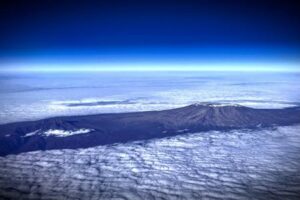
Kilimanjaro Summit Night Essentials: Gear & Packing Tips

Table of Contents

Kilimanjaro Summit Day Gear Guide | Kili Quests

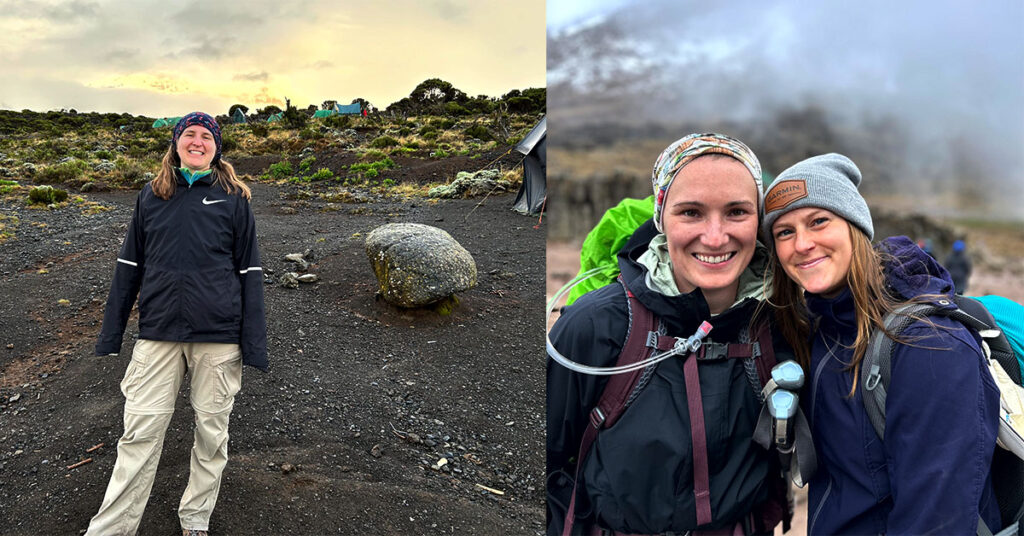
Summit day on Mount Kilimanjaro is the toughest — and most unforgettable — part of your trek. You’ll begin in the dark, trek through freezing conditions, and reach the top of Africa by sunrise. The key to success? Proper gear, pacing, and mental strength.
 
At Kili Quests, we help you prepare every step of the way. This guide covers all essential gear for summit night, including tips to help you stay warm, safe, and focused until you reach Uhuru Peak.
 
Need the full list? Check our Kilimanjaro Packing List to make sure you’re ready from headlamp to hiking boots.
 
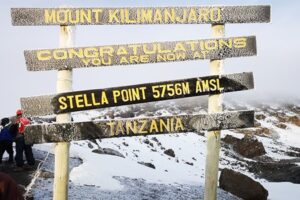
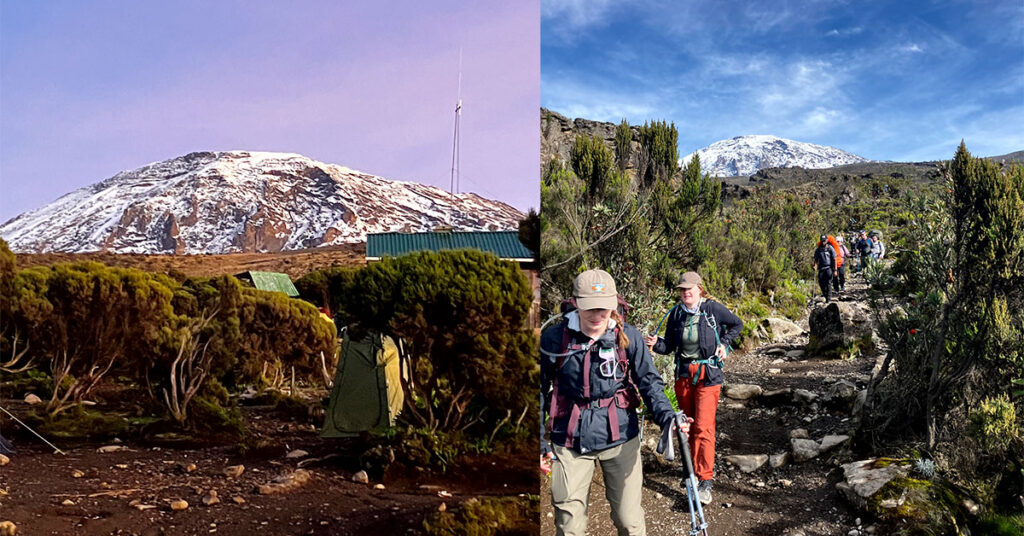
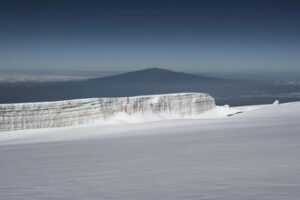
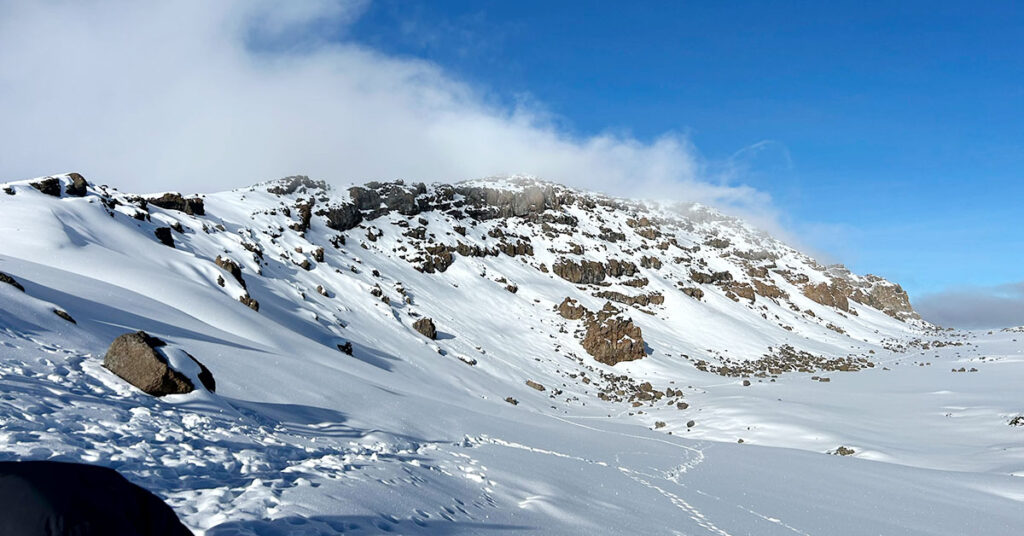
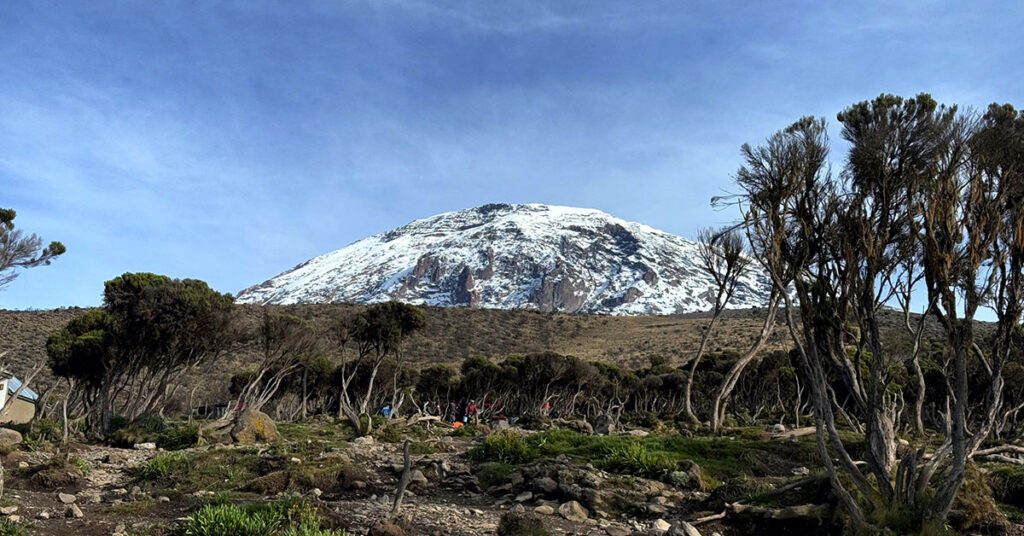
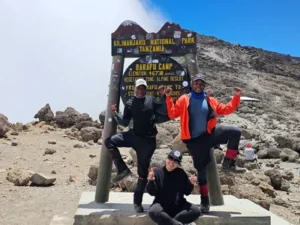
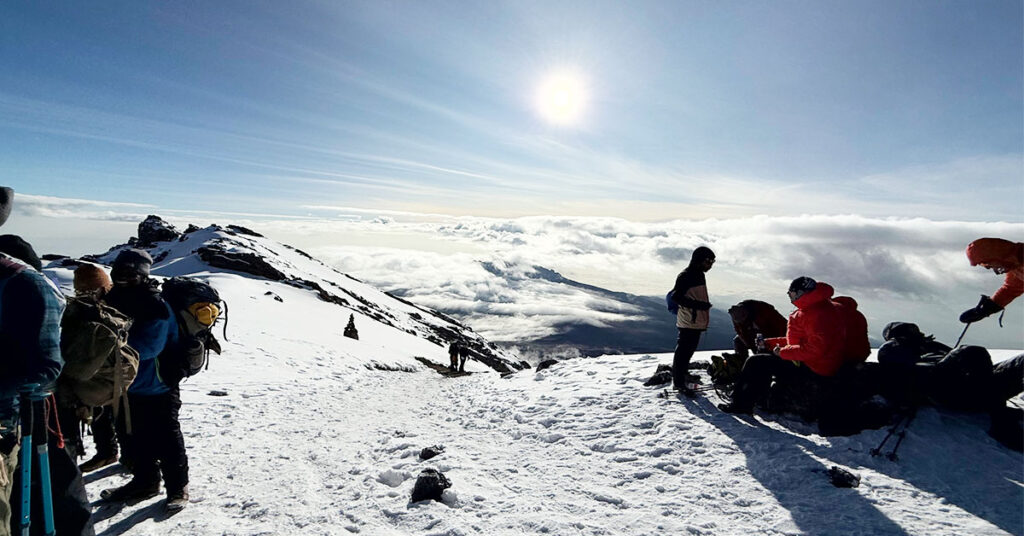
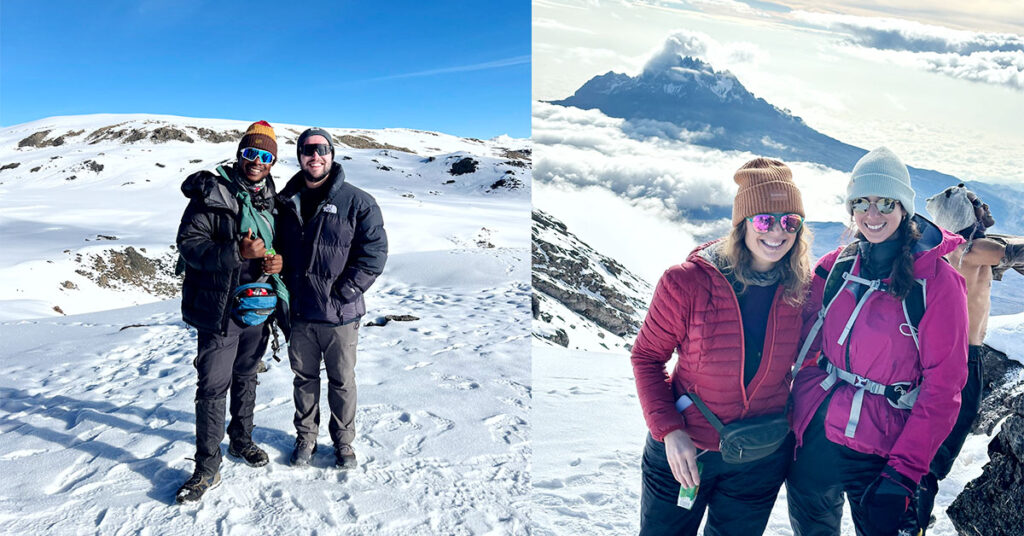
Reached Stella Point — 5,756m above sea level!

 Summit Day Essentials: What to Pack

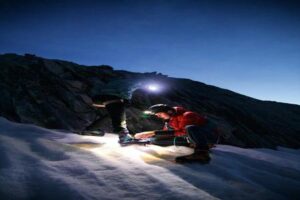
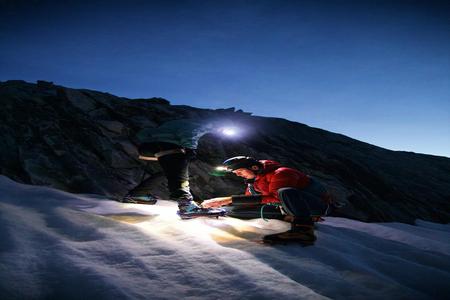
Summit attempts begin around midnight. You’ll need gear that keeps you warm, visible, hydrated, and energized until sunrise.
1. Layered Clothing System
Dress in 3 layers so you can adjust to shifting temperatures:
  • Base Layer: Moisture-wicking top and bottom (synthetic or merino wool)
  • Mid Layer: Fleece or light down jacket
  • Outer Shell: Waterproof, windproof jacket and pants
Accessories:
  • Insulated gloves (preferably waterproof)
  • Warm hat or beanie
  • Neck gaiter or buff
Check out our Night Temperatures Guide — it often drops below freezing on summit night!
2.Proper Footwear

You’ll be walking over rocks, scree, and possibly snow:

  • Waterproof hiking boots (well broken-in)
  • Warm socks (preferably merino wool)
  • Optional gaiters to keep snow or dirt out


3.  Headlamp + Extra Batteries
You’ll be climbing in complete darkness for the first 5–6 hours:
  • Strong headlamp with long battery life
  • Bring spare batteries (cold can drain them faster)
4. Water + Hydration System
Hydration is critical, even in the cold:
  • Water bottles or insulated hydration bladder
  • Electrolyte tablets or powders
  • Prevent freezing: keep bottles upside down or close to your body
5. Sun Protection (Yes, Even at Night)
Sunrise at high altitudes brings intense UV exposure:
  • Sunscreen for your face, neck, ears
  • UV-blocking sunglasses (especially with snow glare)
6. Snacks & Energy Bars
Summit day burns serious calories:
  • Trail mix, granola bars, chocolate, energy chews
  • Easy to grab and digest on the move
Stay fueled — these small snacks can make the difference between turning back and reaching Uhuru Peak.
7. Trekking Poles
Helpful for both the ascent and descent:
  • Lightweight, adjustable poles
  • Great for balance and protecting knees on steep slopes
Arriving at Stella Point — the summit is within reach!

Summit Day Tips for Success

 1. Pace Yourself
  • Don’t rush — summit day is a marathon, not a sprint
  • Take small, slow steps and rest regularly
 2. Stay Positive
  • Break the climb into mental checkpoints (e.g., “just reach Stella Point”)
  • Motivate teammates and visualize the summit

 Mental strength is just as important as physical endurance.

3. Know Your Body
  • Be aware of altitude sickness signs (nausea, headache, dizziness)
  • Tell your guide immediately if you feel unwell

It’s okay to turn back if needed — safety always comes first
 4. Dress in Layers
  • Add or remove layers during breaks
  • Avoid sweating by overdressing — wet clothes will chill you quickly
We recommend the Lemosho or Machame routes for the best acclimatization and summit success rates.

Bonus Tip: Power Up Your Devices

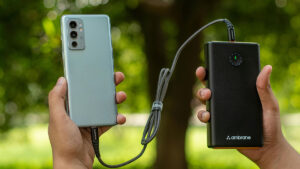
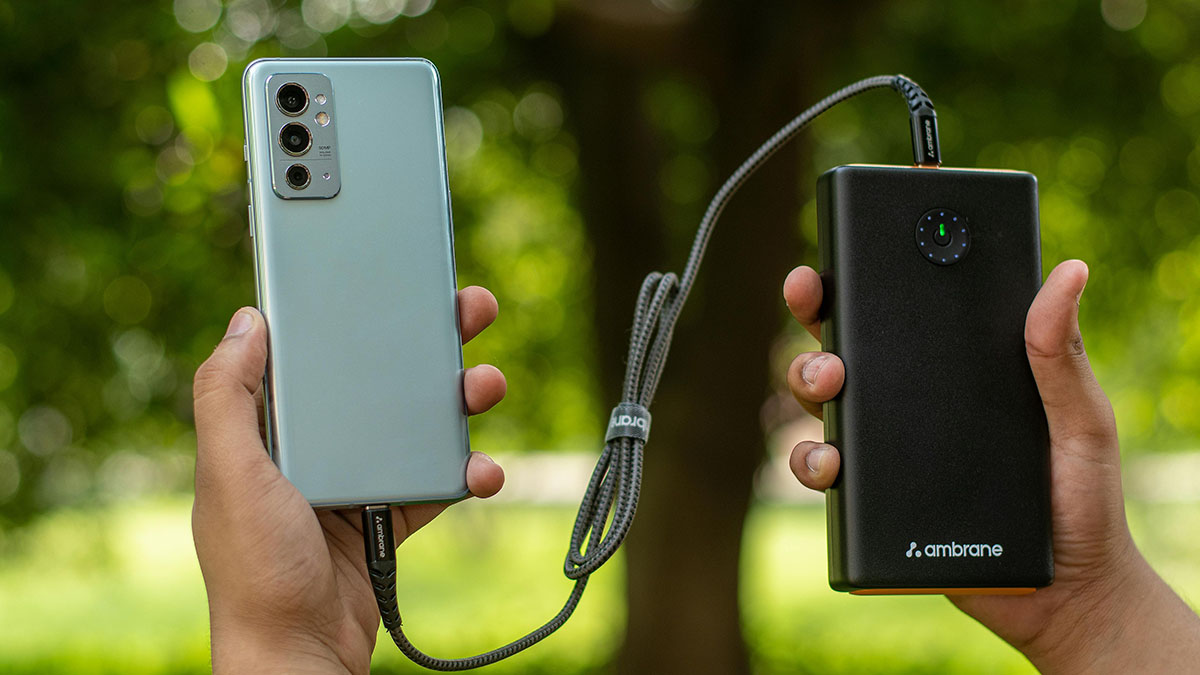
  • Bring a power bank or solar charger
  • Keep electronics insulated from cold

Learn more: Charging Devices on Kilimanjaro

Frequently Asked Questions About Kilimanjaro Summit Day Gear

What should I wear on Kilimanjaro summit day?

On summit night of Mount Kilimanjaro you should wear a layered clothing system to handle freezing temperatures and strong winds. This usually includes a moisture-wicking base layer, an insulating mid-layer such as fleece or down, and a waterproof outer shell. Accessories like insulated gloves, a warm hat, and a neck gaiter are also essential.

How cold does it get on Kilimanjaro summit night?

Temperatures near the summit can drop to –10°C to –15°C (14°F to 5°F) or even colder with wind chill. Climbers heading toward Uhuru Peak often start around midnight, so proper insulation and windproof gear are critical for staying warm.

Do I need a headlamp for the Kilimanjaro summit climb?

Yes. Summit attempts begin in total darkness, usually around midnight. A reliable headlamp with spare batteries is essential for safely navigating rocky trails and scree slopes on the way to points like Stella Point.

What food should you bring for Kilimanjaro summit day?

High-energy, easy-to-eat snacks are best. Many climbers carry items like chocolate, energy bars, trail mix, or energy gels to stay fueled during the long ascent to Uhuru Peak.

Why are trekking poles important on Kilimanjaro summit day?

Trekking poles improve balance and reduce pressure on the knees, especially on steep volcanic scree near the summit. They are particularly helpful during both the climb and descent from the crater rim of Mount Kilimanjaro.

How much water should you drink on Kilimanjaro summit day?

Trekkers should aim to drink 3–4 liters of water per day, including summit day. Even in freezing temperatures, staying hydrated helps your body cope with altitude and maintain energy during the climb.

 Ready for the Top?

Summit day is the ultimate moment of your Kilimanjaro trek. With the right gear and mindset, you’ll be prepared to face the cold, the altitude, and the challenge — and stand proudly on Africa’s highest point.At Kili Quests, we help you gear up, pace smart, and summit strong.
 
Ready to conquer Kilimanjaro? Contact us to plan your trek and get expert advice from our team!

Related Articles

What Food Is Served on Kilimanjaro? Meals & Snacks Guide

Table of Contents

What Food Can You Expect on Mount Kilimanjaro? A Guide to Your Trek Menu | Kili Quests

Climbing Mount Kilimanjaro is a rewarding challenge — and the food you eat along the way plays a critical role in your energy, morale, and success. At Kili Quests, we make sure every meal on the mountain is nutritious, safe, and satisfying, even in high-altitude conditions.


This guide walks you through what to expect from breakfast to dinner, how we prepare meals on the mountain, and how you can stay energized during your Kilimanjaro adventure.


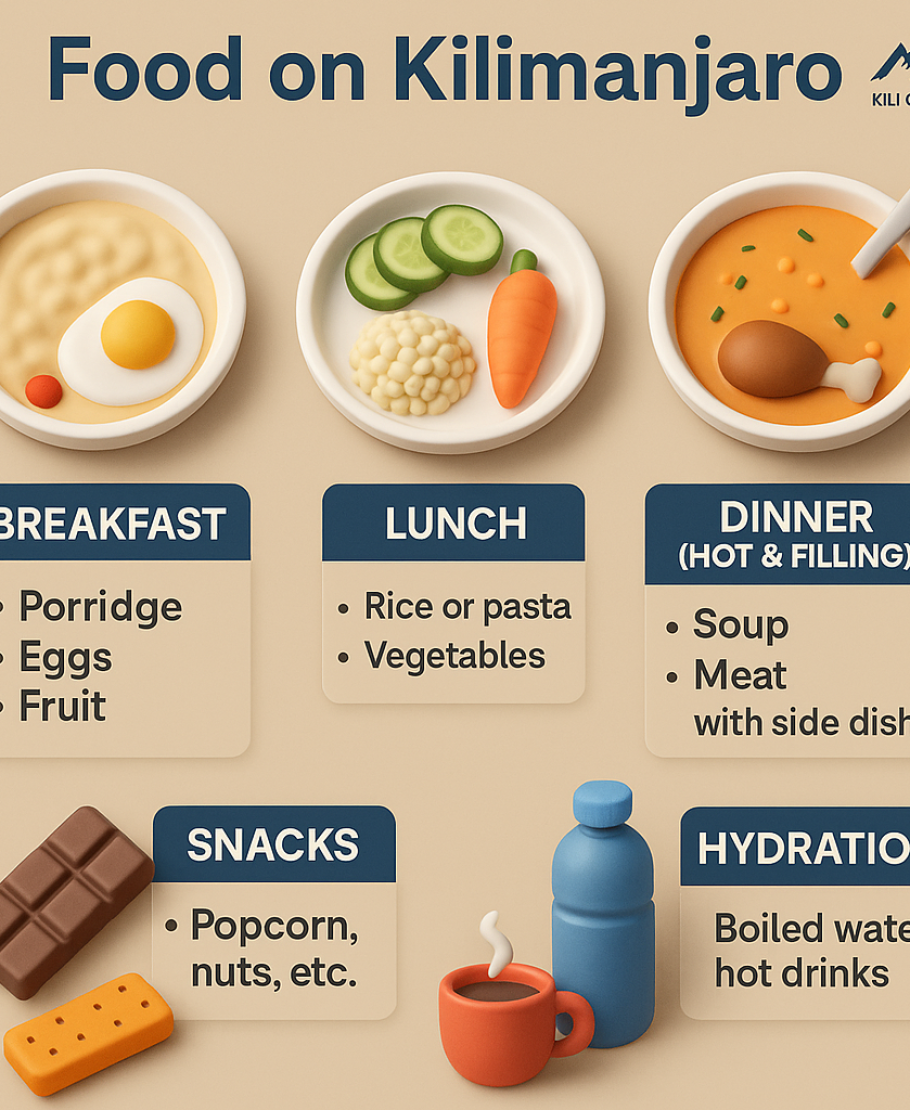
3D infographic showing breakfast, lunch, dinner, and snacks available during Kilimanjaro treks.
Nutritious and filling meals help you stay strong during the climb.

What Kind of Food Is Served on Kilimanjaro?

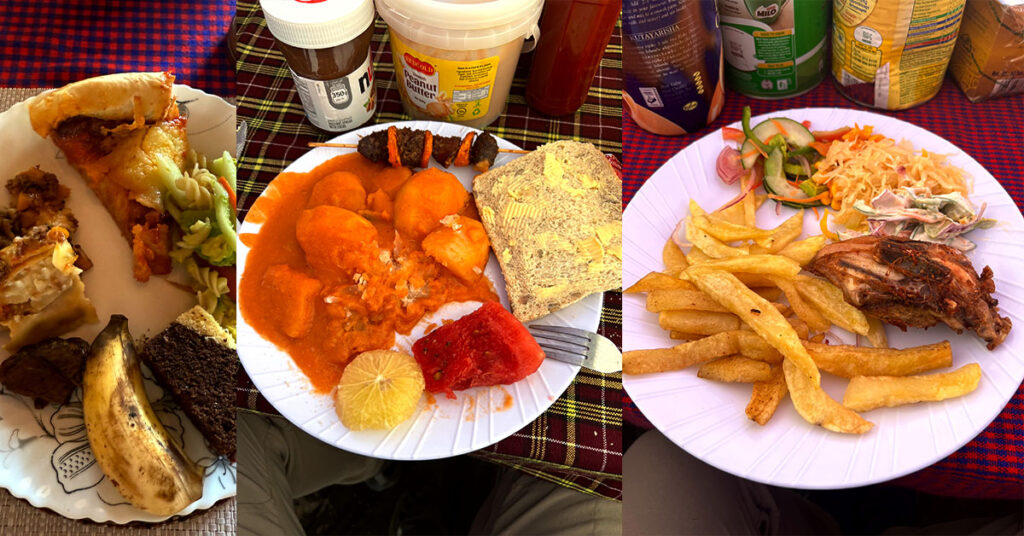
Meals are prepared fresh by a trained cook team in portable kitchens. Here’s a breakdown:
 Breakfast:
  • Start your day with a warm, energy-boosting meal:
  • Porridge (oats, millet, or semolina)
  • Eggs (boiled, scrambled, or fried)
  • Pancakes or French toast
  • Sausages
  • Bread with butter, jam, or honey
  • Fresh fruit (bananas, apples, oranges)
  • Tea, coffee, or hot chocolate
 Lunch:
  • Usually lighter, served mid-day on the trail:
  • Sandwiches (cheese, tuna, chicken, or peanut butter)
  • Rice or pasta with vegetables or protein
  • Fruits and juice
  • Trail snacks (nuts or bars)

 Dinner:

  • Hearty and warm to aid muscle recovery:
  • Soup (carrot, pumpkin, or vegetable)
  • Stews or curry with rice or pasta
  • Grilled chicken or beef
  • Cooked vegetables
  • Occasionally fresh salad
  • Warm drinks (tea, hot cocoa)
Snacks Throughout the Trek
We provide trail snacks to keep your energy levels stable:
  • Energy bars
  • Biscuits and cookies
  • Fresh fruit
 Need a summit checklist? See Summit Day Gear & Nutrition Guide.

How We Prepare Food on the Mountain

Even without modern kitchens, your meals are carefully cooked in a hygienic setup:
  • Mess tent: Your dining area for warm meals and group discussions
  • Cook team: Includes a chef and assistant trained in high-altitude meal prep
  • Fuel source: Cooking is done using gas cylinders (not open fire)
  • Food storage: Ingredients stored in insulated cool bags for freshness
  • Clean water: All water is filtered or treated with purification tablets
Even at high altitude, good food lifts the spirit.

What About Drinking Water?

You’ll be provided with safe, clean drinking water throughout the trek:
  • Collected from mountain streams
  • Purified using filters or tablets
  • Available at all camps for refilling bottles

 Food Tips for High Altitude

At high elevations, your appetite may drop — but eating regularly is vital. That’s why we:
  • Provide high-calorie meals rich in carbs and protein
  • Serve warm comfort food to boost morale
  • Encourage you to eat even if you don’t feel hungry
See Trek Health & Medication Tips to support your digestion and energy levels.

Frequently Asked Questions About Food on Mount Kilimanjaro

What kind of food is served during a Kilimanjaro trek?

During a trek on Mount Kilimanjaro, meals are freshly prepared by mountain cooks and designed to provide energy at high altitude. Typical menus include porridge, eggs, pancakes, rice, pasta, vegetables, soups, chicken or beef dishes, and fresh fruit. Snacks such as energy bars, biscuits, and nuts are also provided during the day.

Is the food safe to eat on Mount Kilimanjaro?

Yes. Reputable trekking companies follow strict hygiene standards when preparing meals on Mount Kilimanjaro. Food is cooked fresh in portable kitchens, and water used for cooking or drinking is filtered or treated with purification tablets.

Can Kilimanjaro trekkers request special dietary meals?

Yes. Most operators can accommodate dietary requirements such as vegetarian, vegan, gluten-free, or allergy-friendly meals. It’s important to inform your trekking company before your trip so the kitchen team can prepare the appropriate ingredients.

How many meals do you eat per day on Kilimanjaro?

Trekkers usually receive three main meals per day — breakfast, lunch, and dinner — plus snacks. Breakfast provides energy for the hike, lunch is lighter during the trek, and dinner is a warm, hearty meal served at camp after a long day on the trail.

What do climbers eat before the Kilimanjaro summit attempt?

Before the midnight summit push toward Uhuru Peak, climbers usually eat a light meal such as porridge, biscuits, or toast with tea or coffee. Energy snacks like chocolate or trail mix are also carried for the ascent.

Is drinking water provided during a Kilimanjaro climb?

Yes. Crew collect water from mountain streams inside Kilimanjaro National Park and purify it using filters or tablets. Trekkers are encouraged to drink 3–4 liters of water per day to stay hydrated and help their bodies adjust to the altitude

 Good Food, Great Adventure

Climbing Kilimanjaro demands energy — and the food we provide at Kili Quests ensures you’re well-nourished, hydrated, and fueled every step of the way. Whether you’re sipping hot soup at base camp or munching trail mix before a summit push, your meals are prepared with care.
 
 Contact Us to start planning your climb — and leave the food logistics to us.

Related Articles

Kilimanjaro Porter Weight Limit: Rules & Responsibilities

Table of Contents

How Much Weight Does a Kilimanjaro Porter Carry? | Kili Quests

When trekking Mount Kilimanjaro, porters play a crucial role in your success. They carry essential gear, set up camps, and help make your journey smoother. But how much do these hardworking individuals carry — and how are they protected?

Let’s explore the weight limits, regulations, and ethical guidelines that ensure porters are treated fairly — and how you, as a trekker, can help.
 
 What Porters Do Behind the Scenes – Explore the daily efforts and responsibilities of your support crew.
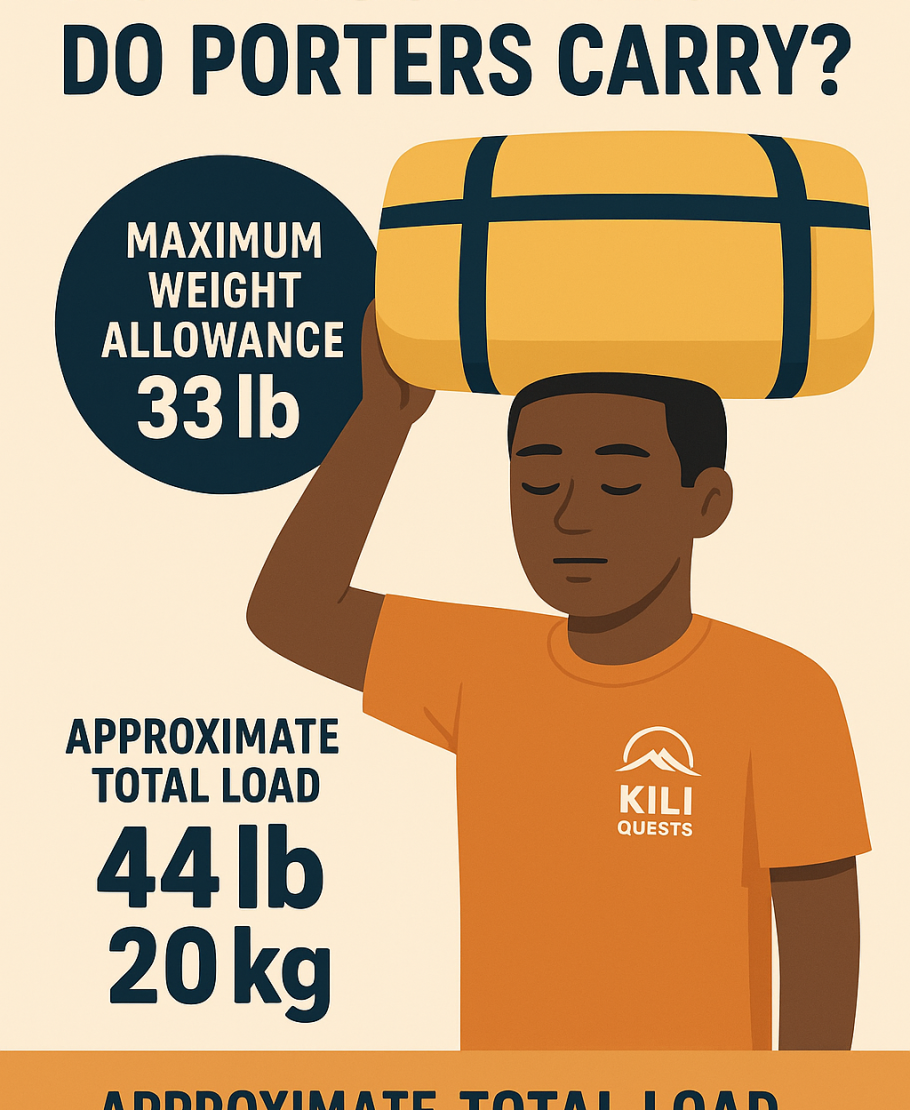
3D infographic of a porter carrying 20 kg client gear and 5–7 kg personal gear on Kilimanjaro.
Each porter carries up to 20 kg of client gear — plus their own essentials.

Kilimanjaro Porter Weight Limit: 15–20 kg

Each Kilimanjaro porter is allowed to carry up to 20 kg (44 lbs) of client gear, as per Kilimanjaro National Park Authority (KINAPA) regulations.
This weight often includes:
  • Trekker’s duffel bag (clothing, sleeping bag)
  • Food supplies
  • Camping equipment
 On average, porters carry 15–20 kg of client gear, plus 5–7 kg of their own belongings.

How the Load Is Divided

Your load is carefully distributed to ensure safety and fairness:
  • You carry: a small daypack (5–7 kg) with water, snacks, jacket, etc.
  • Porters carry: the rest of your gear, shared across the team
  • Group gear (tents, cooking items) is divided among several porters
 

Ethical Porter Guidelines: What KINAPA Requires

Ethical trekking companies like Kili Quests follow strict rules to protect porter welfare:
  • Max weight: 20 kg (client load only)
  • Fair wages: Paid based on load, route, and trek days
  • Proper clothing: Warm jackets, boots, rain protection
  • Meal provisions: Porters are fed daily and sleep in provided tents
  • Breaks and rest: Scheduled rest periods to prevent exhaustion

 Why Weight Limits Matter

Respecting porter weight limits supports:
  •  Porter safety – Reduces risk of injury and strain
  •  Sustainable tourism – Helps maintain fair labor standards
  • Ethical climbing – Ensures your trek aligns with responsible travel practices
 Understand fair compensation with our Kilimanjaro Tipping Guide.
 your climb.

Trekker Tips: Supporting Your Porters

Here’s how you can make the climb easier and more ethical:
  • Pack light: Only bring essentials – extra weight means more load for porters
  • Tip well: Tips make up a large part of a porter’s income
  • Be kind: A simple “thank you” or smile means a lot
  • Report abuse: Only trek with companies that treat their crew with respect
 Kilimanjaro Trekking Rules – Discover the weight regulations and porter welfare policies enforced by the park.
The beauty of walking through land untouched by time.

Frequently Asked Questions

How much weight can a Kilimanjaro porter carry?

According to regulations set by the Kilimanjaro National Park Authority (KINAPA), a porter can carry a maximum of 20 kg (44 lbs) of client gear. In addition to this, porters usually carry 5–7 kg of their own personal items, including clothing and sleeping equipment.

What items do Kilimanjaro porters usually carry?

Kilimanjaro porters typically carry trekkers’ duffel bags, camping equipment, food supplies, cooking gear, and tents. These items are distributed among the porter team to ensure that no individual carries more than the allowed weight.

Do climbers carry any gear themselves on Kilimanjaro?

Yes. Climbers are expected to carry a small daypack weighing about 5–7 kg. This usually contains essentials such as water, snacks, rain gear, sunscreen, camera equipment, and extra clothing needed during the day’s hike.

How many porters are usually assigned to each climber?

The number of porters per climber depends on the route, group size, and amount of equipment. On average, 2 to 3 porters are assigned per trekker to carry personal gear and share group equipment like tents and cooking supplies.

Why are weight limits important for Kilimanjaro porters?

Weight limits help protect porter health and safety by reducing the risk of injury and exhaustion. These rules also support ethical trekking practices and ensure fair working conditions for the support crews on Mount Kilimanjaro.

How can trekkers support porters during a Kilimanjaro climb?

Trekkers can support porters by packing light, choosing ethical tour operators, tipping fairly, and treating the crew with respect. Responsible trekking helps maintain fair labor standards and ensures porters are treated with dignity.

Choose Ethical Trekking with Kili Quests

At Kili Quests, we:
  •  Follow all porter weight limits
  •  Equip our crew with proper gear
  •  Pay fair wages and offer good working conditions
  • Educate our clients about responsible trekking

 Contact Us to plan your Kilimanjaro trek with a company that respects the mountain and its people.Ready for the climb? Let’s reach the summit together—ethically and safely.

Related Articles

Kilimanjaro Gear Rental Guide: What to Rent & Where

Table of Contents

Don’t Have Hiking Gear? Here’s How to Rent Equipment for Your Kilimanjaro Trek | Kili Quests

No gear? No problem. You don’t need to own expensive hiking equipment to climb Mount Kilimanjaro. At Kili Quests, we help trekkers access high-quality rental gear from trusted stores in Moshi and Arusha — and we personally inspect everything before your trek begins.
 
Packing List 2025 – See which essential items you can bring or rent locally in Moshi or Arusha.
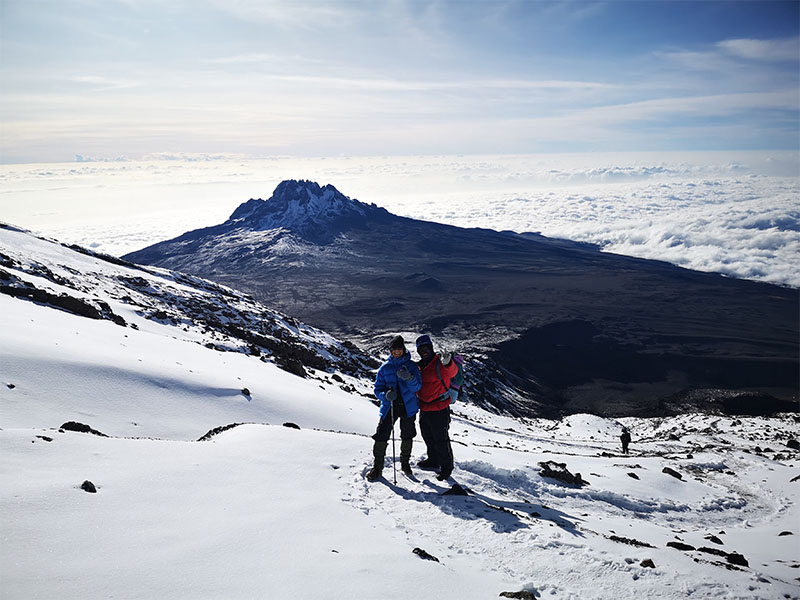
View of Mawenzi Peak rising above the clouds as seen from Stella Point on Mount Kilimanjaro
Nearing Stella Point — a snowy, high-altitude section with sweeping views of Mawenzi and the expansive volcanic landscape below.

Why Renting Gear Is a Smart Choice

Renting hiking gear is ideal if you:
  •  Want to save money – Perfect for one-time climbers
  •  Prefer to travel light – Avoid airline baggage fees
  •  Are new to trekking – Try gear before you invest in your own
 Summit Day Gear Checklist – Don’t risk missing a key item — here’s what you need for summit night.

 What Gear Can You Rent for Kilimanjaro?

How Kili Quests Helps You Rent the Right Gear

You’ll find reliable rental shops in Moshi and Arusha offering well-maintained, trek-tested items:
Clothing
  • Insulated down jackets and warm pants
  • Waterproof outer layers (jackets + trousers)
  • Thermal base layers, gloves, hats, and balaclavas
Sleeping Gear
  • Sleeping bags rated to -15°C or colder
  • Foam or inflatable sleeping mats
 Accessories
  • Trekking poles
  • Headlamps with spare batteries
  • Duffel bags and daypacks
Footwear
  • Trekking boots suitable for all terrains and summit night
  •  Gaiters (available in some shops)
All items are cleaned and inspected regularly to meet Kilimanjaro conditions.
We guide and support you from the moment you land:
We Recommend Reliable Rental Stores
  • We only work with trusted suppliers in Moshi and Arusha — no low-quality gear or price traps.
We Help You Select the Right Gear
  • Not sure what you need? We walk you through the full checklist and help prioritize essentials.
We Inspect Your Gear Before the Climb
  • Before the trek begins, our team double-checks everything — from jacket insulation to sleeping bag warmth.
We Save You Time and Stress
  • We organize the rental process so you can focus on preparing mentally and enjoying the journey.
 

Tips for Renting Gear Like a Pro

  •  Book early – Gear sells out fast during peak seasons
  • Try it on – Check jacket sizes, boot fit, and backpack comfort
  • Inspect everything – Don’t accept damaged or poorly maintained gear
  • Ask questions – Our team is always here to help you get the right fit
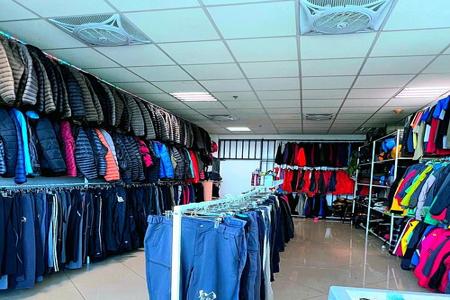
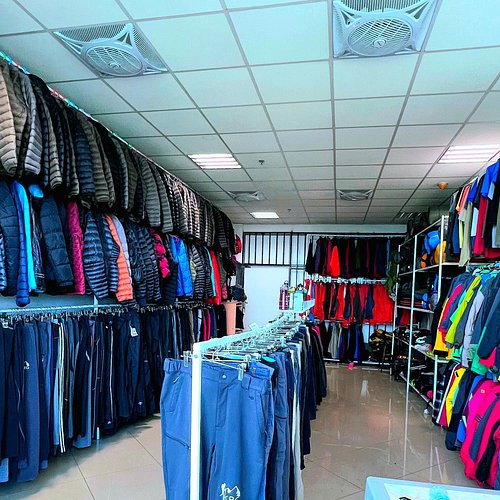
Kilimanjaro trekking gear rental shop with jackets, pants, and hiking clothes neatly displayed on racks
Trekking Gear Rental Shop – Quality clothing and equipment available for your Kilimanjaro adventure.

Frequently Asked Questions About Renting Kilimanjaro Gear

Can I climb Mount Kilimanjaro without owning hiking gear?

Yes. Many trekkers climb Kilimanjaro without owning their own equipment. High-quality gear such as jackets, sleeping bags, trekking poles, and boots can easily be rented from reliable outdoor shops in Moshi and Arusha before your trek begins.

What hiking equipment can I rent for a Kilimanjaro trek?

Trekkers can rent a wide range of gear including insulated jackets, waterproof clothing, thermal layers, sleeping bags, trekking poles, duffel bags, headlamps, and trekking boots. These items are specifically chosen to handle the cold and changing conditions on Kilimanjaro.

Is rented gear warm enough for Kilimanjaro summit night?

Yes. Most reputable rental stores provide high-quality sleeping bags rated to about −15°C and insulated jackets designed for high-altitude conditions. These items help keep trekkers warm during the cold temperatures experienced near the summit.
 

Where can I rent Kilimanjaro trekking gear in Tanzania?

The best places to rent trekking equipment are outdoor gear shops in Moshi and Arusha. These towns are the main gateways for climbers heading to Mount Kilimanjaro and offer well-maintained equipment suitable for mountain conditions.

How much does it cost to rent Kilimanjaro hiking gear?

Rental prices usually start at around $5 per item per trek, depending on the type and quality of the gear. Renting equipment is often more affordable than buying expensive gear for a one-time climb.

When should I arrange my Kilimanjaro gear rental?

It’s best to organize your rental one or two days before the trek begins. This gives you time to check the fit of boots and clothing, inspect the equipment, and make sure you have everything needed for a safe and comfortable climb.

 Your gear is part of your success. A good tour operator ensures everything is ready before you step on the trail. How to Choose a Tour Company – A good operator ensures quality rental gear and proper pre-trek checks.

 You’re One Step Closer to the Summit

Lack of gear should never hold you back from climbing Africa’s tallest mountain.
With Kili Quests, you’ll have easy access to professional rentals, expert pre-checks, and full support — from the ground to the summit.
 
Contact Us to reserve your trek and secure your gear today!

Related Articles

Kilimanjaro Climb Package: Meals, Gear, Guides & More

Table of Contents

Kilimanjaro Climbing Package: What’s Included | Kili Quests

Climbing Mount Kilimanjaro is one of the most rewarding adventures on earth — and at Kili Quests, we take care of all the planning so you can focus on the journey. Our climbing packages are all-inclusive, ensuring your experience is safe, supported, and unforgettable.
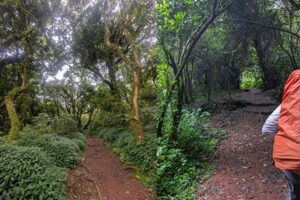
This guide outlines exactly what’s included (and what’s not) in your Kilimanjaro climb package, so you can prepare with confidence.
 
Food on Kilimanjaro – Get an overview of the meals, snacks, and dietary options included in your trek.
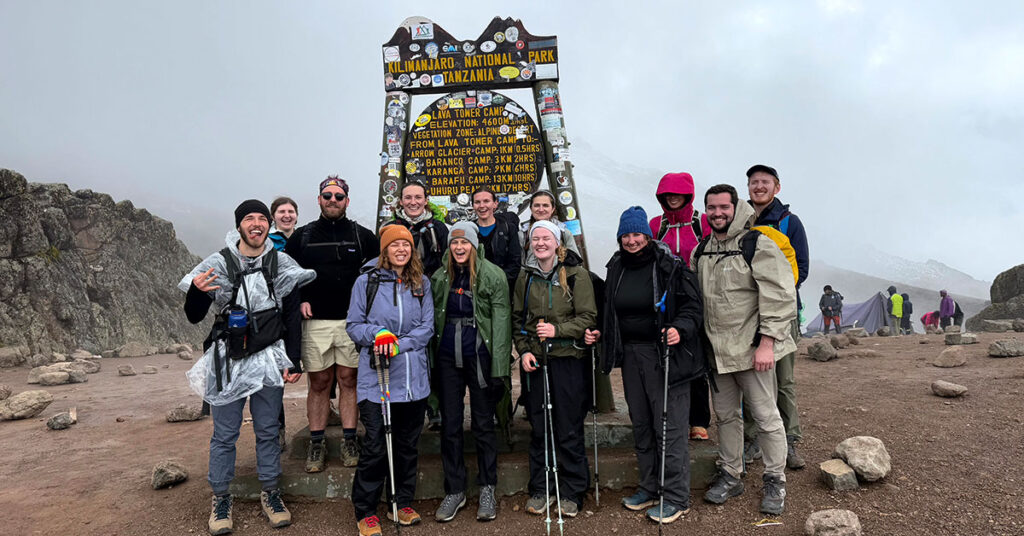
Welcome to Lava Tower, a key acclimatization point on Kilimanjaro

What’s Included in Our Kilimanjaro Climbing Package

1. Transportation
  • Airport Transfers: Pick-up from Kilimanjaro International Airport (JRO), Moshi, or Arusha
  • Return Transfers: Drop-off at your hotel or back to the airport after your trek
  • Gate Transfers: Round-trip transport to the Kilimanjaro National Park gate
 2.Permits & Park Fees
  • All Park Fees: Entry, camping, and rescue fees included
  • Environmental & Conservation Charges: Covered in full
3.Professional Guides & Support Staff
  • Lead Guides: Certified, English-speaking, Wilderness First Responder (WFR) trained
  • Assistant Guides & Porters: 1 assistant per 2 climbers; porters carry gear, tents, and supplies
  • Cooks & Crew: Prepare fresh meals and support camp setup/breakdown
4. Accommodation
  • 2 Nights Hotel Stay: One night before and one after the trek (breakfast included)
  • Mountain Camps: High-quality tents, sleeping mats, mess tents, and full camp setup provided
5.Meals & Hydration
  • 3 Fresh Meals Daily on the Mountain: Hot breakfasts, packed or cooked lunches, and hearty dinners
  • Clean Drinking Water: Treated and replenished daily
  • Dietary Requests: Vegetarian, vegan, gluten-free, and other options available if notified in advance
 6.Camping & Climbing Equipment
Provided Equipment:
  • Sleeping mats
  • Dining tent with tables/chairs
  • Cooking tent and gas stoves
  • Cutlery and dining supplies
  • Solar lamps
Portable Toilet: Private flush toilet provided at every camp
Step by step across the land that knows no boundaries.
8. Wages & Ethical Treatment
  • Fair Staff Wages: Porters, guides, and cooks are paid above the minimum set by TANAPA
  • Porter Welfare: Ethical porter treatment and weight limits respecte

What’s Not Included in the Package

 1. Personal Gear
  • Not Included: Sleeping bags, hiking boots, trekking poles, thermal wear, gloves, backpacks
  • Available for rent in Moshi or Arusha

Gear Rentals Guide – See which items we supply and what’s available for rent.

2. Tips & Gratuities
  • Tips for guides, porters, and cooks are not included
  • Recommended tipping guide available below
3. Flights & Transport from Other Cities
  • International or regional flights to JRO or Arusha are not included
  • Overland transfers from Nairobi or other regions are also not included
4.Tanzania Visa
  • Visa costs and application must be arranged separately by the traveler

Apply online or learn more: Tanzania Visa Guide.
 5.Travel Insurance
Not included, but highly recommended
Insurance should cover:
  • Medical emergencies
  • Altitude sickness
  • Trip interruption
  • Emergency evacuation

Climb with Experts – We’re a local team with years of experience — meet the guides and crew behind your climb.

Helicopter flying over Mount Kilimanjaro during an emergency evacuation
Your safety is our top priority—evacuation support available if needed.
6.Additional Hotel Nights
  • Extra nights beyond the two included (pre/post-trek) must be arranged separately

Why Choose Kili Quests?

From high-altitude safety to camp comfort, we think of everything:
  • Fair and transparent pricing
  • Local ownership and ethical practices
  • Seamless logistics from airport to summit
  • Personal attention before, during, and after your trek

Want a route recommendation? Try the Lemosho Route for stunning scenery and top success rates.

Frequently Asked Questions

What is included in a Kilimanjaro climbing package?

Most Kilimanjaro climbing packages include airport transfers, park permits, professional guides and porters, accommodation before and after the trek, mountain camping equipment, meals during the climb, and transportation to and from the park gate. These services ensure climbers are fully supported throughout the journey.

Are park fees included in Kilimanjaro climbing packages?

Yes. Most tour operators include all required park fees set by Tanzania National Parks Authority (TANAPA). These fees cover park entry, camping permits, rescue fees, and conservation charges required to climb Mount Kilimanjaro.

Do Kilimanjaro packages include guides and porters?

Yes. A professional support team is included in most packages. This usually consists of certified mountain guides, assistant guides, cooks, and porters who carry gear, prepare meals, and help set up camp during the trek.

Are meals provided during the Kilimanjaro climb?

Yes. Trekkers usually receive three freshly prepared meals per day on the mountain, including breakfast, lunch, and dinner. Drinking water is also provided daily, and many companies can accommodate dietary needs such as vegetarian or vegan meals.

What personal items are not included in a Kilimanjaro climbing package?

Personal trekking gear such as sleeping bags, hiking boots, trekking poles, thermal clothing, gloves, and backpacks are usually not included. However, these items can often be rented locally in Moshi or Arusha before the trek begins.

Do Kilimanjaro packages include flights and travel insurance?

No. International flights, visas, and travel insurance are typically not included in climbing packages. Climbers are responsible for arranging their own flights to Kilimanjaro International Airport (JRO) and purchasing travel insurance that covers trekking at high altitude.

 Ready to Climb?

Let us handle the logistics so you can focus on the experience.
Contact Kili Quests today to start planning your Kilimanjaro adventure.

Related Articles

Mount Kilimanjaro Guide: Facts, Location & Overview

Mount Kilimanjaro, Africa’s highest peak, stands tall at 5,895 meters (19,341 feet) above sea level. Located in northern Tanzania, this iconic free-standing volcano draws thousands of trekkers each year. Whether you’re planning your first summit or comparing routes, this comprehensive guide covers everything you need to know—from choosing the best route to preparing for altitude and understanding what to expect on the mountain.

Read More »

10 Facts About Mount Kilimanjaro You Should Know

Table of Contents

10 Must-Know Facts About Mount Kilimanjaro | Kili Quests

Mount Kilimanjaro isn’t just Africa’s tallest mountain — it’s a natural icon, a bucket-list trek, and a spiritual landmark. Rising to 5,895 meters (19,341 feet), Kilimanjaro draws over 35,000 climbers each year, all hoping to stand on the Roof of Africa.

Before your trek, get inspired and informed with these 10 fascinating facts every climber should know. At Kili Quests, we’re here to guide your journey from the first step to the summit.
 
What Is Mount Kilimanjaro? Full Guide – Start with an overview of Kilimanjaro’s geography, history, and significance.
Kili -3
Standing tall at 5,895 meters—Kilimanjaro never fails to inspire

 Kilimanjaro Is a Free-Standing Mountain

Unlike most high peaks that form part of a mountain range, Mount Kilimanjaro stands completely alone, rising from the plains of Tanzania. Its massive height and isolated location make it visible from more than 100 kilometers away.
 
UNESCO World Wonder Article – Learn why Kilimanjaro is a natural icon and its global heritage value.

 It Has Three Volcanic Cones

Kilimanjaro is made up of three ancient volcanic cones:
  • Kibo – the tallest and home to Uhuru Peak
  • Mawenzi – sharp, rugged, and dramatic
  • Shira – the oldest and mostly eroded
All are dormant, but the mountain’s volcanic past shapes its dramatic landscape.
 
Three Volcanic Cones – Understand Kilimanjaro’s unique structure: Kibo, Mawenzi, and Shira.

It’s One of the World’s Most Popular Treks

Kilimanjaro is considered the world’s highest non-technical climb — no ropes or climbing gear needed. Multiple trekking routes allow people of different fitness levels to attempt the summit with proper guidance.

The Ecosystems Are Remarkably Diverse

As you ascend the mountain, you’ll pass through five distinct climate zones, from tropical rainforest to alpine desert and arctic summit. This variety supports unique flora and fauna not found elsewhere.
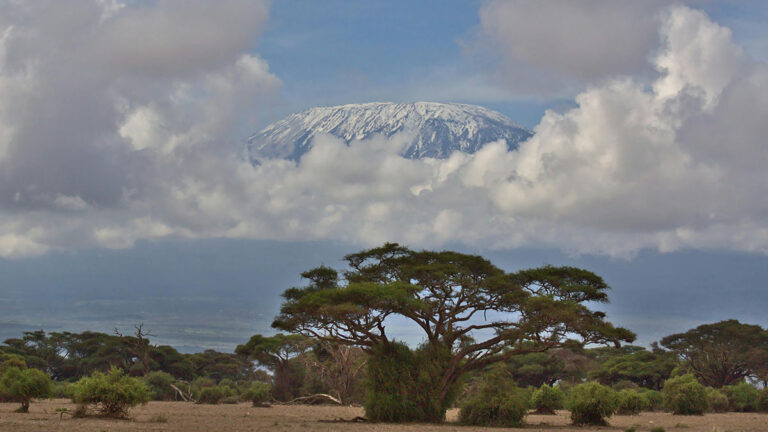
 

First Summit Was in 1889

The first recorded ascent of Kilimanjaro was by Hans Meyer and local guide Lauwo in 1889. Today, thousands follow in their footsteps — guided by experts like our team at Kili Quests.
 

Kilimanjaro Still Has Snow — But It’s Disappearing

The summit of Kilimanjaro is famously snow-capped, but its glaciers are melting due to climate change. Scientists estimate the ice could disappear entirely within the next few decades.
A magical moment at Stella—snow underfoot, views all around

The Name “Kilimanjaro” Has Multiple Origins

The name is thought to come from Swahili and Chagga roots:
“Kilimani” = mountain
“Njaro” = light, whiteness, or greatness
It’s also been linked to old Arabic expressions for “mountain of greatness.”
 

Best Time to Climb? Stick to Dry Seasons

The most favorable trekking months are:
  • January to March (clearer summit views)
  • June to October (cooler, drier weather)

Avoid April and May due to long rains — trails become muddy and slippery.

Plan smart: Best Time to Climb Kilimanjaro.

 It’s a UNESCO World Heritage Site

Kilimanjaro was designated a UNESCO World Heritage Site in 1987 due to its ecological importance, biodiversity, and global cultural value. Your trek helps support its preservation.
 
Read more about  UNESCO & Heritage site 
Following the path to Kilimanjaro’s towering peak.

Over 35,000 People Attempt the Summit Each Year

Every year, tens of thousands attempt the climb — but only 60–70% reach the summit. Success depends on:
  • Choosing the right route
  • Acclimatizing properly
  • Preparing mentally and physically
Increase your chances: Training Guide.

 Ready to Start Your Kilimanjaro Journey?

Mount Kilimanjaro is more than just a mountain — it’s an experience that combines nature, challenge, and personal triumph. Whether you’re an experienced hiker or a first-timer, Kili Quests is here to make your trek safe, successful, and unforgettable.
 

Frequently Asked Questions

How high is Mount Kilimanjaro?

Mount Kilimanjaro rises to 5,895 meters (19,341 feet) above sea level. Its highest point is Uhuru Peak, located on the Kibo volcanic cone, making it the tallest mountain in Africa and the highest free-standing mountain in the world.

Do you need technical climbing skills to climb Mount Kilimanjaro?

No. Kilimanjaro is considered a non-technical trek, meaning climbers do not need ropes, ice axes, or advanced mountaineering skills. However, good physical fitness, proper acclimatization, and guidance from experienced mountain guides are essential for a safe climb.

How long does it take to climb Mount Kilimanjaro?

Most Kilimanjaro treks take 5 to 9 days, depending on the route chosen. Longer routes allow better acclimatization to the altitude, which increases the chances of successfully reaching the summit.

What is the best time to climb Mount Kilimanjaro?

The best time to climb Kilimanjaro is during the dry seasons from January to March and June to October. These months generally offer clearer skies, less rain, and better trekking conditions on the mountain.

What are the three volcanic cones of Kilimanjaro?

Kilimanjaro is made up of three volcanic cones: Kibo, Mawenzi, and Shira. Kibo is the tallest and contains Uhuru Peak, while Mawenzi is rugged and dramatic, and Shira is the oldest and most eroded cone.

How many people climb Kilimanjaro each year?

More than 35,000 climbers attempt Mount Kilimanjaro each year. Success rates vary depending on the route and preparation, but with proper acclimatization and support from experienced guides, many trekkers successfully reach the summit

Book with Kili Quests Today

 Your Kilimanjaro adventure starts here.
 Contact us to plan your route, gear, and trekking dates — we’ll take care of the rest.

Related Articles

Mount Kilimanjaro Weather Guide: Climate & Trekking Tips

Table of Contents

What You Need to Know About Tanzania: Mountain Weather and Climate | Kili Quests

Tanzania is a land of contrasts — from lush lowland rainforests to the frozen summit of Mount Kilimanjaro. If you’re planning a trek with Kili Quests, understanding mountain weather is essential to prepare properly for your adventure.

Whether you’re climbing Kilimanjaro, exploring Mount Meru, or trekking through national parks, this guide explains how Tanzania’s weather changes with elevation and season, so you’re never caught off guard.
 
Best Time to Climb Kilimanjaro – Match your climb to the driest and most scenic season for a safer summit.
Happiness is found between a smile and the next adventure

Tanzania’s Mountain Weather: Seasonal Overview

Tanzania has two primary weather seasons:
  •  Wet Season: March to May (long rains)
  •  Dry Season: June to October (ideal for trekking)
  • Short Rains: November to early December — lighter, less frequent rain
However, mountain weather also depends heavily on altitude, not just the season. Temperatures can drop quickly as you ascend, and sudden changes in wind, cloud cover, or rain are common.
 
Safari Timing Article – Weather affects both trekking and safari plans — combine them wisely.

Weather by Altitude: What to Expect on Kilimanjaro and Beyond

1.Tropical Zone (1,000m – 2,000m)
  • Temperature: 20°C – 30°C (68°F – 86°F)
  • Weather: Warm and humid; lush rainforest and grasslands
  • Expect: Rain showers during wet season, clear skies in dry months
2. Temperate Zone (2,000m – 4,000m)
  • Temperature: 10°C – 20°C (50°F – 68°F), colder at night
  • Weather: Cooler, with alpine vegetation
  • Expect: Clearer views, moderate temperatures — especially on the Machame Route

3. Alpine Zone (4,000m – 5,500m)
  • Temperature: -5°C to 10°C (23°F – 50°F)
  • Weather: Thin air, strong sun during the day, freezing nights
  • Expect: Harsh winds and snow above 4,500m — prepare for summit day
4. Arctic Zone (Above 5,500m)
  • Temperature: -10°C or lower (14°F and below)
  • Weather: Ice, snow, and biting wind at the summit
  • Expect: Extreme cold and low oxygen — layering and acclimatization are key
Night Temperatures – Prepare for freezing nights above 3,000 meters with the right gear.

How Seasons Affect Climbing Conditions

 Dry Season (June – October)
  • Best time to climb Mount Kilimanjaro
  • Trails are dry, views are spectacular
  • High season: expect more climbers

Short Rains (November – December)
  • Trekking is still possible with lighter rain
  • Quieter trails, but occasional showers at lower levels
 Long Rains (March – May)
  • Not ideal for trekking
  • Trails can be slippery or muddy
  • Routes like Machame may close due to poor conditions
Ecological Zones – Each zone has its own weather patterns — see how the climate shifts as you ascend.
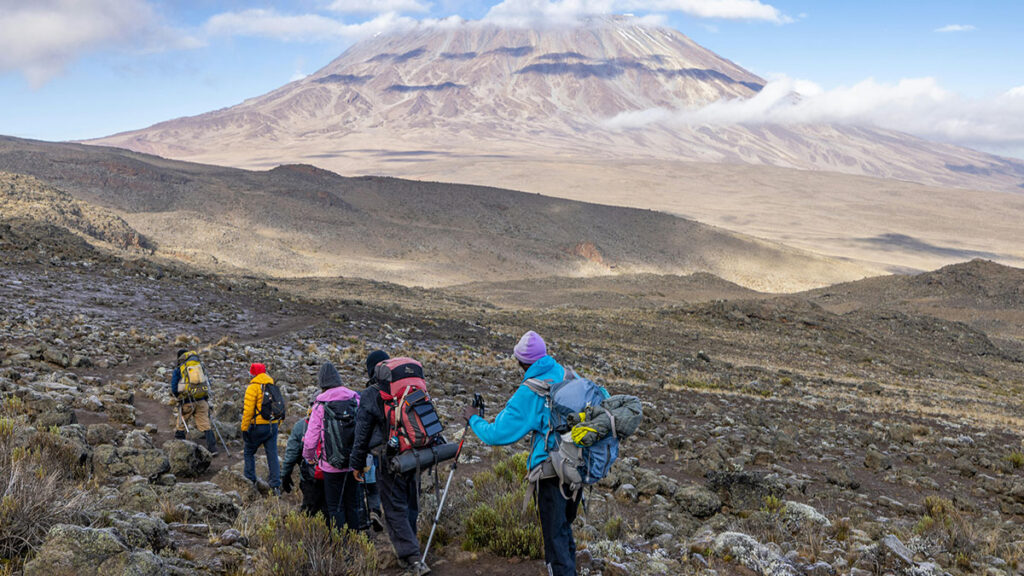
Long strides, cool air, and endless views — moorland magic on the trail.

How to Prepare for Mountain Weather in Tanzania

 No matter the route or season, weather on Kilimanjaro and other Tanzanian peaks requires serious preparation:
Dress in Layers:
  • Moisture-wicking base layers
  • Insulating mid-layers
  • Waterproof outer layers
Thermal Gear for Summit:
  • Gloves, thermal socks, balaclava, and down jacket for arctic zone
Footwear:
  • Waterproof, broken-in hiking boots with good grip
Sun Protection:
  • Sunglasses, sunscreen, and sun hat for alpine exposure
 Emergency Preparedness:
  • First aid kit, rain cover, and extra thermal gear

What Kili Quests Offers

At Kili Quests, your safety and success are our top priorities. We ensure you’re fully prepared for all mountain weather conditions with:
  • Wilderness First Responder-trained guides
  • Pre-trek briefings based on seasonal weather updates
  • Flexible itineraries in case of shifting weather patterns

Frequently Asked Questions

How does weather affect trekking in Tanzania?

Weather in Tanzania can change quickly, especially in mountainous areas. Trekkers may experience warm temperatures at lower elevations and freezing conditions near the summit. Understanding seasonal weather and altitude changes helps climbers prepare properly for their adventure.

How cold does it get on Mount Kilimanjaro?

Temperatures near the summit can drop to −10°C (14°F) or lower, especially during summit night. While lower slopes may feel warm and humid, the upper zones are extremely cold due to high altitude and strong winds.

What is the best season for mountain trekking in Tanzania?

The dry season from June to October is generally considered the best time for trekking because trails are drier and visibility is clearer. Another good period is January to March, when conditions are relatively stable and the skies are often clear.

Why does temperature change so much on Kilimanjaro?

Temperature changes mainly because of altitude differences. As climbers ascend higher on the mountain, the air becomes thinner and colder, causing temperatures to drop significantly between the rainforest base and the arctic summit zone.

What clothing should you bring for mountain weather in Tanzania?

Trekkers should pack layered clothing, including moisture-wicking base layers, warm insulating jackets, and waterproof outer shells. Gloves, thermal socks, and a down jacket are especially important for colder high-altitude conditions.

Can weather change quickly on Mount Kilimanjaro?

Yes. Weather conditions on Kilimanjaro can shift rapidly within a single day. Climbers may experience sunshine, rain, wind, or even snow at higher elevations, which is why proper gear and preparation are essential for a safe trek.

Be Weather-Ready, Be Adventure-Ready

Tanzania’s mountains offer spectacular views, rich ecosystems, and unforgettable summit moments — but only if you’re prepared for the weather.

Book your adventure today with Kili Quests Contact us for route advice, weather planning, and expert guidance Come prepared, and summit with confidence

Related Articles

Mount Kilimanjaro Guide: Facts, Location & Overview

What Is Mount Kilimanjaro? The Ultimate Guide | Kili Quests

Mount Kilimanjaro—Africa’s tallest and most iconic peak
Mount Kilimanjaro is Africa’s tallest and most iconic peak — and a dream destination for trekkers worldwide. Standing at 5,895 meters (19,341 feet), it is not only the highest mountain in Africa but also the tallest free-standing mountain in the world.

At Kili Quests, we help adventurers like you climb to the top — safely, confidently, and with unforgettable memories.

This guide covers everything you need to know about Kilimanjaro, from its volcanic geography and trekking routes to history, ecosystems, and how to prepare for your climb.
 
 
10 Must-Know Facts About Kilimanjaro – Discover quick facts that every trekker should know before climbing.

Table of Contents

Geography & Volcanic Features of Mount Kilimanjaro

Located in northeastern Tanzania, near the Kenya border, Kilimanjaro is a massive dormant volcano made up of three cones:
  • Kibo: The tallest and home to Uhuru Peak
  • Mawenzi: Rugged and rarely climbed
  • Shira: The oldest and eroded cone
As you ascend, you’ll pass through five unique ecological zones, from lush rainforest to arctic summit — each with different views, temperatures, and wildlife.
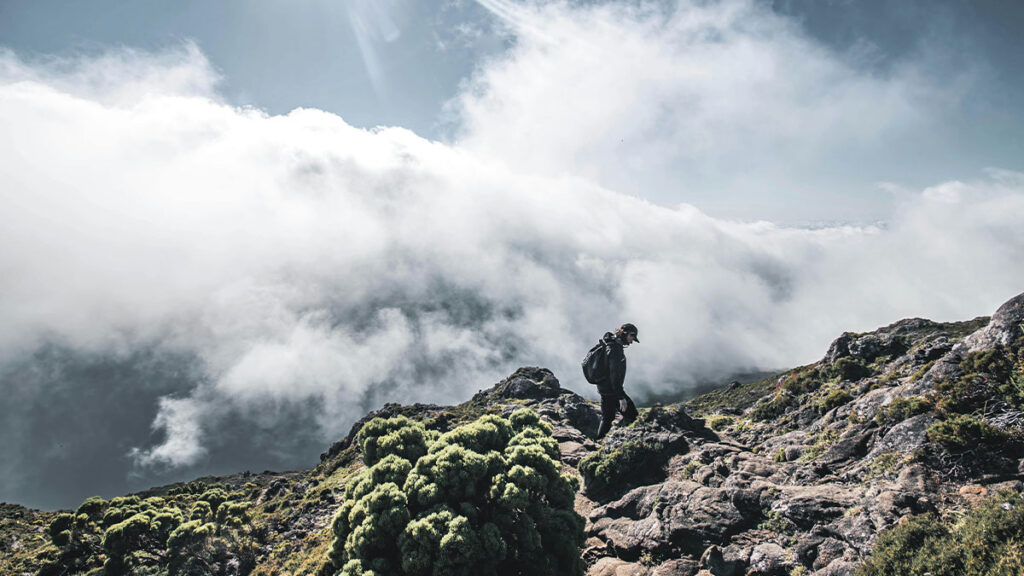
 
UNESCO World Wonder Article – Explore Kilimanjaro’s global recognition and cultural importance.

History & Cultural Significance

Kilimanjaro has deep meaning for the Chagga people, who live around its base. The mountain is considered sacred, with myths of spirits and ancestral guardians.
  • First summit: Hans Meyer (Germany), 1889
  • Current spiritual value: Chagga and Pare tribes still perform rituals in sacred areas
  • Global importance: Kilimanjaro is a UNESCO World Heritage Site

Why Kilimanjaro Is Called ‘Kilimanjaro’ – Uncover the origin and meaning behind the mountain’s mysterious name.

The final push—climbing toward the Roof of Africa

Trekking Routes to the Summit

There are 7 main routes to Uhuru Peak — each with its own difficulty, scenery, and success rate. Kili Quests offers guided treks on all routes.
 
Popular Routes We Offer:
  • Machame Route: “Whiskey route” — scenic and popular
  • Marangu Route: “Coca-Cola route” — huts instead of tents
  • Lemosho Route: Gradual, quiet, and great for acclimatization
  • Rongai Route: Drier, remote trail from the north
  • Northern Circuit: Longest and best for acclimatization
  • Shira Route: High starting point, scenic but challenging
  • Umbwe Route: Steepest, for experienced trekkers only
Heading toward greatness—Mount Kilimanjaro awaits.

Challenges of Climbing Mount Kilimanjaro

While Kilimanjaro isn’t technical (no ropes or climbing gear), it’s still a tough trek — mainly due to altitude and temperature shifts.
 
Common Challenges:
  • Altitude sickness – risk starts above 3,000m
  • Summit night cold – temperatures drop to -10°C or lower
  • Fatigue – long trekking days require stamina
Understand how to adapt: Altitude Sickness on Kilimanjaro

How to Prepare for a Kilimanjaro Climb

 Preparation is key — here’s how to get ready:
 
Fitness & Training
  • Walk or hike regularly
  • Practice with a daypack on uneven terrain
  • Train at higher elevations if possible

Gear & Clothing
  • Layered clothing system
  • Waterproof hiking boots
  • Daypack, headlamp, thermal wear
Morning views from Millennium Camp—Kilimanjaro standing proud.

 Wildlife & Ecosystems

Kilimanjaro’s five zones are home to diverse plant and animal life:
  • Rainforest zone: Blue monkeys, colobus monkeys, bushbucks
  • Moorland: Giant groundsels, lobelias
  • Alpine desert: Hardy shrubs and unique high-altitude flowers
  • Birds: White-necked ravens, eagles, sunbirds

Ecological Zones – Learn how Kilimanjaro’s unique climates change from rainforest to arctic summit.

Safety & Support

At Kili Quests, your safety is our top priority.
Our Safety Measures:
  • WFR-certified guides
  • Pulse oximeters & oxygen available
  • Emergency evacuation protocols
  • Porter support for carrying gear
  • Route flexibility in case of illness or weather

 Why Climb with Kili Quests?

We’re not just guides — we’re locals, mountain professionals, and passionate adventurers. When you climb with Kili Quests, you get:
  • Expert route advice
  • Small group or private trek options
  • Full preparation support
  • Transparent pricing and ethics
  • Cultural insights and Chagga heritage storytelling

Frequently Asked Questions

Where is Mount Kilimanjaro located?

Mount Kilimanjaro is located in northeastern Tanzania, near the border with Kenya. The mountain rises dramatically from the surrounding plains and is visible from many parts of northern Tanzania.

How high is Mount Kilimanjaro?

Mount Kilimanjaro stands at 5,895 meters (19,341 feet) above sea level. Its highest point is Uhuru Peak, located on the Kibo volcanic cone, making it the tallest mountain in Africa.

Is Mount Kilimanjaro a volcano?

Yes. Mount Kilimanjaro is a dormant stratovolcano made up of three volcanic cones: Kibo, Mawenzi, and Shira. Kibo is the highest and still considered dormant, while Mawenzi and Shira are extinct.

How long does it take to climb Mount Kilimanjaro?

Most Kilimanjaro treks take between 5 and 9 days, depending on the route chosen. Longer routes allow better acclimatization to altitude, which improves the chances of reaching the summit successfully.

What is the best time to climb Mount Kilimanjaro?

The best time to climb Kilimanjaro is during the dry seasons from January to March and June to October. These months usually offer clearer skies, more stable weather, and better trekking conditions.

Do you need technical climbing skills to climb Mount Kilimanjaro?

No. Kilimanjaro is considered a non-technical trek, meaning climbers do not need ropes or advanced mountaineering skills. However, good physical fitness, proper preparation, and experienced guides are important for a safe and successful climb.
 

Ready to Conquer Kilimanjaro?

Join the many climbers who have reached the Roof of Africa with Kili Quests.
From planning and packing to celebrating your summit — we’re with you every step of the way.


Related Articles

Internet on Mount Kilimanjaro: WiFi, SIM Cards & Coverage

Table of Contents

Internet Access on Kilimanjaro: What to Know | Kili Quests

Wondering if you can stay connected during your Mount Kilimanjaro trek?
Whether it’s messaging loved ones, posting photos, or accessing offline maps, internet access can be useful on the mountain. But Kilimanjaro is remote — so knowing where and how you can connect is essential.
This guide breaks down everything you need to know about Wi-Fi, mobile coverage, and how Kili Quests helps you stay connected while climbing Africa’s tallest peak.
 
Charging Devices on Kilimanjaro – Power options on the mountain — essential if you plan to stay connected.
Celebrating the climb at Stella Point. One last push to Uhuru!

Is There Internet on Mount Kilimanjaro?

Kilimanjaro has no consistent or reliable internet — especially at high altitudes.
However, there are options at:
  • Lower altitudes (e.g. Moshi, Arusha)
  • Certain campsites with mobile network zones
  • Selected locations where Kili Quests provides hotspot access
Beginner’s Guide – New to Kilimanjaro? See what tech limitations to expect during your trek.

Internet Access Before the Climb

 Before your trek, you’ll have strong internet access in the towns at the base of the mountain:
Moshi & Arusha
  • Mobile data: Local SIM cards (Vodacom, Airtel, Tigo) offer good 4G/5G coverage
  • Wi-Fi: Most hotels, restaurants, and cafes have free or paid Wi-Fi

Buy a Local SIM Card

We recommend purchasing a local SIM card before your trek  Or e-Sim option:

  • Provides mobile data coverage on the mountain’s lower slopes
  • Affordable and easy to find in Moshi or Arusha

Internet Access at Camps (Higher Altitudes)

As you ascend, mobile network coverage becomes limited. But it’s not gone entirely.

 Where Can You Connect?
  • Popular routes like Machame, Lemosho, and Marangu often have camps with designated signal spots
  • Signal strength varies with altitude and location
  • Wi-Fi is not guaranteed, but limited mobile data is sometimes possible

 Kili Quests Guide Assistance

Our guides will:
  • Show you exact camp spots where mobile signals are strongest
  • Advise on network availability at each altitude
  • Provide Hotspot access when available

Climb Package – Find out if Wi-Fi or network access is included in your package.

Tips to Stay Connected on Kilimanjaro

Here’s how to maximize your connectivity:
 1. Purchase a SIM Card Before the Trek
  • Use Vodacom, Airtel, or Tigo
  • Enable mobile data for lower camps
2. Download Essentials in Advance
  • Maps (use Maps.me or Google offline maps)
  • Music, books, or documents
  • Offline backup of itinerary and contacts

Packing List 2025 – See which essential items you can bring or rent locally in Moshi or Arusha.

Disconnect to Reconnect

While it’s helpful to stay connected, don’t underestimate the value of switching off.
Embrace the Journey
  • Focus on your climb and the scenery
  • Share real moments with fellow trekkers
  • Reflect without digital noise

 Capture Memories — Then Post Later

  • Use offline camera modes or bring a digital camera
  • Save battery life and enjoy the trail

You’ll have plenty of time to share your summit photo afterward.
Smile, breathe, and enjoy every step of the journey.

How Kili Quests Helps You Stay Connected

 At Kili Quests, we understand that some climbers value occasional access to the outside world. That’s why we provide:
  • Hotspot service at selected camps
  • Route-specific guidance on mobile coverage
  • Local SIM recommendations before the climb
  • Tech support for staying connected responsibly

Connection with Balance

While internet access on Kilimanjaro is limited, it is possible to stay connected at lower altitudes and certain camps. But the best part of the journey? You’ll discover a deeper connection — not just to your phone, but to the experience.
Frequently Asked Questions

Is there internet access on Mount Kilimanjaro?

Internet access on Mount Kilimanjaro is limited. While there is no consistent Wi-Fi across the mountain, some lower camps and areas may have mobile network coverage, allowing climbers to access basic internet services using mobile data.

Can I use mobile data on Mount Kilimanjaro?

Yes, mobile data may work in certain areas of the mountain, especially at lower elevations. Local networks such as Vodacom, Airtel, and Tigo sometimes provide signal coverage along popular trekking routes, although the connection can be weak or intermittent at higher altitudes.

Where can I get reliable internet before climbing Kilimanjaro?

Before starting your trek, you can access strong internet connections in towns near the mountain such as Moshi and Arusha. Most hotels, cafes, and lodges in these towns offer Wi-Fi or mobile network coverage.

Should I buy a local SIM card before climbing Kilimanjaro?

Yes. Purchasing a local SIM card before the trek can help you access mobile data at lower camps and communicate when signal is available. SIM cards from Tanzanian providers are affordable and easy to find in Moshi or Arusha.

Are there Wi-Fi hotspots on Kilimanjaro?

Wi-Fi is generally not available on the mountain itself. However, some trekking companies may provide limited hotspot access at certain camps when conditions allow, though this should not be relied upon as a primary internet source.

How can I prepare to stay connected during a Kilimanjaro trek?

To stay connected, download important information such as offline maps, travel documents, and contacts before starting your climb. This allows you to access essential information even when internet service is unavailable on the mountain.

Book with Kili Quests

Book your Kilimanjaro trek with Kili Quests today and get expert advice on how to stay connected — and when it’s best to unplug.
 

Related Articles

Mount Kilimanjaro Guide: Facts, Location & Overview

Mount Kilimanjaro, Africa’s highest peak, stands tall at 5,895 meters (19,341 feet) above sea level. Located in northern Tanzania, this iconic free-standing volcano draws thousands of trekkers each year. Whether you’re planning your first summit or comparing routes, this comprehensive guide covers everything you need to know—from choosing the best route to preparing for altitude and understanding what to expect on the mountain.

Read More »

How to Charge Devices on Mount Kilimanjaro (Power & Solar Tips)

Table of Contents

How to Charge Your Devices on Mount Kilimanjaro: Power Tips for Trekkers | Kili Quests

 If you’re heading to Mount Kilimanjaro, one of the most common questions is:
How will I charge my phone or camera on the mountain?”

Since there’s no standard electricity on Kilimanjaro, staying powered up requires preparation. Whether it’s capturing summit moments, navigating offline maps, or staying in touch, here’s how to keep your devices charged during your trek with Kili Quests.
 
Internet Access – Staying online depends on both your power supply and coverage — learn how to manage both.
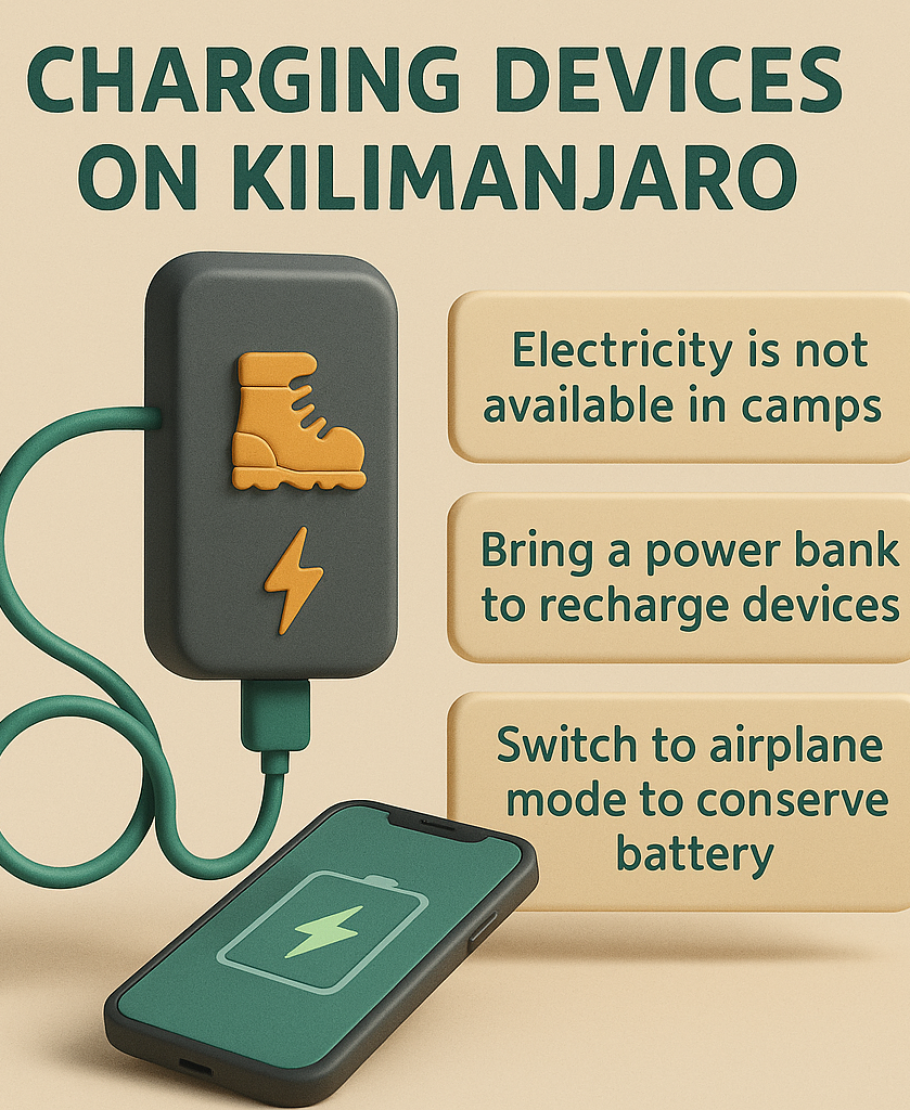
3D-style infographic showing power bank, smartphone, and battery-saving tips for Kilimanjaro.
No charging stations on the mountain — bring a power bank and use airplane mode.

Is There Electricity on Mount Kilimanjaro?

There is no public electricity or grid on the mountain. Camps are remote and lack outlets — but that doesn’t mean you’ll be without power completely.
Here’s what’s available:
 
Charging Services at Camps (Limited)
  • Some high camps (e.g., Barafu Camp) may offer charging via solar or generator
  • Usually available for a fee
  • Devices may need to be left for a few hours
Solar-Powered Lights
  • A few camps have solar lighting
  • Charging small items may be possible (not guaranteed)
  • Ask Kili Quests about your specific route for updated info

Best Ways to Charge Your Devices on the Mountain

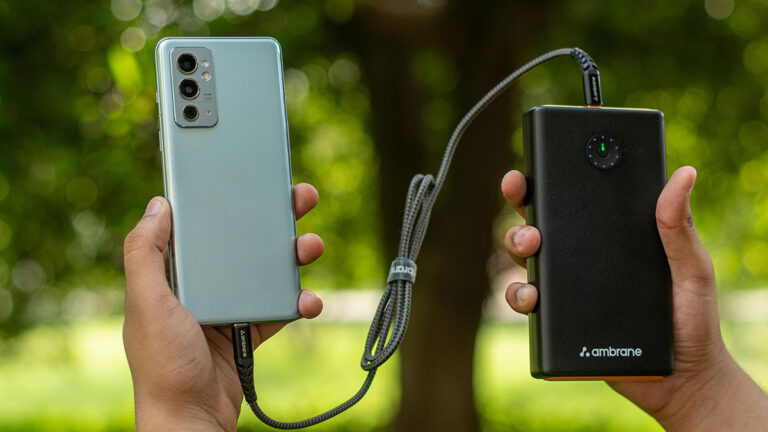
 1. Power Banks (Portable Chargers)
The most reliable option.
  • Recommended Capacity: At least 20,000mAh (more for multi-device use)
  • How Many? Bring 1–2 depending on device usage
  • Tip: Charge fully before departure; store in warm layers to protect battery life
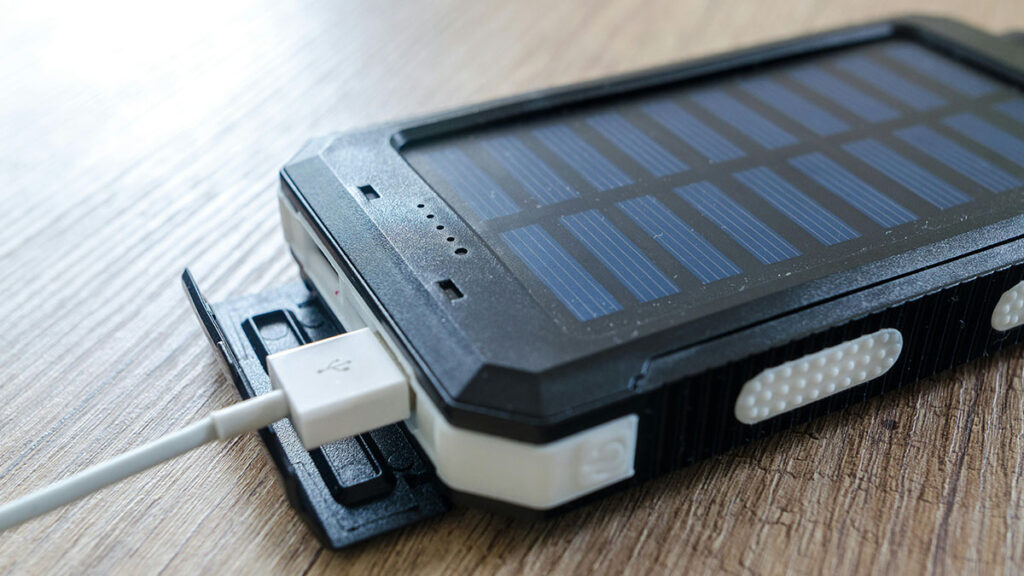
2. Solar Chargers
Optional backup if you prefer to recharge on the go.
  • Works Best: During clear sunny days while hiking
  • Limitations: Less effective at high altitude or in cloudy weather
  • Tip:Mount panels on your backpack to collect sunlight while walking
3. Charge During Rest Stops (If Available)
Some camps have shared solar systems or small generators.
  • You may be able to charge during meals or long stops
  • Charging speed is slow
  • Availability is not guaranteed on all routes
Recharged Solar Power Bank
Power Bank

Smart Battery Management Tips

 Even with backup power, conserving energy is critical. Use these tips to extend your battery life:
  •  Turn off: Wi-Fi, Bluetooth, GPS, and background apps
  •  Lower brightness: Especially during summit night
  •  Use Airplane Mode: Your signal won’t work anyway at high altitudes
  •  Limit usage: Use only when needed to preserve charge
  •  Keep warm: Cold reduces battery performance — store devices inside warm clothing at night
Gear Rentals Guide – Need a power bank or solar charger? See what you can rent locally.

Alternative Power-Free Solutions

Don’t want to worry about charging at all? Here are a few reliable offline solutions:
  • Digital Camera + Extra Batteries: Great for photography without draining phone power
  • Offline Maps: Use apps like Maps.me or download Google Maps offline
  • Pen & Journal: Record your adventure the old-school way
  • Spare Phone: Carry a basic feature phone as a backup communication device
Summit Day Gear Checklist – Know what gear is essential for the coldest and longest day of your trek.

Stay Connected the Smart Way

While Mount Kilimanjaro doesn’t offer traditional charging stations, it is still possible to keep your devices powered up with smart planning. Bring power banks, use solar as backup, and manage battery life wisely.
 
Night Temperatures Guide – Extreme cold affects battery life — be prepared with the right setup.

Frequently Asked Questions

Can you charge your phone on Mount Kilimanjaro?

Charging options on Mount Kilimanjaro are limited because there is no regular electricity on the mountain. Some camps may offer solar or generator charging for a small fee, but the most reliable way to keep devices powered is by bringing a fully charged power bank.

What is the best way to charge devices during a Kilimanjaro trek?

The best solution is to bring high-capacity power banks (around 20,000mAh or more). Many trekkers carry one or two power banks to charge phones, cameras, and headlamps throughout the trek.

Do Kilimanjaro camps have charging stations?

Most camps on Kilimanjaro do not have public charging stations. Occasionally, some high camps may provide limited charging through solar panels or generators, but availability is not guaranteed and charging can take several hours.

Can solar chargers work on Mount Kilimanjaro?

Solar chargers can work on clear sunny days and are sometimes attached to backpacks while hiking. However, they should be used as a backup option because weather conditions and altitude can reduce charging efficiency.

How can cold temperatures affect phone batteries on Kilimanjaro?

Cold temperatures at high altitude can drain batteries quickly. To protect battery life, keep your devices and power banks inside warm clothing or sleeping bags at night.

How can trekkers save battery power during the climb?

Trekkers can extend battery life by using airplane mode, lowering screen brightness, turning off Wi-Fi and Bluetooth, and limiting phone use. Downloading maps, documents, and music before the trek also helps reduce power consumption.

Ready to Climb with Power?

 Book your Kilimanjaro trek with Kili Quests today and get expert advice on gear, packing, and device charging.
 Contact us for personalized route guidance and power tips for your adventure.

Related Articles