Plan Your Rongai Route Climb
The Rongai Route offers a quiet, steady path to the summit.
Get expert advice and a personalized quote for your climb.
- 7-day itinerary for better success
- Experienced local guides
- Full support from start to summit
Kilimanjaro Planning Guides
Choosing the right route is just the start. Explore these key guides:
OUR CATEGORIES
- Climbing
- About Tanzania
- Safari Tanzania
Rongai Route on Kilimanjaro: Quiet Kilimanjaro Trail from North
Why Choose the Rongai Route?
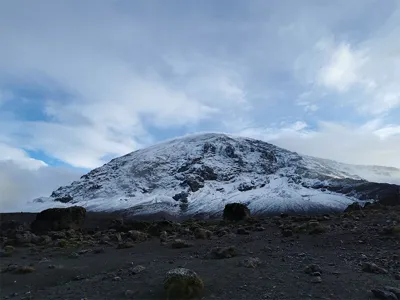
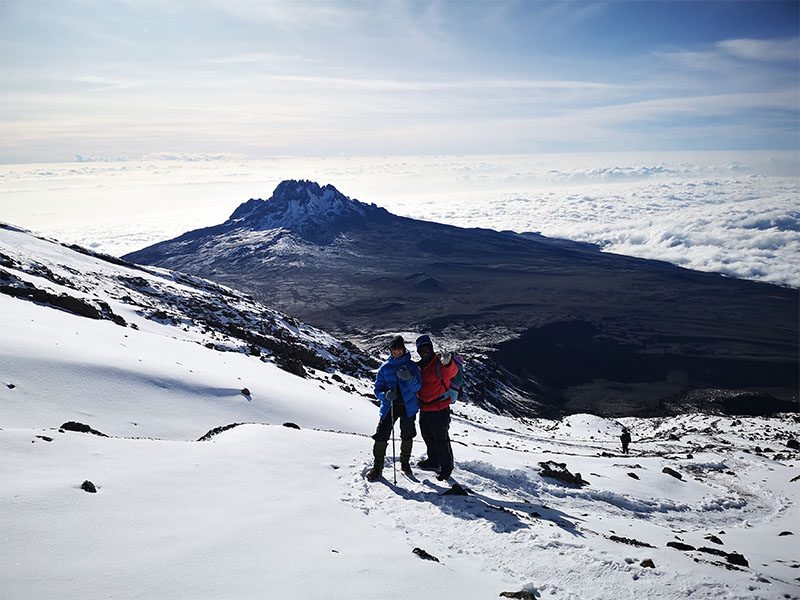
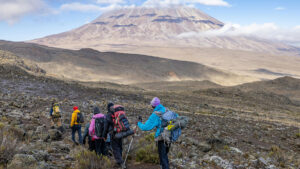
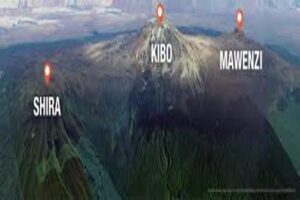
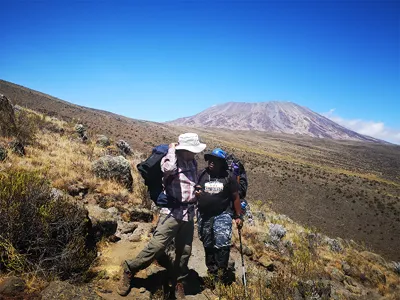
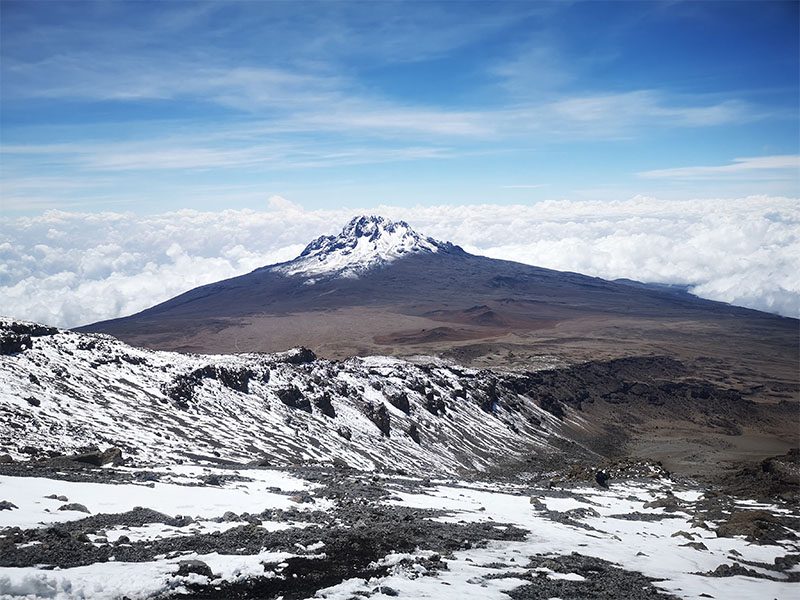
The Rongai Route is the only trail that approaches Mount Kilimanjaro from the north, near the Kenyan border. It’s known for being the quietest and driest route, making it a favorite for climbers seeking solitude and more stable trail conditions.Although less scenic than some western routes, Rongai offers a steady ascent profile, uninterrupted wilderness, and spectacular views of Mawenzi Peak. It’s also one of the best options during the rainy season.
Each route has its pros and cons — see our [Kilimanjaro routes comparison guide] to find the best option for your climb, or explore the [Lemosho Route Kilimanjaro guide] and [Machame Route Kilimanjaro guide] to compare scenery, difficulty, and success rates.
Table of Contents
Why the Rongai Route Is Unique on Kilimanjaro
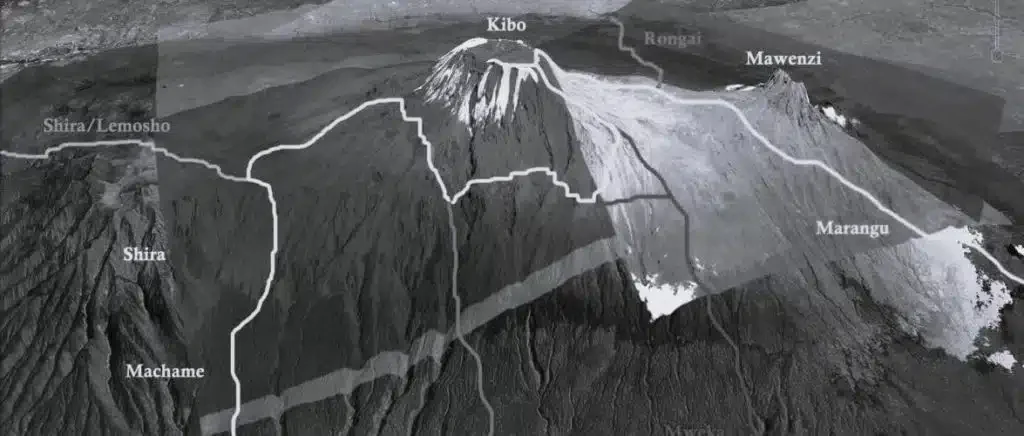
The Rongai Route is the only Kilimanjaro trail that approaches the mountain from the northern side, near the Kenya border. Unlike southern routes, it receives less rainfall, making it one of the driest options on Kilimanjaro.This unique approach offers a quieter trekking experience, fewer crowds, and uninterrupted views of the mountain’s wilderness especially the dramatic Mawenzi Peak.
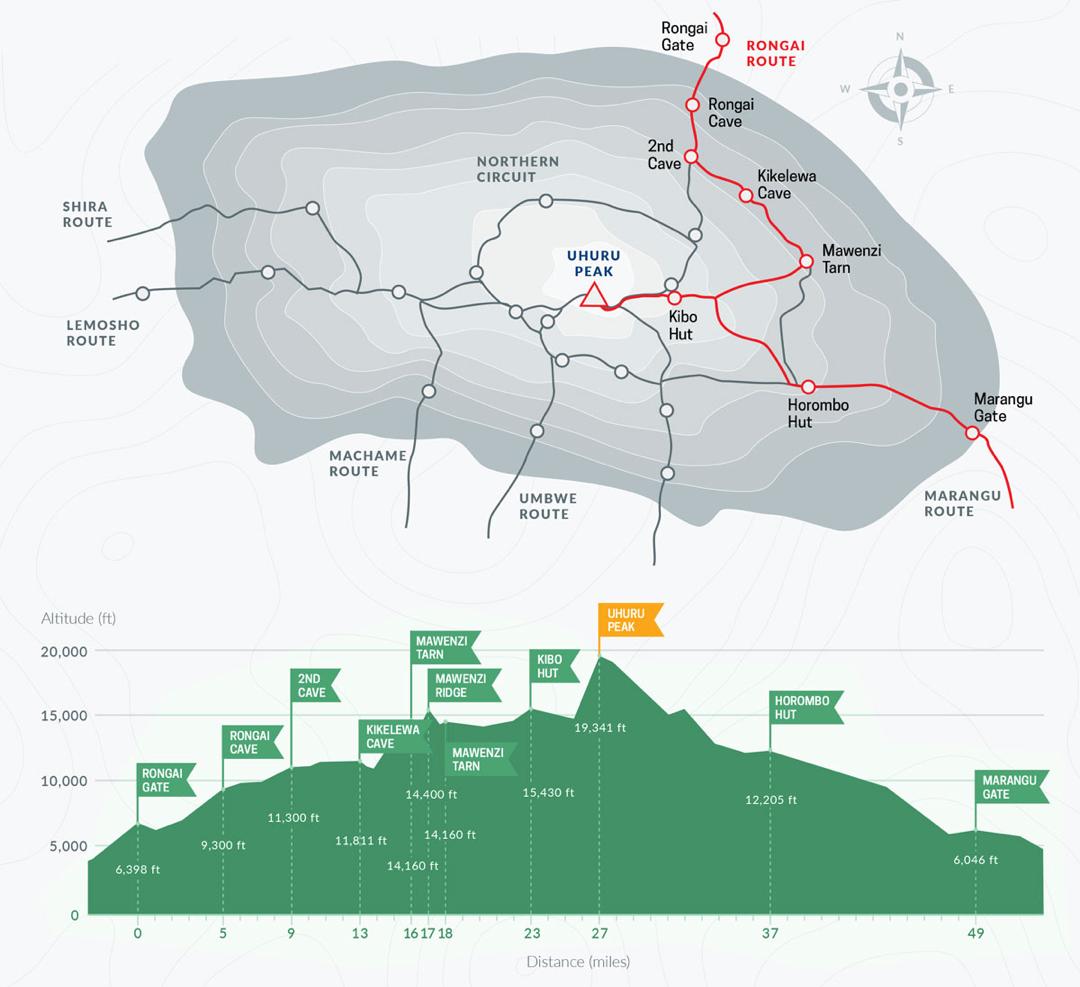
Rongai Route Overview
Feature Details
Route Length – 6 or 7 days
Distance – ~73 km (45 miles)
Start Point – Rongai Gate (northeast Kilimanjaro)
Highest Point – Uhuru Peak (5,895 m / 19,341 ft)
Difficulty – Moderate
Best For – Quiet treks, dry seasons, steady ascent
Success Rate – ~85% (7-day itinerary)
Not sure if Rongai is the right route for you? Compare all options in our [Kilimanjaro routes comparison guide] to choose the best path to the summit.
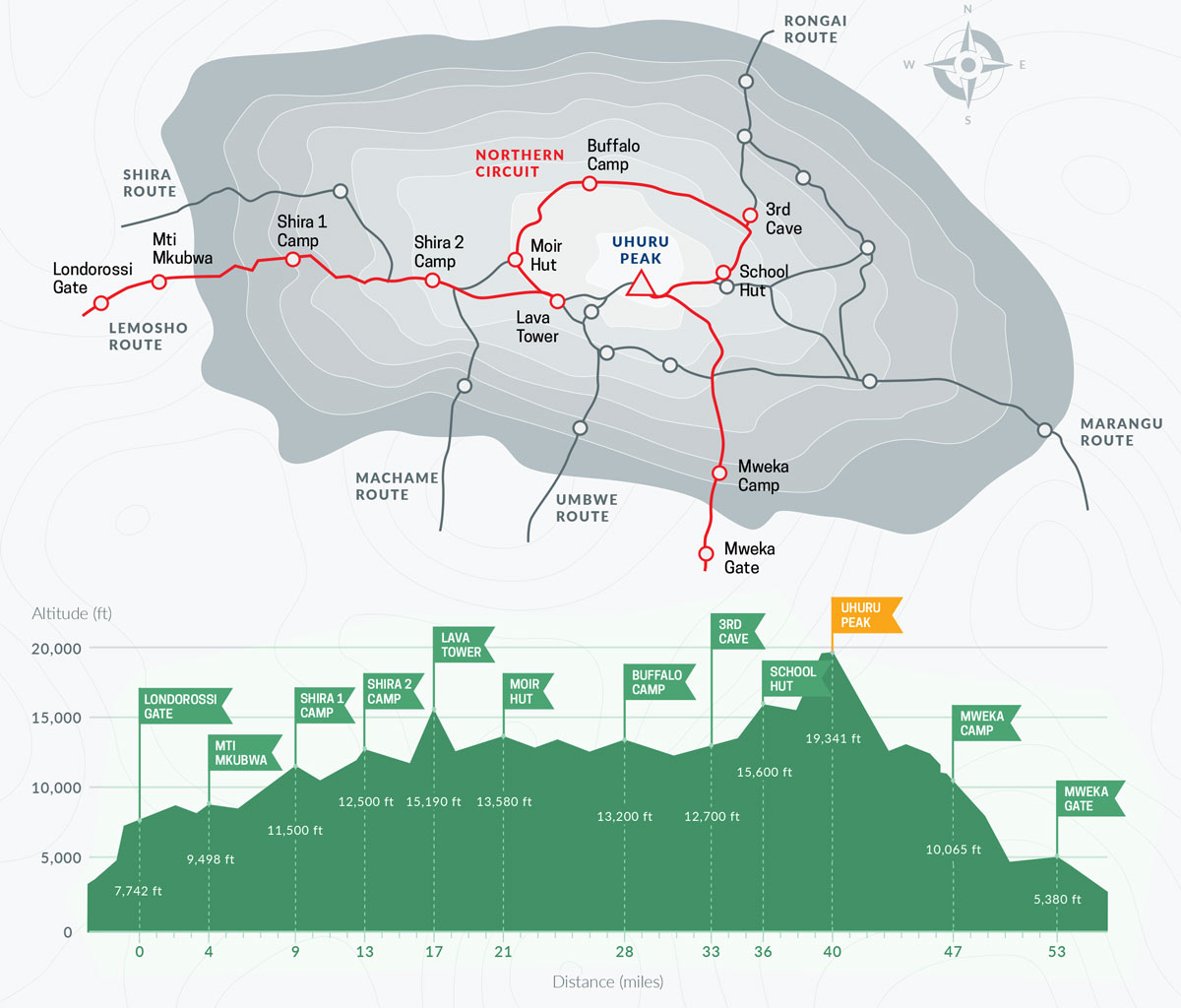
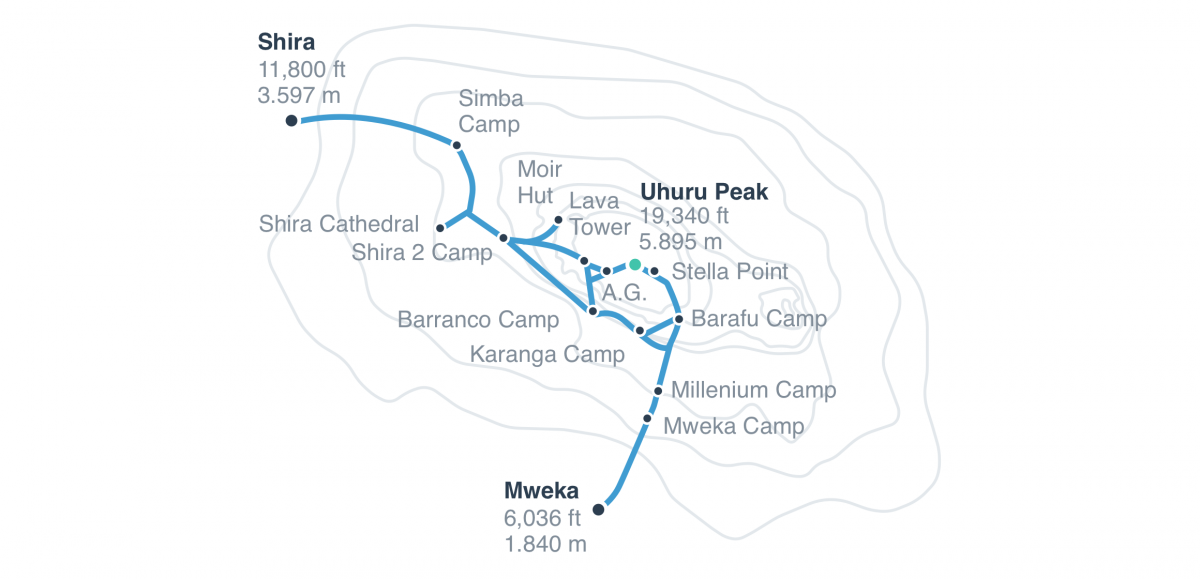
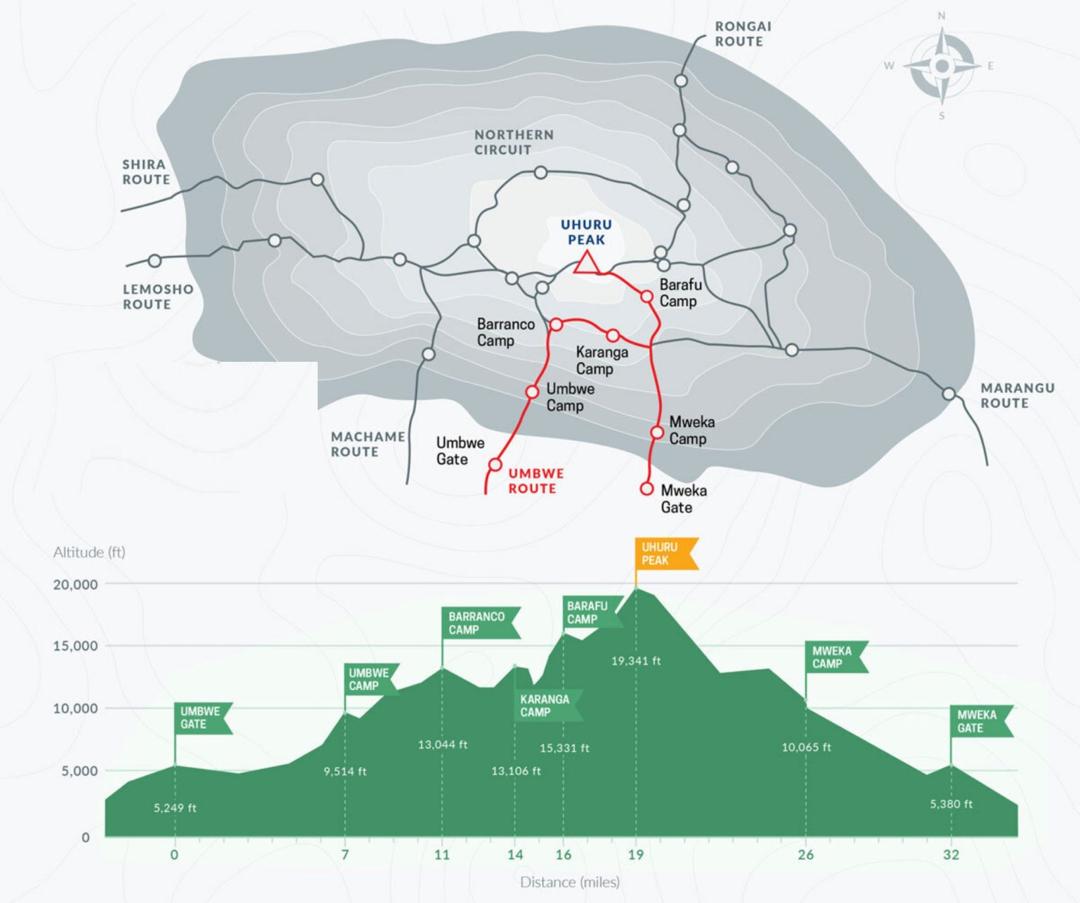
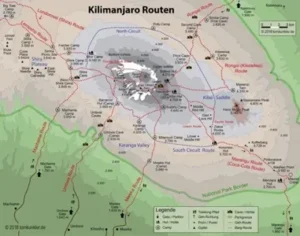
Rongai Route Days and Elevation Profile
7-Day Rongai Route Itinerary
Day 1: Rongai Gate to Simba Camp
- Altitude: 2,000 m to 2,625 m
- Time: 4–5 hours
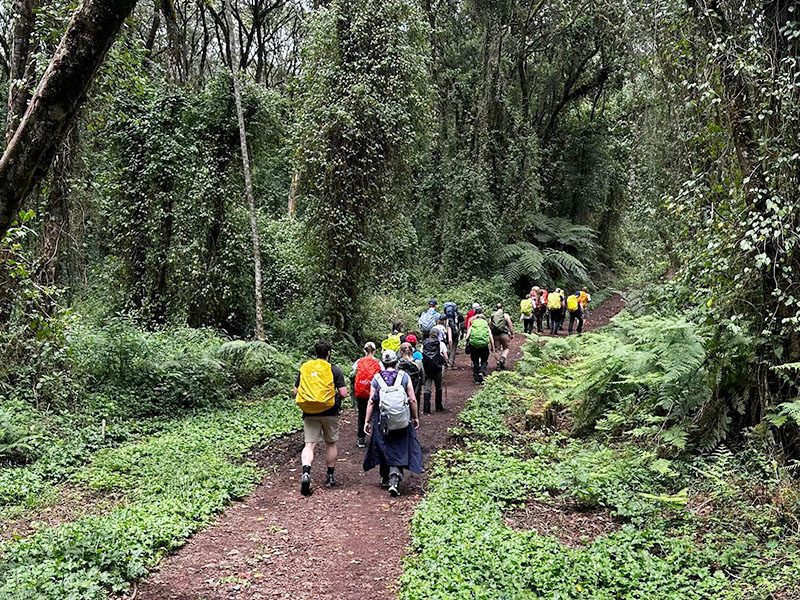
- Gentle hike through forest zone
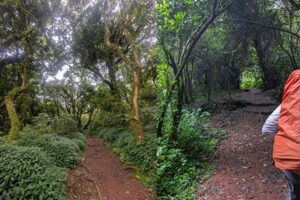
Your adventure begins on the quiet northern side of Kilimanjaro at Rongai Gate, near the Kenya border. After registration, you’ll start a gentle hike through farmland and pine forest.
This section is relatively easy and allows your body to begin adjusting gradually. Wildlife sightings such as colobus monkeys are sometimes possible.You’ll arrive at Simba Camp in the afternoon, where you’ll enjoy your first night on the mountain.
Day 2: Simba Camp to Second Cave Camp
- Altitude: 2,625 m to 3,450 m
- Time: 5–6 hours
- Beautiful views of Kibo and wilderness trail
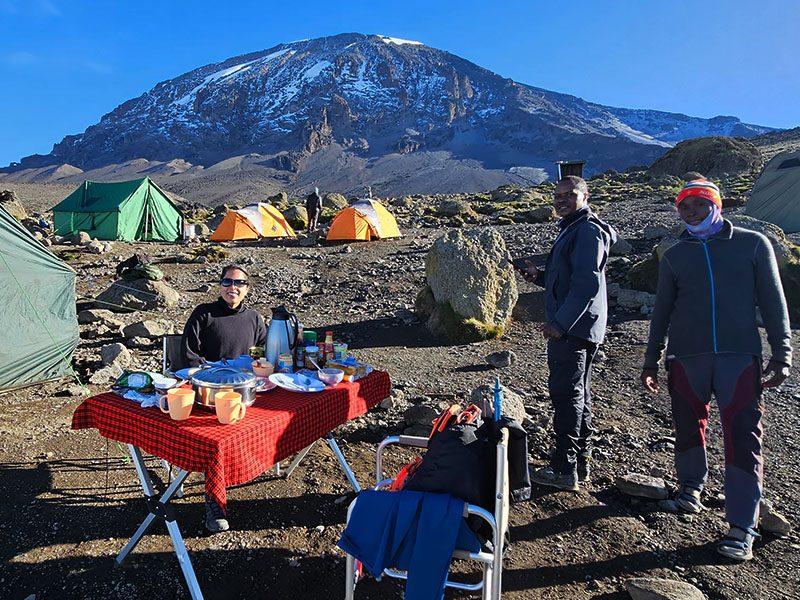
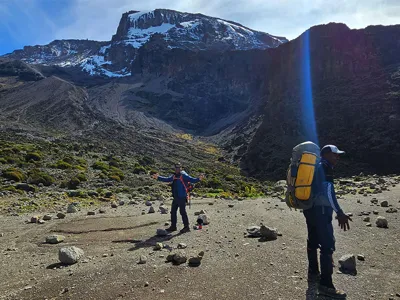
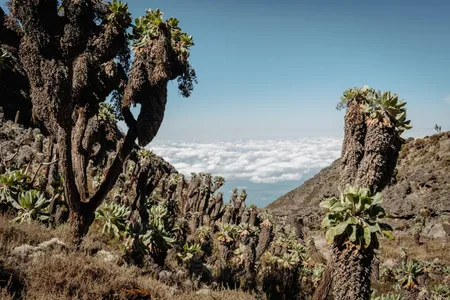
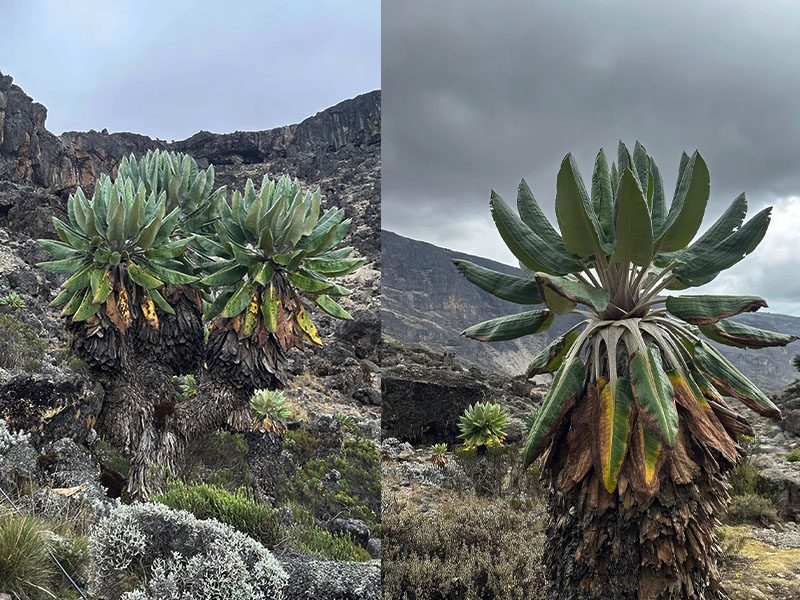
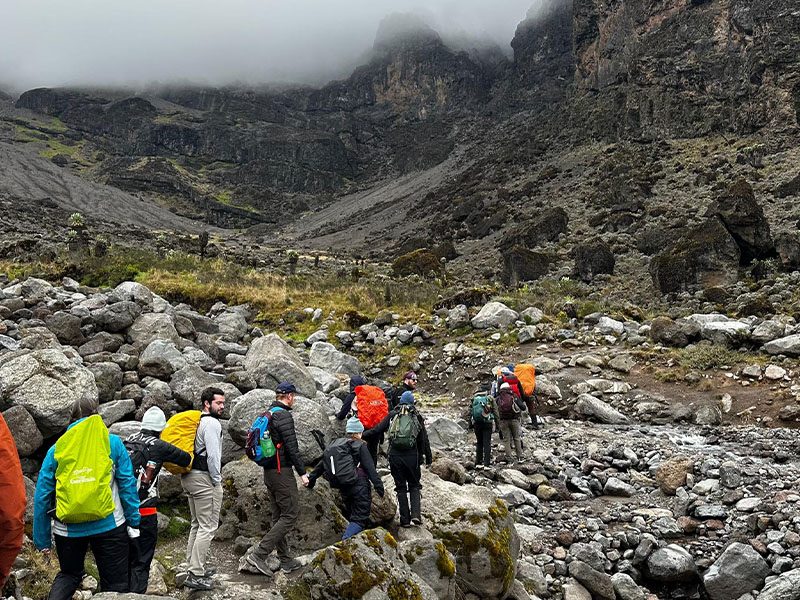
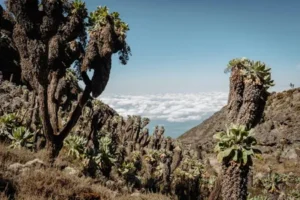
The trail leaves the forest behind and enters the moorland zone, offering wide open views of Kibo Peak. The path remains steady and not too steep, making it a comfortable trekking day.As you gain altitude, you’ll begin to feel the effects of thinner air, so it’s important to maintain a slow, steady pace.Second Cave Camp provides a scenic and less crowded overnight stop.
Day 3: Second Cave to Kikelewa Camp
- Altitude: 3,450 m to 3,600 m
- Time: 4 hours
- Scenic moorland terrain with fewer climbers
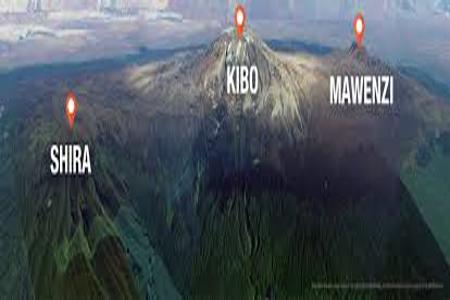
This is a shorter trekking day designed to support acclimatization. The trail becomes quieter and more remote, with fewer climbers compared to southern routes.You’ll hike across rolling moorland terrain with beautiful views of Mawenzi Peak, one of Kilimanjaro’s three volcanic cones.Kikelewa Camp is set in a sheltered valley, offering a peaceful atmosphere for rest and recovery.
Day 4: Kikelewa to Mawenzi Tarn Camp
- Altitude: 3,600 m to 4,330 m
- Time: 4–5 hours
- Camp beneath rugged Mawenzi Peak
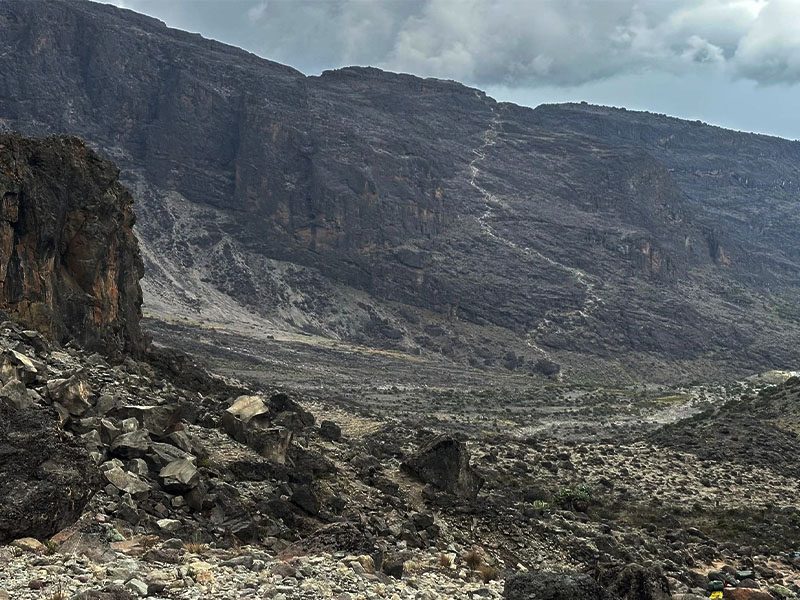
Today’s trek is steeper but rewarding, as you climb toward Mawenzi Tarn, one of the most scenic camps on Kilimanjaro.The camp sits beneath the dramatic spires of Mawenzi Peak, providing incredible views and a true high-altitude environment.This is an important acclimatization day, allowing your body to adjust before moving higher.
Day 5: Mawenzi Tarn to Kibo Hut
- Altitude: 4,330 m to 4,700 m
- Time: 4–5 hours
- Final staging point before summit night
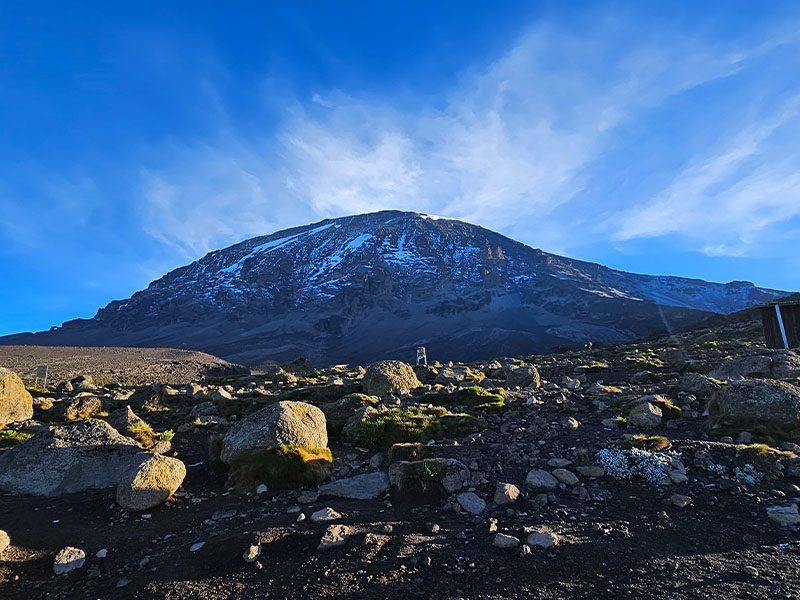
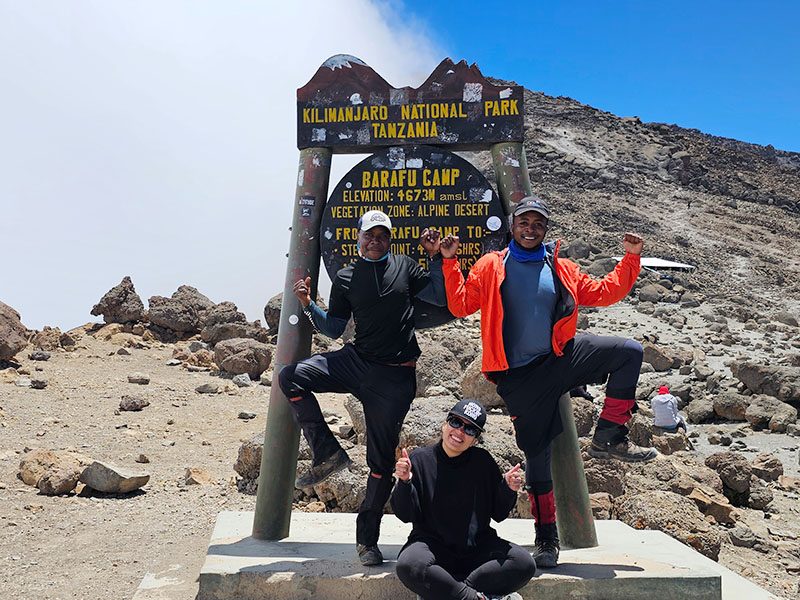
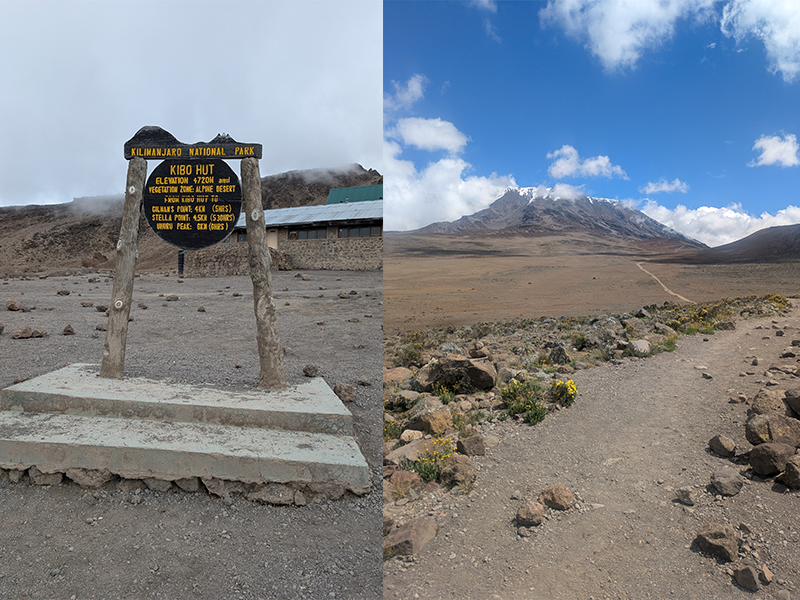
The landscape changes dramatically as you enter the alpine desert zone. Vegetation disappears, and the terrain becomes dry and rugged.The hike is steady but feels more demanding due to the altitude. You’ll arrive at Kibo Hut, the final base camp before your summit attempt.After an early dinner, you’ll rest for a few hours before beginning the summit push around midnight.
Day 6: Kibo Hut to Uhuru Peak, descend to Horombo Hut
- Altitude: 4,700 m to 5,895 m (summit), then down to 3,720 m
- Time: 12–14 hours
- Overnight climb, summit at sunrise, long descent
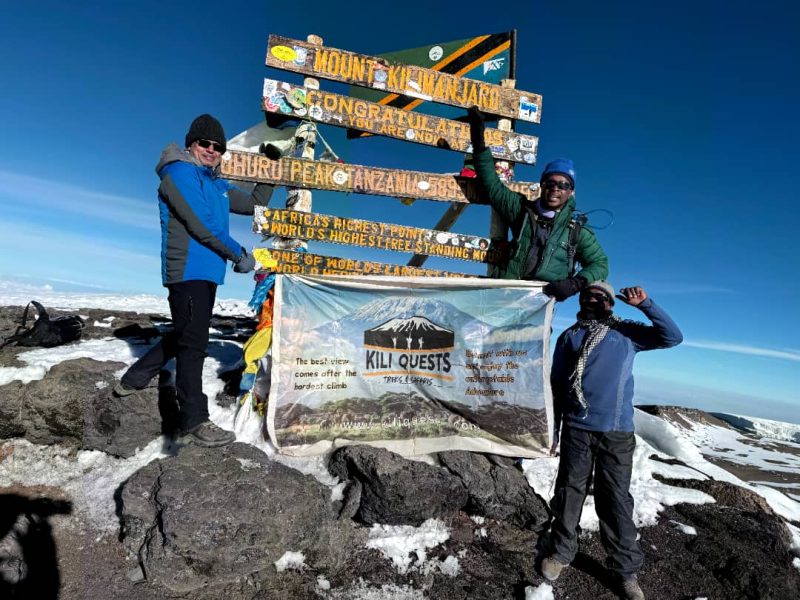
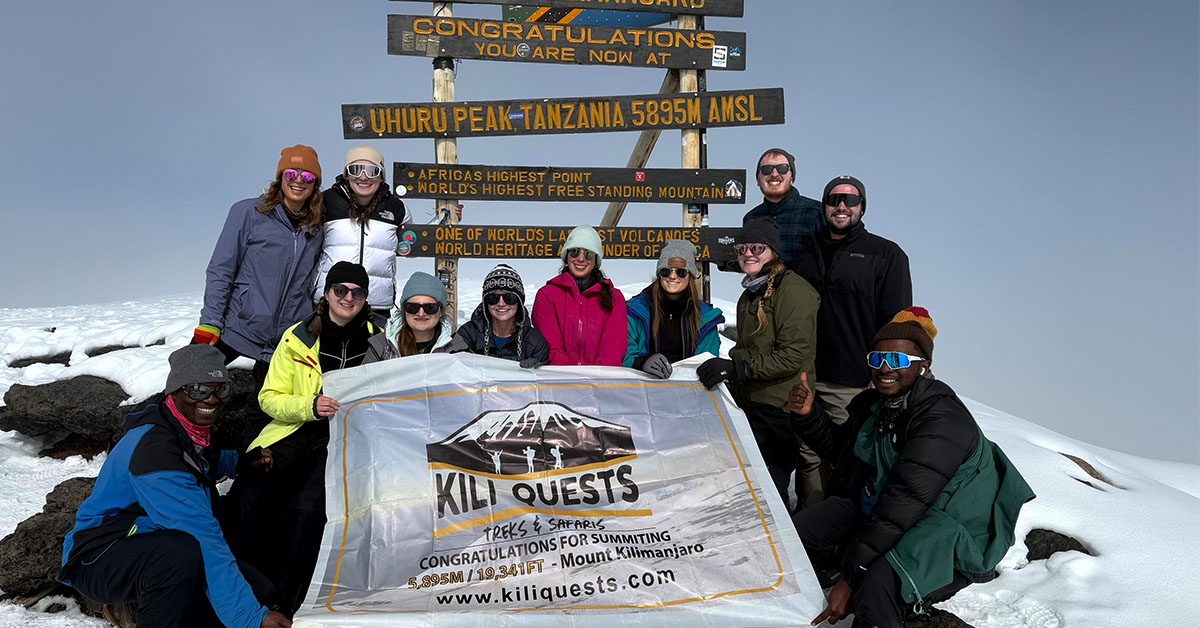
This is the most challenging and rewarding day of the climb. You’ll start your summit attempt in the early hours of the morning, trekking slowly in the dark toward Gillman’s Point and Stella Point.From there, it’s a final push to Uhuru Peak — the highest point in Africa. Reaching the summit at sunrise is an unforgettable experience.After celebrating, you’ll descend back to Kibo Hut briefly, then continue down to Horombo Hut for rest.
Day 7: Horombo Hut to Marangu Gate
- Altitude: 3,720 m to 1,870 m
- Time: 5–6 hours
- Final descent through forest and receive certificate
Your final day is a long but steady descent through moorland and forest zones. As you reach lower altitudes, the air becomes richer in oxygen, making the hike feel easier.At Marangu Gate, you’ll receive your summit certificate and celebrate the successful completion of your Kilimanjaro climb.
Choosing a longer itinerary like this significantly improves your chances of reaching the summit. Learn more about [Kilimanjaro success rates] and why [Kilimanjaro climb duration] plays a key role in summit success.
Difficulty and Acclimatization
The Rongai Route is considered moderately difficult, but it is one of the more manageable Kilimanjaro routes thanks to its gradual ascent profile.Unlike steeper routes like Machame, Rongai allows your body more time to adjust to altitude, making it a good option for first-time climbers. The 7-day itinerary significantly improves acclimatization and increases your chances of reaching the summit.
If you’re unsure about the overall challenge, read our full guide on [how difficult Kilimanjaro really is] and what to expect.
Proper acclimatization is the key to avoiding altitude sickness — learn how to [acclimatize on Kilimanjaro] before your climb.
Best Time to Climb the Rongai Route
One of Rongai’s biggest strengths is that it stays drier than southern routes. This makes it ideal during:
- January to early March
- June to October
- April–May or November (when other routes are wetter)
Choosing the right season can make a big difference in your experience — see our full guide on [best time to climb Kilimanjaro].
What Makes Rongai Unique?
- Only northern approach to Kilimanjaro
- Less crowded than any other route
- Amazing views of Mawenzi Peak
- You descend via Marangu Route — giving you two route experiences in one
- Good wildlife sightings near Simba Camp
Lower traffic means quieter camps and a more wilderness-focused experience
Is the Rongai Route Right for You?
- Want a peaceful, uncrowded trail
- Are trekking during the rainy season
- Prefer a gradual ascent
- Enjoy remote nature and simplicity
Proper acclimatization is the key to avoiding altitude sickness — learn how to [acclimatize properly on Kilimanjaro] before your climb.
Rongai Route Pros and Cons
Pros
- One of the quietest routes on Kilimanjaro
- Drier conditions, ideal during rainy seasons
- Gradual ascent profile for better comfort
- Unique northern approach
Cons
- Less scenic compared to Lemosho and Machame
- Slightly lower success rate than longer routes
- Fewer acclimatization features
Frequently Asked Questions About the Rongai Route
Where does the Rongai Route start on Kilimanjaro?
The Rongai Route begins at Rongai Gate on the northern side of Mount Kilimanjaro, close to the Kenya–Tanzania border. It is the only Kilimanjaro route that approaches the mountain from the north.
Is the Rongai Route difficult?
The Rongai Route is considered moderately difficult. Its gradual slope and steady elevation gain make it one of the more comfortable routes for acclimatization, especially on the 7-day itinerary.
Why choose the Rongai Route?
Many climbers choose the Rongai Route because it is quieter and less crowded than most other routes on Mount Kilimanjaro. It is also one of the driest routes, making it a good option during the rainy season.
Does the Rongai Route have good views?
Yes. While the scenery is different from the western routes, the Rongai Route offers spectacular views of Mawenzi Peak, alpine desert landscapes, and wide open wilderness.
How many days does it take to climb the Rongai Route?
The Rongai Route usually takes 6 or 7 days. The 7-day itinerary is recommended because it improves acclimatization and increases summit success.
Which route do climbers descend after Rongai?
After reaching Uhuru Peak, climbers who ascend via the Rongai Route usually descend via the Marangu Route, passing through Horombo Hut before exiting at Marangu Gate.
Climb Kilimanjaro via Rongai with Kili Quests
The Rongai Route is perfect for climbers looking for a quiet, less crowded path to the summit with a steady and manageable ascent.At Kili Quests, we design 7-day itineraries to maximize acclimatization and improve your chances of reaching Uhuru Peak, all supported by experienced local guides.
Contact us now to plan your Rongai Route climb with Kili Quests.
Related Articles
Kilimanjaro Routes Comparison: Which Route Is Best?
April 15, 2025
No Comments
Plan Your Kilimanjaro Climb Climbing Kilimanjaro is a once-in-a-lifetime adventure choosing the right route and preparation makes all the difference. Choose the best route for

Machame vs Lemosho: Which Kilimanjaro Route Is Better?
March 21, 2026
No Comments
Choose the Right Route for Your Climb Compare routes and get expert advice before your climb. Route comparison support Local expert guidance Full support from
How to Acclimatize on Mount Kilimanjaro & Avoid Altitude Sickness
April 12, 2025
No Comments
Plan Your Kilimanjaro Climb Safely Altitude is the biggest challenge on Kilimanjaro — the right route and preparation can make the difference between turning back