Table of Contents
Best Time for Safari in Tanzania: Seasons Explained | Kili Quests
High Season: June to October
- The Great Migration: Millions of wildebeest, zebras, and gazelles move across the Serengeti plains during this time.
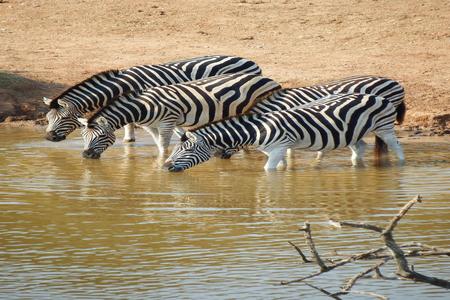
- Incredible Game Viewing: With limited water, animals gather around rivers and waterholes, making sightings easier.
- Dry & Pleasant Weather: Days are sunny and comfortable, with minimal rain and great conditions for photography.
Best Parks to Visit in High Season:
- Serengeti National Park – Prime time to see the Great Migration.
- Ngorongoro Crater – Reliable year-round wildlife, especially visible in the dry season.
- Tarangire National Park – Home to massive elephant herds during the dry months.
Low Season: March to May
- Fewer Crowds: Enjoy peaceful drives without tourist traffic.
- More Affordable: Lodges and tours often offer lower prices during this rainy season.
- Lush Landscapes: Parks turn green and beautiful, great for photography and birdwatching.
Things to Consider:
- Rainfall & Mud: Trails can be slippery and access to some areas may be limited.
- Scattered Wildlife: Animals don’t need to gather at waterholes, making sightings less predictable.
Best Parks to Visit in Low Season
- Ngorongoro Crater – Still teeming with animals year-round.
- Serengeti – Quieter but still active; best for experienced wildlife lovers.
- Lake Manyara – Superb for birdwatching and scenic greenery.
Shoulder Seasons: November–December & January–February
- Wildebeest Calving (Jan–Feb): Thousands of newborn animals attract dramatic predator activity.
- Pleasant Weather: Warm, with little rain — a perfect in-between.
- Migration Movement: Early stages of the migration begin in southern Serengeti.
Best Parks to Visit in Shoulder Season
- Southern Serengeti – See calves take their first steps and predators on the hunt.
- Tarangire National Park – Great views with fewer tourists.
- Ngorongoro Crater – Reliable sightings and cooler conditions.
- What’s in Our Safari Package? – Learn everything included in your Kili Quests journey.
What’s Included in a Kili Quests Safari?
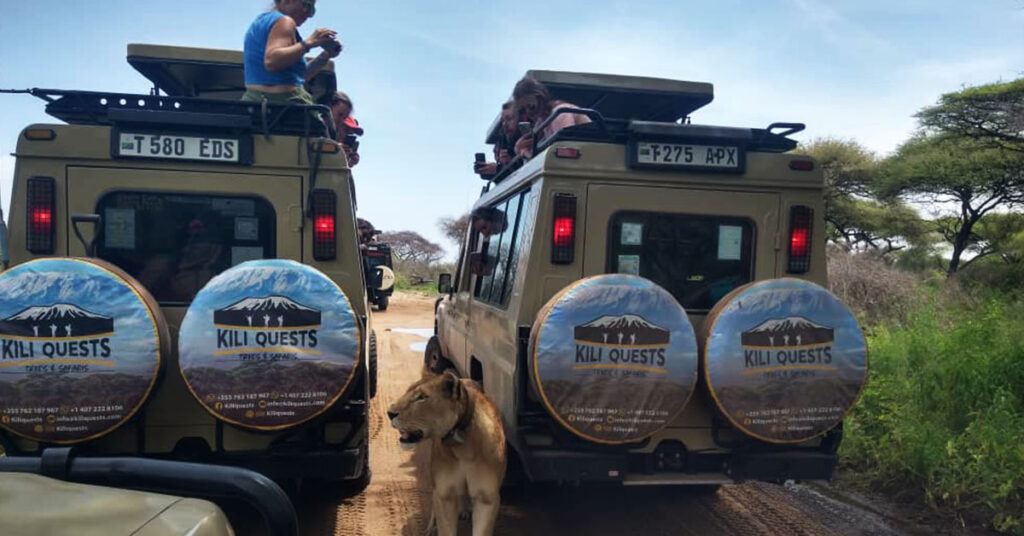
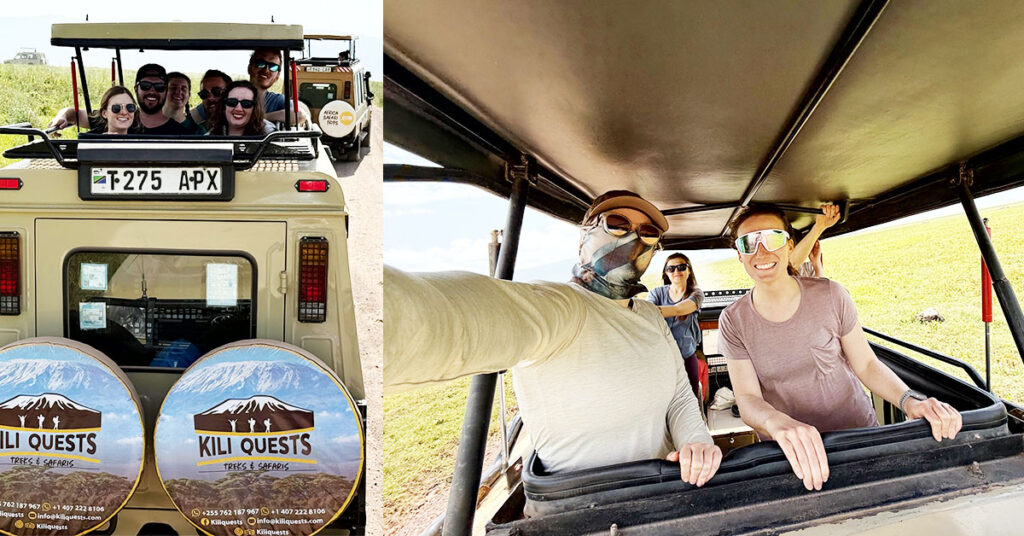
- Private 4×4 safari vehicle with pop-up roof
- Professional, English-speaking driver-guide
- Full-board accommodation in lodges or tented camps
- Park fees and government permits
- Bottled water during game drives
- 24/7 local support during your trip
- We also offer optional add-ons like:
- Hot air balloon safaris
- Medical evacuation insurance
- Airport transfers and domestic flights
Best Time for Safari in Tanzania – Quick Season Overview
- Peak wildlife viewing season
- Great Migration is in full swing in the Serengeti
- Dry weather and clearer visibility
- Fewer mosquitoes and ideal conditions for first-time travelers
- Calving season in the southern Serengeti
- Fewer crowds compared to peak months
- Excellent for predator-prey action and photography
- Warm weather and green landscapes
- Long rainy season with lush scenery and dramatic skies
- Fewer tourists and discounted safari prices
- Great for birdwatching and quiet experiences
- Some lodges may close due to heavy rains, so plan accordingly
When Should You Go?
- For First-Time Safari Travelers: June–October offers the most action and ideal weather.
- For Photographers & Birders: March–May provides stunning landscapes and migratory birds.
- For Repeat Visitors or Budget Travelers: Shoulder seasons (Nov–Feb, Mar–May) offer excellent value.
Kili Quests customizes safaris year-round, so no matter your timing, we’ll help you make the most of it.
Frequently Asked Questions About the Best Time for Safari in Tanzania
What is the best time of year for a safari in Tanzania?
When can you see the Great Migration in Tanzania?
Is the rainy season a good time for a Tanzania safari?
Which months are best for wildlife photography in Tanzania?
Which parks are best to visit during Tanzania’s dry season?
Is Tanzania good for safari all year round?
Ready to Book Your Dream Safari?
Related Articles
Is Mount Kilimanjaro One of the 7 Wonders of the World?
Table of Contents Is Kilimanjaro a World Wonder? + UNESCO Facts | Kili Quests Kilimanjaro’s Legendary Status Mount Kilimanjaro is not only the tallest
Mount Meru Climb Guide: Why Trek It Before Kilimanjaro
Table of Contents Mount Meru: Tanzania’s Scenic Volcano Trek | Kili Quests Mount Meru, Tanzania’s second-highest peak at 4,566 meters (14,968 feet), is a
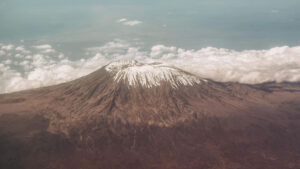
Mount Kilimanjaro Guide: Facts, Location & Overview
Mount Kilimanjaro, Africa’s highest peak, stands tall at 5,895 meters (19,341 feet) above sea level. Located in northern Tanzania, this iconic free-standing volcano draws thousands of trekkers each year. Whether you’re planning your first summit or comparing routes, this comprehensive guide covers everything you need to know—from choosing the best route to preparing for altitude and understanding what to expect on the mountain.