

Stay Safe on Kilimanjaro
Your health is key to reaching the summit safely.
- Prepare for altitude and conditions
- Increase your summit success
- Stay protected at high altitude
Plan Your Kilimanjaro Climb
Good preparation makes your climb safer and easier.
OUR CATEGORIES
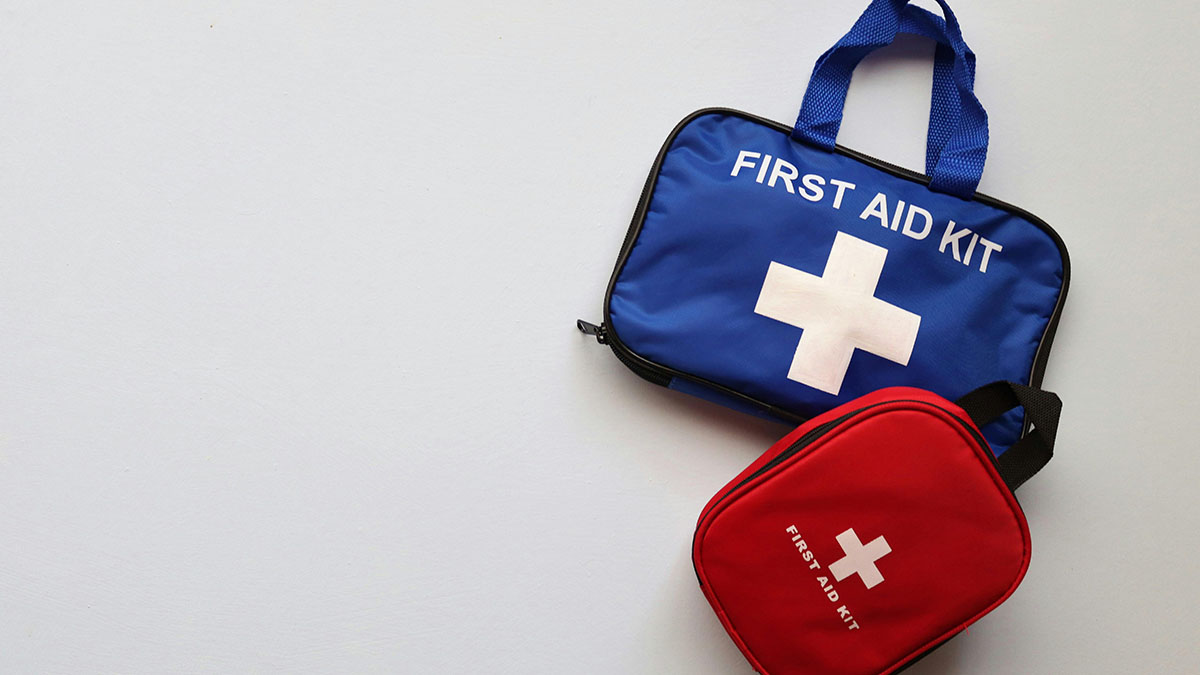
Kilimanjaro Medicine Kit: What to Bring
Climbing Mount Kilimanjaro is a high-altitude trek, so your health preparation matters as much as your fitness. Cold temperatures, long hiking days, lower oxygen levels, dehydration, and poor sleep can all affect how your body performs on the mountain.
A good Kilimanjaro medicine kit should help you manage common trail problems such as mild headaches, stomach issues, blisters, allergies, and personal health needs. But medicine should never be used to hide serious altitude symptoms or push through danger signs.
Before your climb, speak with a doctor or travel clinic about altitude medication, malaria prevention, personal prescriptions, and any health condition that could affect your trek. You should also understand how altitude affects your body on Kilimanjaro and why proper acclimatization is one of the most important parts of a safe climb.
Quick Answer: What Medicines Should You Bring for Kilimanjaro?
For Kilimanjaro, most climbers prepare a small personal medicine kit with items for altitude concerns, mild pain, nausea, stomach problems, diarrhea, blisters, allergies, hydration support, and personal prescriptions.
Altitude medication such as acetazolamide is commonly discussed for high-altitude travel, but it should only be used after advice from a doctor or travel clinic. Medicine does not replace proper acclimatization, slow pacing, hydration, guide monitoring, or descent when symptoms become serious.
The CDC describes acetazolamide as a medicine that can help speed acclimatization in some altitude-risk situations, but prevention still depends heavily on proper ascent planning.
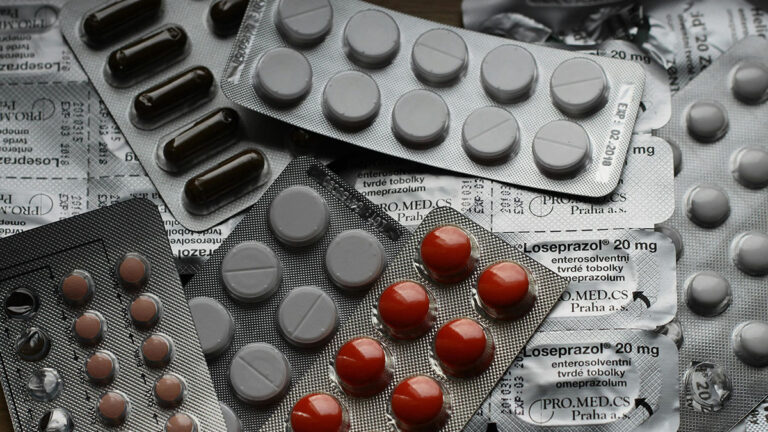
Table of Contents
Important Medical Note Before Your Kilimanjaro Climb
This guide is for general planning only. It does not replace advice from a qualified doctor, pharmacist, or travel clinic.
Every climber has different health needs, allergies, medication history, and altitude risk. Before traveling to Tanzania, ask a medical professional about altitude sickness prevention, malaria prevention, vaccines, personal prescriptions, and any condition that could affect your climb.
Never use medicine to hide worsening altitude symptoms and continue climbing. Headache, nausea, tiredness, dizziness, appetite loss, and sleep problems can be signs of altitude sickness, and symptoms can become serious if ignored.
Kilimanjaro Medicine Kit Overview
| Item | Why It May Help | Important Note |
|---|---|---|
| Altitude medication | May help some climbers with altitude acclimatization. | Discuss with a doctor before your climb. |
| Pain relief | May help with mild headaches, muscle aches, or general discomfort. | Do not use painkillers to ignore worsening altitude symptoms. |
| Anti-nausea medicine | May help with nausea or dizziness. | Ask a doctor what is safe for you. |
| Diarrhea treatment | Useful for travel-related stomach problems. | Severe diarrhea can cause dehydration and should be treated seriously. |
| Electrolytes | Help replace salts lost through sweating, diarrhea, or low appetite. | Useful support, but not a cure for altitude sickness. |
| Blister care | Helps protect feet during long trekking days. | Pack blister plasters, tape, and basic wound care items. |
| Allergy medicine | May help with mild allergies, dust, or irritation. | Bring your usual allergy medicine if you normally use it. |
| Personal prescriptions | Essential for existing medical conditions. | Carry enough for the whole trip, plus extra days if possible. |
Altitude Medication for Kilimanjaro
Altitude sickness is one of the main health concerns on Kilimanjaro. The best protection is a good route choice, slow pacing, proper acclimatization, hydration, rest, and honest communication with your guide.
Some climbers discuss altitude medication such as acetazolamide with a doctor before the climb. This medicine may help the body adjust to altitude, but it is not suitable for everyone and should not be taken without medical advice.
Medication should never be treated as permission to rush the mountain. If symptoms become worse, the safest response may be rest, monitoring, or descent.
Pain Relief, Nausea, and Stomach Medicine
Many climbers carry basic medicine for mild headaches, muscle aches, nausea, or stomach discomfort. These items can be helpful, but they must be used carefully.
A headache can be a normal discomfort, but it can also be an early altitude symptom. Nausea, vomiting, dizziness, loss of appetite, unusual fatigue, and poor sleep should not be ignored. Tell your guide early if symptoms appear.
Do not test new medicine for the first time on the mountain unless your doctor has advised it.
Personal Medication and Prescriptions
If you use regular medication, bring enough for the full trip plus extra in case of travel delays. This may include asthma inhalers, allergy medicine, diabetes medication, blood pressure medicine, or any other prescribed treatment.
Keep important medication in your daypack, not only in your duffel bag. You should also carry a doctor’s note or prescription copy if you travel with controlled or important medication.
First Aid Items for Kilimanjaro
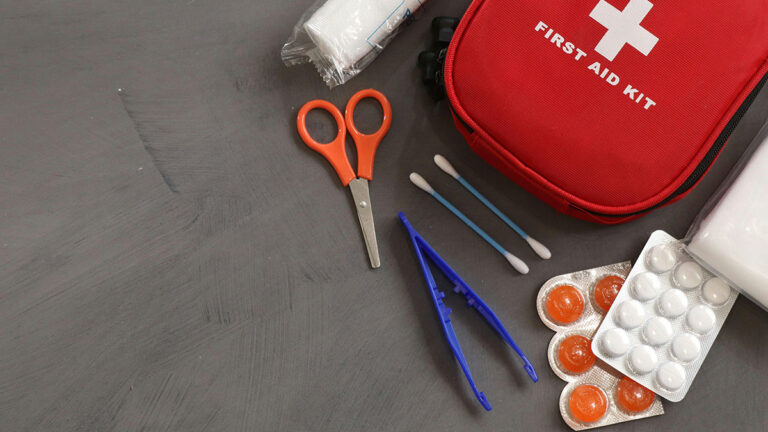
Your guides should carry a mountain first aid kit, but climbers should still bring a small personal kit for minor issues.
Useful personal items include blister pads, bandages, antiseptic wipes, medical tape, lip balm, sunscreen, hand sanitizer, and any personal items you normally use for small injuries or irritation.
For a full gear list, read our Kilimanjaro packing list.
Hydration, Sun Protection, and Recovery
Health on Kilimanjaro is not only about medicine. Hydration, food, sleep, warmth, and sun protection all matter.
Drink regularly, eat even when your appetite drops, protect your skin and eyes from strong sun, and keep warm at night. Avoid alcohol before and during the climb because it can affect hydration, sleep, and recovery.
Electrolytes can help support hydration, especially if you are sweating heavily or have stomach problems, but they do not prevent altitude sickness by themselves.
Altitude Warning Signs
Tell your guide if you notice headache, nausea, vomiting, dizziness, unusual tiredness, loss of appetite, or difficulty sleeping. These are common altitude sickness symptoms and should be monitored carefully.
More serious warning signs include confusion, difficulty walking, severe breathlessness, chest pain, or worsening symptoms that do not improve. CDC adventure travel guidance notes that mental status changes and loss of coordination can be warning signs of high-altitude cerebral edema, while breathlessness at rest can be a sign of life-threatening high-altitude pulmonary edema.
Malaria Medication and Travel Health
Kilimanjaro’s higher elevations are not the same as Tanzania’s lower-elevation regions. Many travelers spend time in Moshi, Arusha, safari parks, Zanzibar, or Dar es Salaam before or after the climb.
The CDC recommends that travelers going to certain areas of Tanzania take prescription medicine to prevent malaria, and it lists malaria transmission in areas below 1,800 meters / 5,900 feet. Speak with a doctor or travel clinic before your trip so you know what is right for your itinerary.
When to Seek Medical Help on the Mountain
Tell your guide immediately if symptoms become stronger or do not improve with rest. Do not wait until symptoms are severe.
Important warning signs include:
- worsening headache
- repeated vomiting
- confusion or unusual behavior
- difficulty walking straight
- severe weakness
- chest pain
- breathlessness at rest
- blue lips or fingers
On Kilimanjaro, your guide’s decision matters. If your symptoms suggest serious altitude illness, the safest option may be to stop climbing, rest, or descend. Medicine should never be used to push through dangerous symptoms.
What Not to Do With Medicine on Kilimanjaro
Medicine can support your climb, but it should never be used to ignore serious symptoms or force your body higher when it is struggling with altitude.
Avoid these mistakes:
- Do not take unfamiliar medicine for the first time on the mountain.
- Do not use painkillers to hide a worsening altitude headache.
- Do not continue climbing if symptoms become stronger.
- Do not mix medications without medical advice.
- Do not rely on medicine instead of proper acclimatization.
- Do not ignore your guide’s recommendation to rest or descend.
The safest Kilimanjaro climb depends on preparation, slow pacing, honest symptom reporting, and good guide decisions. Medicine is only one part of the safety plan.
Frequently Asked Questions About Kilimanjaro Medicines
What medicines should I bring for Kilimanjaro?
Most climbers prepare a small personal medicine kit with items for altitude concerns, mild pain, nausea, stomach problems, diarrhea, blisters, allergies, hydration support, and personal prescriptions. Speak with a doctor before taking altitude medication, malaria medication, antibiotics, or unfamiliar medicine.
Do I need Diamox for Kilimanjaro?
Not every climber uses Diamox, which is a brand name for acetazolamide. Some climbers discuss it with a doctor because it may help with altitude acclimatization, but it is not suitable for everyone and should not replace a good route choice, slow pacing, and proper acclimatization.
Should I bring painkillers for Kilimanjaro?
Many climbers bring basic pain relief for mild headaches or muscle aches. However, painkillers should not be used to hide worsening altitude symptoms. If a headache becomes stronger or comes with nausea, dizziness, vomiting, weakness, or confusion, tell your guide immediately.
Should I bring painkillers for Kilimanjaro?
Many climbers bring basic pain relief for mild headaches or muscle aches. However, painkillers should not be used to hide worsening altitude symptoms. If a headache becomes stronger or comes with nausea, dizziness, vomiting, weakness, or confusion, tell your guide immediately.
Do I need malaria tablets for Kilimanjaro?
You may need malaria prevention medicine for Tanzania, especially if your trip includes lower-elevation areas before or after the climb. Speak with a doctor or travel clinic before traveling so your malaria plan matches your full itinerary.
What medicine should I avoid on Kilimanjaro?
Avoid taking unfamiliar medicine for the first time on the mountain unless your doctor has approved it. Also avoid using medication to push through serious symptoms such as worsening headache, repeated vomiting, confusion, difficulty walking, severe weakness, or breathlessness at rest.
Climb Kilimanjaro with Better Health Preparation
Your medicine kit is only one part of a safe Kilimanjaro climb. Route choice, acclimatization, guide support, hydration, nutrition, warm gear, and honest symptom reporting all matter.
At Kili Quests, we help climbers prepare with realistic route advice, experienced local guides, daily health monitoring, and clear safety support on the mountain.
Contact us today to plan your Kilimanjaro climb with a team that takes health and safety seriously.
Related Articles
What Food Is Served on Kilimanjaro? Meals & Snacks Guide,
April 10, 2025
No Comments
Stay Strong on the Mountain Fuel and preparation play a key role in your success on Kilimanjaro. Proper nutrition for every stage Safe meals at
How to Train for Kilimanjaro: 6-Week Fitness Plan-Kili Quests
April 15, 2025
No Comments
Train Smart for Kilimanjaro Not sure if your fitness level is enough for the climb?At Kili Quests, we help you: Build a realistic training plan
Mount Kilimanjaro Difficulty: How Hard Is the Climb?
March 24, 2026
No Comments
Plan Your Kilimanjaro Climb The right route, timing, and preparation make all the difference.At Kili Quests, we help you plan based on: Best routes for