Climb Mount Kilimanjaro with Local Trekking Experts

Table of Contents

Ready for the Challenge? Book Your Kilimanjaro Climb with Kili Quests Today and Choose Your Ideal Route

Mount Kilimanjaro, Africa’s highest peak at 5,895 meters, offers one of the most incredible trekking experiences on Earth. But reaching the summit takes preparation, expert support, and the right route.
 
At Kili Quests, we help you choose the perfect Kilimanjaro route, tailor your trek to your goals, and guide you to the summit with experienced staff, safe practices, and unforgettable service.
 
See exactly what’s covered when you climb with Kili Quests — no hidden costs.
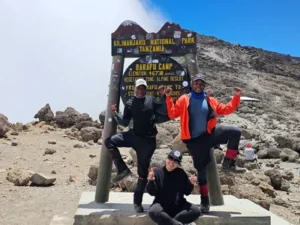
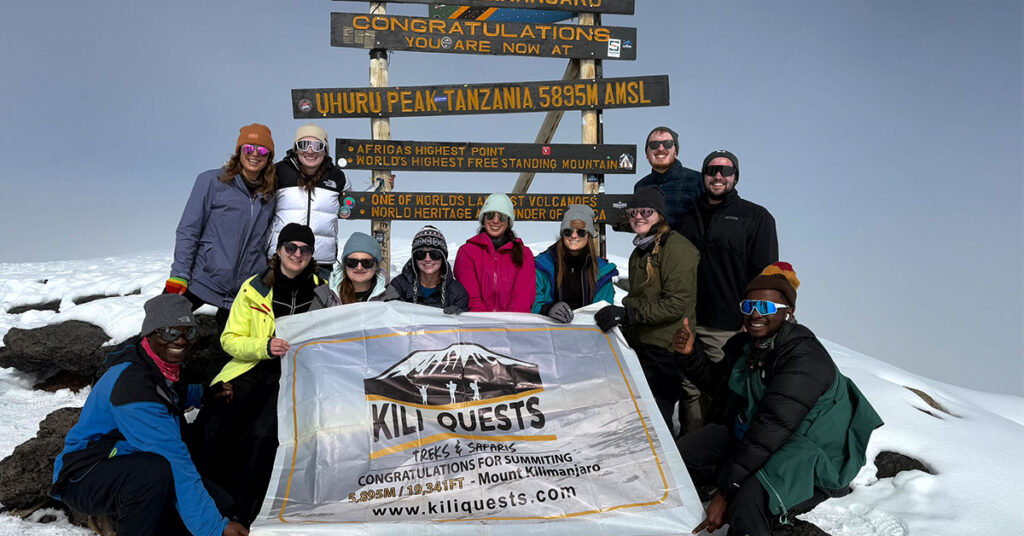
Group of trekkers celebrating together at Uhuru Peak, the summit of Mount Kilimanjaro
A dream fulfilled at 5,895m — our climber reaches the highest point in Africa

Why Climb with Kili Quests?

Expert Guidance
Our guides have decades of experience on Kilimanjaro and are WFR-certified, offering personal attention, motivation, and altitude safety expertise throughout the climb.
Custom Packages
We tailor every trek to your:
  • Preferred route and pace
  • Gear needs (rentals available)
  • Accommodation and timing preferences
Safety First
We provide:
  • Emergency oxygen and health checks
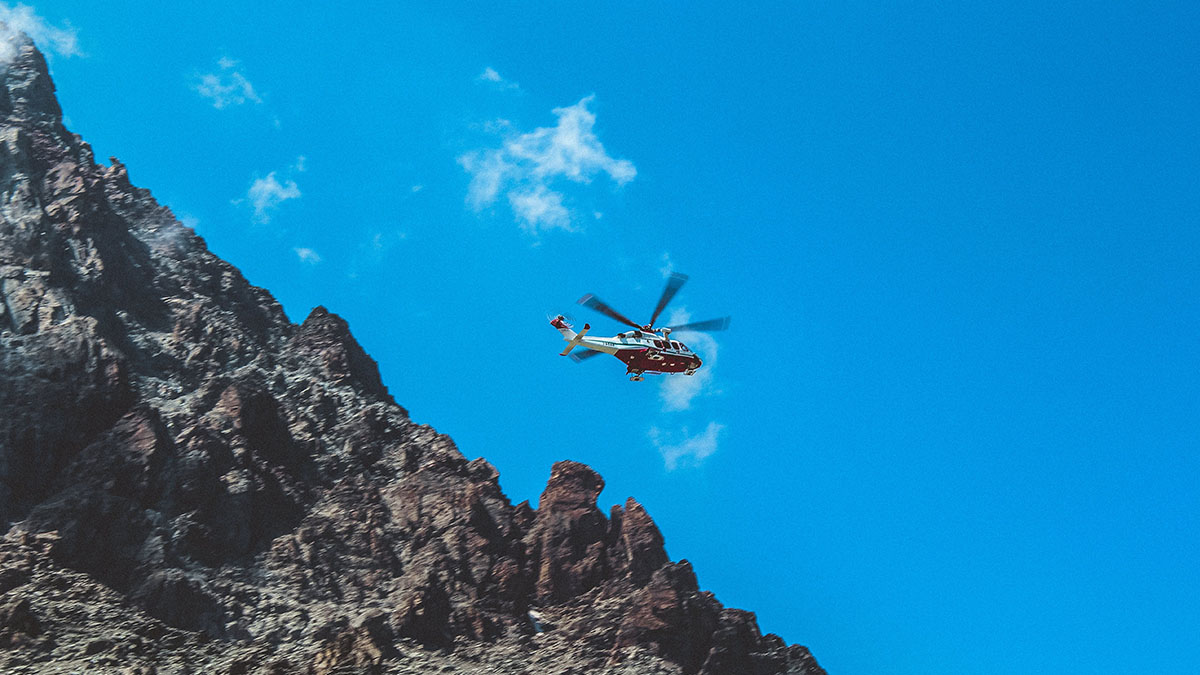
  • Direct access to evacuation services
  • High-quality gear and daily support

 A True Tanzanian Welcome

Beyond the summit, we offer a genuine cultural experience, combining the spirit of Chagga hospitality with international trekking standards.
 
How to Choose a Kilimanjaro Tour Company – Learn what sets experienced operators apart.
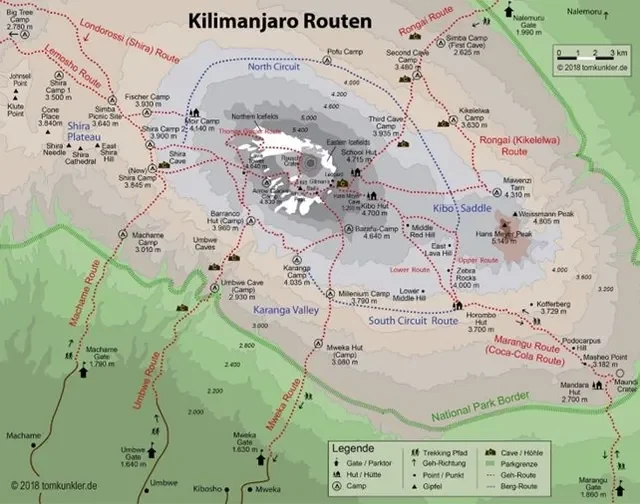
Topographic map showing all major climbing routes on Mount Kilimanjaro, including Machame, Lemosho, Marangu, Rongai, Umbwe, Shira, and Northern Circuit.
This detailed map shows all main Kilimanjaro climbing routes, including Machame, Marangu, Lemosho, Rongai, Umbwe, Shira, and the Northern Circuit, with campsites, elevation points, and park boundaries.

Choosing the Right Kilimanjaro Route

Here’s a quick overview of the top routes we offer — each with its own character and challenge:
1. Lemosho Route (8 Days)
Difficulty: Moderate to Challenging
Why Choose It:
  • Most scenic route on the mountain
  • Excellent acclimatization and success rate
  • Fewer crowds = more solitude
Ideal for photographers and first-timers who want the best balance of challenge and success.
 
2. Machame Route (7 Days)
Difficulty: Challenging
Why Choose It:
  • Diverse terrain including the famous Barranco Wall
  • High success rate with a steady ascent
  • Great for trekkers seeking adventure and views

One of the most popular routes for good reason.

3. Marangu Route (6 Days)
Difficulty: Moderate
Why Choose It:
  • Only route with hut accommodations
  • Straightforward trail and shorter duration
  • Great for beginners or travelers with limited time
Also called the “Coca-Cola Route” for its comfort and accessibility.
 
4. Rongai Route (7 Days)
Difficulty: Moderate
Why Choose It:
  • Northern approach = fewer climbers
  • Drier climate and remote trail
  • Offers unique views of Mawenzi Peak
A peaceful option with beautiful scenery and low crowds.
 
5. Umbwe Route (6 Days)
Difficulty: Very Challenging
Why Choose It:
  • Steep, direct, and fast-paced
  • For fit and experienced climbers only
  • More rugged and isolated than other routes
If you want intensity and minimal traffic, this is your route.
 
Compare Kilimanjaro Routes – Match your ability to the right trek.
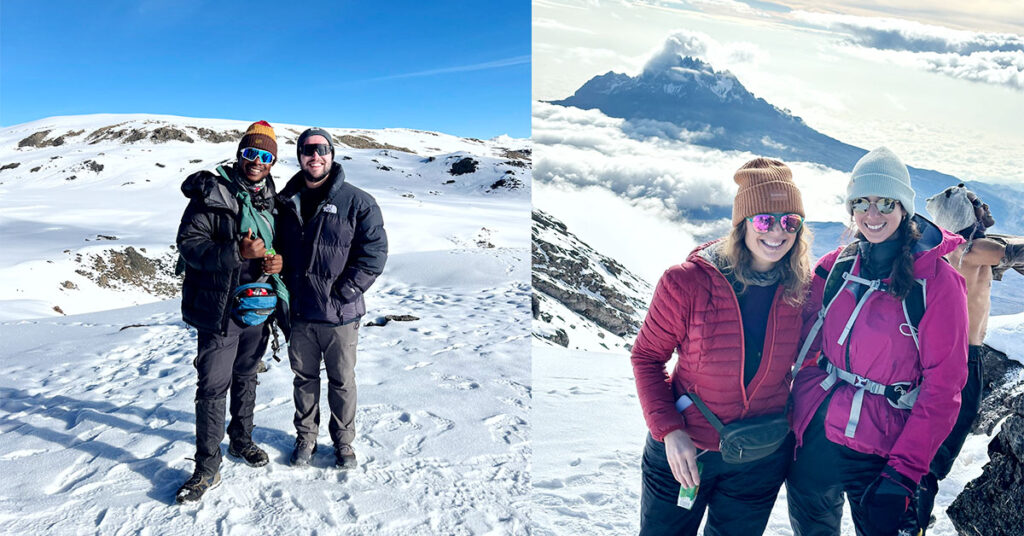
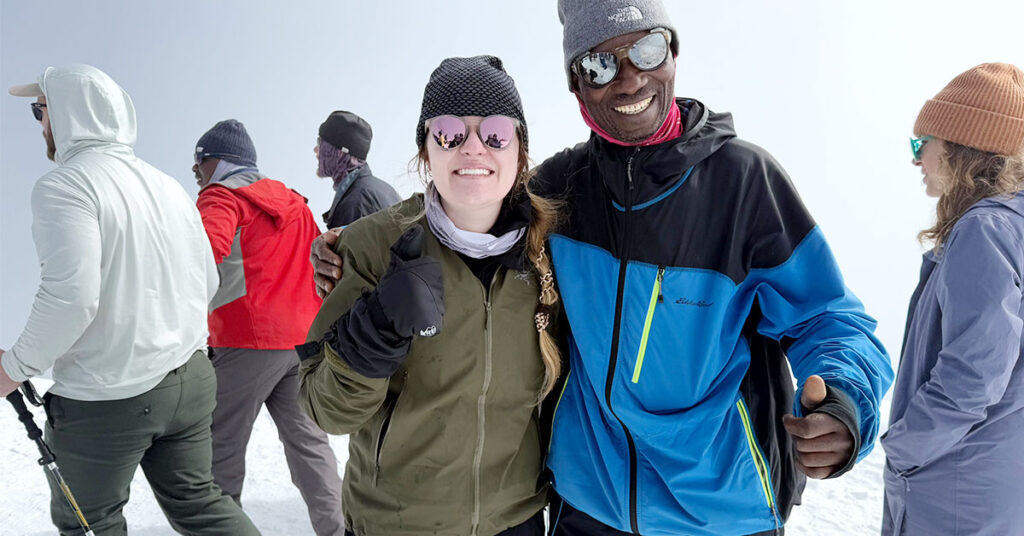
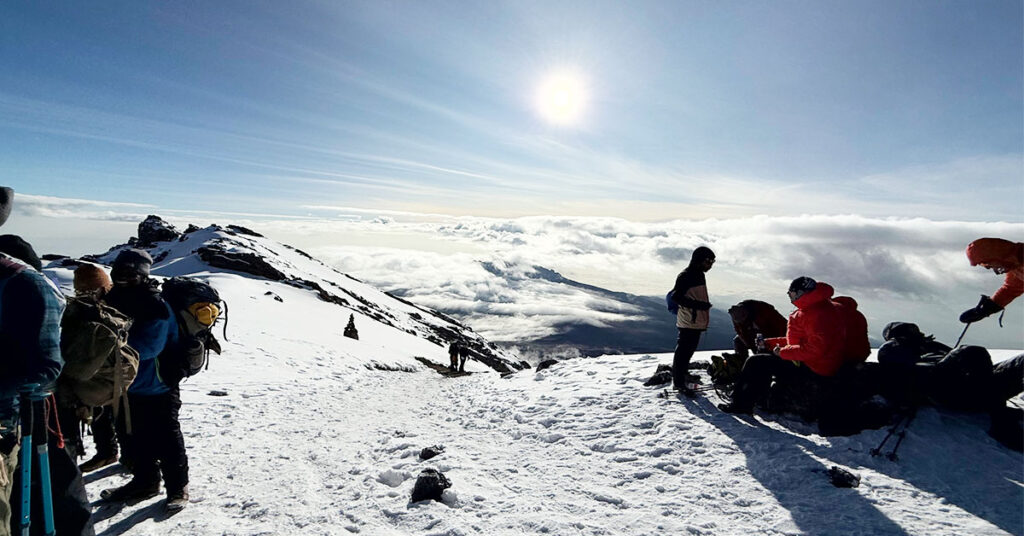
Selfie at Stella Point — 5,756 meters above sea level, just steps from the summit.

How to Book Your Kilimanjaro Climb with Kili Quests

Step 1: Contact Us
Send us a message with:
  • Your preferred route
  • Group size and travel dates
  • Any special requirements

Our team will walk you through every detail.

Step 2: Choose Your Dates
Best time to climb Kilimanjaro:
  • June to October (dry season)
  • December to February (warmer but clear)

Book early — especially during peak months.

Step 3: Prepare for the Trek
We’ll send you:
  • A complete packing list
  • Rental gear options
  • Training tips and acclimatization advice


Beginner’s Guide to Climbing Kilimanjaro – Start here if it’s your first big trek.


Step 4: Arrive and Begin the Journey
  • We’ll greet you at the airport, help you settle in Moshi or Arusha, inspect your gear, and ensure you’re 100% ready before your trek begins.
 

Why Kili Quests?

  •  Trusted by climbers from around the world
  •  Experienced, licensed, and locally owned
  •  Committed to fair porter treatment and sustainability
  •  Proven high success rates on every route
From the first step to Uhuru Peak, we’re with you every step of the way

Frequently Asked Questions About Booking a Kilimanjaro Climb

How do I book a Mount Kilimanjaro climb?

Most travelers book their trek through a licensed tour operator that arranges permits, guides, porters, and accommodation. Because independent climbing is not allowed, visitors must organize their expedition through an authorized company operating in Mount Kilimanjaro.

Which Kilimanjaro route is best for beginners?

The Lemosho Route is often recommended for beginners because it offers gradual acclimatization, beautiful scenery, and a high summit success rate. The Marangu Route is another beginner-friendly option because it provides hut accommodations instead of camping.

How long does it take to climb Mount Kilimanjaro?

Most Kilimanjaro climbs take 6 to 9 days, depending on the chosen route and acclimatization schedule. Longer itineraries allow trekkers to adjust to the altitude more gradually, which improves the chances of successfully reaching the summit.

What is the best time of year to climb Kilimanjaro?

The best times to climb Kilimanjaro are during the dry seasons from June to October and December to February. These months usually offer clearer skies, better trail conditions, and more stable weather for trekking.

Do I need climbing experience to climb Kilimanjaro?

No technical climbing experience is required. Kilimanjaro is a trekking peak, meaning climbers walk to the summit without ropes or mountaineering equipment. However, good physical fitness and proper altitude preparation are important for a successful climb.

What support team is included on a Kilimanjaro trek?

A typical Kilimanjaro expedition includes a professional mountain guide, assistant guides, cooks, and porters who carry equipment and set up camps. These team members help ensure safety, provide meals, and support trekkers throughout the journey to the summit.

Start Your Kilimanjaro Adventure Today

Are you ready to conquer the Roof of Africa?
Book your Kilimanjaro trek with Kili Quests and let our expert team guide you to the top — safely, successfully, and with memories to last a lifetime.
 
Contact us now to reserve your climb and choose the ideal route for your Kilimanjaro challenge.

Related Articles

How Cold Are Nights on Mount Kilimanjaro? Temperature Guide

Table of Contents

Mount Kilimanjaro Night Temperature: What to Expect During Your Trek and Summit Day | Kili Quests

Climbing Mount Kilimanjaro is a thrilling challenge — but many trekkers underestimate the nighttime cold at high altitudes. While days can be sunny and warm, nights on the mountain bring drastically lower temperatures, especially near the summit.

In this guide, Kili Quests explains what night temperatures to expect at each stage of your trek and how to stay warm, safe, and prepared from base camp to summit.

Understand how temperature changes across Kilimanjaro’s five climate zones.
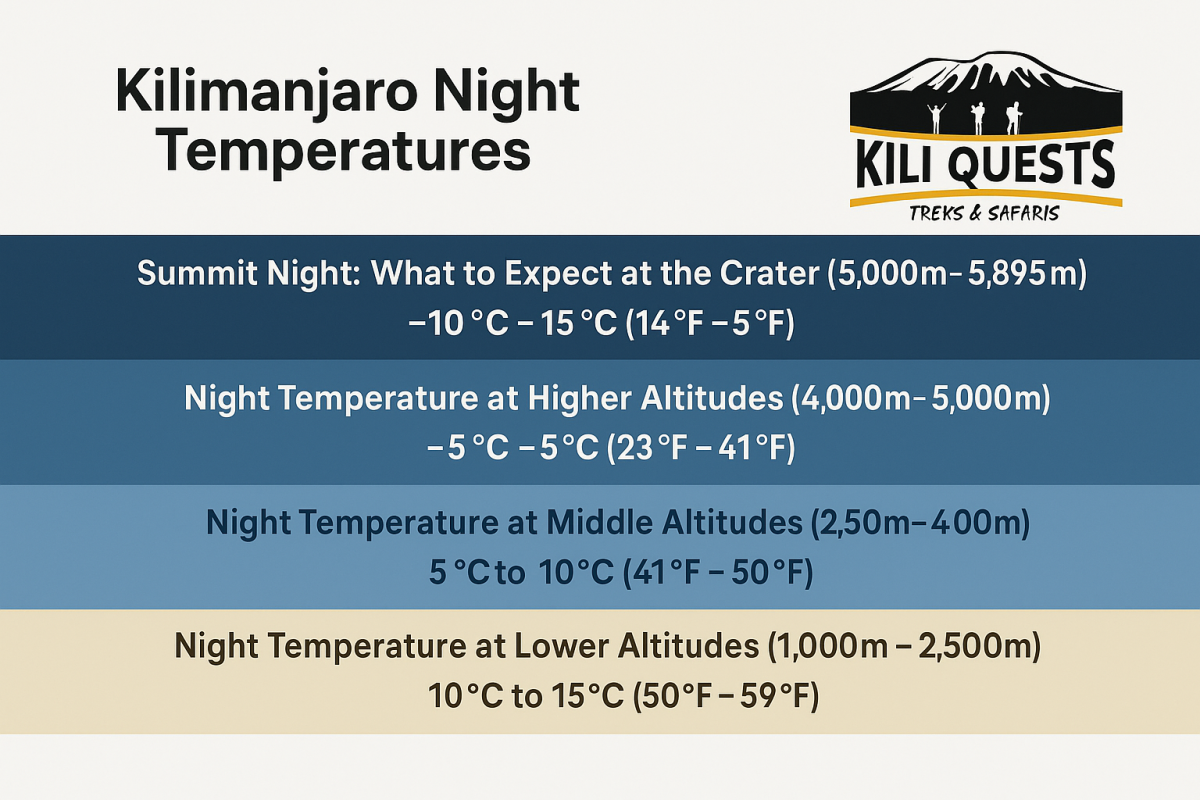
Infographic showing Kilimanjaro night temperatures at different altitudes, from 15°C at 1,000m to -15°C at the summit.
Kilimanjaro Night Temperatures by Altitude – From mild lower camps to extreme summit cold, here’s what to expect during your climb

Night Temperatures by Altitude on Kilimanjaro

1. Lower Altitudes (1,000m – 2,500m)

  • Temperature Range: 10°C to 15°C (50°F to 59°F)
  • Example Camps: Machame Gate, Rongai Start Point

What to Expect

These zones are relatively warm. Nights are cool but manageable.
What to Wear:
  • Lightweight fleece or jacket
  • Long-sleeved base layer
  • Warm socks and light gloves if needed

2. Middle Altitudes (2,500m – 4,000m)

  • Temperature Range: 5°C to 10°C (41°F to 50°F)
  • Example Camps: Shira Camp, Barranco Camp, Karanga Camp
What to Expect
Temperatures drop significantly after sunset. You’ll feel the chill.
What to Wear:
  • Insulating fleece or down jacket
  • Thermal sleeping pants
  • Beanie and gloves for warmth

Ecological Zones of Kilimanjaro: A Climber’s Guide – Learn how each zone affects your comfort and gear.

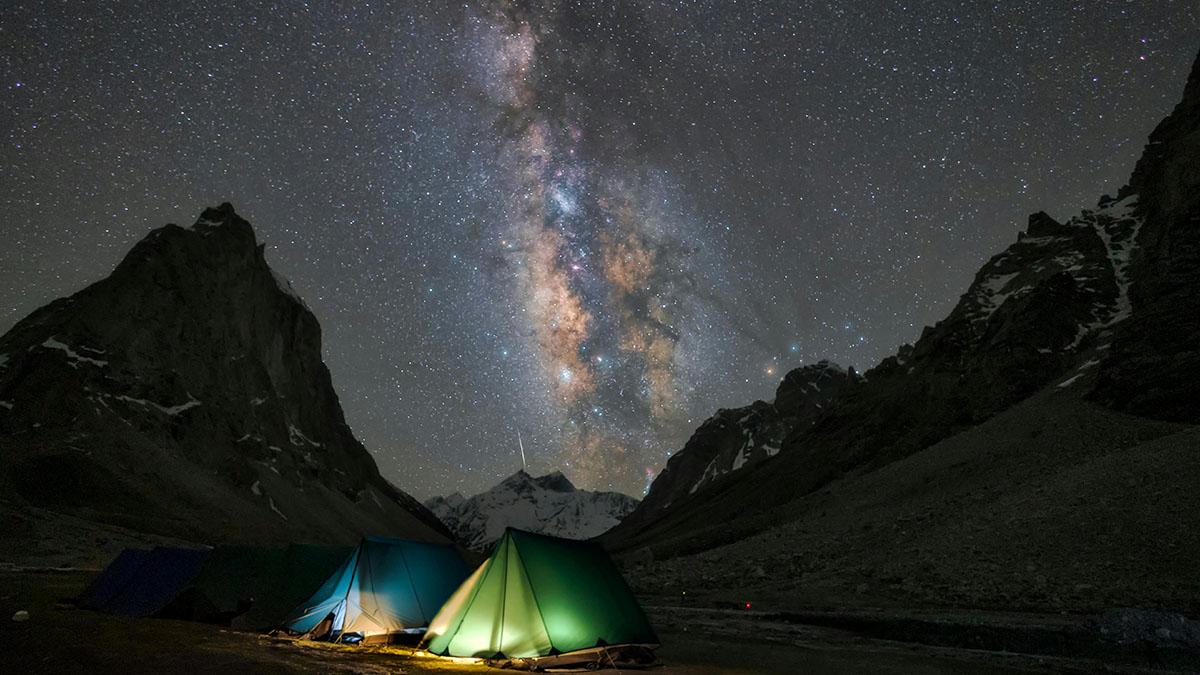
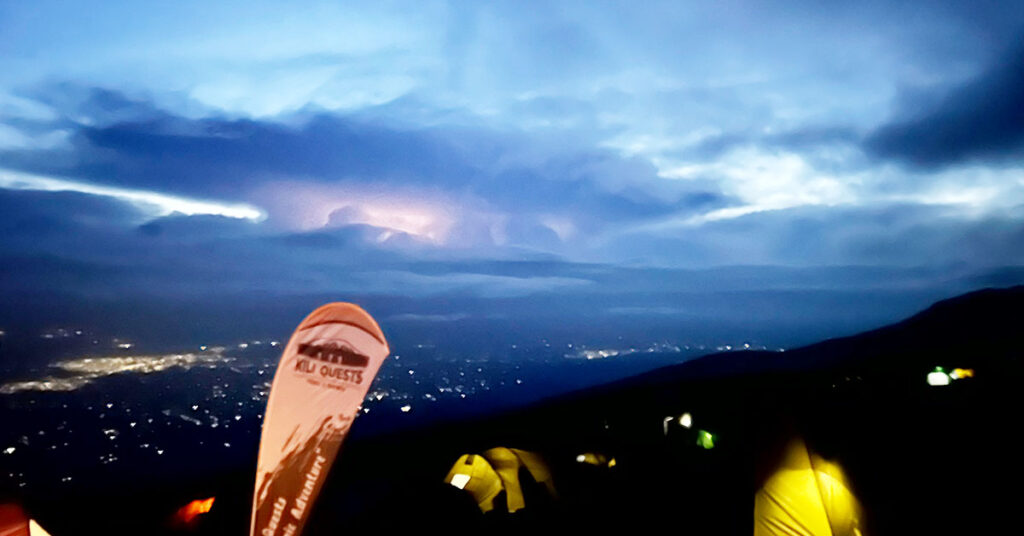
The Kili Quests flag waves under the stars — with Moshi city glowing far below.

3. High Altitudes (4,000m – 5,000m)

  • Temperature Range: -5°C to 5°C (23°F to 41°F)
  • Example Camps: Barafu Camp, Kibo Hut
What to Expect
Cold nights become extreme at this level. Warmth becomes essential for sleep and safety.
What to Wear:
  • Down or insulated jacket
  • Thermal underwear
  • Wool socks and hat
  • Cold-rated sleeping bag (-10°C or below)

4. Summit Night (5,000m – 5,895m)

  • Temperature Range: -10°C to -15°C (14°F to 5°F)
  • Trek Timing: Midnight start from Barafu to Uhuru Peak
What to Expect
This is the coldest part of the entire climb. Windchill makes it feel even colder. You’ll climb in total darkness for 6–8 hours before sunrise.
What to Wear on Summit Night:
  • Heavy-duty down jacket
  • Thermal gloves, balaclava, and face covering
  • Base layer + fleece + insulated outer layer
  • Waterproof boots + thick socks
  • Hand warmers or toe warmers (optional but helpful)

Kilimanjaro Summit Day Gear Checklist – Don’t underestimate what you need for summit night.

The journey tests you, the view rewards you. Stella Point, with Mawenzi Peak looking on.

Tips to Stay Warm on Kilimanjaro

Dress in Layers
Layering helps regulate body temperature as you move through different zones:
  • Base layer (moisture-wicking)
  • Insulating mid-layer (fleece or down)
  • Outer layer (windproof and waterproof)
Use our updated checklist to pack the right layers for chilly nights.

 Stay Hydrated & Eat Well

  • Drink 3–4 liters daily to improve circulation and prevent cold stress
  • Eat high-energy meals before bed for warmth
  • Avoid caffeine and alcohol, which can interfere with sleep and body heat
 

Use the Right Sleeping Gear

  • Bring a sleeping bag rated for -10°C to -15°C or colder
  • Add a sleeping bag liner for extra insulation
  • Sleep in clean, dry thermals to avoid heat loss

 Move When Cold

If you wake up freezing or can’t sleep:
  • Do light stretches inside your tent
  • Walk gently around camp
  • Sip warm water or tea

Final Packing Advice for Cold Nights

Before your trek, use this checklist for nighttime warmth:
  • Thermal base layers (top and bottom)
  •  Insulated down jacket
  •  Warm hat, gloves, and neck covering
  •  High-quality sleeping bag (-10°C or lower)
  •  Hand and foot warmers
  •  Dry socks and spare thermals

Frequently Asked Questions About Kilimanjaro Night Temperatures

How cold does it get at night on Mount Kilimanjaro?

Night temperatures on Mount Kilimanjaro vary depending on altitude. Lower camps may stay around 10°C to 15°C (50°F to 59°F), while higher camps can drop to -5°C to 5°C (23°F to 41°F). Near the summit during the midnight ascent, temperatures can fall to -10°C to -15°C (14°F to 5°F) or colder with windchill.

Why are nights so cold on Kilimanjaro?

Kilimanjaro’s high altitude and thin atmosphere cause temperatures to drop sharply after sunset. The mountain also passes through multiple climate zones, from tropical forest to arctic summit conditions, which leads to significant nighttime cooling.

What is the coldest part of the Kilimanjaro climb?

The coldest part of the trek is summit night, when climbers usually start their ascent from high camps such as Barafu or Kibo Hut around midnight. Temperatures are well below freezing and strong winds can make it feel even colder.

What sleeping bag rating is recommended for Kilimanjaro?

Trekkers should bring a sleeping bag rated for at least -10°C to -15°C (14°F to 5°F). This rating ensures enough insulation to stay warm during cold nights at higher camps on Kilimanjaro.

How can you stay warm at night on Kilimanjaro?

Staying warm requires proper layering, warm sleeping gear, and dry clothing. Wearing thermal base layers, using a quality down jacket, and sleeping in a cold-rated sleeping bag can help maintain body heat during the cold nights on the mountain.

Does the temperature change between Kilimanjaro camps?

Yes. Temperatures generally decrease as climbers gain altitude. Lower camps in forest zones remain relatively mild, while camps in alpine and summit zones experience freezing conditions, especially overnight.

Prepare for Kilimanjaro’s Night  Temperatures with Confidence

Kilimanjaro’s beauty comes with extremes — especially at night. But with the right preparation, you’ll stay warm, sleep well, and climb strong.
 
At Kili Quests, we guide you through every detail, from recommended gear to how to dress for summit night. You can rent high-quality gear locally if you need extra layers.


Related Articles

Kilimanjaro Travel Insurance: High-Altitude Emergency Guide

Table of Contents

The Best Medical Insurance for Kilimanjaro Treks: What You Need to Know for Emergencies | Kili Quests

Climbing Mount Kilimanjaro is a thrilling adventure, but it also comes with real risks — especially at high altitudes where medical help is limited.
 
That’s why emergency evacuation insurance is one of the most important things to arrange before your climb. At Kili Quests, we help trekkers prepare for every scenario, including worst-case situations.
 
In this guide, we’ll walk you through:
  • Why evacuation insurance matters
  • What to look for in a policy
  • Recommended providers
  • And key health tips for safe trekking
Rocky trails, steady pace — our client pushes upward on Kilimanjaro’s challenging slopes.

Why Emergency Evacuation Insurance Is Essential

1. Altitude Sickness Can Strike Anyone
Symptoms often begin above 3,000 meters, and in serious cases, immediate descent is critical. Evacuation insurance ensures you can:
  • Be transported quickly to lower elevation
  • Access proper medical care
  • Avoid delays due to cost or logistics
2. Difficult Terrain = Limited Access
Mount Kilimanjaro’s trails are rugged and remote. If a serious issue occurs, you might need:
  • Helicopter evacuation
  • Ambulance services
  • Ground transfer to hospital
  • These services can cost thousands of dollars without coverage.
3. Peace of Mind During the Trek
With proper insurance, you can focus on enjoying your climb knowing:
  • Help is available if needed
  • You’re financially protected
  • Your safety is prioritized, not delayed
Altitude is the biggest risk — make sure your insurance covers quick and reliable evacuation.

 What to Look for in Kilimanjaro Evacuation Insurance

 Must-Have Coverage:
Helicopter evacuation from Kilimanjaro
  • Ambulance transport to the nearest hospital
  • Emergency descent due to altitude sickness
  • Treatment coverage at clinics or hospitals

High-Altitude Trekking Clause

Not all travel insurance policies include:
  • Coverage above 3,000 meters
  • High-altitude trekking without technical climbing

Tip: Look for policies that cover activities up to 6,000 meters — Kilimanjaro’s summit is 5,895m.

4.24/7 Global Emergency Support
Your provider should offer:
  • A 24/7 emergency line (international)
  • Support to coordinate rescue and care
  • Pre-approved providers in Tanzania

  Recommended Kilimanjaro Insurance Providers

We’ve received these trusted names directly from Tanzania’s helicopter evacuation company. If your insurance isn’t listed, share it with us and we’ll confirm if it’s accepted.
 Reliable Providers Include:
  • Europ Assistance (France)
  • Passport Card (Israel)
  • Protrip (Dr. Walter) (Germany)
  • Allianz Travel (UK)
  • AIG Travel Insurance (USA)
  • Redpoint Travel Protection (USA)
  • Magen Search & Rescue / Clal (Israel)
  • Magnus International Rescue (Israel)
  • Blue Insurance (Ireland)
  • AXA Travel Insurance
  • Sports Cover Direct (UK)
  • Lloyd’s of London
  • LV Insurance (UK)
  • NIB Travel Insurance (Australia)
  • ASC360 Insurance
  • On Call International (USA)
  • SOS international
  •  Global rescue
  •  World nomad
  •  AMREF
  •  Matuede insurance (France/Ireland)
  •  EUROP ASSISTANCE (France)
  •  Sports cover direct
  •  Malayan insurance
  •  AIG TRAVEL INSURANCE (USA)
  •  JS travel insurance
  •  LV insurance
  •  Allianz travel
  •  REDPOINT TRAVEL PROTECTION (USA)
  •  MAGEN SEARCH&RESCUE/ CLAL INSURANCE (ISRAEL)
  •  Faye travel insurance
  •  Travellex
  •  ON CALL INTERNATIONAL (USA)
  •  HAREL INSURANCE COMPANY (ISRAEL)
  •  INTERNATIONAL MEDICAL GROUP (GLOBAL RESPONSE)
  •  GOUDA (Denmark)
  •  DISCOVERY (South Africa)
  •  Redpoint travel protection
  •  MAGNUS INTERNATIONAL SEARCH AND RESCUE (ISRAEL)
  •  Tryg forsikring
  •  BLUE INSURANCE (IRELAND)
  •  Fast cover
  •  AXA TRAVEL INSURANCE
  •  PASSPORT CARD (Israel)
  •  Campbell irvine
  •  Geo blue
  •  Discovery
  •  PROTRIP (DR. WALTER) (Germany)
  •  Big cat
  •  ALLIANZ TRAVEL (UK)
  •  SPORTS COVER DIRECT (UK)
  •  LLOYD’S OF LONDON INSURANCE (UK)
  •  LV INSURANCE (UK)
  •  NIB TRAVEL (AUSTRALIA)
  •  True cover
  •  True travellor
  •  ASC360 INSURANC

If unsure, send us your policy — we’ll contact the evacuation company and get confirmation.

A chilling welcome at Stella Point — icy silence, breathtaking views, and summit dreams alive.

 How to Buy the Right Insurance

 Book Early
  • Purchase your policy before your trek starts
  • Avoid last-minute errors or exclusions
 Compare Coverage
  • Focus on evacuation limits, altitude clauses, and exclusions
  • Read the fine print or call for clarification
Confirm Key Inclusions:
  • Helicopter evacuation
  • Trekking up to 6,000 meters
  • Emergency treatment and transport
  • COVID-19 coverage (optional, but helpful)

 Health and Safety Tips for Trekkers

 Stay Fit Before the Climb
  • Do cardio, strength training, and hiking practice
  • A stronger body = fewer health risks on the mountain
Know the Symptoms of Altitude Sickness
  • Headache, dizziness, nausea
  • Fatigue or shortness of breath
  • If symptoms appear, notify your guide immediately
 Follow the Acclimatization Schedule
  • Trek slowly and take breaks
  • Drink plenty of water
  • Use short hikes for gradual elevation gain
Our Acclimatization Guide Follow these tips to help your body adjust safely.

Be Prepared with the Right Insurance

Evacuation insurance is not optional — it’s your lifeline on the mountain. It protects you from massive bills and gives you fast access to rescue services when needed most.
 
At Kili Quests, we advise every client to secure insurance before arrival and ensure it includes helicopter evacuation and high-altitude coverage.

Frequently Asked Questions About Kilimanjaro Travel Insurance

Do you need travel insurance to climb Mount Kilimanjaro?

Yes. While not always legally required, travel insurance with emergency evacuation coverage is strongly recommended for anyone climbing Mount Kilimanjaro. The mountain’s high altitude and remote terrain mean that medical emergencies may require rapid evacuation and specialized care.

Does Kilimanjaro insurance need to cover high-altitude trekking?

Yes. Many standard travel insurance policies only cover activities up to 3,000 meters. Because Kilimanjaro reaches 5,895 meters, your policy should specifically include high-altitude trekking coverage up to at least 6,000 meters.

Does travel insurance for Kilimanjaro include helicopter evacuation?

Many specialized adventure travel insurance policies include helicopter evacuation from the mountain in case of serious illness or injury. Rescue operations are typically coordinated through park authorities and emergency services working within Kilimanjaro National Park.

What medical emergencies are most common on Kilimanjaro?

The most common medical issue climbers face is altitude sickness, which can occur when ascending too quickly. Other potential concerns include dehydration, exhaustion, injuries from slips or falls, and cold-related conditions during summit night.

How much does Kilimanjaro evacuation cost without insurance?

Emergency evacuations from Kilimanjaro can cost several thousand dollars, especially if helicopter rescue is required. Travel insurance helps cover these expenses and ensures climbers receive rapid medical assistance if needed.

When should you buy travel insurance for a Kilimanjaro trek?

Travel insurance should be purchased soon after booking your trip. Buying early ensures coverage for unexpected issues before departure and guarantees that your policy is active throughout the entire trekking period.

 Let Us Help You Prepare for a Safe Adventure

 Contact Kili Quests today to:

  • Get help choosing the right policy
  • Confirm if your insurance is accepted
  • Ask questions about coverage, altitude, or emergencies
Let’s make sure your adventure is safe, smart, and unforgettable.

Related Articles

Kilimanjaro Medicines List: What to Bring for Altitude

Table of Contents

Essential Medication and Health Tips for Your Kilimanjaro Trek | Kili Quests

Climbing Mount Kilimanjaro is an incredible adventure — but staying healthy on the mountain is just as important as reaching the summit.

At Kili Quests, we believe that proper health preparation and essential medication can make the difference between success and an early descent. In this guide, we’ll help you pack smart, stay strong, and respond to altitude-related issues confidently.

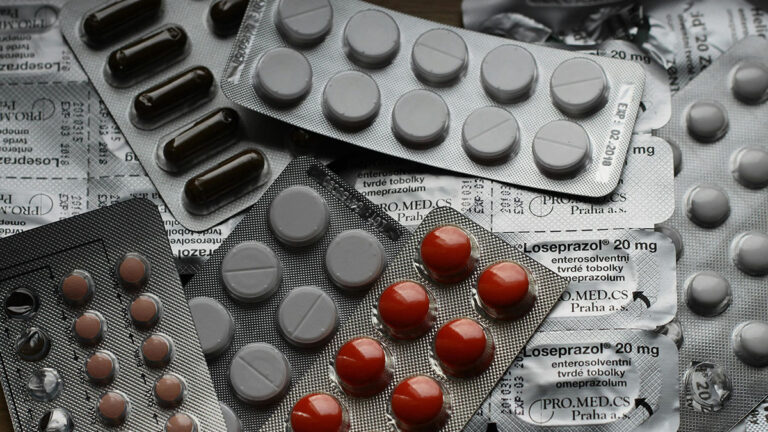
Painkiller carried for use during the climb

Essential Medication to Bring for Kilimanjaro

1. Altitude Sickness Medications

Altitude sickness affects many trekkers. While acclimatization is your first defense, medication can help manage symptoms.

  • Diamox (Acetazolamide) – Prescription only. Take 1 day before the climb and throughout your trek. Helps speed up acclimatization.
  • Ibuprofen or Paracetamol – Relieves altitude headaches and mild discomfort.
Consult your doctor before using Diamox or any prescription medication.
2. Anti-Nausea Medication
Higher altitudes can cause nausea, especially if dehydrated or fatigued.
  • Gravol / Dramamine – Helps control nausea, motion sickness, and dizziness.
3. Personal Medications
If you’re on regular medication, carry enough for your entire trip. Examples include:
  • Inhalers (e.g. asthma)
  • Allergy medications
  • Diabetes treatments
  • Any long-term prescription drugs

 Tip: Carry a note from your doctor outlining your condition and meds in case of emergencies.

General Health Tips for Your Trek

Stay Hydrated
Dehydration worsens altitude sickness. Make water a priority.
  • Drink 3–4 liters daily
  • Use a refillable bottle + water bladder
  • Bring purification tablets or filters to treat mountain water
Protect Your Skin and Eyes
Sun intensity increases with altitude.
  • SPF 30–50+ sunscreen (reapply often)
  • SPF lip balm
  • Sunglasses with full UV protection
  • Hat for face and neck shade
Pack a Personal First Aid Kit
Your guides carry medical supplies, but a personal kit adds peace of mind.


Include:
  • Bandages and blister pads
  • Antiseptic wipes
  • Tweezers and scissors
  • Antihistamines
  • Anti-diarrheal meds (e.g. Imodium)

Altitude Sickness: Know the Symptoms

Even mild symptoms need attention. Tell your guide immediately if you notice:
  • Headache
  • Nausea or vomiting
  • Dizziness or fatigue
  • Loss of appetite
  • Difficulty breathing
Severe symptoms (like confusion or inability to walk) may require descent or evacuation. Our team is trained to spot and respond to these quickly.
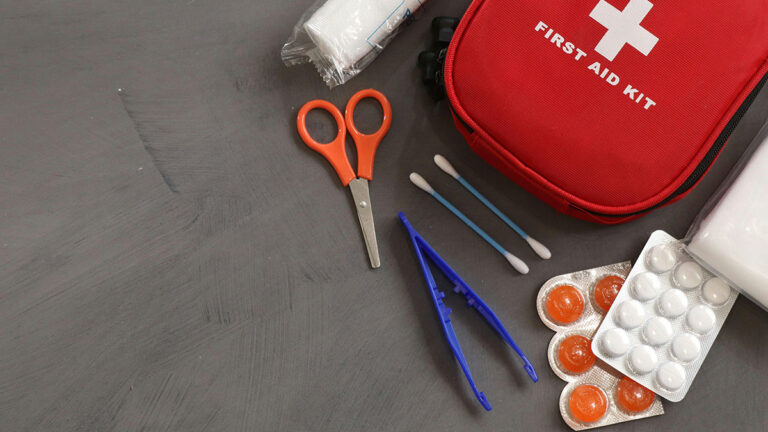
Essential first aid supplies for mountain safety.

Sleep, Rest & Recovery

High altitude can affect sleep quality. These tips help you rest well:
  • Use earplugs and a sleep mask in noisy or bright camps
  • Avoid alcohol – it hinders acclimatization
  • Take breaks during the day and pace yourself during hikes
  • Eat small meals regularly for sustained energy
Your body recovers and adjusts while you sleep — so don’t skip rest.

When to Seek Medical Help

Always communicate with your guide. Seek help if you experience:
  • Confusion or slurred speech
  • Trouble walking
  • Loss of consciousness
  • Chest pain or extreme breathlessness
“Don’t risk your summit for silence.” Our guides are trained and equipped to act fast.

 Bonus Tips from Kili Quests

  • Have emergency medical insurance that covers high-altitude evacuation
  • Eat balanced meals rich in carbs and protein
  • Stay warm and dry — wet clothes can lead to illness
  • Pack wisely to avoid carrying excess weight
See what we serve on the mountain – Balanced meals help with energy and recovery.

Frequently Asked Questions About Health and Medication for Kilimanjaro Treks

What medications should you bring for a Kilimanjaro climb?

Trekkers climbing Mount Kilimanjaro commonly bring medications for altitude sickness, headaches, nausea, and digestive issues. These often include Acetazolamide for acclimatization, basic pain relievers like Ibuprofen or Paracetamol, anti-nausea medication, and personal prescription medicines.

Do you need Diamox for climbing Kilimanjaro?

Many trekkers use Acetazolamide to help their bodies adjust to high altitude. While it is not required, it can reduce symptoms of altitude sickness when used properly. Always consult a doctor before taking prescription medication before your trek.

What are the symptoms of altitude sickness on Kilimanjaro?

Common symptoms include headache, nausea, dizziness, fatigue, loss of appetite, and difficulty sleeping. If symptoms worsen, climbers may experience confusion, severe breathlessness, or loss of coordination. Guides monitor these signs carefully during climbs on Mount Kilimanjaro.

How can you prevent altitude sickness on Kilimanjaro?

The best prevention methods include slow ascent, proper acclimatization schedules, staying well hydrated, eating regularly, and getting enough rest. Many trekking itineraries also include acclimatization hikes to help the body adjust gradually to higher elevations.

Should you bring a personal first aid kit for Kilimanjaro?

Yes. While professional guides carry medical kits, trekkers should bring a small personal first aid kit with items like blister pads, antiseptic wipes, bandages, antihistamines, and anti-diarrheal medication. This helps manage minor issues quickly during the trek.

Is it safe to climb Kilimanjaro if you prepare properly?

Yes. With proper training, acclimatization, and support from experienced guides, climbing Kilimanjaro is considered a safe high-altitude trekking adventure. Good preparation, awareness of symptoms, and proper medical planning significantly improve both safety and summit success

 Stay Healthy and Summit with Confidence

 Your health is your summit strategy. With proper medication, hydration, protection, and awareness, you’ll give yourself the best shot at reaching Uhuru Peak.At Kili Quests, we take your health seriously — our guides are trained, our itineraries are smart, and our support is 24/7.
 
 Ready to climb with safety and strength?
Contact Kili Quests today to start planning your adventure with full health guidance and support at every step.

Related Articles

How to Acclimatize on Mount Kilimanjaro & Avoid Altitude Sickness

Plan Your Kilimanjaro Climb Safely

Altitude is the biggest challenge on Kilimanjaro — the right route and preparation can make the difference between turning back and reaching the summit.

Choose Your Route

Your acclimatization depends on your route choice. Explore the best Kilimanjaro routes for your goals.

OUR CATEGORIES

How to Properly Acclimatize on Mount Kilimanjaro (Complete Guide for Safe Summit Success)

Climbing Mount Kilimanjaro is one of the most rewarding adventures in the world  but altitude is the single biggest factor that determines whether you reach the summit or turn back early. Many climbers underestimate how quickly altitude affects the body, and even strong, fit hikers can struggle if they don’t acclimatize properly.Understanding how your body reacts to altitude, choosing the right route, and following proven acclimatization strategies can make the difference between failure and standing on Uhuru Peak.
 
Before diving into the strategies, it’s important to understand how altitude sickness on Kilimanjaro develops and why acclimatization is your strongest defense.
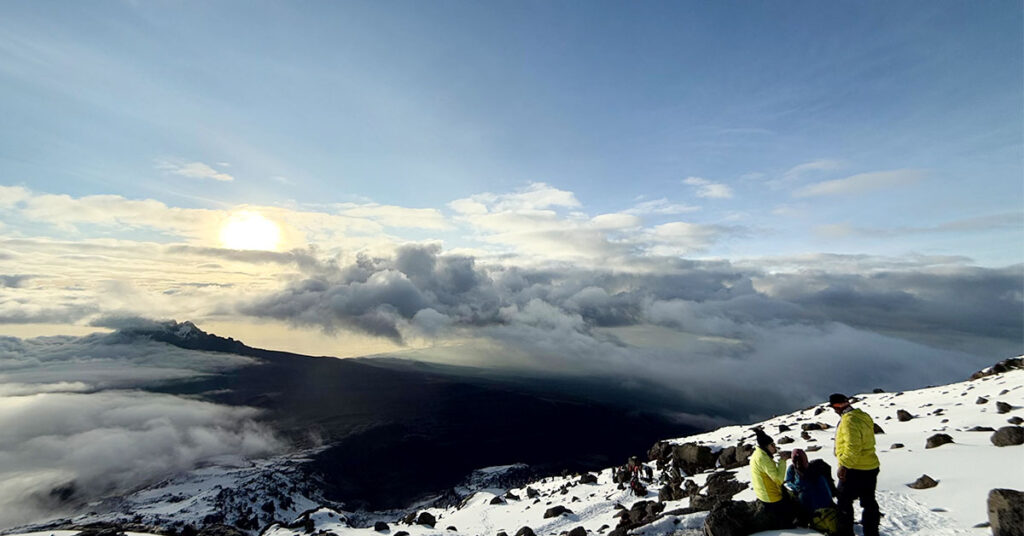
Arrival at Barafu Camp — the final base before the summit push

Understanding Acclimatization: What You Need to Know

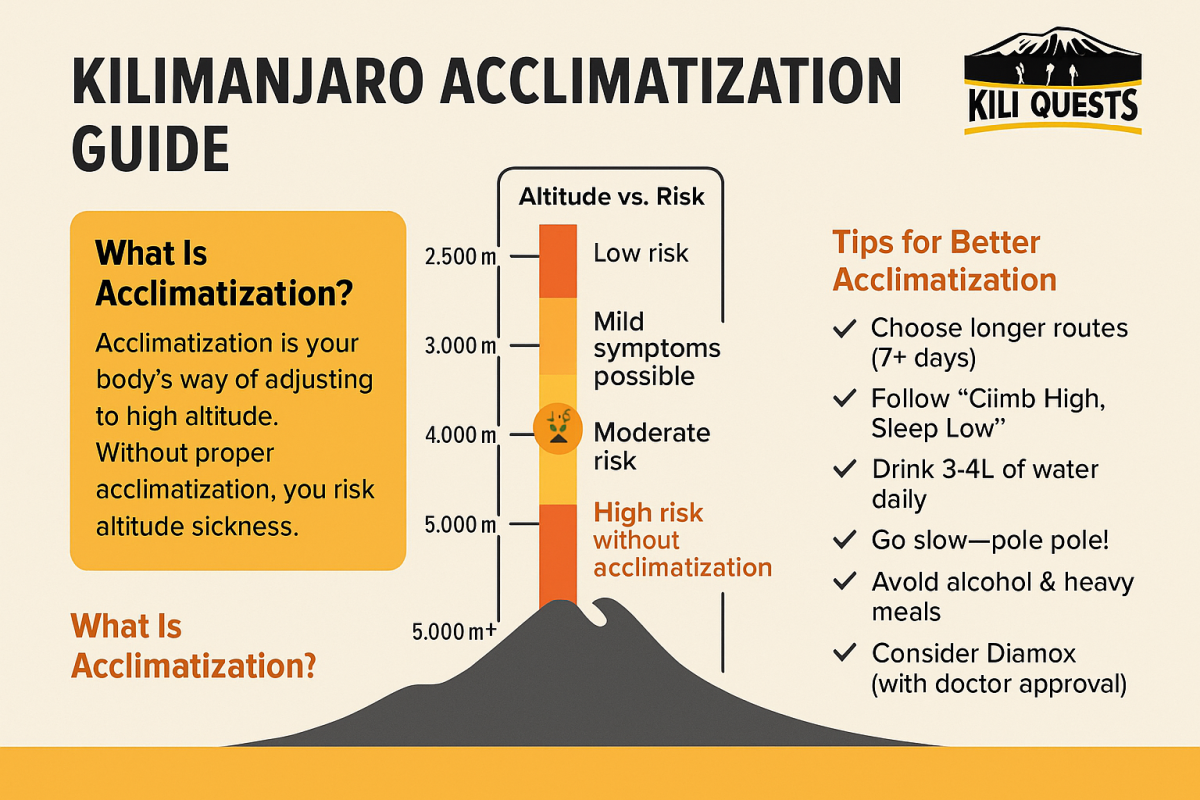
Kilimanjaro acclimatization guide infographic showing altitude risks and tips for avoiding altitude sickness on the climb
Acclimatization on Kilimanjaro – Understanding altitude and adjusting gradually is the key to reaching Uhuru Peak safely.

Table of Contents

What Is Acclimatization and Why It Matters on Kilimanjaro

What Happens to Your Body at High Altitude

As you climb higher on Kilimanjaro, oxygen levels decrease significantly. At the summit (5,895 meters), there is roughly half the oxygen available compared to sea level. Your body must adapt to this change through several physiological responses:
  • Breathing becomes faster and deeper
  • Heart rate increases to circulate oxygen more efficiently
  • The body produces more red blood cells over time
  • Energy levels drop as oxygen becomes limited

This adaptation process is called acclimatization. If your body does not have enough time to adjust, symptoms of altitude sickness begin to appear.

To fully understand how altitude impacts your body, it’s helpful to read our detailed guide on altitude sickness on Kilimanjaro, including symptoms and prevention.

Why Acclimatization Is Critical for Summit Success

Altitude sickness is the main reason climbers fail to reach the summit. It does not depend on fitness, age, or experience  anyone can be affected.Common symptoms include:
  • Persistent headache
  • Nausea or loss of appetite
  • Fatigue and dizziness
  • Difficulty sleeping
In more serious cases, conditions like High Altitude Pulmonary Edema (HAPE) or High Altitude Cerebral Edema (HACE) can occur, which require immediate descent.
 

Proven Acclimatization Strategies on Kilimanjaro

Climb High, Sleep Low

One of the most effective techniques used on Kilimanjaro is the “climb high, sleep low” strategy. During the day, you ascend to a higher elevation, then descend slightly to sleep at a lower altitude.This allows your body to adapt without excessive stress and significantly reduces the risk of altitude sickness. Routes that naturally include this profile tend to have much higher success rates.

Walk Slowly and Maintain a Steady Pace

Speed is not your friend on Kilimanjaro. Moving too quickly reduces your body’s ability to adapt.
  • Walk slowly and consistently
  • Focus on breathing rhythm
  • Avoid rushing to camp
Guides often use the phrase “pole pole” (slowly, slowly) ,and following this advice is one of the most important things you can do.If you’re preparing physically, following a structured Kilimanjaro training plan will help your body handle long trekking days more efficiently.
 
Proper physical preparation also plays a role, and following a structured Kilimanjaro training plan can make it easier for your body to adapt during the climb.

Use Acclimatization Walks at Camp

Short acclimatization hikes after reaching camp are extremely effective. These are usually 100–200 meters above camp and done at a relaxed pace.
These walks:
  • Encourage your body to adapt faster
  • Improve oxygen efficiency
  • Prepare you for the next day’s elevation gain
This strategy is commonly used on well-designed routes and plays a major role in improving summit success.

Stay Hydrated and Eat Properly

Hydration is essential at altitude. As you climb, your body loses fluids more quickly through breathing and exertion.
  • Drink 3–4 liters of water per day
  • Eat high-carbohydrate meals for energy
  • Maintain protein intake for recovery
Poor hydration and nutrition can significantly increase your risk of altitude sickness.

Choosing the Right Route for Better Acclimatization

Not all Kilimanjaro routes are equal. Some are short and steep, while others are longer and designed to allow gradual adaptation.Choosing the right route is one of the most important decisions you will make. If you haven’t already, read the full Kilimanjaro routes comparison guide to understand how each route differs.
 
If you’re unsure which route fits your goals, our Kilimanjaro routes comparison guide explains the differences in difficulty, duration, and success rates.

Best Routes for Acclimatization

The following routes provide the best acclimatization profiles:
  • Lemosho Route (7–8 days) – gradual ascent, excellent success rate
  • Northern Circuit Route (9–10 days) – longest route with maximum adaptation time
  • Machame Route (6–7 days) – good balance of challenge and acclimatization
Shorter routes like Marangu or Umbwe give less time for adjustment and are associated with lower success rates.
 
The success of acclimatization is strongly influenced by timing, so choosing the best time to climb Kilimanjaro can improve your overall experience.

Recognizing Altitude Sickness Early

Understanding symptoms early can prevent serious complications.

Early Warning Signs

  • Headache that doesn’t go away
  • Loss of appetite
  • Light-headedness
  • Fatigue

What You Should Do Immediately

  • Inform your guide right away
  • Rest and hydrate
  • Avoid further ascent until symptoms improve
  • Descend if symptoms worsen

Your guide plays a critical role in monitoring your condition and making decisions that keep you safe.

Understanding these symptoms early is critical, which is why every climber should read about altitude sickness symptoms and treatment on Kilimanjaro before the trek.
Stella Point in ice — standing where time stands still and the summit is just within reach.

Why Experienced Guides Make a Difference

Climbing Kilimanjaro is not just about physical strength , it’s about making the right decisions at the right time.
Professional guides:

  • Monitor your oxygen levels and symptoms daily
  • Adjust pace and schedule when needed
  • Plan acclimatization walks strategically
  • Make critical decisions about ascent or descent

At Kili Quests, our team is trained to prioritize safety while maximizing your chances of reaching the summit.

Experienced guides play a major role in your success, especially when combined with a well-planned itinerary like those outlined in our Kilimanjaro climbing packages.

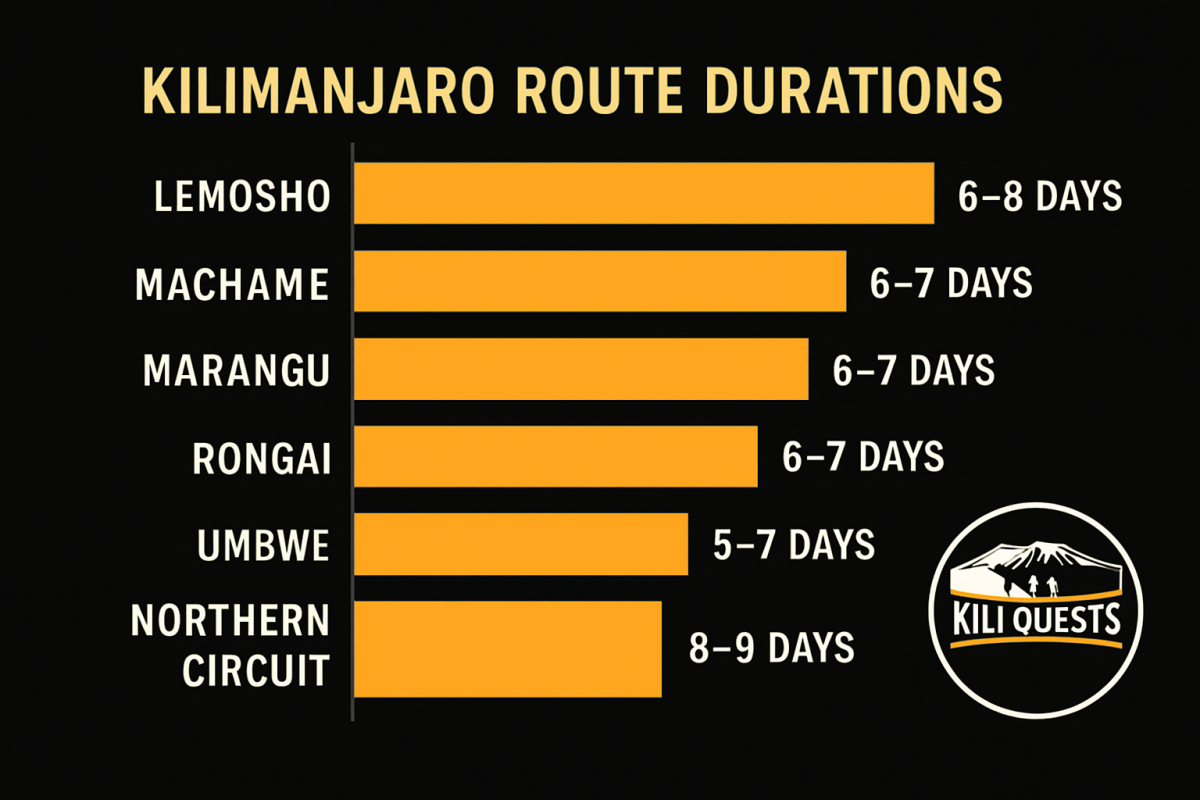
Infographic showing durations of Kilimanjaro routes: Lemosho (6–8 days), Machame (6–7), Marangu (6–7), Rongai (6–7), Umbwe (5–7), and Northern Circuit (8–9 days)
Kilimanjaro Route Durations – Compare how many days each route takes so you can choose the one that fits your schedule and acclimatization needs.

Acclimatization Is the Key to Reaching Uhuru Peak

Reaching the summit of Kilimanjaro is not about speed or strength  it’s about patience, preparation, and proper acclimatization.To give yourself the best chance of success:

  • Choose a longer route with gradual ascent
  • Follow “climb high, sleep low” principles
  • Walk slowly and stay hydrated
  • Listen to your body and your guide

When these factors come together, your chances of standing on Uhuru Peak increase dramatically.

Frequently Asked Questions About Acclimatization on Kilimanjaro

How do you acclimatize properly on Mount Kilimanjaro?

Proper acclimatization on Kilimanjaro involves gaining altitude gradually while allowing your body time to adjust to lower oxygen levels. This is achieved by choosing longer routes, maintaining a slow and steady pace, staying hydrated, and following the “climb high, sleep low” principle. Trekkers who follow these strategies give their bodies enough time to adapt, significantly improving their chances of reaching the summit.

How many days do you need to acclimatize on Kilimanjaro?

Most successful Kilimanjaro climbs take between 6 and 9 days, depending on the route. Longer itineraries such as the Lemosho Route or Northern Circuit Route provide more time for acclimatization and result in higher summit success rates. Shorter climbs may save time but increase the risk of altitude sickness.

What is the best route for acclimatization on Kilimanjaro?

Routes like the Lemosho Route and Northern Circuit Route are considered the best for acclimatization because they offer gradual elevation gain and extra trekking days. These routes allow your body to adjust naturally, reducing the risk of altitude sickness and increasing the likelihood of reaching Uhuru Peak.

How much water should you drink while acclimatizing?

Climbers are generally advised to drink between 3 and 4 liters of water per day while on the mountain. Proper hydration supports circulation, improves oxygen delivery, and helps reduce the effects of altitude. Dehydration can worsen symptoms of altitude sickness, making hydration a critical part of acclimatization.

Can you prevent altitude sickness completely?

Altitude sickness cannot be completely prevented, but it can be significantly reduced with proper acclimatization strategies. Choosing the right route, ascending slowly, staying hydrated, and listening to your guide all play a major role in minimizing risk.

Plan Your Kilimanjaro Climb with Confidence

Acclimatization is one of the most important parts of your Kilimanjaro journey  and having the right support makes all the difference.At Kili Quests, we design every climb with your safety, comfort, and success in mind. From choosing the best route to guiding you step by step on the mountain, we ensure you are fully prepared for altitude.If you’re still planning your trip, understanding the best time to climb Kilimanjaro and the cost of climbing Kilimanjaro will help you make informed decisions.
 
Understanding the cost of climbing Kilimanjaro and preparing at the right time can make a significant difference.


Related Articles

Kilimanjaro Packing List 2026: What to Bring for Your Climb

Pack Smart for Kilimanjaro

Packing the wrong gear can make your climb harder than it needs to be  especially on summit night.
At Kili Quests, we help you:

Ready for Your Kilimanjaro Climb?

Packing is just one part  route, pace, and acclimatization matter too.At Kili Quests, we help you:

OUR CATEGORIES

Kilimanjaro Packing List: Essential Gear for Your Trek | Kili Quests

Why Packing Properly Matters on Kilimanjaro

Packing for Mount Kilimanjaro is not like packing for a normal trip. Over the course of a single climb, you will move through multiple climate zones  from humid rainforest at the base to freezing, high-altitude conditions near the summit.
This means your gear must handle:
  • Warm daytime temperatures
  • Sudden rain in lower zones
  • Cold nights at camp
  • Extreme wind and freezing temperatures on summit night
Many climbers underestimate how demanding this combination can be. The right equipment doesn’t just improve comfort  it directly affects your ability to reach the summit.
 
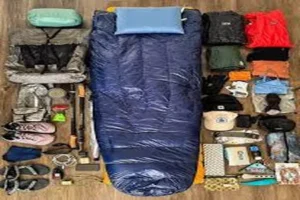
At Kili Quests, we’ve guided hundreds of climbers to Uhuru Peak, and one thing is clear: poor packing is one of the most common reasons people struggle on the mountain.Download your packing list here
 
Before your climb, make sure you also understand the risks of altitude in our Altitude Sickness Guide.
Entrance to Kilimanjaro via the Machame Route.

Table of Contents

Kilimanjaro Packing Strategy (Before You Start)

Before diving into the checklist, it’s important to understand how packing works on Kilimanjaro.
You will typically carry:
  • A duffel bag (70–90L) carried by porters
  • A daypack (30–35L) for your daily essentials
Your duffel should contain most of your clothing and gear, while your daypack should carry:
  • Snacks
  • Rain gear( other you carried in backpack)
  • Warm layers
  • Personal items
 Not sure how your route affects what you carry? See our Kilimanjaro Routes Comparison Guide.

Planning Your Kilimanjaro Climb?

Packing is only one part of your success. The right route, pace, and preparation matter just as much.
At Kili Quests, we help climbers:
  • Choose the right gear
  • Avoid common packing mistakes
  • Prepare for real mountain conditions
 Get your custom Kilimanjaro climb plan 

Essential Kilimanjaro Packing List

Clothing (Layering System)

Layering is the foundation of your clothing system on Kilimanjaro.
You will constantly adjust your layers depending on temperature, altitude, and activity level. Instead of one heavy outfit, you’ll wear multiple layers that can be added or removed.
Essential clothing:
  • Waterproof insulated jacket – Critical for summit night
  • Fleece or down jacket – Provides mid-layer warmth
  • Rain jacket and rain pants – Protect against sudden weather changes
  • Thermal base layers (top and bottom) – Essential for cold nights
  • Convertible hiking pants – Practical for changing conditions
  • Long and short-sleeved shirts – Moisture-wicking preferred
  • Fleece pants – Comfortable for camp
 Avoid cotton , it traps moisture and makes you colder.

Headwear & Gloves

Your head and hands are highly exposed, especially during summit night.
Headwear:
  • Sun hat or cap – Protects against strong UV
  • Warm hat (fleece or wool) – Essential for cold evenings
  • Buff or balaclava – Protects face from wind and cold
Gloves:
  • Insulated gloves – For freezing conditions
  • Lightweight gloves – For layering and milder weather

Footwear for Kilimanjaro

Footwear is one of the most important decisions you’ll make.Poor footwear leads to blisters, discomfort, and even failed summits.
You’ll need:
  • Waterproof hiking boots (well broken-in)
  • Camp shoes or sandals
  • Gaiters (for mud, snow, and rocks)
  • Hiking socks (5 pairs, moisture-wicking)
  • Sock liners (to prevent blisters)
 Many climbers fail due to foot problems  preparation here is critical.

Gear & Equipment

These items support your daily trekking and comfort.
  • Daypack (30–35L, waterproof)
  • Duffel bag (70–90L, carried by porters)
  • Sleeping bag (-10°C to -17°C rating)
  • Sleeping bag liner (extra warmth)
  • Trekking poles (reduce strain on knees)
 Longer routes improve acclimatization — learn more in our Kilimanjaro Duration Guide.

Hydration & Accessories

Staying hydrated at altitude is essential for performance and safety.
  • Water bladder (2–3L)
  • Water bottle (backup)
  • Sunglasses (UV protection)
  • Quick-dry towel

Personal Gear & Electronics

  • Headlamp (with extra batteries) – Required for summit night
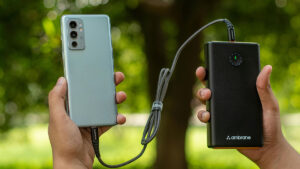
  • Power bank – Charging is limited on the mountain
  • Camera or smartphone

Toiletries & Hygiene

Maintaining hygiene helps you stay comfortable over multiple days.

  • Sunscreen (SPF 30+)
  • Lip balm with SPF
  • Wet wipes
  • Hand sanitizer
  • Toilet paper
  • Small first aid kit
  • Blister treatment kit

Learn What to pack for hygiene and Cleaning tools for your climb trip 

Important Documents

Do not overlook this section  it’s critical for your trip.
  • Passport (valid for at least 6 months)
  • Tanzania visa
  • Travel and medical insurance
  • Any required health documents
 Planning your budget? See our Kilimanjaro Cost Guide.
Celebrating at Uhuru Peak with our amazing guide Fredy — a.k.a. Freedom!

Final Packing Tips from Kilimanjaro Guides

After guiding many climbs, these are the most important lessons:
  • Pack light — porter limits apply (15–20kg)
  • Use dry bags or zip locks to protect gear
  • Break in your boots before your trip
  • Test all equipment in advance

Frequently Asked Questions About Packing for Kilimanjaro

What should you pack for a Mount Kilimanjaro trek?

Packing for Kilimanjaro requires more than just bringing warm clothes. You need a complete system that works across different climate zones. This includes layered clothing, waterproof gear, proper footwear, and essential equipment like a sleeping bag and headlamp.The goal is not just comfort  it’s maintaining energy, staying dry, and adapting to changing conditions throughout the trek.

How many bags can you bring on Kilimanjaro?

Most climbers use two main bags: a duffel bag carried by porters and a daypack carried during the hike.Porter weight limits are strictly enforced, so packing efficiently is important. Your daypack should always contain items you may need during the day, such as water, rain gear, and warm layers.

What sleeping bag rating is recommended?

A sleeping bag rated between -10°C and -17°C is recommended for Kilimanjaro.
Even if temperatures feel manageable at lower camps, nights become significantly colder at higher altitude — especially before summit night.

Do you need special hiking boots?

Yes , proper hiking boots are essential.
They should be:
  • Waterproof
  • Provide ankle support
  • Already broken in
New boots can cause blisters quickly, which can seriously affect your ability to continue the trek.

Can you rent gear in Tanzania?

Yes, many climbers rent equipment locally.Items like sleeping bags, jackets, and trekking poles are commonly available in Moshi or Arusha. However, personal items like boots and base layers are best brought from home.

Why is layering important?

Layering allows you to adjust your clothing based on changing conditions.You may start your day in warm sunshine and end it in freezing temperatures. A proper layering system helps regulate body temperature, maintain comfort, and prevent overheating or chilling.

Plan Your Kilimanjaro Trek With Kili Quests

Packing is only one part of preparing for Kilimanjaro  the real success comes from combining the right gear with the right strategy.
At Kili Quests, we help you:
  • Prepare your full packing system
  • Choose the best route and schedule
  • Increase your chances of reaching the summit
 Start planning your Kilimanjaro climb today
 
If you’re new to high-altitude trekking, start with our Climbing Kilimanjaro for Beginners Guide to understand what to expect and how to prepare properly.

Related Articles

Mount Meru Climb Guide: Why Trek It Before Kilimanjaro

Table of Contents

Mount Meru: Tanzania’s Scenic Volcano Trek | Kili Quests

Mount Meru, Tanzania’s second-highest peak at 4,566 meters (14,968 feet), is a stunning stratovolcano located in Arusha National Park. Often overlooked in favor of Kilimanjaro, this majestic mountain offers a more rugged, peaceful, and wildlife-rich trekking experience.

Whether you’re preparing for Kilimanjaro or seeking a less-crowded alternative, Mount Meru is a challenging and rewarding climb that showcases Tanzania’s beauty in full.

Mount Meru’s volcanic cone is steeper but smaller than Kilimanjaro — perfect for serious hikers looking for a wild adventure.
 
Tanzania Visa: eVisa vs. On Arrival Guide – Learn which visa is best for entry — especially if you plan to trek Mount Meru.
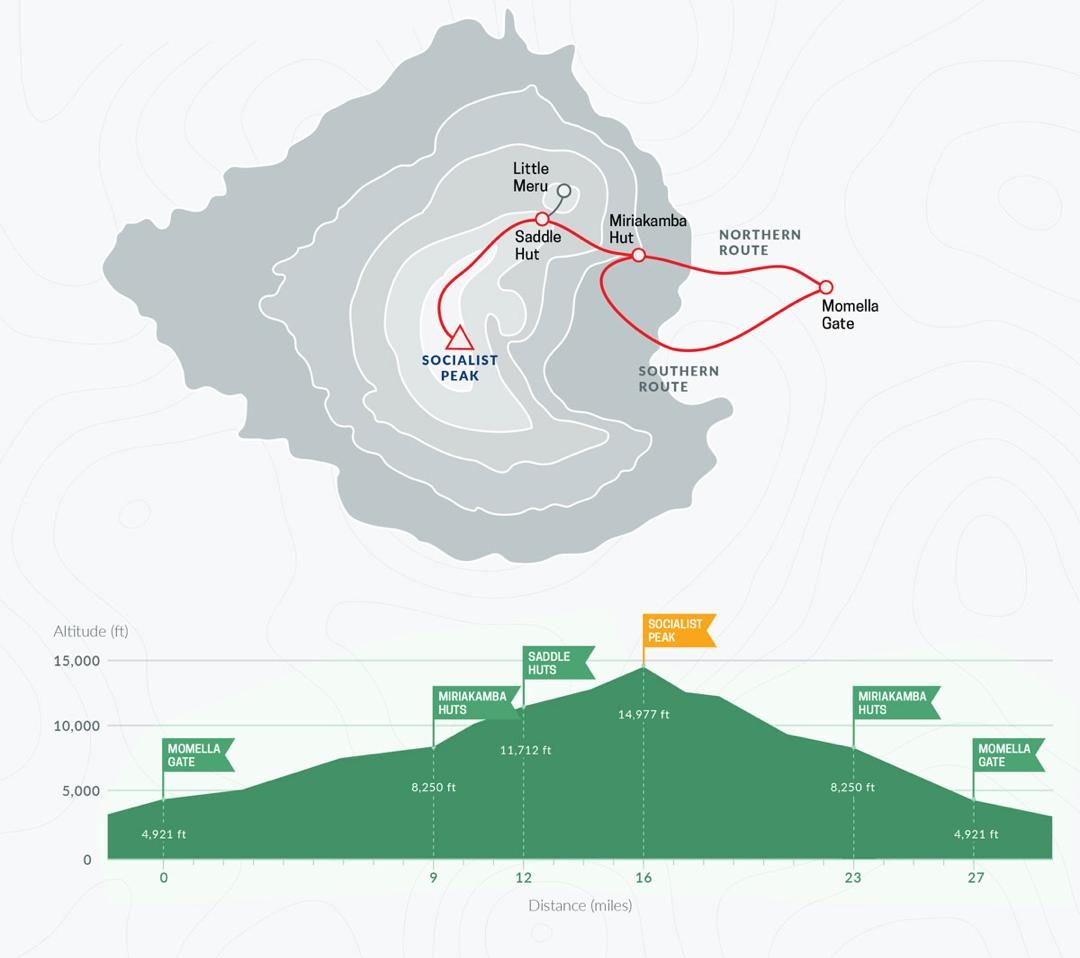
Mount Meru trekking route map showing trail to Socialist Peak, altitude profile, and key camps from Momella Gate
Mount Meru Map – A stunning multi-day trek to Socialist Peak via Miriakamba and Saddle Huts.
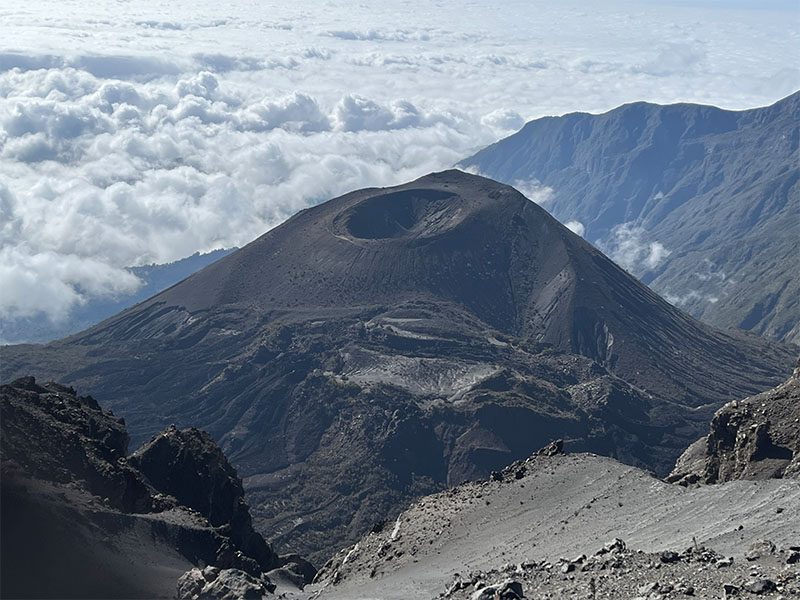
iew of Mount Meru’s steep volcanic cone surrounded by crater walls and mist, illustrating its dramatic geological formation | Kili Quests
Mount Meru’s volcanic crater showcases the powerful forces that shaped Tanzania’s mountains — a smaller but steeper climb than Kilimanjaro.

 Why Climb Mount Meru?

A Steep but Scenic Stratovolcano

Mount Meru is an active stratovolcano, last erupting in the 19th century. The climb features:

  • A dramatic summit crater over 1.5 km wide
  • Sheer cliffs and ridgelines
  • Panoramic views of Mount Kilimanjaro from the peak

Mount Kilimanjaro vs Mount Meru: Which Trek to Choose? – Not sure which mountain to climb? See the pros and cons of each.

A Rich Wildlife Experience

Trekkers pass through Arusha National Park, one of the few trekking routes in Africa where:
  • Giraffes, buffalo, and baboons are often seen along the trail
  • Birdlife includes hornbills, turacos, and eagles
  • Lush forests, alpine meadows, and rocky ridges form distinct zones
Spot elephants and antelope in the wild — a rare bonus on a mountain trek!
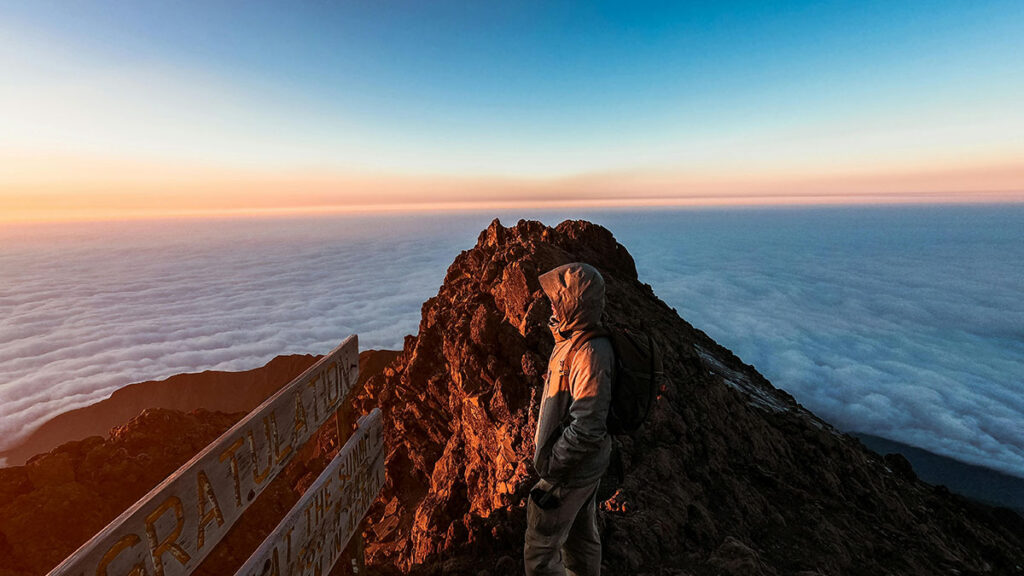
Sunrise from the summit of Mount Meru — a breathtaking view above the clouds

 Great for Kilimanjaro Preparation

Mount Meru is often called a “training peak” for Kilimanjaro. Why?
  • It helps you acclimatize to altitude (you reach over 4,500m)
  • The terrain includes steep ascents and rocky ridges, preparing you mentally and physically
  • The trek builds stamina while offering its own summit reward
Understand Altitude Sickness on Kilimanjaro – Even at Meru’s lower altitude, altitude sickness can still affect trekkers.

Fewer Crowds, More Connection

Unlike Kilimanjaro, Mount Meru is less commercialized. Expect:
  • Fewer groups on the trail
  • Quiet campsites surrounded by nature
  • A more intimate, reflective hiking experience
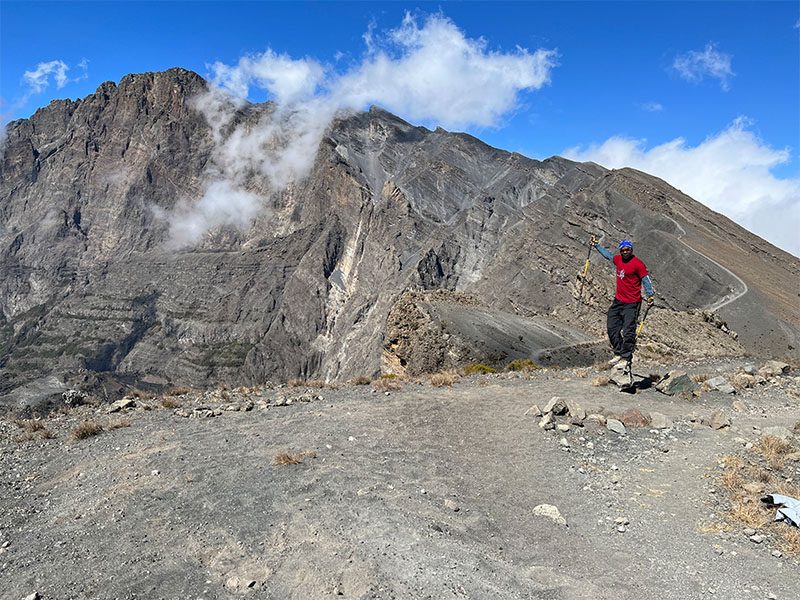
Trekker approaching the final ridge to Socialist Peak, the summit of Mount Meru, with steep volcanic cliffs in the background | Kili Quests
Reaching Socialist Peak (4,566m) on Mount Meru is a rewarding summit challenge — steeper and more rugged than Kilimanjaro’s approach.

 What to Expect on the Mount Meru Trek

A typical trek takes 4 to 5 days, beginning at Momella Gate:
 Route Overview:
  • Day 1: Hike to Miriakamba Camp through rainforest
  • Day 2: Continue to Saddle Camp, where altitude kicks in
  • Day 3: Early summit attempt to Socialist Peak (4,566m), then descend
  • Day 4: Return through scenic trails

Camps are comfortable and well-positioned for acclimatization and views.

Highlights from the Summit

At the peak, you’ll witness:
  • Mount Kilimanjaro rising above the clouds
  • Views of Ngorongoro Crater, Momella Lakes, and the plains of Tanzania
  • Vibrant sunrises that illuminate the entire landscape
Climbing Mount Meru is like watching the sun rise on two continents at once.

Tips for Climbing Mount Meru

  • Altitude Acclimatization: Meru’s elevation is significant. Climb slowly and hydrate.
  • Layered Clothing: Be ready for forest humidity and cold summit winds.
  • Trek with a Guide: Required by park rules and essential for safety.
  • Fitness Level: While not technical, Meru is steeper than Kilimanjaro, especially near the summit.
Best Time to Climb Kilimanjaro – See when the dry seasons align for both Kilimanjaro and Meru treks.
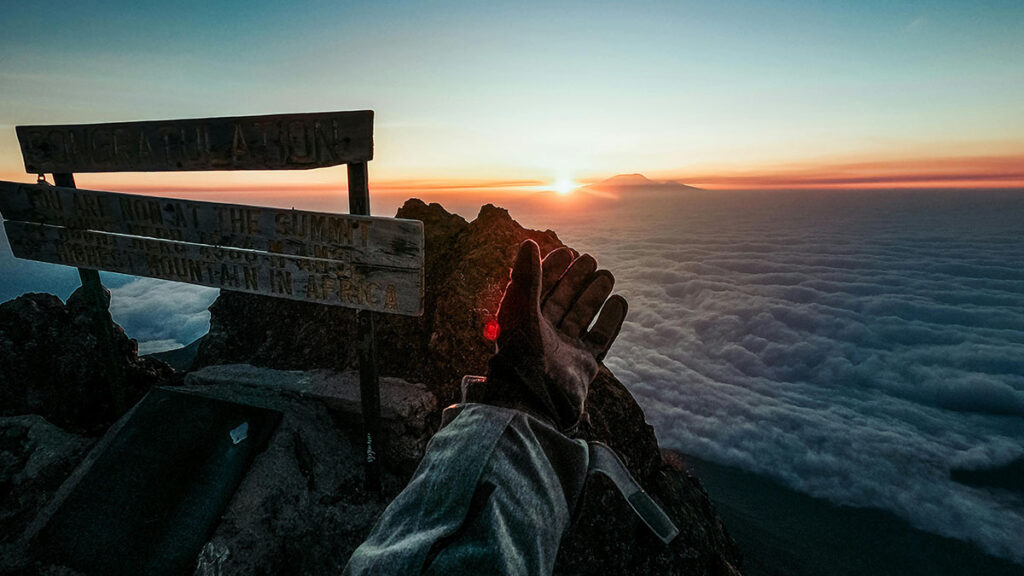
Vibrant morning skies over Tanzania — Kilimanjaro rising in the golden light, seen from Meru’s peak

Mount Meru vs Kilimanjaro – Key Differences

Elevation
  • Mount Meru: 4,566 m (14,968 ft)
  • Mount Kilimanjaro: 5,895 m (19,341 ft)
Typical Trek Duration
  • Mount Meru: 4 to 5 days
  • Mount Kilimanjaro: 6 to 9 days
Crowd Levels
  • Mount Meru: Fewer climbers, more peaceful
  • Mount Kilimanjaro: Very popular, can be crowded
Wildlife Sightings
  • Mount Meru: High — giraffes, buffalo, monkeys
  • Mount Kilimanjaro: Rare above rainforest zone
Use for Acclimatization
  • Mount Meru: Great preparation for high-altitude trekking
  • Mount Kilimanjaro: Final summit goal
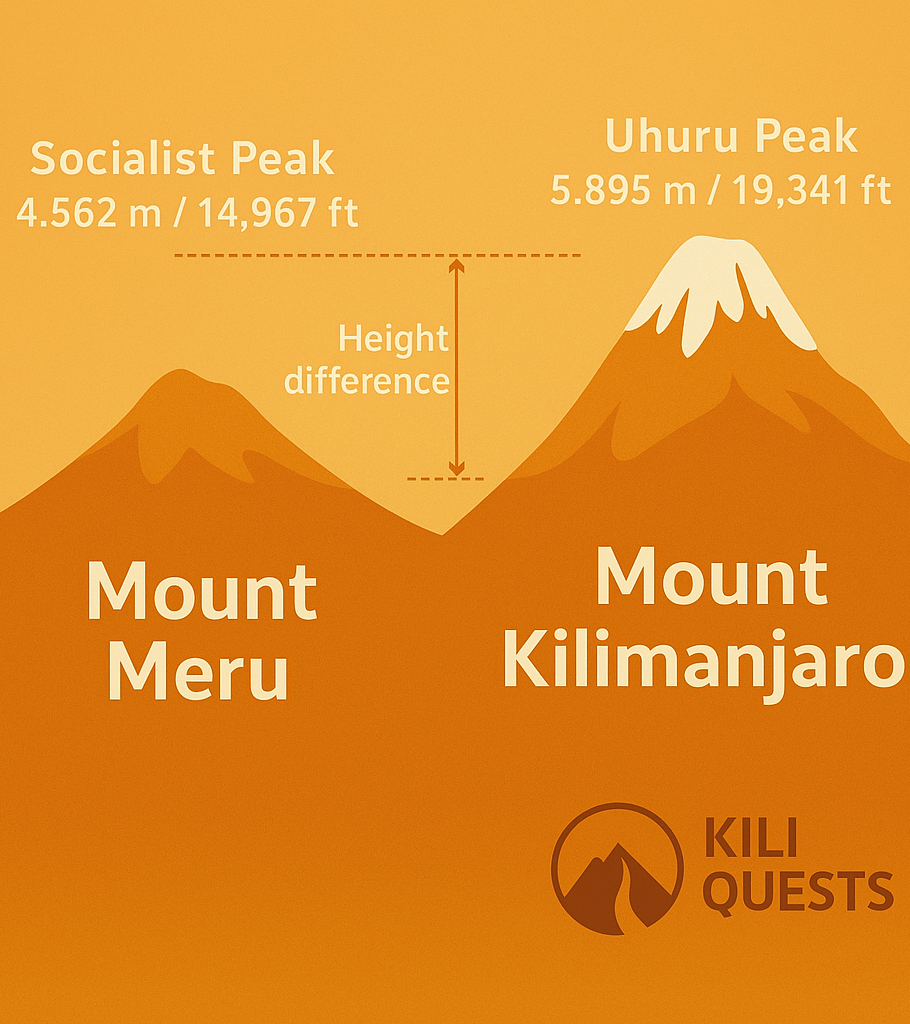
3D-style infographic comparing Mount Meru (4,562 m) to Mount Kilimanjaro (5,895 m).
Kilimanjaro towers nearly 1,300 meters above Mount Meru. Here's the visual difference.

Frequently Asked Questions About Mount Meru Trekking

How tall is Mount Meru in Tanzania?

 Mount Meru rises to 4,566 meters (14,968 feet) above sea level, making it the second-highest mountain in Tanzania after Mount Kilimanjaro. Its summit, known as Socialist Peak, offers panoramic views of the surrounding landscapes and nearby Kilimanjaro.

How many days does it take to climb Mount Meru?

Most trekkers complete the Mount Meru climb in 4 to 5 days. The trek typically starts at Momella Gate in Arusha National Park and includes overnight stays at Miriakamba Hut and Saddle Hut before the early morning summit attempt..

Is Mount Meru harder to climb than Kilimanjaro?

Mount Meru is lower in elevation than Kilimanjaro but can feel steeper and more physically demanding in certain sections, especially along the narrow crater ridge near the summit. However, the overall altitude challenge is usually less severe than on Kilimanjaro.

Do you need a guide to climb Mount Meru?

Yes. All treks on Mount Meru require an official guide and armed ranger from Arusha National Park. Rangers accompany trekking groups to ensure safety, particularly because wildlife such as buffalo and giraffes may be encountered along the trail.

Is Mount Meru a good preparation climb for Kilimanjaro?

Yes. Many climbers use Mount Meru as an acclimatization trek before attempting Mount Kilimanjaro. The altitude gain and multi-day hiking help prepare the body for high-altitude trekking while building stamina and confidence.

What wildlife can you see while trekking Mount Meru?

Unlike many mountain treks, Mount Meru offers excellent wildlife viewing in its lower forests and grasslands. Trekkers often see animals such as giraffes, buffalo, colobus monkeys, and a wide variety of birds while hiking through the national park

Ready to Conquer Mount Meru?

At Kili Quests, we provide professional, safe, and enriching treks to Mount Meru. Whether you’re training for Kilimanjaro or want to explore Tanzania’s hidden mountain gem, our local guides ensure a seamless experience.
 
 Contact us today to plan your Mount Meru trek — and experience the adventure before the adventure!

Related Articles

Best Time to Climb Kilimanjaro in 2026: Seasons & Weather

Choose the Best Time to Climb Kilimanjaro

The right season can make the difference between reaching the summit or turning back early.
At Kili Quests, we help you plan your climb based on:

Explore More Kilimanjaro Guides

Planning your Kilimanjaro climb takes more than timing. Explore these essential guides:

OUR CATEGORIES

Best Time to Climb Kilimanjaro: Seasons Explained | Kili Quests

Understanding the Best Time to Climb Mount Kilimanjaro

Wondering when to climb Mount Kilimanjaro?
Timing is one of the most important decisions you’ll make when planning your trek. The season you choose does not just affect the weather — it also affects your summit success, trail conditions, visibility, and overall experience on the mountain.At 5,895 meters (19,341 ft), Kilimanjaro creates its own weather systems. You can begin your trek in warm rainforest and end in freezing alpine desert within a few days. Because of this, choosing the right season  and pairing it with the right route  matters a lot.
 
At Kili Quests, we guide climbers throughout the year and help match each trekker with the best conditions for their goals. In this guide, we break down Kilimanjaro’s seasons, what to expect, and how to choose the best time for your climb.
 
Different routes perform differently depending on weather conditions — see our full Kilimanjaro Routes Comparison Guide.
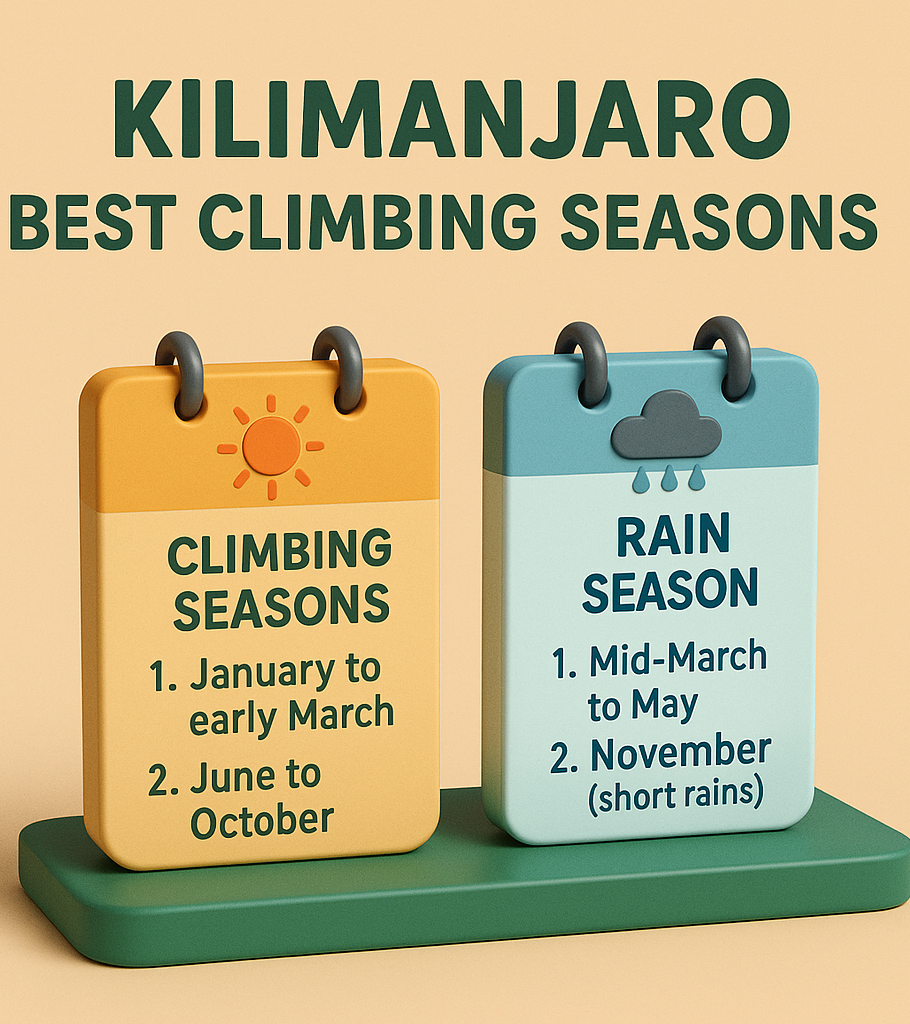
infographic showing the best climbing seasons and rain periods for Mount Kilimanjaro, including January to March and June to October.
Kilimanjaro’s dry seasons are ideal for trekking: January to early March and June to October.

Table of Contents

Kilimanjaro’s Best Seasons for Trekking

Mount Kilimanjaro can be climbed all year, but two main dry seasons usually offer the best conditions for most trekkers.

January to Early March

This is one of the most underrated times to climb Kilimanjaro.
  • Mild temperatures compared to mid-year
  • Moderate traffic, with fewer crowds than peak months
  • A better chance of seeing snow near the summit
  • A good balance between stable weather and a quieter experience

While the lower slopes may still see some clouds or light rain, conditions are generally favorable. This period suits climbers who want good trekking weather without the busiest trails.

June to October

This is the most popular and reliable climbing season.
  • Clear skies and excellent visibility
  • Dry trails with less mud
  • Cooler air at higher altitude
  • More predictable conditions for summit night
Because of its stability, this season is especially good for first-time climbers.
 
To understand how conditions change from rainforest to summit, read our full Kilimanjaro Weather and Climate Guide.
 
Resting along the trail to Uhuru — one step at a time to the summit.

Why Dry Season Is Usually the Best Time to Climb Kilimanjaro

Dry-season climbs are popular for a reason. Better weather makes the mountain easier to manage physically and mentally.When trails are dry, trekkers can walk more steadily, avoid constant wet gear, and deal with fewer weather-related problems.Visibility is also better, which improves both the trekking experience and the quality of summit views.
 
This does not mean rainy-season climbs are impossible. It simply means that dry months usually offer the easiest and most comfortable overall experience, especially for beginners.

High Season on Kilimanjaro

When Is High Season?

High season usually falls between June and October and again during December to February.

Why High Season Is Popular

These months attract the most climbers because they often provide:
  • Stable weather with lower rainfall
  • Safer, firmer trail conditions
  • Better panoramic views
  • Excellent photography conditions
  • A more predictable summit push
For many climbers, especially first-timers, this is the safest and most enjoyable time to be on the mountain.
 
If you are also thinking about the risks of trekking at altitude, read Is Climbing Kilimanjaro Dangerous?

Rainy Season on Kilimanjaro

When Is the Rainy Season?

The main rainy periods are usually:
  • March to May for the long rains
  • November for the short rains

Can You Climb During the Rainy Season?

Yes, Kilimanjaro can still be climbed during the rainy season. However, conditions become more demanding.Some climbers choose this time because there are fewer people on the mountain and the scenery becomes greener and more dramatic. But the trade-off is a more difficult trekking experience.

Challenges of the Rainy Season

Climbers should expect:
  • Muddy and slippery trails
  • Reduced visibility from cloud cover
  • Wet clothing and gear
  • Colder conditions when rain combines with altitude
  • Greater physical and mental fatigue
This period is more suitable for trekkers who are flexible, well-prepared, and less concerned about perfect views.
 
Make sure you are fully equipped by using our Kilimanjaro Packing List.
One of those moments where the mountain says it all

How to Choose the Best Time for Your Kilimanjaro Climb

Choosing the best time is not only about finding the driest month. The right timing depends on your experience level, expectations, budget, and preferred trekking style.

Your Fitness and Experience Level

If this is your first high-altitude trek, dry season conditions are usually the better choice. Dry trails are easier to walk on, gear stays more comfortable, and it is easier to maintain a steady pace over several days.Rainy-season climbs can feel much harder because the mountain becomes wetter, colder, and more physically demanding.
 
If you are still preparing, follow our Kilimanjaro Training Guide before your trip.

Your Preference for Crowds or Quiet Trails

Kilimanjaro feels very different depending on when you climb.During peak months, popular routes such as Machame and Lemosho can feel busy. Campsites are more active, and you are likely to meet many other trekkers.Some climbers enjoy this atmosphere because it feels motivating and social. Others prefer a more peaceful and remote experience.If you want more solitude, consider less crowded times or quieter routes like Rongai.

Your Budget and Flexibility

Peak season often brings higher demand and less availability, especially on popular routes. Low season may offer better flexibility and, in some cases, lower prices.
However, lower prices come with more difficult conditions. Saving money only makes sense if you are comfortable trekking in rainier weather.
 
For more on pricing, read our full Kilimanjaro Cost Guide.

The Experience You Want

Ask yourself what matters most on the mountain.
  • If you want classic summit views and clearer skies, dry season is best
  • If you want greener scenery and fewer people, rainy season may suit you
  • If you hope to see snow near the summit, January to March is often a great choice
There is no single perfect answer. The best time depends on the type of journey you want.

The Route You Choose

The route matters just as much as the season.
Some routes handle weather better than others:
  • Rongai is often drier during wetter months
  • Marangu offers hut accommodation
  • Lemosho and Northern Circuit give more time for acclimatization
Before choosing your dates, compare all options in our Kilimanjaro Routes Guide.

Pro Tip: Match Route to Season

Choosing the right combination of route and season can significantly improve your experience.

Best Routes in Rainy Season

Best Routes in Dry Season

This is why route choice should never be separated from season choice.

Every Season Has Its Beauty

There is no single perfect time to climb Kilimanjaro  only the right time for your goals.

  • Want comfort and stronger summit conditions? Aim for June to October
  • Want fewer climbers and greener scenery? Consider March to May
  • Want snow near the summit? Look at January to March

Whatever season you choose, preparation is key. Weather matters, but so do pacing, acclimatization, route choice, and fitness.


Before your trip, make sure you also understand the risks of altitude in our Altitude Sickness Guide.

Frequently Asked Questions About the Best Time to Climb Kilimanjaro

What is the best time of year to climb Mount Kilimanjaro?

The best time to climb Mount Kilimanjaro is during the two main dry seasons: January to early March and June to October.
During these months, the mountain typically offers:
  • More stable weather patterns
  • Lower rainfall
  • Better visibility for summit views
  • Safer and easier trail conditions

For most climbers  especially first-timers  these conditions make a significant difference. You’ll spend less energy dealing with mud, wet gear, or constant cloud cover, allowing you to focus on pacing and acclimatization.However, “best” doesn’t mean the same for everyone. Some climbers intentionally choose quieter months outside peak season for a more personal experience on the mountain.

Can you climb Mount Kilimanjaro during the rainy season?

Yes, Kilimanjaro can be climbed year-round, including during the rainy seasons (March–May and November). But it’s important to understand what that really means.
Climbing during the rainy season is not just about “a bit of rain.” It often involves:
  • Prolonged wet conditions
  • Muddy and slippery trails
  • Limited views due to cloud cover
  • Damp gear over multiple days
That said, there are also advantages. The mountain becomes quieter, the landscape is greener, and some climbers prefer the solitude.If you choose to climb during this period, preparation becomes even more important  especially proper gear and route selection.

Which month has the best weather for climbing Kilimanjaro?

Months like July, August, and September are often considered the most reliable in terms of weather.
During this period, you can generally expect:
  • Clear skies for most of the trek
  • Minimal rainfall
  • Excellent visibility from the summit
  • Cooler but stable temperatures
These conditions make the climb more predictable and enjoyable, particularly for climbers who want classic Kilimanjaro views and a smoother trekking experience.However, these months are also the busiest, so you should expect more people on the trails and at camps.

Is Kilimanjaro crowded during peak climbing season?

Yes  during peak months, especially July to October, Kilimanjaro can feel busy, particularly on popular routes like Machame and Lemosho.
This usually means:
  • Busier campsites
  • More climbers on the same trail sections
  • A more social and shared experience
For some climbers, this creates a motivating atmosphere  especially on summit night. For others, it may reduce the sense of isolation and adventure.
If avoiding crowds is important to you, consider:
  • Traveling during shoulder months
  • Choosing quieter routes like Rongai
  • Or avoiding the most popular itineraries

Is it harder to climb Kilimanjaro during the rainy season?

Yes, climbing during the rainy season is generally more challenging  not because the mountain itself changes, but because the conditions make everything more difficult.
You’ll likely deal with:
  • Slippery and muddy trails that slow your pace
  • Wet gear that affects comfort and morale
  • Reduced visibility, which can make the trek feel longer
  • Increased fatigue due to constant damp conditions
  • These factors can make the climb feel significantly harder, especially for less experienced trekkers.
This is why many first-time climbers are advised to choose dry-season windows, where conditions are more manageable.

Does the season affect Kilimanjaro summit success rates?

Yes  the season can have a noticeable impact on summit success rates.
During dry seasons, climbers often benefit from:
  • More consistent trekking conditions
  • Better rest and recovery (due to less moisture and discomfort)
  • Easier pacing on stable trails
  • Fewer weather-related disruptions

In contrast, rainy conditions can increase fatigue and slow progress, making it harder to maintain the steady pace needed for proper acclimatizationThat said, success is not determined by season alone. Factors like:

  • Route choice
  • Acclimatization strategy
  • Physical preparation
  • Guide experience
often play an even bigger role in whether you reach the summit.

Plan Your Trek With Kili Quests

The best time to climb Kilimanjaro is not just about the calendar  it is about choosing the right conditions for you.
At Kili Quests, we help you:
  • Choose the best season and route
  • Prepare for altitude and weather
  • Improve your chances of reaching the summit
Start planning your Kilimanjaro climb today.

Related Articles

After Climbing Kilimanjaro: Recovery Tips & Stretches

Table of Contents

Post-Hike Muscle Care: Stretching Tips for Kilimanjaro Trekkers | Kili Quests

Climbing Mount Kilimanjaro is an incredible achievement — but the journey doesn’t end at the summit. After days of hiking, your body deserves care, attention, and time to recover.


At Kili Quests, we support you beyond the climb. This post-trek guide shares essential stretches and muscle recovery tips to help you bounce back quickly after your descent.


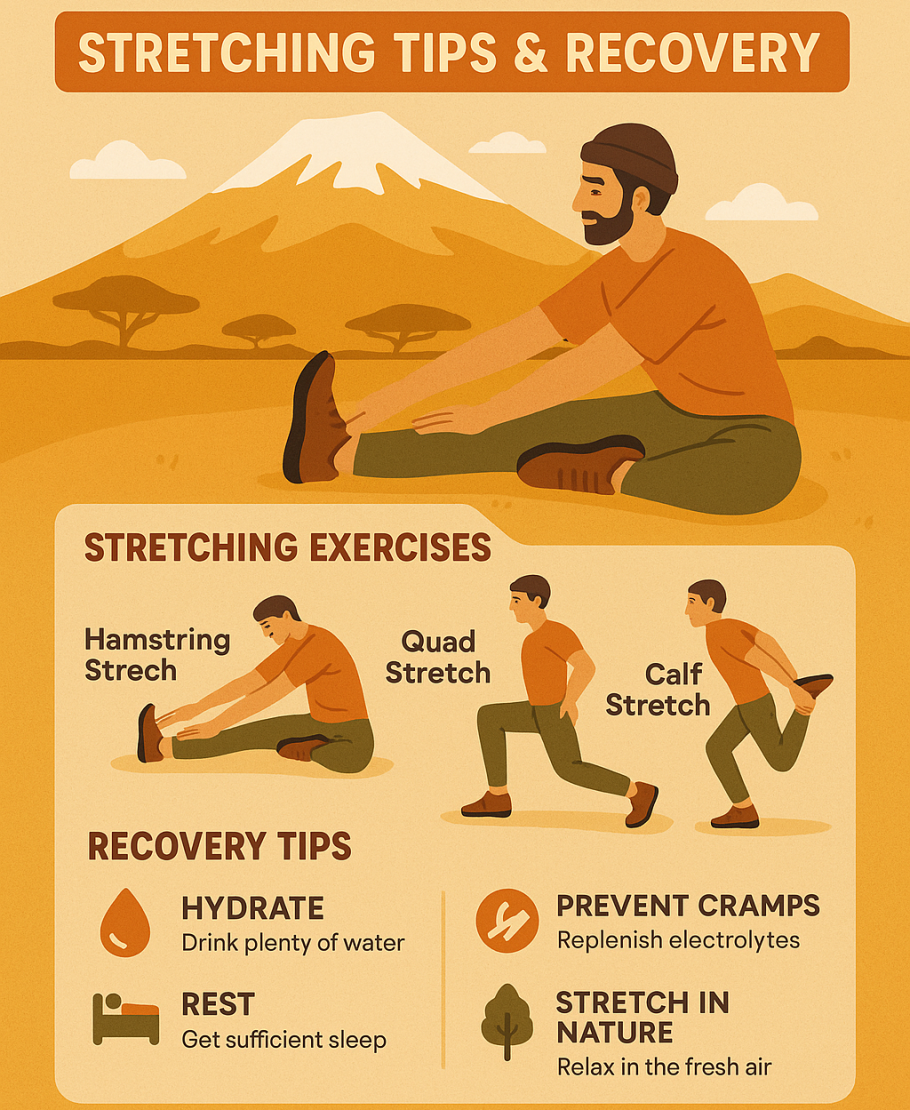
3D infographic showing hamstring, quad, and calf stretches along with hydration and rest tips.
Stretch, rest, and hydrate: Smart recovery after summiting Kilimanjaro.

Why Stretching After Kilimanjaro Matters

1. Reduces Muscle Tension
  • Stretching helps release tightness after long hours of climbing, especially in the legs, hips, and lower back.

 2. Improves Circulation

  • Increased blood flow delivers oxygen and nutrients to tired muscles, speeding up recovery.
 3. Prevents Injury
  • Proper stretching helps maintain flexibility, reducing post-hike stiffness and injury risk.

 4. Boosts Flexibility

  • You’ll move easier and feel better in the days after the trek by improving your range of motion.

Best Post-Hike Stretches for Kilimanjaro Trekkers

Use these stretches after reaching the base or back at your lodge. Hold each for 20–30 seconds per side.
 
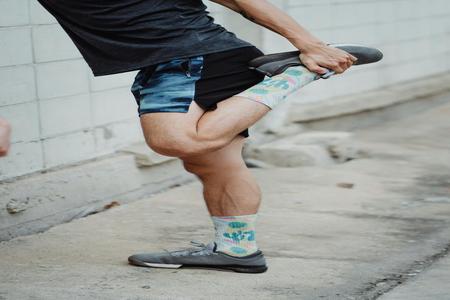
1. Quadriceps Stretch
  • Targets: Front of thighs
  • Stand tall, grab one ankle behind you, and pull it toward your glutes.
2. Hamstring Stretch
  • Targets: Back of thighs
  • Sit with one leg extended, reach toward your toes while keeping a straight back.
3. Calf Stretch
  • Targets: Lower legs
  • Stand facing a wall, step one foot back, and push the heel into the floor.
4. Hip Flexor Stretch
  • Targets: Front hips
  • Step into a forward lunge, lower hips, and feel the stretch in your rear hip.
5. IT Band Stretch
  • Targets: Outer thighs
  • Cross one leg over the other, lean sideways toward the back leg.
6. Lower Back Stretch
  • Targets: Lumbar spine
  • Lie on your back, bring one knee to your chest and hug it gently.
7. Upper Body Stretch
  • Targets: Arms, shoulders, back
  • Reach overhead and lean side to side, then push palms forward to stretch upper back.
 Learn what else supports recovery in our Kilimanjaro Health & Medication Guide.
 
Walking through the trail, one step at a time.

Effective Stretching Tips

  • Warm up first: A light walk or gentle motion preps your muscles.
  • Stretch gently: Never push into pain — just a mild, steady pull.
  • Breathe deeply: Deep breaths relax muscles and enhance each stretch.
  • Stretch consistently: Do these daily for a few days post-trek.
Final Descent from Kilimanjaro: Guide – Your descent affects your legs more than the climb — here’s how to recover fast.

Bonus Recovery Tips for Sore Muscles

  • Hydrate well: Flush out lactic acid buildup and toxins
  • Eat protein: Help muscle tissue repair
  • Foam roll: Massage out knots in quads, calves, and back
  •  Rest fully: Sleep allows your body to reset and rebuild

Climb Kilimanjaro with Experts – Our guides help you stretch and recover after your trek — not just during the climb.

Frequently Asked Questions About Post-Hike Recovery After Kilimanjaro

Why is stretching important after climbing Mount Kilimanjaro?

After trekking on Mount Kilimanjaro for several days, muscles—especially in the legs and lower back—can become tight and fatigued. Stretching helps relieve tension, improve circulation, and speed up recovery so trekkers can regain mobility and reduce soreness after the climb.

Which muscles are most affected during a Kilimanjaro trek?

The muscles most affected include the quadriceps, hamstrings, calves, hip flexors, and lower back. These muscle groups work continuously during uphill climbs and long descents, making them especially prone to stiffness and fatigue after the trek.

When should you start stretching after a Kilimanjaro trek?

Trekkers can begin gentle stretching once they reach the base of the mountain or return to their lodge after the descent. It’s best to start with light movement or walking before performing deeper stretches to avoid muscle strain.

How long should you hold stretches after a long hike?

Most recovery stretches should be held for 20 to 30 seconds per muscle group. This allows the muscles to gradually relax and lengthen without causing discomfort or injury.

What other recovery tips help after climbing Kilimanjaro?

In addition to stretching, effective recovery includes drinking plenty of water, eating protein-rich meals, resting, and light walking to keep muscles active. These habits help reduce soreness and support muscle repair after the trek.

How long does it take to recover after climbing Kilimanjaro?

Recovery time varies depending on fitness level and trekking intensity, but most climbers feel fully recovered within a few days to a week. Gentle stretching, proper hydration, and good rest can significantly speed up the process.

Let Kili Quests Guide Your Full Journey

At Kili Quests, we support you through every phase of your trek — before, during, and after the summit. Our guides help with post-hike recovery routines, hydration reminders, and proper stretching techniques at camp.
 
Ready to climb with experts who care about your whole journey?
 Contact Kili Quests today and prepare for an adventure you’ll never forget — with recovery built in.
 

Related Articles

Descending Kilimanjaro: What Happens After the Summit

Table of Contents

Final Descent of Kilimanjaro: Tips & What to Expect | Kili Quests

After reaching the summit of Mount Kilimanjaro, many trekkers feel a wave of joy and relief — but the journey isn’t over yet. The final descent presents its own challenges, often testing your stamina, knees, and focus just as much as the climb up.

In this guide, Kili Quests shares what to expect, how to manage fatigue, and tips for a safe and successful descent from the Roof of Africa.

Just summited? The descent begins immediately. Make sure your boots and trekking poles are ready — check the Summit Day Gear Guide.

What to Expect on the Way Down

1. Slippery & Rocky Terrain
Descending routes often involve:
  • Loose gravel and scree, especially after Stella or Gilman’s Point
  • Rocky paths with uneven footing

You’ll need to stay focused to avoid slips and strain.

2. Fatigue and Altitude
Even while going down, altitude can affect your:
  • Breathing — still shallow until you reach lower camps
  • Energy — you’re physically and emotionally drained from the summit push
3. Cold Temperatures
Expect:
  • Freezing winds near the crater rim
  • Chilly mornings/late evenings, even on descent
Layer up! Keep your shell jacket and warm fleece handy to adapt to changing conditions.
 
4. Emotional Exhaustion
You’ve reached the top — now comes the mental dip. It’s common to feel:
  • Relief mixed with fatigue
  • Less motivation, especially during the long walk down
Stay present, take breaks, and celebrate the journey.

Tips for a Safe Descent

  1. Take It Slow
  • Use short, stable steps
  • Avoid rushing to protect your knees and ankles
  • Watch out for scree and gravel slopes
 2. Use Trekking Poles
  • Reduce joint impact on your knees
  • Improve balance on unstable terrain
Adjust your poles for downhill support — you’ll thank yourself later.
 
3. Stay Hydrated & Eat Snacks
  • Continue drinking water regularly
  • Fuel your body with nuts, chocolate, or energy bars
Hydration is just as important on descent as during the climb up.
4. Listen to Your Body
  • If your knees ache, slow down or stretch
  • Take frequent breaks to catch your breath and prevent injury
5. Dress in Layers
  • The temperature rises as you descend
  • Remove layers gradually — but keep your rain jacket close
Descent weather can shift quickly — be ready for cold, wind, or even light rain.
On the way down, with memories made at the top.

After the Descent: What Happens Next?

 Rest & Recovery
  • Your body will need 1–2 days to recover from the summit effort
  • Sleep, stretch, and hydrate to promote muscle recovery
 Speed up recovery with our Post-Kilimanjaro Stretching Tips.
 
Celebration & Reflection
  • Completing the trek is a huge milestone — emotionally and physically
  • Take time to reflect on your accomplishment with your team
 
Final Camp or Exit Gate
  • Most climbers descend to Mweka Camp or Horombo Hut, then hike out the next day
  • You’ll receive a summit certificate and enjoy a final lunch before departure
 See What’s Included in Our Climb Package — we support you all the way, from trailhead to celebration.
 

Frequently Asked Questions About the Descent from Kilimanjaro

How long does it take to descend Mount Kilimanjaro?

Descending Mount Kilimanjaro usually takes 1 to 2 days, depending on the route and itinerary. After summit night, most climbers descend from high camps like Barafu or Kibo Hut to a lower camp such as Mweka Camp or Horombo Hut before exiting the park the following day.

Is descending Kilimanjaro harder than climbing up?

For many trekkers, the descent can feel harder on the body than the ascent. Long downhill sections place extra strain on the knees, ankles, and leg muscles, especially after the physical effort of summit night.

Why is the descent from Kilimanjaro dangerous?

The descent can be challenging because of loose gravel, rocky trails, and tired legs after reaching the summit. Areas near Stella Point and Gilman’s Point often include scree slopes where careful footing is important to avoid slips or falls.

How can trekking poles help during the Kilimanjaro descent?

Trekking poles help reduce the impact on your knees and improve balance on steep or unstable terrain. They are especially useful when descending loose volcanic scree or rocky trails on Kilimanjaro.

What should you do after descending Kilimanjaro?

After finishing the trek, climbers should focus on recovery by resting, hydrating, stretching, and eating nutritious meals. Most trekkers spend a night in nearby towns such as Moshi or Arusha before continuing their travels.

Do climbers receive a certificate after climbing Kilimanjaro?

Yes. Climbers who reach the summit of Kilimanjaro receive an official summit certificate issued by park authorities when exiting Kilimanjaro National Park. Different certificates are given depending on the highest point reached during the climb.

 Final Word from Kili Quests

At Kili Quests, we guide you through the entire journey — not just the summit. From pacing to packing to proper descent planning, our experienced team ensures that every part of your trek is safe, ethical, and rewarding. Ready to plan your Kilimanjaro climb with experts who care?
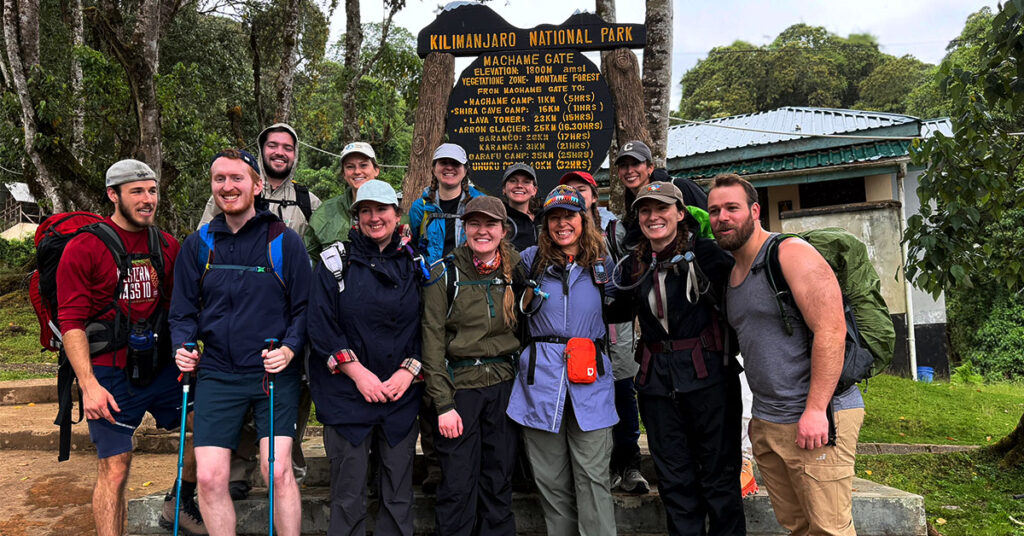
 
 Contact Kili Quests now and let us guide you from base to summit — and safely back again.
 

Related Articles