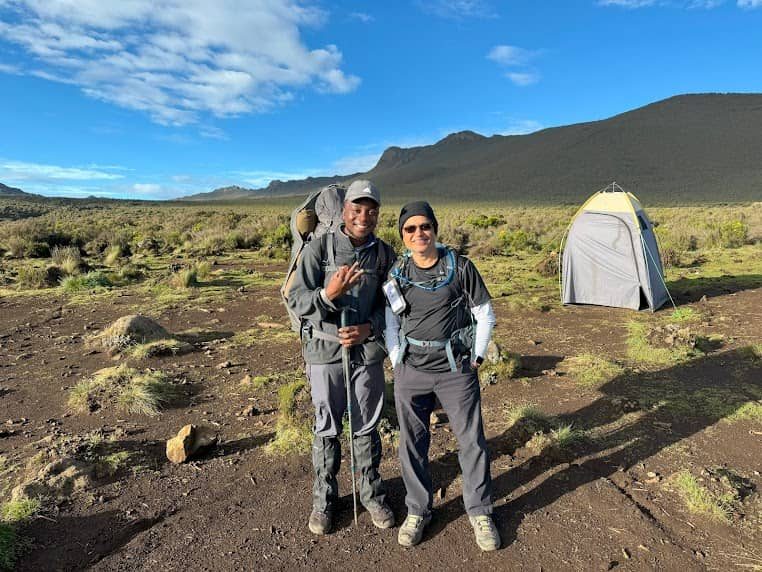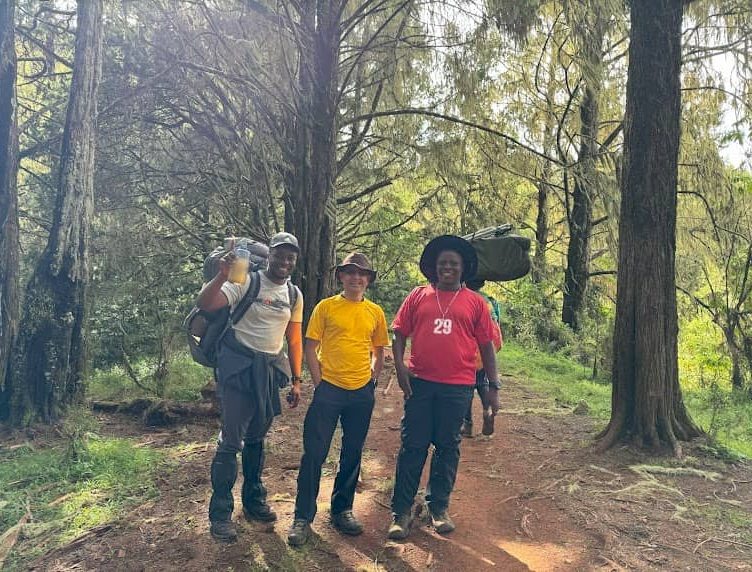

Choose the Right Route for Your Climb
Compare routes and get expert advice before your climb.
- Route comparison support
- Local expert guidance
- Full support from start to summit
Kilimanjaro Planning Guides
Prepare for your climb:
OUR CATEGORIES
Machame vs Lemosho: Which Kilimanjaro Route Is Better?
Choosing between the Machame Route and the Lemosho Route is one of the most common decisions climbers face when planning a Kilimanjaro trek. Both routes are among the most popular on the mountain, and both offer beautiful scenery, strong trekking experiences, and good summit potential when properly paced.
However, they are not the same. The differences between Machame and Lemosho can affect how well you acclimatize, how crowded the trail feels, how much time you need, how much the climb costs, and how comfortable the overall experience feels.
Lemosho is known for its longer itinerary, quieter western approach, and strong acclimatization profile. Machame is popular for its balance of scenery, challenge, accessibility, and cost.
Still comparing routes? See our Kilimanjaro routes comparison guide or explore the full Machame Route guide and Lemosho Route guide for detailed breakdowns.
Quick Answer: Is Machame or Lemosho Better?
Lemosho is usually the better choice if you want more time to acclimatize, a quieter start, and a more gradual overall experience. It is especially strong for climbers who want a longer itinerary and a better summit profile.
Machame is usually better if you want a shorter, more affordable, and well-established Kilimanjaro route with excellent scenery and a classic trail experience. The 7-day Machame itinerary is much stronger than the 6-day version because it gives your body more time to adjust to altitude.
In simple terms: choose Lemosho for better acclimatization and a quieter start. Choose Machame for strong scenery, lower cost, and a shorter classic route.
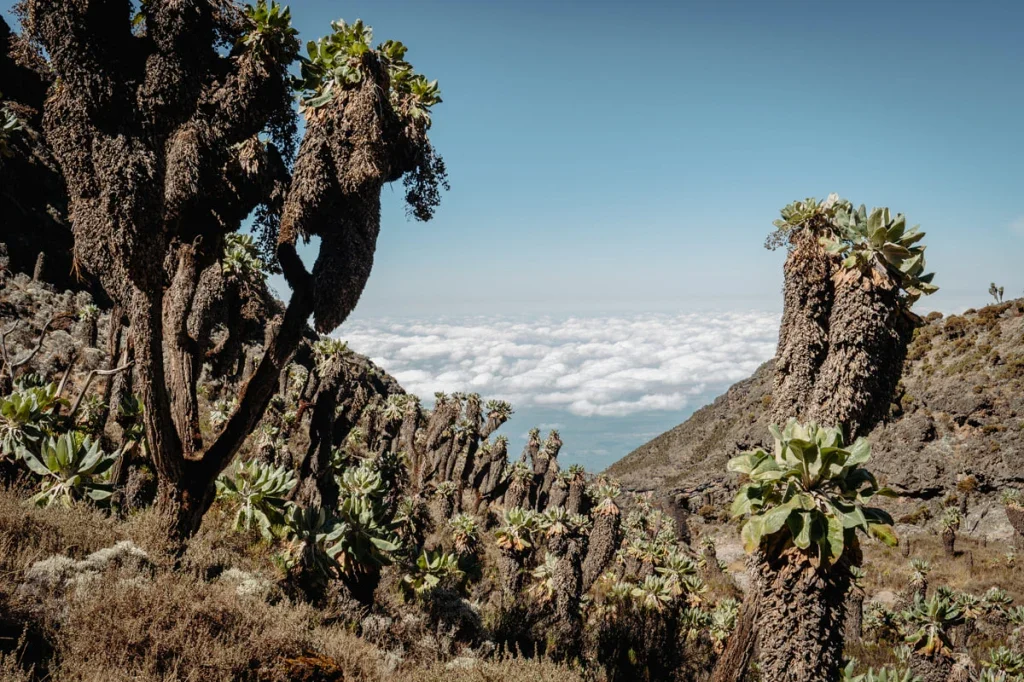
Table of Contents
Overview of Machame and Lemosho Routes
| Feature | Machame Route | Lemosho Route |
|---|---|---|
| Common nickname | Whiskey Route | No common nickname |
| Starting side | Southern Kilimanjaro | Western Kilimanjaro |
| Typical duration | 6 or 7 days | 7 or 8 days |
| Route experience | Popular, scenic, active, and well-established | Remote start, scenic landscapes, and a quieter first few days |
| Scenery | Rainforest, moorland, alpine desert, Barranco Wall, and high summit zone | Rainforest, Shira Plateau, moorland, alpine desert, Barranco Wall, and high summit zone |
| Crowd level | Busier because it is one of the most popular Kilimanjaro routes | Quieter at the beginning before joining the Machame trail later |
| Acclimatization | Strong when completed over 7 days | Stronger because of the longer 7 to 8-day itinerary |
| Best for | Climbers who want a classic scenic route with a shorter itinerary and lower cost | Climbers who want more acclimatization time, a quieter start, and a more gradual experience |
What Is the Machame Route Like?
The Machame Route is one of the most popular Kilimanjaro routes and is often called the “Whiskey Route.” It is known for scenic trails, varied landscapes, and a strong acclimatization profile when completed over 7 days.
Machame approaches Kilimanjaro from the southern side and passes through rainforest, moorland, alpine desert, and the high summit zone. It also includes famous sections such as the Barranco Wall, which makes the route feel adventurous without requiring technical climbing skills.
Because Machame is well-established and widely offered, it can feel busier than Lemosho, especially during peak climbing seasons. However, it remains a strong choice for climbers who want a classic Kilimanjaro experience with excellent scenery, a shorter itinerary, and a more affordable price than longer routes.
For a full breakdown, see our Machame Route Kilimanjaro guide.
What Is the Lemosho Route Like?
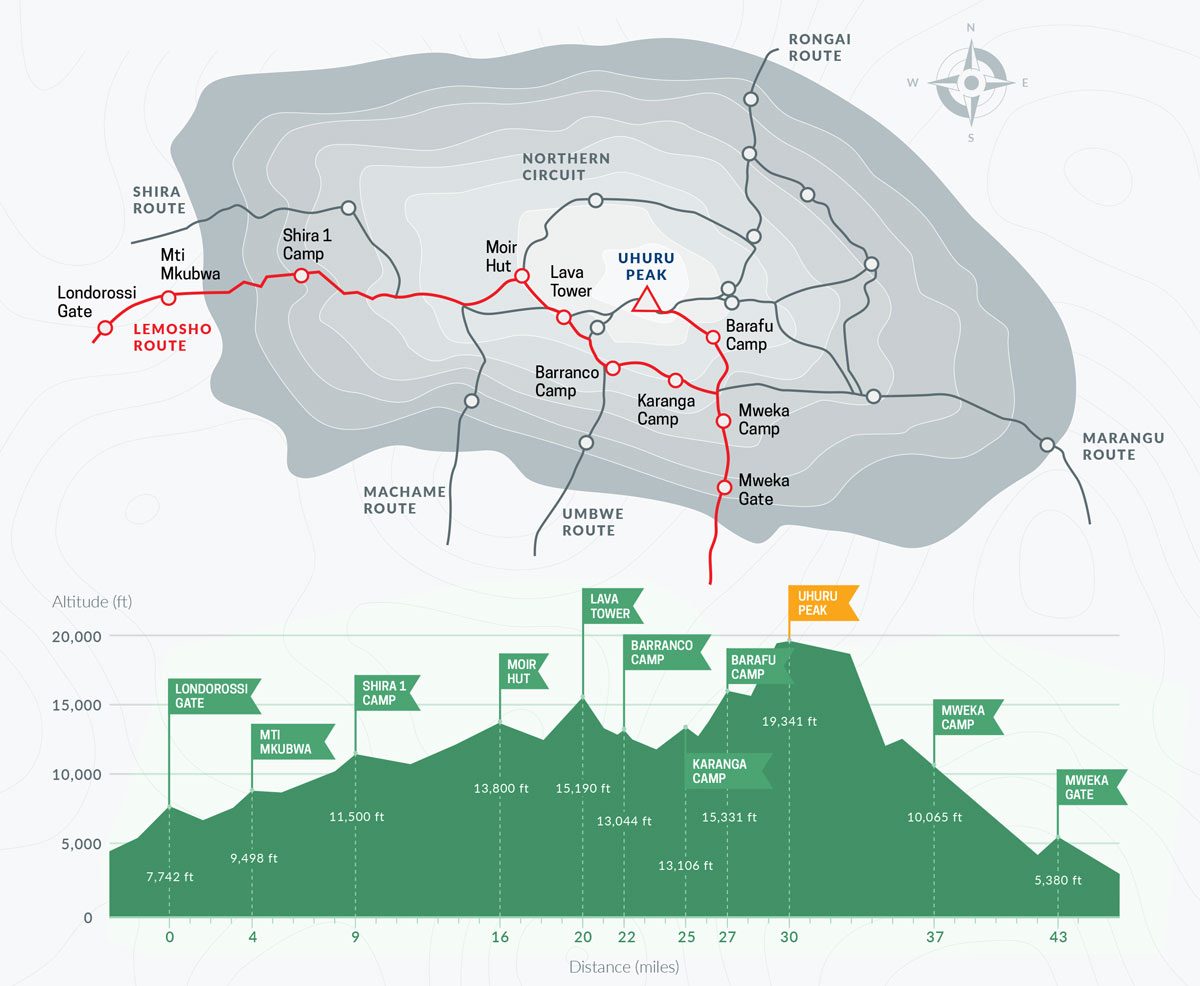
The Lemosho Route starts on the western side of Kilimanjaro and is known for its quieter beginning, remote landscapes, and gradual approach. It is often chosen by climbers who want more time on the mountain and a stronger acclimatization profile.
The route begins in a less crowded area before crossing the Shira Plateau and later joining the same southern circuit used by Machame. This gives Lemosho a strong mix of remote scenery, open highland views, and classic Kilimanjaro trail sections.
Lemosho is usually completed over 7 or 8 days, with the 8-day itinerary offering the most comfortable pacing. Because the route gives climbers more time to adjust to altitude, it is often a better choice for those who want to improve their summit profile without rushing the climb.
Learn more in our detailed Lemosho Route Kilimanjaro guide.
Key Differences Between Machame and Lemosho
| Category | Machame Route | Lemosho Route |
|---|---|---|
| Acclimatization | Strong when completed over 7 days, but the 6-day version can feel more rushed. | Stronger because the route is longer and more gradual, especially on the 8-day version. |
| Scenery | Very scenic, with rainforest, moorland, alpine desert, Barranco Wall, and summit views. | More varied early scenery, including a quieter western approach and the Shira Plateau. |
| Difficulty | Physically demanding, especially on shorter itineraries because the altitude gain feels faster. | Similar overall difficulty, but the longer itinerary spreads the effort over more days. |
| Crowds | Busier because it is one of the most popular Kilimanjaro routes. | Quieter at the start before joining the Machame trail later in the climb. |
| Cost | Usually more affordable because it is shorter and starts from a more common access point. | Usually costs more because it is longer and starts from the western side of the mountain. |
| Best choice for | Climbers who want a classic scenic route, lower cost, and a shorter itinerary. | Climbers who want more acclimatization time, quieter early days, and a more gradual route profile. |
Acclimatization: Which Route Gives You a Better Summit Profile?
One of the biggest differences between Machame and Lemosho is how much time each route gives your body to adjust to altitude.
Lemosho has the advantage because it is usually climbed over 7 or 8 days. The longer itinerary creates a more gradual approach, especially during the early part of the climb. This gives climbers more time to adapt before reaching the higher camps and summit night.
Machame also has a strong acclimatization profile when completed over 7 days. The route follows a good “climb high, sleep low” pattern, especially around Lava Tower and Barranco Camp. However, the 6-day Machame itinerary can feel more rushed because there is less time for your body to adjust.
If acclimatization is your top priority, Lemosho has the stronger advantage. If you choose Machame, the 7-day itinerary is the smarter option because it gives you a better pace than the shorter 6-day version.
For a deeper explanation of altitude risk and prevention, read our Altitude Sickness on Kilimanjaro guide and Kilimanjaro Acclimatization Tips.
Scenery and Overall Experience
Both Machame and Lemosho are among the most scenic Kilimanjaro routes, but they deliver the experience differently.
Machame gives climbers a dramatic southern approach with rainforest, moorland, alpine desert, the Barranco Wall, and strong views toward Kibo. It feels active and energetic because it is a popular route with many climbers on the trail, especially during peak seasons.
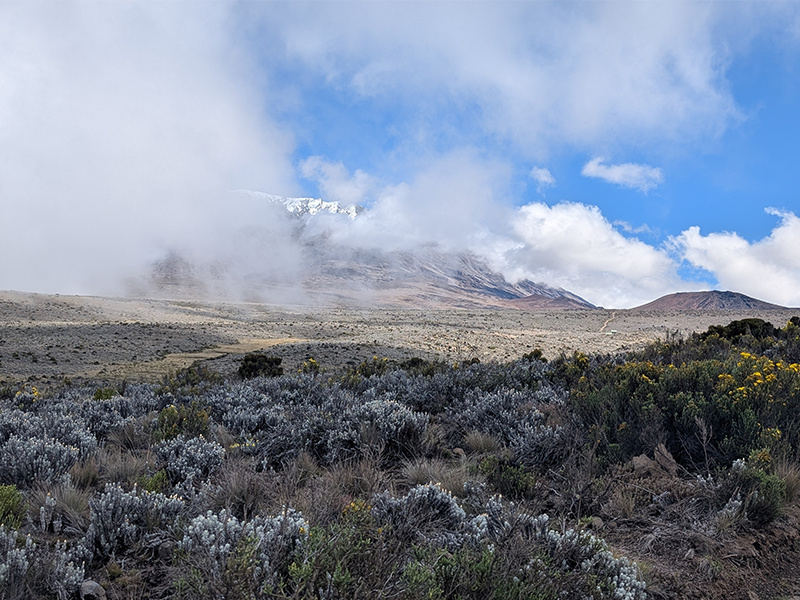
Lemosho offers more variety in the early days. The route begins on the quieter western side of Kilimanjaro, crosses remote forest and heath zones, then opens onto the wide Shira Plateau before joining the southern circuit. This gives Lemosho a more gradual and spacious feel before it later shares some of the same dramatic sections as Machame.
If you want the most classic scenic route with a lively trail atmosphere, Machame is strong. If you want a quieter beginning, more landscape variety, and a more remote early experience, Lemosho has the edge.
Difficulty Level: Is Machame or Lemosho Harder?
Machame and Lemosho are similar in overall difficulty because both eventually follow the southern circuit and include challenging sections such as the Barranco Wall, high-altitude trekking days, and summit night.
Neither route requires technical climbing skills. You do not need ropes or mountaineering experience. The real challenge is endurance, altitude, and how well your body adapts as you climb higher.
Machame can feel harder if you choose the 6-day itinerary because the altitude gain is faster and the recovery time is shorter. The 7-day Machame itinerary gives a better pace and is usually the smarter option for most climbers.
Lemosho can feel more comfortable because the route spreads the effort over 7 or 8 days. The extra time does not make Kilimanjaro easy, but it gives your body more space to adjust and makes the climb feel less rushed.
If you are worried about difficulty, compare the 7-day Machame Route against the 8-day Lemosho Route. That is the fairest comparison for most climbers.
Not sure what to expect? Read our full guide on how difficult Kilimanjaro really is.
Crowd Levels: Which Route Is Quieter?
Machame is usually busier because it is one of the most popular Kilimanjaro routes. During peak climbing seasons, the camps and trail sections can feel active, especially around Machame Camp, Barranco Camp, Karanga Camp, and Barafu Camp.
Lemosho starts quieter because it begins on the western side of Kilimanjaro. The first few days often feel more remote and peaceful, especially before the route reaches the Shira Plateau and later joins the southern circuit.
However, Lemosho does not stay completely quiet for the whole climb. After it joins the trail system used by Machame, the route becomes busier, especially near Barranco, Karanga, Barafu, and summit night.
If you want a classic route with more energy and other climbers around, Machame is fine. If you want a quieter start and a more remote early experience, Lemosho is the better choice.
Cost and Value: Which Route Is More Affordable?
Machame is usually more affordable than Lemosho because it is shorter, easier to access, and more commonly offered by Kilimanjaro operators. A 6 or 7-day Machame climb normally costs less than a 7 or 8-day Lemosho climb.
Lemosho usually costs more because it takes more days, starts from the western side of the mountain, and requires more crew support, food, park fees, and logistics. The extra cost is not only about comfort. It also gives climbers more time to acclimatize and enjoy a less rushed route experience.
If your main priority is budget, Machame gives strong value. If your main priority is acclimatization, scenery, and a more gradual climb, Lemosho often gives better overall value despite the higher cost.
For a full price breakdown, read our Kilimanjaro Climb Cost guide.
Machame vs Lemosho: Which Route Should You Choose?
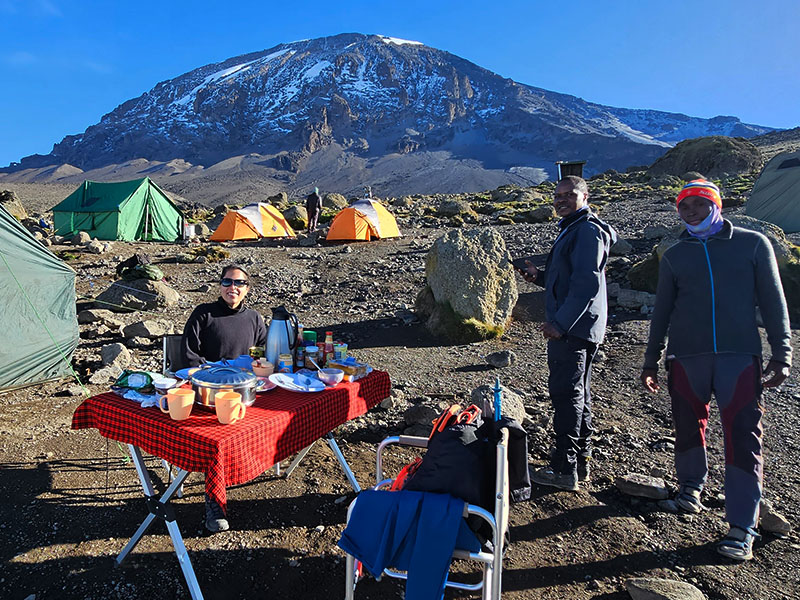
Choose Lemosho if your main priority is acclimatization, a quieter start, and a more gradual climb. The route gives you more time on the mountain, especially if you choose the 8-day itinerary, which helps create a stronger summit profile.
Choose Machame if you want a shorter, more affordable, and classic Kilimanjaro route with excellent scenery. The 7-day Machame itinerary is the better choice for most climbers because it gives more time to adjust than the 6-day version.
Choose Lemosho If You Want More Acclimatization Time
Lemosho is the stronger choice if you want a slower approach and more time for your body to adapt to altitude. This is especially important for first-time high-altitude trekkers or anyone worried about rushing the climb.
Choose Machame If You Want a Shorter Classic Route
Machame is a strong option if you want a well-established trail, dramatic scenery, and a shorter itinerary. It is especially good for climbers who want a classic Kilimanjaro experience without the extra time and cost of Lemosho.
Choose Lemosho If You Prefer a Quieter Start
Lemosho begins on the western side of Kilimanjaro, so the first few days are usually quieter and more remote. This makes the early part of the climb feel more peaceful before the route later joins the busier southern circuit.
Choose Machame If You Are Watching Your Budget
Machame is usually more budget-friendly because it is shorter and easier to access. If cost matters but you still want a strong scenic route, Machame is a practical choice, especially over 7 days.
Machame vs Lemosho Pros and Cons
| Route | Pros | Cons |
|---|---|---|
| Machame Route |
|
|
| Lemosho Route |
|
|
How to Choose the Right Route for Your Kilimanjaro Climb
Choosing between Machame and Lemosho depends on your time, budget, altitude concerns, and the kind of trail experience you want.
Machame is the better fit if you want a shorter, more affordable, and classic Kilimanjaro route with dramatic scenery. Lemosho is the better fit if you want more acclimatization time, a quieter start, and a more gradual approach to the mountain.
| Your Priority | Better Route Choice | Why |
|---|---|---|
| Best acclimatization support | Lemosho Route | It gives you more time on the mountain, especially with the 8-day itinerary. |
| Lower overall cost | Machame Route | It is usually shorter and easier to access, so it normally costs less than Lemosho. |
| Quieter early trail experience | Lemosho Route | It starts on the western side of Kilimanjaro before joining the busier southern circuit later. |
| Classic Kilimanjaro trail | Machame Route | It is one of the most established and recognizable Kilimanjaro routes. |
| More gradual pacing | Lemosho Route | The longer itinerary spreads the effort over more days and feels less rushed. |
| Limited travel time | Machame Route | It can be completed in fewer days, though 7 days is better than 6 for acclimatization. |
Still unsure? Compare all options in our Kilimanjaro routes comparison guide to see how Machame and Lemosho compare with Marangu, Rongai, Northern Circuit, and other routes.
Frequently Asked Questions About Machame vs Lemosho
Which route is better, Machame or Lemosho?
Lemosho is usually better if you want more acclimatization time, a quieter start, and a more gradual route profile. Machame is better if you want a shorter, more affordable, and classic Kilimanjaro route with excellent scenery. The best choice depends on your budget, schedule, fitness level, and comfort with altitude.
Is Machame or Lemosho better for beginners?
Lemosho is often the better option for beginners because it gives climbers more time to adjust to altitude, especially on the 8-day itinerary. Machame can also work well for beginners if you choose the 7-day version instead of the faster 6-day itinerary.
Is the Lemosho Route worth the extra cost?
Yes, Lemosho is worth the extra cost for many climbers because it offers a quieter start, more time on the mountain, stronger acclimatization support, and excellent scenery. If your budget allows, it is often the more comfortable choice.
Which route is more scenic, Machame or Lemosho?
Both routes are scenic, but Lemosho has the edge for variety because it starts on the western side of Kilimanjaro and crosses the Shira Plateau before joining the southern circuit. Machame is also very beautiful, especially around the rainforest, Barranco Wall, Karanga Valley, and summit zone.
Is Machame harder than Lemosho?
Machame can feel harder if you choose the 6-day itinerary because the altitude gain feels faster and there is less recovery time. Lemosho usually feels more gradual because it is climbed over 7 or 8 days. However, both routes still require good fitness, preparation, and respect for altitude.
Do Machame and Lemosho use the same trail?
Not at the beginning. Machame starts from the southern side of Kilimanjaro, while Lemosho starts from the western side. Lemosho later joins the southern circuit, so both routes share some of the same trail sections later in the climb, including areas around Barranco, Karanga, Barafu, and the summit approach.
Choose the Right Kilimanjaro Route with Local Experts
Choosing between Machame and Lemosho is not only about scenery. It is about your fitness level, time, budget, altitude concerns, and the kind of trekking experience you want.
At Kili Quests, we help you choose the Kilimanjaro route that matches your goals, travel dates, and comfort level. Whether Machame or Lemosho is the better fit, our local team will guide you toward a route and itinerary that gives you a strong, well-paced climb.
Contact our team for expert Kilimanjaro trip advice and a custom climb plan.
Related Articles

Machame vs Marangu: Which Kilimanjaro Route Is Better?
March 21, 2026
No Comments
Choose the Right Route for Your Climb Compare routes and get expert advice for your Kilimanjaro adventure. Route comparison support Local expert guidance Full support

Machame vs Lemosho: Which Route Is Better?-Kili Quests
March 21, 2026
No Comments
Choose the Right Route for Your Climb Compare routes and get expert advice before your climb. Route comparison support Local expert guidance Full support from
Kilimanjaro Climb Cost: Full Price Breakdown | Kili Quests
March 19, 2026
1 Comment
Plan Your Kilimanjaro Climb Budget Climbing Kilimanjaro is a major investment choosing the right route and support team makes all the difference.At Kili Quests, we