Machame vs Marangu: Which Kilimanjaro Route Is Better?
Choose the Right Route for Your Climb

Compare routes and get expert advice for your Kilimanjaro adventure.

Kilimanjaro Planning Guides

Explore key guides before your climb:

OUR CATEGORIES

Machame vs Marangu: Which Kilimanjaro Route Is Better?

Choosing between the Machame Route and the Marangu Route is one of the most important decisions when planning your Kilimanjaro climb. These two routes are among the most popular on the mountain, but they offer very different experiences in terms of comfort, acclimatization, scenery, and success rates.
Many climbers consider Marangu because of its hut accommodation and reputation as the “easier” route, while others choose Machame for its scenic landscapes and higher summit success rates.The best route depends on your priorities  comfort, experience, or maximizing your chances of reaching Uhuru Peak.
Still comparing routes? See our [Kilimanjaro routes comparison guide] or explore the full [Machame Route guide] and [Marangu Route guide] for detailed breakdowns.
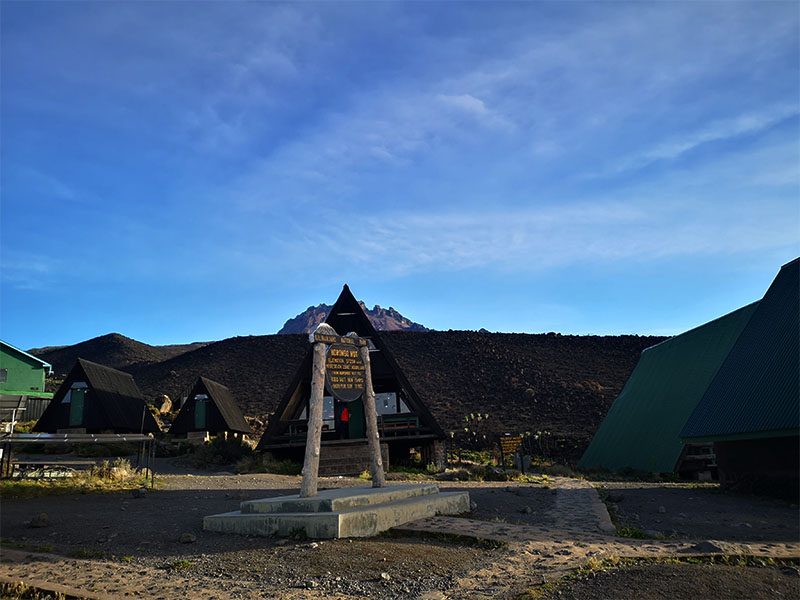
Horombo Huts on Mount Kilimanjaro’s Marangu Route with Mawenzi Peak in the background under a clear blue sky | Kili Quests
Machame uses mountain tents, while Marangu offers dormitory-style huts — a key difference in comfort and experience.

Table of Contents

Overview of Machame and Marangu Routes

What Is the Machame Route Like?

The Machame Route is the most popular route on Kilimanjaro and is often called the “Whiskey Route.” It is known for its scenic landscapes, varied terrain, and strong acclimatization profile when completed over 6 or 7 days.This route approaches the mountain from the south and takes you through rainforest, moorland, and alpine desert before reaching the summit. It also includes famous sections like the Barranco Wall, which adds both challenge and excitement to the climb.Machame is a camping route, meaning you sleep in tents throughout the trek. While this requires adjusting to outdoor conditions, it also allows for more flexibility and a closer connection to the mountain environment.
 
For a full breakdown, see our detailed [Machame Route Kilimanjaro guide].
 

What Is the Marangu Route Like?

The Marangu Route is the only route on Kilimanjaro that offers hut accommodation instead of camping. Because of this, it is often referred to as the “Coca-Cola Route” and is considered more comfortable by many climbers.The trail follows the same path for both ascent and descent, making it more direct compared to other routes. The terrain is generally gradual, and the huts provide shared sleeping areas, dining spaces, and basic facilities.Marangu is usually completed in 5 or 6 days, which makes it one of the shortest routes on the mountain.
 
Learn more in our complete [Marangu Route Kilimanjaro guide].

Key Differences Between Machame and Marangu

Accommodation — Tents vs Huts

The most obvious difference between these two routes is how you sleep.On Machame, you camp in tents that are set up by your support team. While this requires adjusting to outdoor conditions, it offers more space, privacy, and a more immersive mountain experience.On Marangu, you stay in huts with shared dormitory-style rooms. This can feel more comfortable, especially for climbers who are not used to camping. However, huts can be crowded, especially during peak seasons, and offer less flexibility.Your choice here depends on whether you prioritize comfort or experience.

Acclimatization and Success Rate

This is one of the most important differences between the two routes.Machame follows a “climb high, sleep low” profile, which allows your body to adjust more effectively to altitude. When done over 6 or 7 days, it offers a strong chance of reaching the summit.Marangu, on the other hand, is shorter and follows a more direct ascent. Because of this, it provides less time for acclimatization, which can reduce success rates.Many climbers are surprised to learn that the “easier” Marangu Route often has a lower success rate than Machame.
 
Learn more about [Kilimanjaro success rates] and why longer routes improve your chances of reaching the summit.

Difficulty Level

Marangu is often described as easier because of its gradual slopes and hut accommodation. However, the shorter duration can make it more challenging in terms of altitude adaptation.Machame includes steeper sections and more varied terrain, which can feel physically demanding. However, the longer itinerary helps balance this by giving your body more time to adjust.In reality, both routes are achievable, but Machame often provides a better overall balance between effort and acclimatization.
 
Not sure what to expect? Read our full guide on [how difficult Kilimanjaro really is].

Scenery and Experience

Machame is widely considered one of the most scenic routes on Kilimanjaro. It passes through diverse landscapes, including rainforest, moorland, and alpine desert, offering constantly changing views.Marangu is less varied in terms of scenery because it follows a more direct path up and down the mountain. While still beautiful, it does not offer the same diversity of landscapes as Machame.For climbers who value the journey as much as the summit, Machame provides a richer experience.

Crowd Levels

Both routes can be busy, but the experience is different.Marangu huts can become crowded, especially during peak seasons, as all climbers share the same facilities. This can reduce privacy and comfort.Machame is also popular, but camping spreads climbers out more, creating a less crowded feeling overall.

Cost and Value

Marangu is often slightly cheaper because it is shorter and uses existing hut infrastructure.Machame may cost more, especially when done over 7 days, but it often provides better value due to higher success rates and a more rewarding experience.When choosing between the two, it is important to consider not just the price, but what you are getting in return.
 
For a full breakdown, see our guide on [Kilimanjaro climb cost].
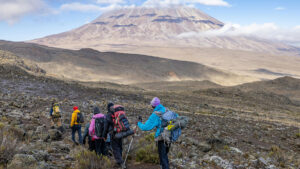
Trekker walking at high altitude toward Kilimanjaro’s summit | Kili Quests
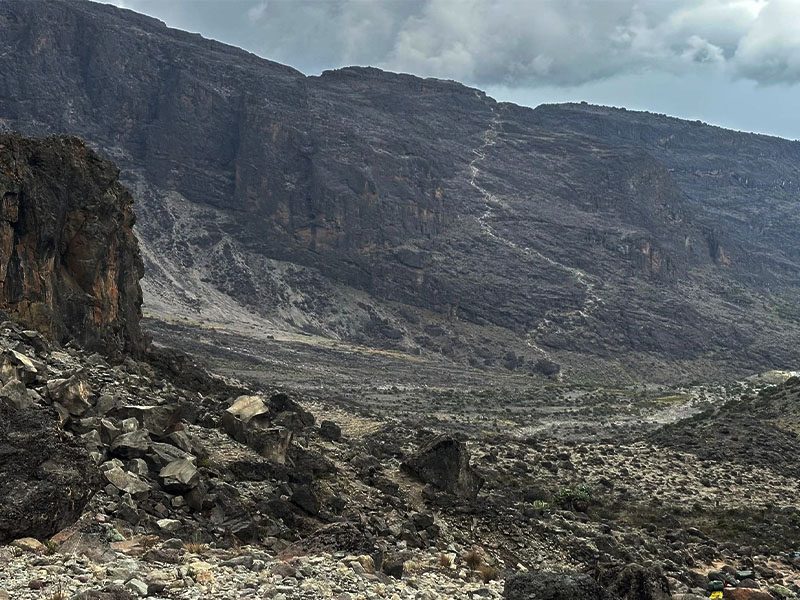
Machame includes steeper, more adventurous sections, while Marangu provides a more gradual and direct path to the summit.

Machame vs Marangu — Which One Should You Choose?

Choose Machame If You Want a Higher Chance of Success

Machame’s longer itinerary and better acclimatization profile make it a strong choice for climbers who want to maximize their chances of reaching Uhuru Peak.

Choose Marangu If You Prefer Hut Accommodation

If you are not comfortable with camping and prefer sleeping in huts, Marangu is the only option that offers this experience.

Choose Machame If You Want Better Scenery

Machame offers more diverse landscapes and a more visually rewarding journey, making it ideal for those who value the overall trekking experience.

Choose Marangu If You Want a Simpler, Shorter Route

Marangu’s direct path and shorter duration make it appealing for those who want a more straightforward climb.

How to Choose the Right Route for Your Kilimanjaro Climb

Choosing between Machame and Marangu comes down to your priorities.If your main goal is maximizing your chances of reaching the summit with better acclimatization and scenery, Machame is usually the stronger choice.If you prefer hut accommodation and a shorter, more straightforward climb, Marangu may suit you better.

If you’re still unsure, compare all routes in our [Kilimanjaro routes comparison guide] to find the best fit for your experience level.

Machame vs Marangu Pros and Cons

Machame Pros

  • Better acclimatization profile
  • Higher success rate
  • More scenic and varied
  • Strong overall experience

Machame Cons

  • Requires camping
  • Slightly longer duration
  • Can be physically demanding

Marangu Pros

  • Hut accommodation
  • Simpler and more direct route
  • Shorter duration

Marangu Cons

  • Lower success rate
  • Limited acclimatization
  • Less scenic
  • Can feel crowded
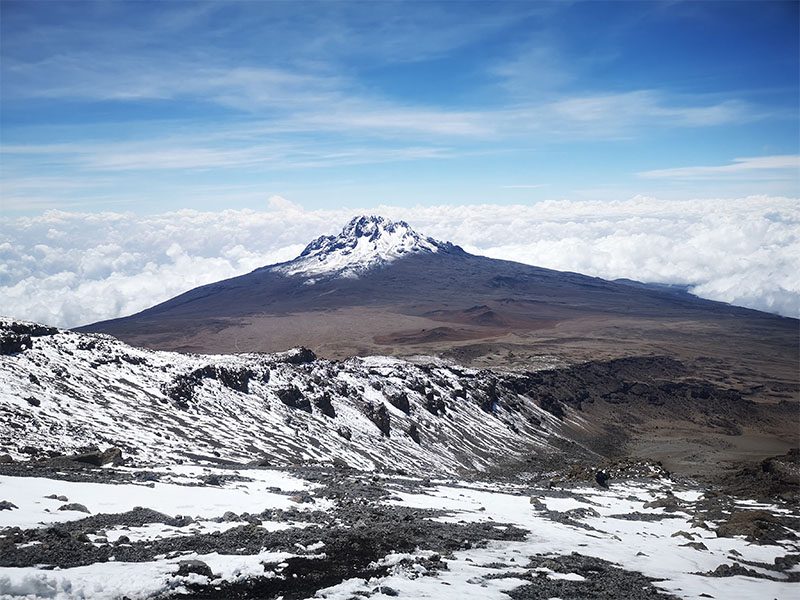
View of Mawenzi Peak from Stella Point on Mount Kilimanjaro, with snow-covered terrain and clouds below — typical scenery on the Rongai Route | Kili Quests
Machame vs Marangu: comparing Kilimanjaro’s scenic camping route with the hut-based Marangu trail.

Frequently Asked Questions About Machame vs Marangu

Is Machame better than Marangu for beginners?

For most beginners, the Machame Route is actually the better choice, even though it involves camping and slightly more varied terrain. The main reason is acclimatization. Machame is usually completed over 6 or 7 days and follows a “climb high, sleep low” profile, which helps the body adjust gradually to altitude.Marangu, on the other hand, is often completed in 5 or 6 days. While the trail itself is more gradual, the shorter duration means less time for acclimatization. This increases the likelihood of altitude sickness, which is the main reason many climbers fail to reach the summit.For first-time climbers, success is not about choosing the easiest-looking route — it’s about choosing the route that gives your body the best chance to adapt. In that sense, Machame is usually the stronger option for beginners who want to reach Uhuru Peak.

Why does the Marangu Route have a lower summit success rate?

The lower success rate on the Marangu Route is mainly due to its shorter itinerary and direct ascent profile. Climbers gain altitude relatively quickly without enough time for their bodies to properly adjust to the reduced oxygen levels.Unlike Machame, which includes strategic acclimatization days and elevation changes, Marangu follows a more straightforward path up the mountain. While this may seem simpler, it can actually make the climb more difficult from a physiological perspective.As altitude increases, the body needs time to adapt. Without this adjustment period, climbers are more likely to experience symptoms of altitude sickness such as headaches, nausea, and fatigue. In more serious cases, they may need to descend for safety reasons.This is why many experienced guides recommend longer routes like Machame, which prioritize acclimatization and improve overall success rates.

Are the huts on the Marangu Route comfortable enough?

The huts on the Marangu Route provide basic shelter and are often seen as a more comfortable alternative to camping. They include shared sleeping areas, dining spaces, and simple facilities that protect climbers from wind and cold.However, comfort on Marangu is relative. During busy seasons, huts can become crowded, with multiple climbers sharing the same room. This can reduce privacy and sometimes affect sleep quality.In contrast, camping routes like Machame offer more personal space, as tents are set up specifically for your group. While camping requires adjusting to outdoor conditions, many climbers find it more peaceful and less crowded.Ultimately, whether huts are “more comfortable” depends on your personal preference. Some climbers prefer the structure of huts, while others enjoy the flexibility and space of camping.
 

Which route offers a better overall experience, Machame or Marangu?

For most climbers, the Machame Route offers a more complete and rewarding Kilimanjaro experience. It provides a wider variety of landscapes, including rainforest, moorland, and alpine desert, and includes iconic sections like the Barranco Wall.The longer duration also allows for better acclimatization, which not only improves your chances of reaching the summit but also makes the journey feel more manageable and enjoyable.Marangu, while still a valid option, is more straightforward and less varied. The scenery is more limited, and the out-and-back trail means you experience the same path on both ascent and descent.If your goal is to fully experience the diversity of Kilimanjaro while maximizing your chances of success, Machame is generally the better choice.

Is Machame more difficult than Marangu in reality?

Machame is often perceived as more difficult because it includes steeper sections and requires camping. However, when you look at the overall climb, the difference is not as simple as it seems.While Machame may feel more physically demanding on certain days, its longer itinerary gives your body more time to adjust to altitude. This can actually make the climb feel more manageable overall, especially during summit night.Marangu, despite being less steep, can feel more challenging due to the faster altitude gain. Climbers may struggle more with fatigue and altitude-related symptoms because their bodies have not had enough time to adapt.In reality, Machame often provides a better balance between physical effort and acclimatization, making it a more reliable choice for many climbers.

Choose the Right Route with Expert Guidance

Climbing Kilimanjaro with Trusted Local Experts .Selecting the right route can make the difference between an average climb and a successful, unforgettable experience.At Kili Quests, we help you choose the route that fits your goals, comfort level, and timeline  giving you the best chance of reaching Uhuru Peak.

Contact our team for expert trip advice

Related Articles

Kilimanjaro Climb Cost: Full Price Breakdown

Plan Your Kilimanjaro Climb Budget

Climbing Kilimanjaro is a major investment choosing the right route and support team makes all the difference.
At Kili Quests, we help you:

Explore More Kilimanjaro Planning Guides

Cost is just one part of planning your climb. Explore these guides to choose the right route and prepare properly.

OUR CATEGORIES

How Much Does It Cost to Climb Mount Kilimanjaro? Full Price Breakdown

Climbing Mount Kilimanjaro, the tallest mountain in Africa at 5,895 meters (19,341 feet), is one of the most exciting trekking adventures in the world. Every year thousands of travelers travel to Tanzania to attempt reaching Uhuru Peak, the summit of Kilimanjaro and the highest point on the African continent.One of the most common questions climbers ask while planning their expedition is: How much does it cost to climb Mount Kilimanjaro?
 
The cost of climbing Kilimanjaro can vary widely depending on the route you choose, the number of days on the mountain, and the quality of the trekking company. In general, climbers can expect to pay between $2,000 and $6,000 per person for a complete Kilimanjaro trekking experience.This guide explains the full breakdown of Kilimanjaro climbing costs, including national park fees, guide services, equipment, and travel expenses so you can plan your adventure with confidence.
 
Choosing the right route has a major impact on both cost and success — see our Kilimanjaro Routes Comparison: Which Route Is Best? to find the best option for your budget and experience.
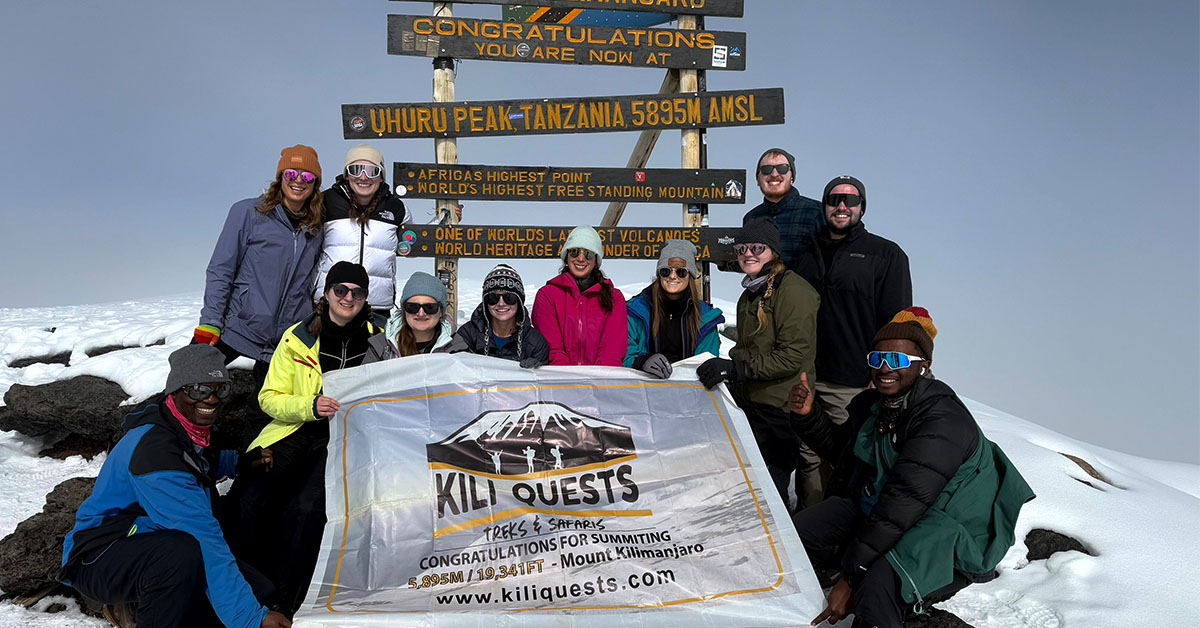
Group of trekkers celebrating together at Uhuru Peak, the summit of Mount Kilimanjaro
Kilimanjaro climbers at Uhuru Peak with their guide team after a successful summit.

Table of Contents

Average Cost to Climb Mount Kilimanjaro

The average cost of climbing Kilimanjaro usually falls between $2,000 and $6,000 per person.Different types of climbs come with different levels of service and comfort.
Type of Climb Average Cost
 
Budget climb……………….  $2,000 – $2,500
Standard climb……………  $2,500 – $4,000
Luxury climb……………….  $4,000 – $6,000
 
Most Kilimanjaro climbing packages include guides, porters, food, camping equipment, park permits, and transportation during the trek.However, international flights and some personal expenses are usually not included.

Kilimanjaro National Park Fees

A large portion of the cost of climbing Mount Kilimanjaro goes directly to Kilimanjaro National Park fees, which are mandatory for all climbers.These fees are set by the Tanzanian government and are used to support conservation efforts, park management, and maintenance of the mountain’s trails and facilities.The main park fees include:
  • Conservation fees (charged per day on the mountain)
  • Camping or hut fees depending on the route
  • Rescue fees
  • Park entry permits
For most climbers, these park fees typically range between $800 and $1,000 plus per person, depending on the number of days spent on the mountain.
It is also important to note that Kilimanjaro National Park fees are subject to an additional 18% Value Added Tax (VAT) required by the Tanzanian government. This tax is applied to park services and is included in most Kilimanjaro climbing packages offered by trekking companies.Because park fees are charged per person and per day, longer climbs with more acclimatization days naturally cost more. However, these longer itineraries usually provide a higher chance of reaching Uhuru Peak, the summit of Mount Kilimanjaro.
 
Longer routes like the Lemosho Route and Northern Circuit Route cost more, but they significantly improve acclimatization and summit success.

Guide, Porter, and Crew Costs

Climbing Kilimanjaro requires a full support team.Every trekking group normally includes:
  • a professional mountain guide
  • assistant guides
  • porters who carry equipment
  • a cook who prepares meals
Porters carry tents, cooking supplies, and camping equipment so climbers only need to carry a small daypack with water, snacks, and personal items.This support system is essential for safety and comfort during the multi-day climb.
 
This support system is essential for both comfort and safety — learn more about risks in our guide on Is Climbing Kilimanjaro Dangerous?
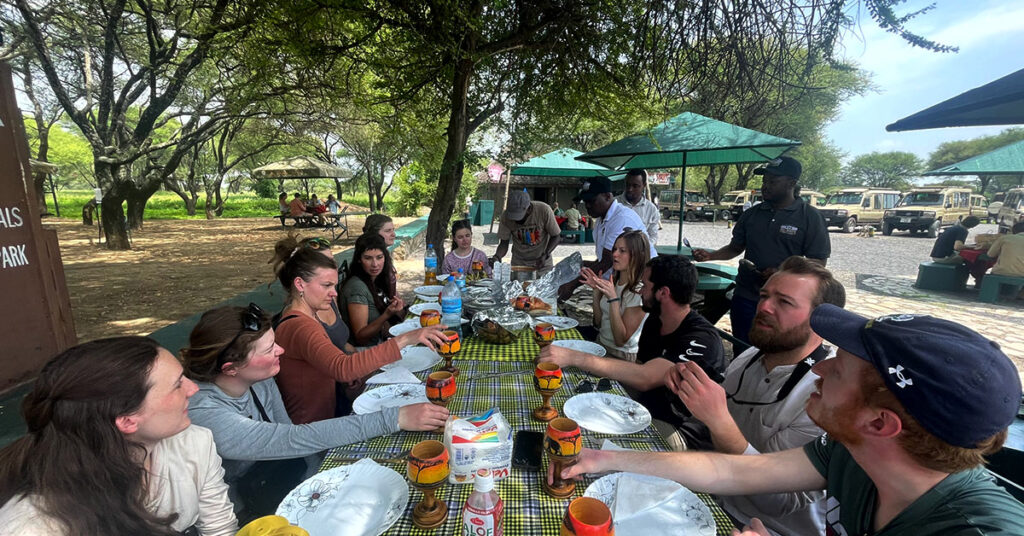
Tourists enjoying meals together at a Kilimanjaro camp after a day of trekking.

What Is Included in Most Kilimanjaro Climb Packages?

Most reputable Kilimanjaro trekking companies include a variety of services in their climbing packages.Typical inclusions are:
  • Professional licensed guides
  • Assistant guides and porters
  • All national park permits and fees
  • Camping equipment such as tents and mattresses
  • Meals during the trek
  • Transportation to and from the mountain
  • Safety equipment including oxygen and first aid kits
These services ensure climbers have the support they need to safely attempt the summit.

Equipment and Gear Costs

Proper gear is essential for a successful Kilimanjaro climb. Temperatures near the summit can drop below -10°C (14°F), so climbers must bring warm clothing and quality hiking equipment.Essential gear usually includes:
  • waterproof hiking boots
  • insulated jackets
  • thermal layers
  • trekking poles
  • sleeping bag
  • headlamp
Some climbers already own this equipment, while others choose to rent gear locally in Tanzania, which can reduce costs.
 
Not sure what to pack? See our full Kilimanjaro Packing List to make sure you’re fully prepared.

Travel Costs to Tanzania

In addition to the climbing package, travelers should consider the cost of traveling to Tanzania.Typical travel expenses include:
  • accommodation before and after the climb
  • Airport transfer both (drop off & pick up)
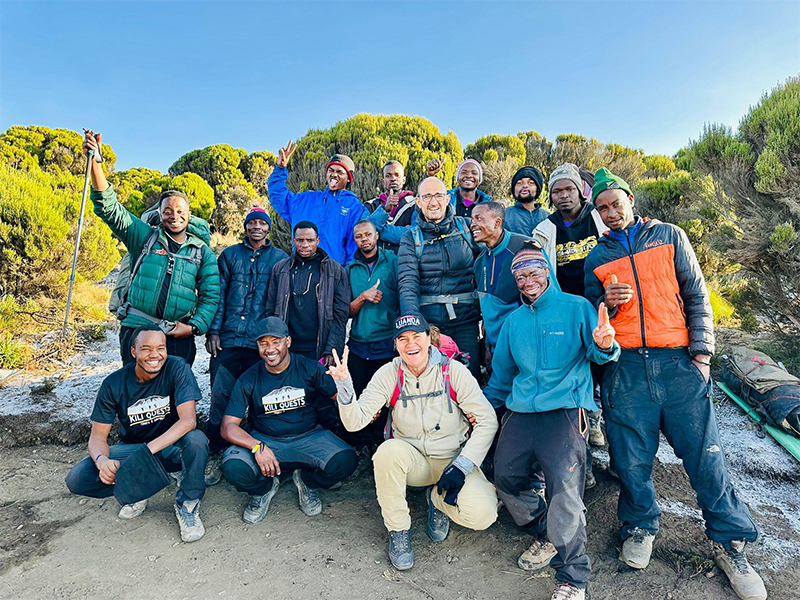
Kilimanjaro trekkers and porters smiling together at the end of a successful hike
Every Kilimanjaro climb is a team effort — guides, porters, and climbers sharing the journey to the summit.

Hidden Costs to Consider

While many Kilimanjaro packages include the main climbing costs, travelers should still plan for some additional expenses.
Common extra costs include:
  • tips for guides, porters, and cooks
  • gear rental if needed
  • personal snacks or drinks
  • travel insurance
  • Visa fee
  • International Flights

Flights to Kilimanjaro International Airport vary depending on departure location but usually range between $600 and $1,500.

Budget vs Luxury Kilimanjaro Climbs

The cost of climbing Mount Kilimanjaro can vary significantly depending on the type of expedition you choose. While budget climbs may appear cheaper, luxury climbs often provide additional comfort, safety features, and longer itineraries that improve summit success rates.


Understanding the difference between budget, standard, and luxury climbs can help travelers choose the right option for their experience and budget.
Many budget climbs use shorter routes like the Marangu Route, which reduces cost but also lowers acclimatization time.

Budget Climbs

Budget Kilimanjaro climbs usually cost around $2,000–$2,500 per person. These expeditions provide the basic services required to climb the mountain, including guides, porters, meals, and camping equipment.However, budget climbs often use shorter itineraries, typically lasting 5–6 days. While these trips reduce overall costs, they also allow less time for acclimatization, which can lower the chances of reaching the summit.Budget climbs may also include:
  • simpler camping equipment
  • basic food menus
  • fewer comfort features
When choosing a budget climb, it is important to ensure the operator follows ethical porter treatment and proper safety standards.

Standard Climbs

Standard Kilimanjaro climbs usually cost between $2,500 and $4,000 and are the most common type of expedition.These climbs often include 6–7 day itineraries, which provide better acclimatization and improved summit success rates compared to shorter climbs.Standard climbs typically offer:
  • experienced mountain guides
  • quality camping equipment
  • balanced and nutritious meals
  • proper safety monitoring
  • well-organized logistics
For many climbers, this option provides the best balance between price, comfort, and safety.
Longer routes such as the Lemosho Route or Northern Circuit Route increase cost but offer much higher success rates.

Luxury Climbs

Luxury Kilimanjaro climbs usually cost between $4,000 and $6,000 or more, depending on the operator and the route chosen.Luxury expeditions often include longer itineraries of 7–9 days, which provide better acclimatization and significantly increase the chances of reaching the summit.
However, longer climbs also increase the overall cost because climbers spend more days inside Kilimanjaro National Park, which means paying additional park fees, camping fees, and crew costs.Luxury climbs usually include additional services such as:
  • larger and more comfortable sleeping tents
  • upgraded meals with more variety
  • private toilet tents
  • thicker sleeping mattresses
  • larger support teams
  • more personalized service
  • Sleeping in Beds

Because these climbs spend more time on the mountain and require a larger support team, the overall cost is higher.For many climbers, luxury expeditions provide a more comfortable trekking experience and better summit success rates, especially when using longer routes like Lemosho or the Northern Circuit.

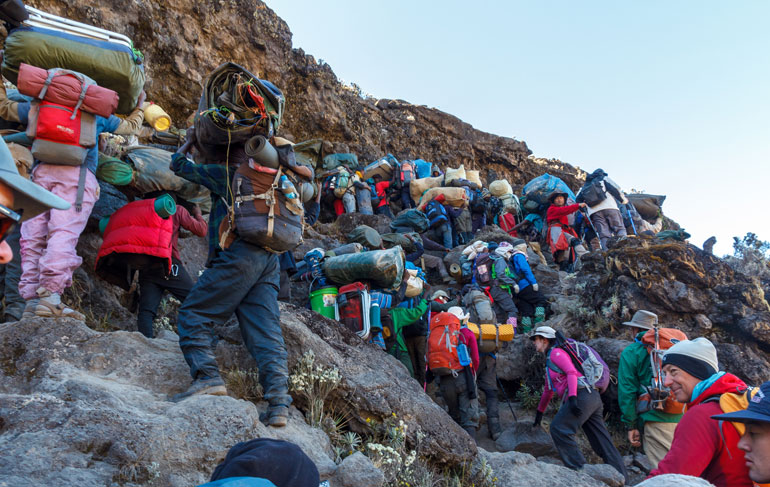
Kilimanjaro porter walking along the mountain trail with gear balanced on head
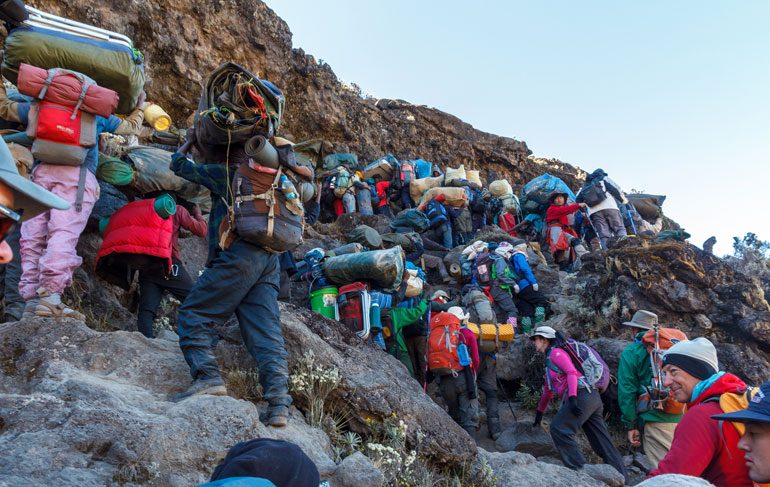
Porters guiding climbers up the Barranco Wall on Mount Kilimanjaro — a true display of strength, teamwork, and support on the mountain.

Frequently Asked Questions About Kilimanjaro Costs

Why is climbing Kilimanjaro expensive?

Climbing Mount Kilimanjaro may seem expensive at first, but the cost reflects the complexity and scale of organizing a safe multi-day expedition on Africa’s highest mountain.A large portion of the price comes from Kilimanjaro National Park fees, which are set by the Tanzanian government and are mandatory for every climber. These include conservation fees, camping or hut fees, rescue fees, and other regulatory charges.Beyond park fees, each climb requires a full support team, including licensed guides, porters, and cooks. These teams carry equipment, prepare meals, set up camps, and monitor your safety throughout the trek. Ethical operators also ensure fair wages, proper working conditions, and adequate gear for their staff.Additional costs include food supplies for several days, high-quality camping equipment, safety gear such as oxygen systems, and logistics like transportation and accommodation before and after the climb. When all these elements are combined, the cost reflects not just the climb itself, but the level of safety, support, and experience provided.

What is the cheapest way to climb Kilimanjaro?

The cheapest way to climb Kilimanjaro is usually by joining a group trek with a budget operator, where costs can start from around $2,000. Group climbs reduce expenses by sharing resources such as guides, transport, and equipment among several climbers.However, choosing the cheapest option requires careful consideration. Extremely low prices often mean compromises in areas such as food quality, staff wages, equipment standards, and safety measures. In some cases, very cheap operators may not follow proper safety protocols or ethical treatment of porters.While it is possible to climb Kilimanjaro on a budget, it is important to prioritize value over price. A slightly higher investment with a reputable company often results in better support, higher success rates, and a safer overall experience on the mountain.

Do I need to tip Kilimanjaro guides and porters?

Yes, tipping is an expected and important part of climbing Kilimanjaro. It is not just a gesture of appreciation, but a significant part of the income for guides, porters, and cooks who support your climb.A Kilimanjaro team works extremely hard behind the scenes , carrying heavy loads, setting up camp, preparing meals, and ensuring your safety in challenging conditions. Tipping recognizes their effort and dedication throughout the journey.Most operators provide recommended tipping guidelines, usually based on the size of your group and the number of staff supporting you. While the exact amount can vary, it is important to budget for tips in advance and present them respectfully at the end of the climb.

Are flights included in Kilimanjaro climb packages?

In most cases, international flights are not included in Kilimanjaro climbing packages. Standard packages typically cover the mountain portion of the trip, including park fees, guides, porters, meals, accommodation during the climb, and transfers within Tanzania.Climbers are usually responsible for booking their own international flights to Tanzania, often arriving at Kilimanjaro International Airport. Some operators may assist with airport transfers or offer optional add-ons such as hotel stays before and after the climb.It is always important to check exactly what is included in your package so you can plan and budget accordingly without unexpected costs.

Is climbing Kilimanjaro worth the cost?

For many travelers, climbing Kilimanjaro is more than just a trek , it is a once-in-a-lifetime experience. The journey takes you through multiple ecosystems, from rainforest to alpine desert, and challenges you both physically and mentally.Reaching Uhuru Peak, the highest point in Africa, brings a strong sense of achievement that few other experiences can match. Along the way, you also connect with local guides and porters, gaining insight into the culture and spirit of Tanzania.While the cost may seem high, most climbers consider it a worthwhile investment in a unique adventure that combines natural beauty, personal challenge, and unforgettable memories.

Ready to Climb Mount Kilimanjaro?

Climbing Mount Kilimanjaro is a once-in-a-lifetime adventure, and choosing the right trekking company plays a major role in your success.At Kili Quests, our experienced local guides organize safe and well-planned expeditions designed to give climbers the best chance of reaching the summit.With professional guides, reliable equipment, and strong support teams, we help trekkers from around the world achieve their dream of standing on the Roof of Africa.

Start Planning Your Kilimanjaro Adventure

Related Articles

Kilimanjaro Tipping Guide: How Much to Tip Guides & Porters

Table of Contents

Kilimanjaro & Safari Tipping Guide: How Much to Tip | Kili Quests

Tipping on Kilimanjaro and Safari – Why It Matters

Tipping is an important part of both your Kilimanjaro climb and safari experience. It’s a way to express appreciation for the hardworking guides, porters, cooks, and driver-guides who dedicate themselves to ensuring your safety, comfort, and success.
In this guide, we’ll cover:How much to tip on your Kilimanjaro trek ,Safari tipping guidelines Fair distribution of tips to ensure support for every member of the team.
Kilimanjaro trekkers and porters smiling together at the end of a successful hike
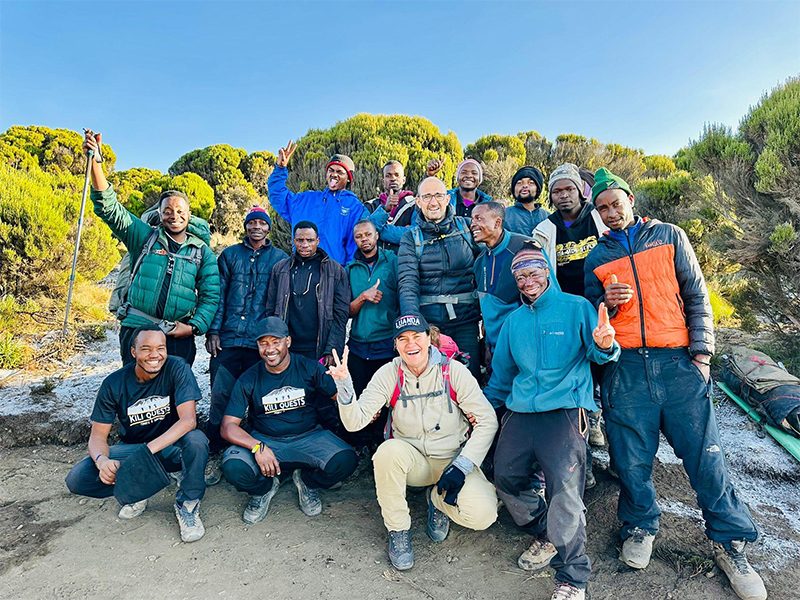
Many trekkers tip after the descent — when the bond with their mountain crew has grown

 Kilimanjaro Tipping Guidelines

Your Kilimanjaro climb involves a dedicated support team, including guides, chefs, porters, and other crew members, all essential to your success.
When to Tip:
  • Tipping is done on the final day of the climb, during a short debriefing at your hotel. All tips should be handed to the Chief Guide, who will fairly distribute them among the team.
 
Kilimanjaro porter walking along the mountain trail with gear balanced on head
Porters walk long distances each day through tough terrain — carrying essential supplies that make your trek possible

Kili Quests Tipping Policy:

We recommend budgeting 20% to 25% of your total program cost per person for tipping.


Why 20%-25%?
  • Reflects Hard Work: This percentage fairly reflects the hard physical labor and long hours your crew commits each day.
  • Balanced Distribution: It ensures a fair distribution among all team members, from your lead guide to the support porters.
  • Simplified Process: The total tip is pooled and handed to the Chief Guide, who will divide it fairly based on team roles.

The Crew’s Essential Role

Each crew member plays a crucial role — from carrying your gear to cooking your meals, guiding you safely, and ultimately making your Kilimanjaro dream a reality.
Your tips support not just their work, but also their families and local communities.
 

Safari Tipping Guidelines | Kili Quests

Your safari experience is shaped by not just the wildlife and landscapes, but by the driver-guide who accompanies you. These guides are multi-skilled experts — they are your wildlife experts, logistics coordinators, and cultural interpreters.From sunrise game drives to navigating remote tracks and ensuring you reach each lodge or campsite safely, your guide is with you every step of the way.
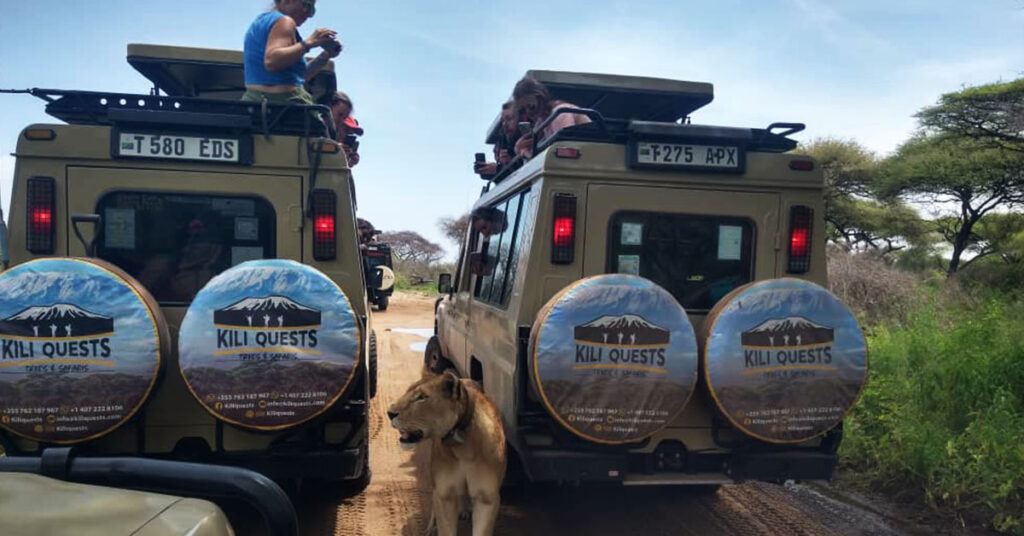
Lion walking between safari vehicles in Tanzania with guide inside the vehicle
Tipping your safari guide recognizes the skill and patience it takes to track wildlife and create unforgettable moments like this

Recommended Tip by Kili Quests

$50–$60 per vehicle, per day
  • This amount applies to the entire vehicle and not per person.
  • If you’re traveling as a group, you can split the total amount among all passengers.
  • The tip is typically given in cash at the end of the safari, either in an envelope or handed directly with a thank you.

Why Tip Safari Guides?

Safari guides often work long hours and face challenging conditions. Their responsibilities include:
  • Driving safely on rough, off-road terrain
  • Spotting and identifying animals — sometimes from great distances
  • Sharing insightful information about wildlife, ecosystems, and local culture
  • Coordinating your daily schedule, including lodge check-ins, meals, and activities
  • Handling unexpected situations (vehicle issues, weather changes, or animal movement) with professionalism
Tipping is a meaningful way to acknowledge their knowledge, hospitality, and dedication to your comfort and experience.
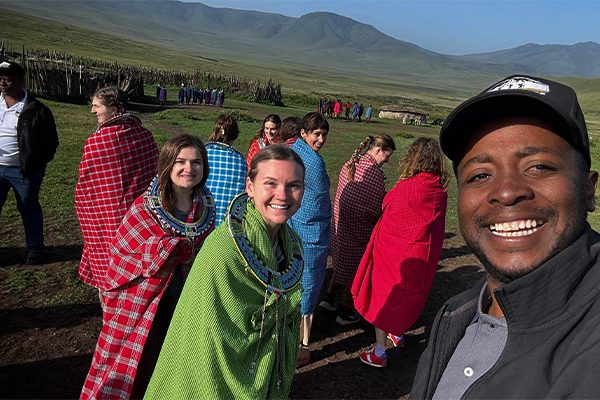
: Tourists visiting a Maasai boma in Tanzania, engaging with Maasai elders and families
A visit to a Maasai boma offers insight into traditional lifestyles, rituals, and values passed down for generations

Tipping Best Practices at Kili Quests

At Kili Quests, we treat our porters, guides, cooks, and driver-guides as part of our family. Tipping is an important way to show your appreciation, but we also emphasize fair wages, proper working conditions, and respect for all our staff. We believe ethical trekking and safari guiding go beyond the climb or game drive itself.

Frequently Asked Questions About Kilimanjaro and Safari Tipping

How much should you tip on a Kilimanjaro trek?

Tipping on a Kilimanjaro climb usually ranges from 20% to 25% of the total trek cost per person. This amount is shared among the mountain crew, including guides, cooks, and porters who support your journey on Mount Kilimanjaro.

Who receives tips during a Kilimanjaro climb?

Tips are distributed among the entire trekking team, including the lead guide, assistant guides, cooks, and porters. These crew members work together to carry gear, prepare meals, set up camps, and support trekkers throughout the climb.

When should you give tips on a Kilimanjaro trek?

Tipping usually takes place on the final day of the trek, often during a short debriefing at the hotel after descending the mountain. The tip is normally handed to the lead guide, who distributes it fairly among the team.

How much should you tip a safari guide in Tanzania?

For safaris in Tanzania, a common recommendation is $50–$60 per vehicle per day for the driver-guide. If several people share the vehicle, the tip can be split among all passengers.

Why is tipping important on Kilimanjaro and safari trips?

Tipping is a way to show appreciation for the hard work, expertise, and dedication of the team supporting your trip. On Kilimanjaro climbs and safaris, staff often work long hours to ensure safety, comfort, and a successful travel experience.

Can tips be given in US dollars on Kilimanjaro or safari?

Yes. US dollars are widely accepted for tipping in Tanzania. Most trekking companies recommend bringing small denominations of clean, newer bills(from 2005 to current) to make tip distribution easier at the end of your trip.

Plan Your Kilimanjaro Trek and Safari with Kili Quests

When you choose Kili Quests, you’re not just choosing a company. You’re choosing to support the local community, uplift our dedicated team, and embark on a journey that respects both the people and the mountain or wildlife.
 Ready to climb with a company that values its people?
 
Contact Kili Quests today to plan your Kilimanjaro adventure or safari Experience.

Related Articles