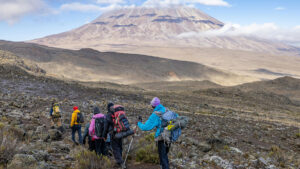
Lemosho Route: Scenic Kilimanjaro Trail

Reach the Summit with Confidence

Your success depends on the right route, acclimatization, and expert guidance.
We plan every climb for a safe summit.

Plan Your Kilimanjaro Climb the Right Way

Kilimanjaro success depends on preparation and acclimatization.Explore these essential guides:

OUR CATEGORIES

Lemosho Route on Kilimanjaro: Scenic Views & High Success Rate

Why Choose the Lemosho Route?

The Lemosho Route is widely considered one of the best ways to climb Mount Kilimanjaro  not because it is the easiest, but because it gives you the highest chance of success while offering some of the most dramatic scenery on the mountain.


Starting from the remote western side, the route begins in dense rainforest before opening into the vast Shira Plateau, one of the most unique landscapes on Kilimanjaro. Over several days, the trail allows your body to gradually adjust to altitude, which is the single most important factor for reaching Uhuru Peak.Unlike shorter routes that rush the ascent, Lemosho is designed for acclimatization, making it a strong choice for both first-time climbers and experienced trekkers looking for a safer and more enjoyable climb.
 
Each route has its own advantages depending on your goals, experience, and timeline — see our Kilimanjaro Routes Comparison: Which Route Is Best? to understand how Lemosho compares to other options.
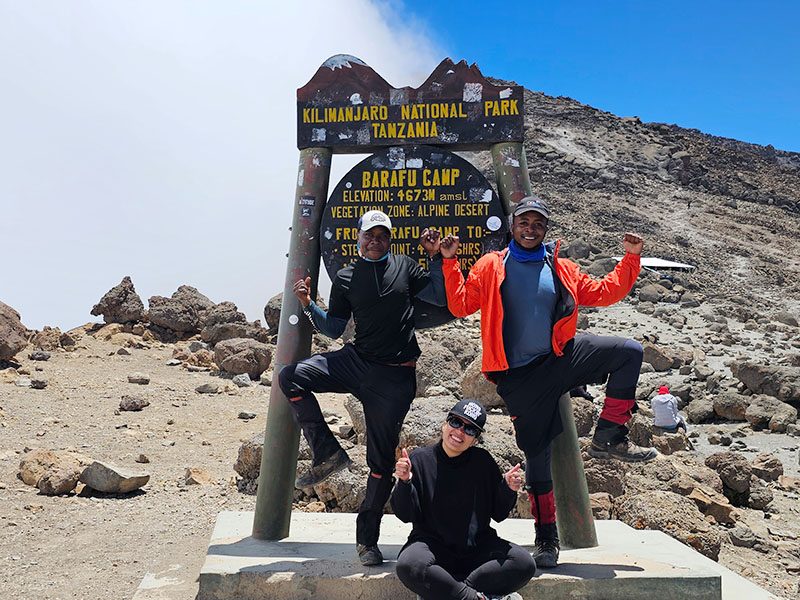
Smiling climbers posing at Barafu Camp (4,673m) on the Umbwe Route, striking fun poses before starting their summit ascent to Uhuru Peak | Kili Quests
A cheerful moment at Barafu Camp, the final staging point on the steep and scenic Lemosho Route before the summit climb begins.

Table of Contents

What Is the Lemosho Route on Kilimanjaro?

Where Does the Lemosho Route Start?

The route begins at Londorossi Gate, located on the western side of Kilimanjaro. The first day involves a drive followed by a short trek through dense rainforest, where wildlife sightings are sometimes possible.

How Long Is the Lemosho Route?

The route typically takes 7 to 8 days to complete, covering approximately 70 kilometers (43 miles). The 8-day version is strongly recommended because it allows better altitude adaptation and significantly increases summit success.

Lemosho Route Overview

Feature Details
Route Length        –       7 to 8 days
Distance                 –     ~70 km (43 miles)
Start Point             –   Londorossi Gate (Western Kilimanjaro)
Highest Point        –      Uhuru Peak (5,895 m / 19,341 ft)
Difficulty                – Moderate to challenging
Best For                  –  Scenic views,high success, fewer crowds
Success Rate        –   98% on the 8-day 

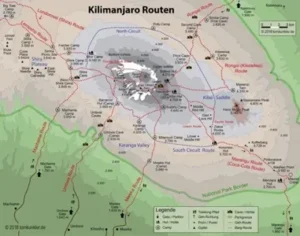
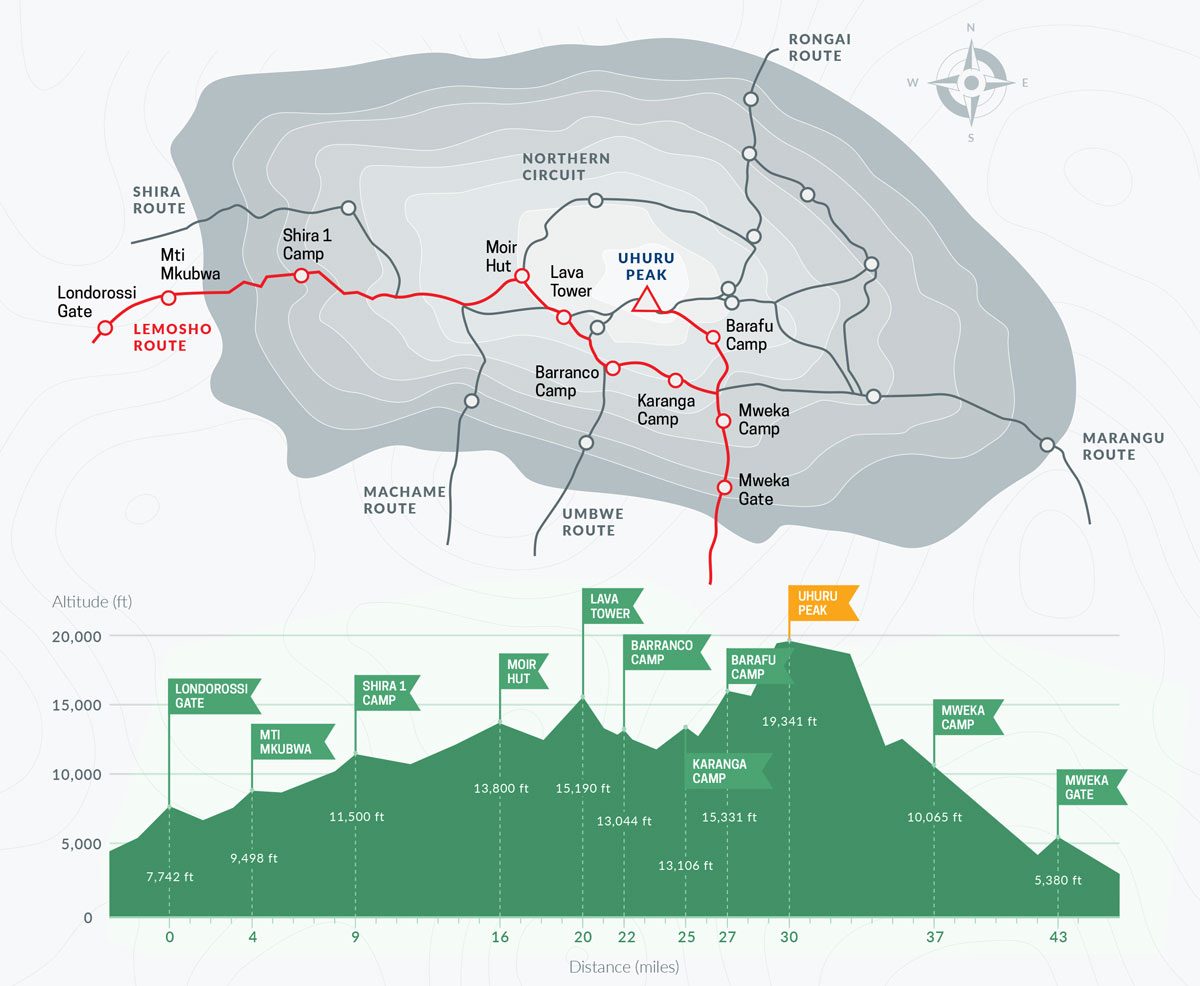
Lemosho Day Map and Elevation Profile

Lemosho Route map on Mount Kilimanjaro with full trail, elevation profile, and camp locations to Uhuru Peak
A scenic and well-acclimatized trail starting from Londorossi Gate and joining the Machame Route via Lava Tower.

Day-by-Day Itinerary (8-Day Version)

Day 1 – Londorossi Gate to Mti Mkubwa Camp

This first day is relatively short, allowing your body to begin adjusting gradually while trekking through lush rainforest.
  • Altitude: 2,100 m to 2,650 m
  • Hike Time: 3–4 hours
  • Forest zone with rich biodiversity

Day 2: Mti Mkubwa to Shira 1 Camp

Altitude: 2,650 m to 3,610 m
Hike Time: 5–6 hours
Enter the Shira Plateau with stunning open views

Day 3: Shira 1 to Shira 2 Camp

  • Altitude: 3,610 m to 3,850 m
  • Hike Time: 4–5 hours
  • Gentle trek with good acclimatization

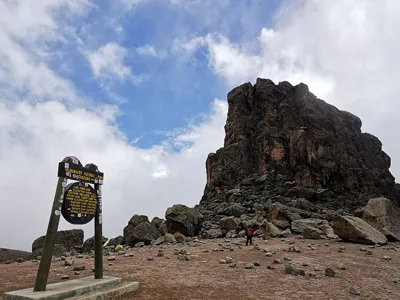
Day 4: Shira 2 to Barranco Camp (via Lava Tower)

This is a key acclimatization day where you follow the “climb high, sleep low” principle, which is essential for reducing the risk of altitude sickness.
  • Altitude: 3,850 m to 4,640 m (up) → 3,960 m (down)
  • Hike Time: 6–7 hours
  • Acclimatization day with high-altitude exposure

Day 5: Barranco to Karanga Camp

  • Altitude: 3,960 m to 4,035 m
  • Hike Time: 4–5 hours
  • Climb the iconic Barranco Wall 257 meters (843 feet) tall

Day 6: Karanga to Barafu Camp

  • Altitude: 4,035 m to 4,673 m
  • Hike Time: 3–4 hours
  • Prepare for summit push

Day 7: Summit Day – Barafu to Uhuru Peak & down to Mweka Camp

Summit night is the most physically and mentally demanding part of the entire climb, as you trek in cold, thin air for several hours before reaching Uhuru Peak.
  • Altitude: 4,673 m to 5,895 m (summit), descend to 3,100 m
  • Hike Time: 12–14 hours total
  • Sunrise summit, then long descent

Read our article that explained ,How Hard Is Kilimanjaro?

Day 8: Mweka Camp to Mweka Gate

  • Altitude: 3,100 m to 1,640 m
  • Hike Time: 3–4 hours
  • Receive your summit certificate!

Lemosho Route Difficulty and Acclimatization

Is the Lemosho Route Difficult?

The Lemosho Route is considered moderately challenging, mainly due to its length and altitude rather than steep terrain. The longer itinerary spreads the physical effort over more days, making it more manageable than shorter routes.

Why Lemosho Has a High Success Rate

The extended itinerary allows your body more time to adapt to altitude, which is the biggest factor affecting summit success. Compared to shorter routes, climbers on Lemosho have significantly higher success rates.

Who Should Choose This Route?

  • First-time climbers
  • Trekkers with average fitness
  • Anyone prioritizing summit success over speed
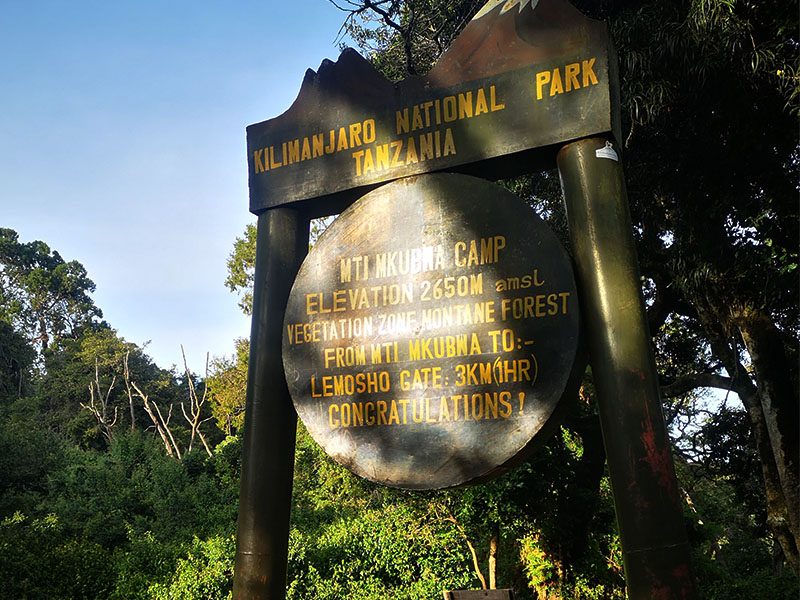
Mti Mkubwa Camp sign on Lemosho Route, Kilimanjaro National Park, showing elevation and distance to Lemosho Gate | Kili Quests
Mti Mkubwa Camp Sign (2,650m) – The first overnight stop on the Lemosho Route, located in the lush montane forest of Kilimanjaro.

Best Time to Climb the Lemosho Route

The best months are January to early March and June to October, when weather conditions are more stable and visibility is clear.
The best climbing windows are:
  • January to early March: Warm, with occasional clouds
  • June to October: Clear skies, cool and dry
Avoid April–May and November due to heavy and short rains

What Makes Lemosho Unique?

Starts on remote western side of the mountain

Crosses the dramatic Shira Plateau

Includes the acclimatization climb to Lava Tower

Barranco Wall is a thrilling highlight

Traverses all ecological zones, from rainforest to arctic summit

Acclimatization is the key to avoiding altitude sickness and successfully reaching the summit. Understanding how your body reacts at high altitude can make the difference between success and turning back early.

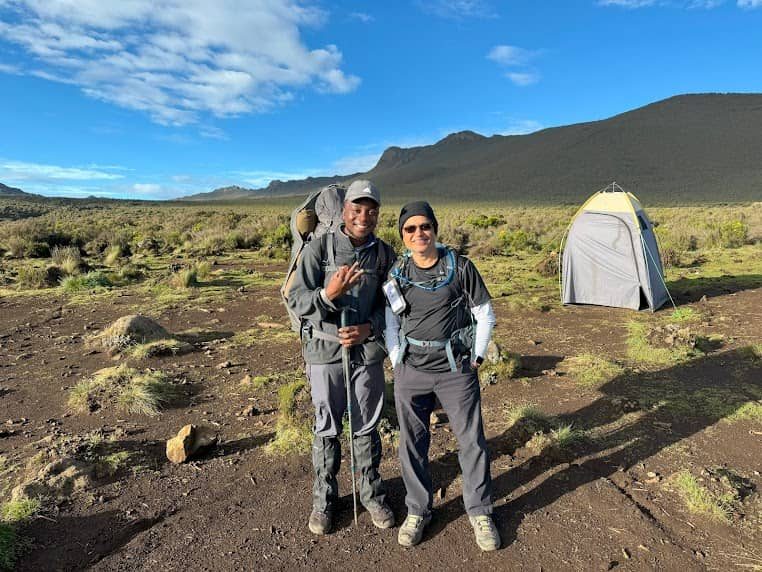
Two trekkers standing at Shira One Camp on the Lemosho Route, Kilimanjaro, with scenic moorland and tent in the background | Kili Quests
Shira One Camp (3,610m) – Trekkers enjoying a clear morning at Shira Plateau, the first high-altitude campsite on the Lemosho Route.

Is the Lemosho Route Right for You?

Choose Lemosho If You Want:

  • The best scenery on Kilimanjaro
  • A high summit success rate
  • A quieter start to your trek
  • More time to acclimatize

When Lemosho May Not Be Ideal

  • If you are short on time
  • If you are looking for the cheapest option
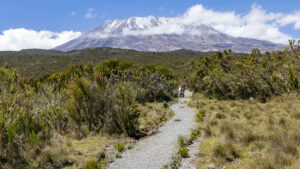
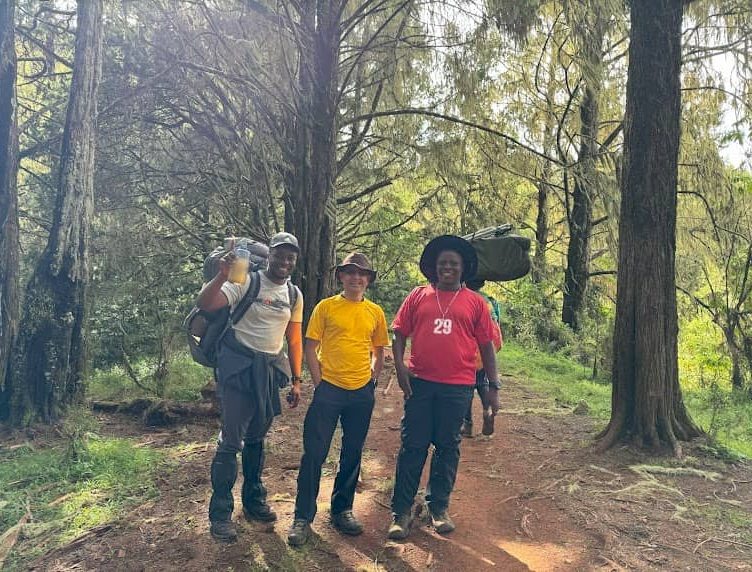
Trekkers and porters hiking through the forest into the moorland zone on the Lemosho Route, Mount Kilimanjaro | Kili Quests
Forest to Moorland Transition – Climbers and porters passing through the lush forest as they ascend toward the moorland zone on Day 2 of the Lemosho Route.

Frequently Asked Questions About the Lemosho Route

How difficult is the Lemosho Route on Mount Kilimanjaro?

The Lemosho Route is considered moderately challenging. While the trek covers a longer distance than some routes, the extended itinerary allows better acclimatization, making it suitable for climbers with average fitness levels.

How many days does the Lemosho Route take?

Most climbers complete the Lemosho Route in 7 or 8 days. The 8-day itinerary is recommended because it provides more time for acclimatization and increases the chances of reaching the summit.

What is the success rate of the Lemosho Route?

The Lemosho Route has one of the highest summit success rates on Mount Kilimanjaro, often exceeding 90%, especially on longer 8-day itineraries.

Where does the Lemosho Route start?

The route begins at Londorossi Gate on the western side of Mount Kilimanjaro. From there, trekkers hike through rainforest before reaching the Shira Plateau.

What makes the Lemosho Route special?

The Lemosho Route is known for its scenic landscapes, including rainforest trails, the Shira Plateau, Lava Tower, and the Barranco Wall. It also offers fewer crowds during the early days of the trek.

Is the Lemosho Route good for beginners?

Yes. Many first-time climbers choose the Lemosho Route because the longer itinerary helps with acclimatization, which increases the chances of reaching Uhuru Peak.

Climb Kilimanjaro via the Lemosho Route with Kili Quests

At Kili Quests, we focus on well-paced itineraries, experienced guides, and proper acclimatization to give you the best possible chance of reaching the summit safely.Our 8-day Lemosho climbs are designed to maximize success while allowing you to enjoy the journey across Kilimanjaro’s most scenic landscapes.
 
Contact us today to start planning your Lemosho adventure with our expert local team.

Related Articles