What Is Mount Kilimanjaro? The Ultimate Guide | Kili Quests
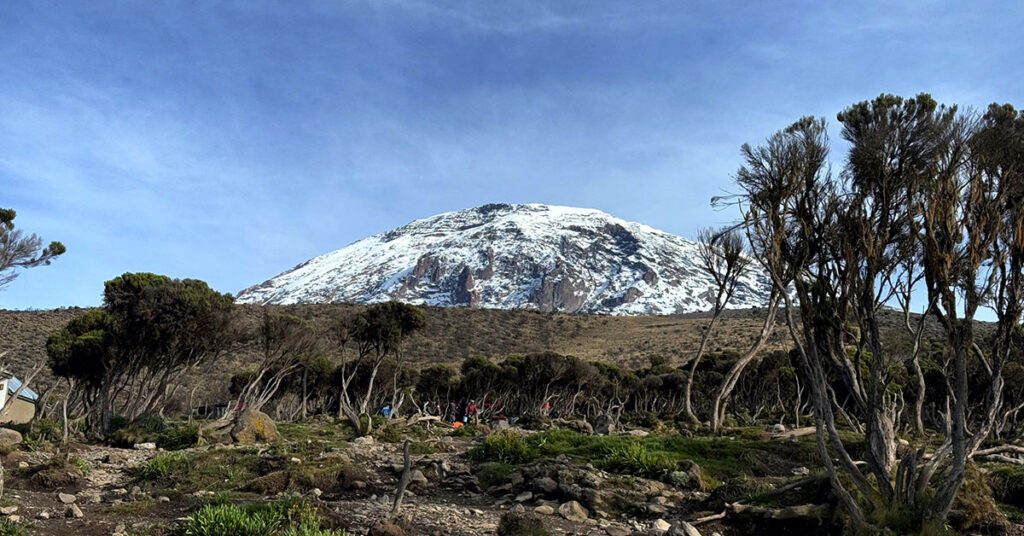
Mount Kilimanjaro is Africa’s tallest and most iconic peak — and a dream destination for trekkers worldwide. Standing at 5,895 meters (19,341 feet), it is not only the highest mountain in Africa but also the tallest free-standing mountain in the world.
At Kili Quests, we help adventurers like you climb to the top — safely, confidently, and with unforgettable memories.
This guide covers everything you need to know about Kilimanjaro, from its volcanic geography and trekking routes to history, ecosystems, and how to prepare for your climb.
10 Must-Know Facts About Kilimanjaro – Discover quick facts that every trekker should know before climbing.
Table of Contents
Geography & Volcanic Features of Mount Kilimanjaro
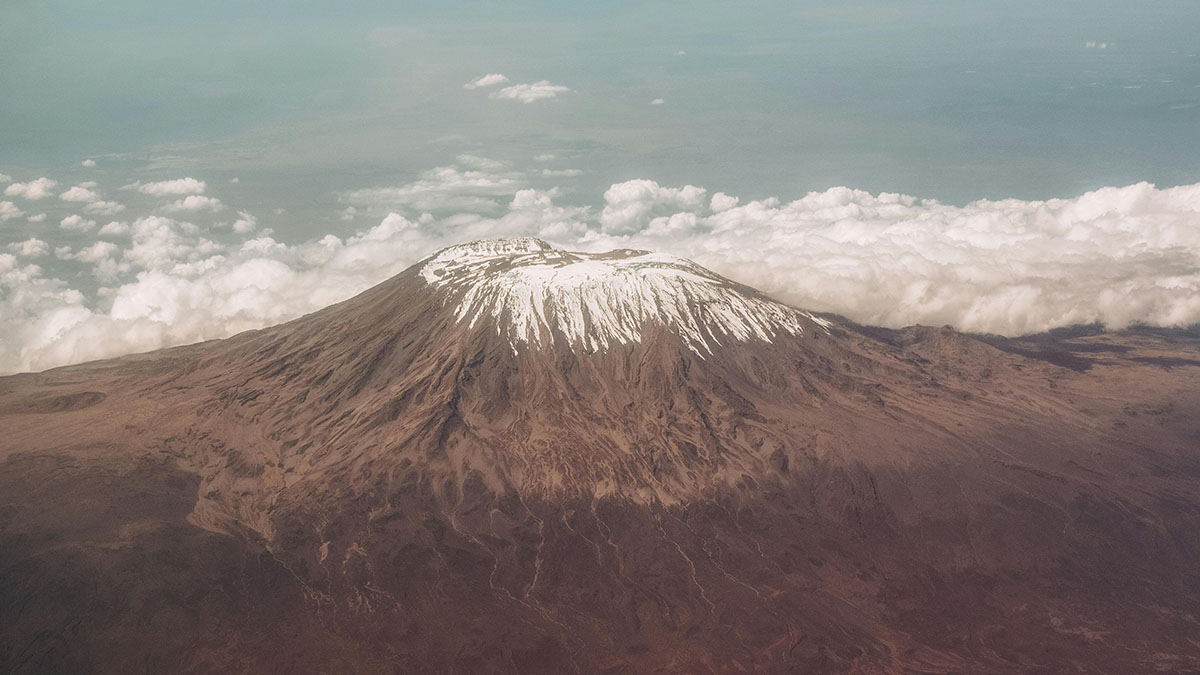
Located in northeastern Tanzania, near the Kenya border, Kilimanjaro is a massive dormant volcano made up of three cones:
- Kibo: The tallest and home to Uhuru Peak
- Mawenzi: Rugged and rarely climbed
- Shira: The oldest and eroded cone
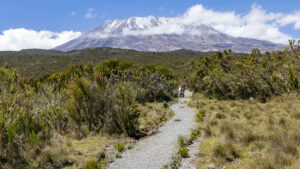
As you ascend, you’ll pass through five unique ecological zones, from lush rainforest to arctic summit — each with different views, temperatures, and wildlife.
UNESCO World Wonder Article – Explore Kilimanjaro’s global recognition and cultural importance.
History & Cultural Significance
Kilimanjaro has deep meaning for the Chagga people, who live around its base. The mountain is considered sacred, with myths of spirits and ancestral guardians.
- First summit: Hans Meyer (Germany), 1889
- Current spiritual value: Chagga and Pare tribes still perform rituals in sacred areas
- Global importance: Kilimanjaro is a UNESCO World Heritage Site
Why Kilimanjaro Is Called ‘Kilimanjaro’ – Uncover the origin and meaning behind the mountain’s mysterious name.
Trekking Routes to the Summit
There are 7 main routes to Uhuru Peak — each with its own difficulty, scenery, and success rate. Kili Quests offers guided treks on all routes.
Popular Routes We Offer:
- Machame Route: “Whiskey route” — scenic and popular
- Marangu Route: “Coca-Cola route” — huts instead of tents
- Lemosho Route: Gradual, quiet, and great for acclimatization
- Rongai Route: Drier, remote trail from the north
- Northern Circuit: Longest and best for acclimatization
- Shira Route: High starting point, scenic but challenging
- Umbwe Route: Steepest, for experienced trekkers only
Compare routes: Kilimanjaro Routes Compared
Challenges of Climbing Mount Kilimanjaro
While Kilimanjaro isn’t technical (no ropes or climbing gear), it’s still a tough trek — mainly due to altitude and temperature shifts.
Common Challenges:
- Altitude sickness – risk starts above 3,000m
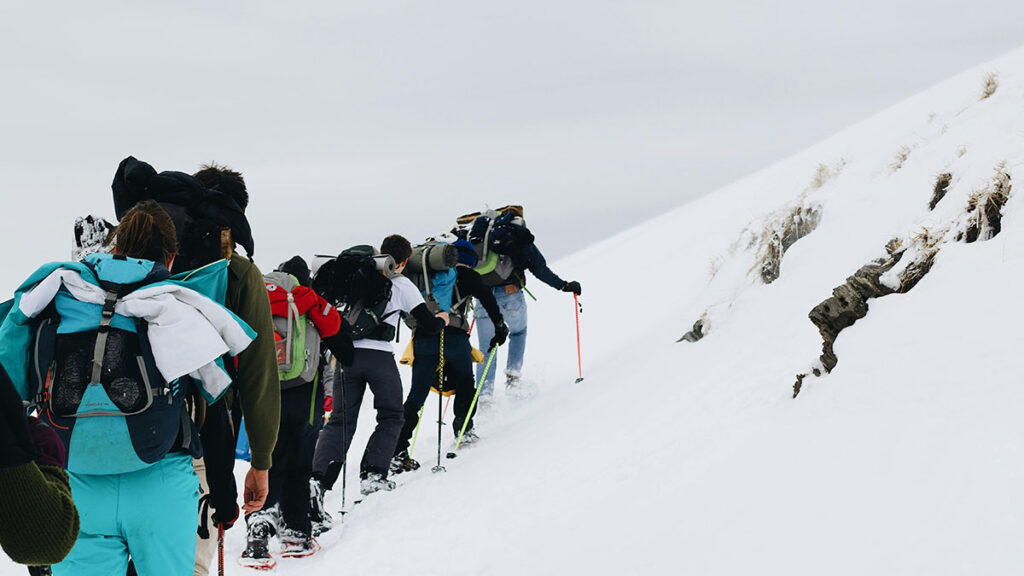
- Summit night cold – temperatures drop to -10°C or lower
- Fatigue – long trekking days require stamina
Understand how to adapt: Altitude Sickness on Kilimanjaro
How to Prepare for a Kilimanjaro Climb
Preparation is key — here’s how to get ready:
Fitness & Training
- Walk or hike regularly
- Practice with a daypack on uneven terrain
- Train at higher elevations if possible
Gear & Clothing
- Layered clothing system
- Waterproof hiking boots
- Daypack, headlamp, thermal wear
Full checklist: Kilimanjaro Packing List
Wildlife & Ecosystems
Kilimanjaro’s five zones are home to diverse plant and animal life:
- Rainforest zone: Blue monkeys, colobus monkeys, bushbucks
- Moorland: Giant groundsels, lobelias
- Alpine desert: Hardy shrubs and unique high-altitude flowers
- Birds: White-necked ravens, eagles, sunbirds
Ecological Zones – Learn how Kilimanjaro’s unique climates change from rainforest to arctic summit.
Safety & Support
At Kili Quests, your safety is our top priority.
Our Safety Measures:
- WFR-certified guides
- Pulse oximeters & oxygen available
- Emergency evacuation protocols
- Porter support for carrying gear
- Route flexibility in case of illness or weather
Why Climb with Kili Quests?
We’re not just guides — we’re locals, mountain professionals, and passionate adventurers. When you climb with Kili Quests, you get:
- Expert route advice
- Small group or private trek options
- Full preparation support
- Transparent pricing and ethics
- Cultural insights and Chagga heritage storytelling
Climb confidently: Climb Kilimanjaro with Experts
Frequently Asked Questions
Where is Mount Kilimanjaro located?
Mount Kilimanjaro is located in northeastern Tanzania, near the border with Kenya. The mountain rises dramatically from the surrounding plains and is visible from many parts of northern Tanzania.
How high is Mount Kilimanjaro?
Mount Kilimanjaro stands at 5,895 meters (19,341 feet) above sea level. Its highest point is Uhuru Peak, located on the Kibo volcanic cone, making it the tallest mountain in Africa.
Is Mount Kilimanjaro a volcano?
Yes. Mount Kilimanjaro is a dormant stratovolcano made up of three volcanic cones: Kibo, Mawenzi, and Shira. Kibo is the highest and still considered dormant, while Mawenzi and Shira are extinct.
How long does it take to climb Mount Kilimanjaro?
Most Kilimanjaro treks take between 5 and 9 days, depending on the route chosen. Longer routes allow better acclimatization to altitude, which improves the chances of reaching the summit successfully.
What is the best time to climb Mount Kilimanjaro?
The best time to climb Kilimanjaro is during the dry seasons from January to March and June to October. These months usually offer clearer skies, more stable weather, and better trekking conditions.
Do you need technical climbing skills to climb Mount Kilimanjaro?
No. Kilimanjaro is considered a non-technical trek, meaning climbers do not need ropes or advanced mountaineering skills. However, good physical fitness, proper preparation, and experienced guides are important for a safe and successful climb.
Ready to Conquer Kilimanjaro?
Join the many climbers who have reached the Roof of Africa with Kili Quests.
From planning and packing to celebrating your summit — we’re with you every step of the way.
Related Articles
Why Is It Called Gilman’s Point? Kilimanjaro History
April 15, 2025
No Comments
Why Is It Called Gilman’s Point? The Story Behind the Name | Kili Quests Climbers taking the Marangu or Rongai Route to the top of
Stella Point: Why It’s Named That & Kilimanjaro History
April 15, 2025
No Comments
Why Is It Called Stella Point? The Story Behind the Name | Kili Quests On your final push to the summit of Mount Kilimanjaro, you’ll
Umbwe Route Kilimanjaro: The Steepest Climb Guide
April 15, 2025
No Comments
Plan Your Umbwe Route Climb The Umbwe Route is steep, direct, and built for experienced climbers.Get expert advice and a personalized plan for your climb.