
Flora and Fauna on Mount Kilimanjaro: What You’ll See on the Mountain
Mount Kilimanjaro isn’t just Africa’s highest peak it’s also home to an extraordinary range of ecosystems. As you ascend the mountain, you’ll pass through five distinct ecological zones, each with its own plant life, animals, and climate.This natural diversity makes Kilimanjaro one of the most unique trekking environments in the world. From tropical rainforest flowers to strange alpine plants near the summit, here’s a complete guide to the flora and fauna you may encounter during your climb.This trail also passes through multiple ecological zones, each with unique vegetation and wildlife.
Table of Contents
Ecological Zones Overview
Altitude –800–1,800 m
Climate & Features-Farmland, villages, bananas, and coffee
Climate & Features-Humid forest with dense vegetation and wildlife
1. Cultivation Zone (800–1,800 m)
- Banana trees
- Coffee plants
- Avocado, maize, beans, and other crops
- Domesticated animals (goats, chickens, cows)
- Various birds, especially near farms and streams
2. Rainforest Zone (1,800–2,800 m)
- Tall hardwood trees (camphor, fig, podocarpus)
- Ferns, mosses, and wild orchids
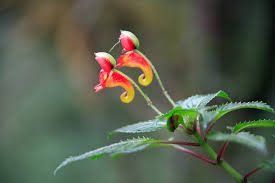
- Impatiens kilimanjari – a bright pink flower only found on Kilimanjaro
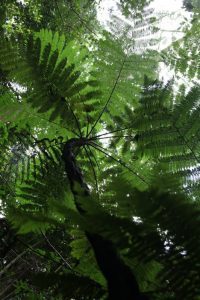
- Giant tree ferns
- Epiphytes hanging from branches
- Black-and-white colobus monkeys
- Blue monkeys
- Bush babies
- Duikers and bushbucks
- Birds like hornbills, turacos, and sunbirds
- Insects, butterflies, and amphibians
3. Moorland Zone (2,800–4,000 m)
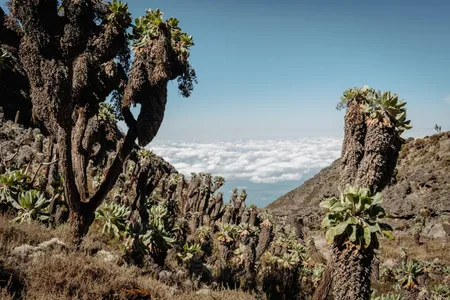
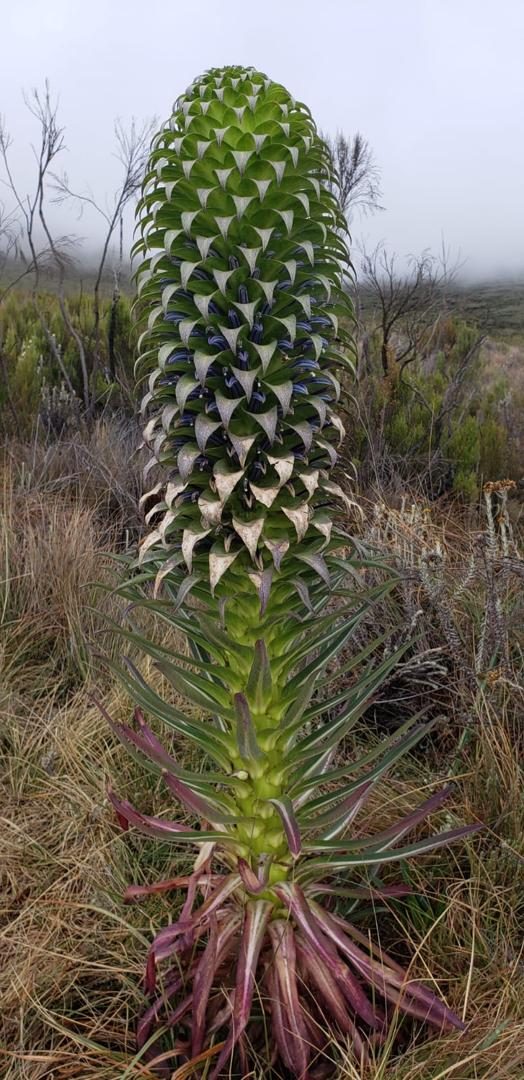
- Giant lobelias (Lobelia deckenii) – tall, waxy plants that survive freezing nights
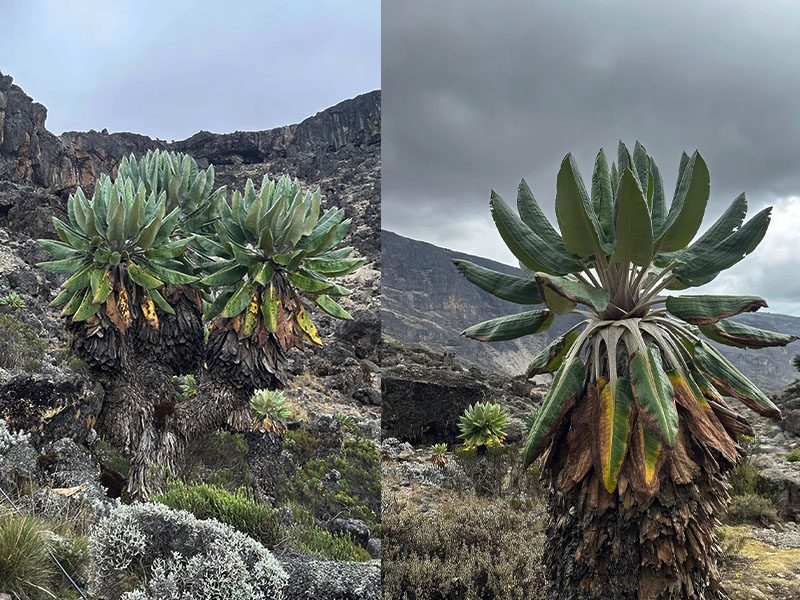
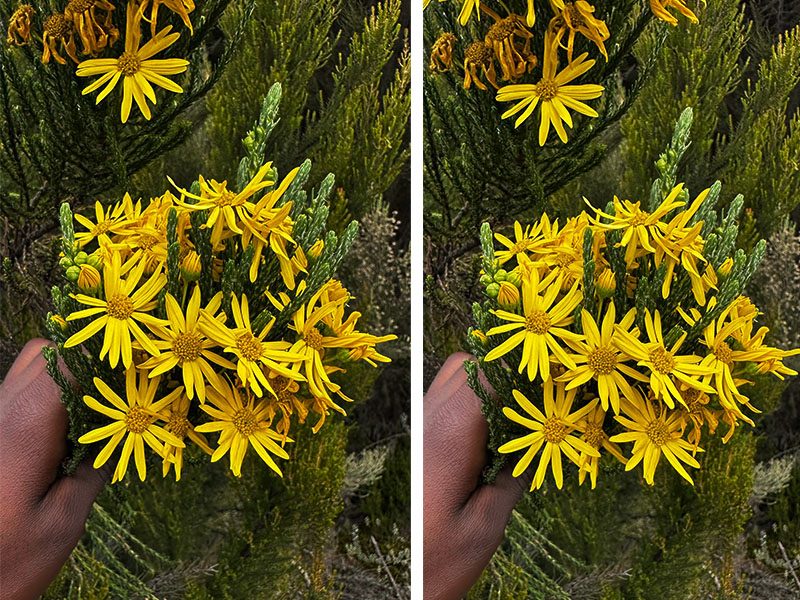
- Giant groundsels (Dendrosenecio kilimanjari) – thick-stalked plants that look like they belong in a sci-fi movie
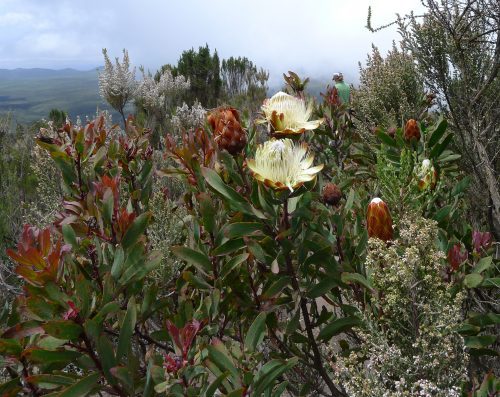
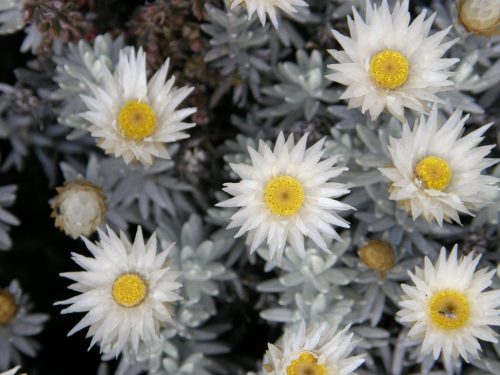
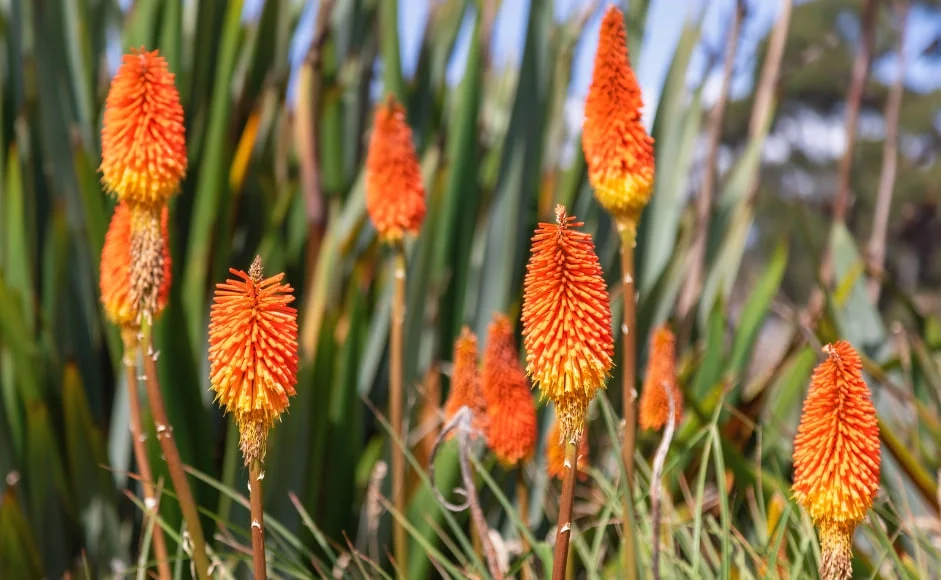
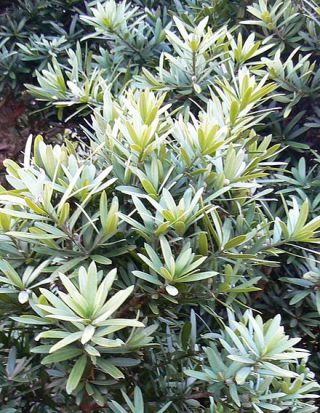
- Heather shrubs, everlasting flowers, and tussock grasses,Protea kilimandscharica
- Malachite sunbirds
- Ravens and raptors
- Shrews and four-striped grass mice
- Rare sightings of servals or jackals
4. Alpine Desert Zone (4,000–5,000 m)
- Sparse grasses
- Lichens and mosses on rocks
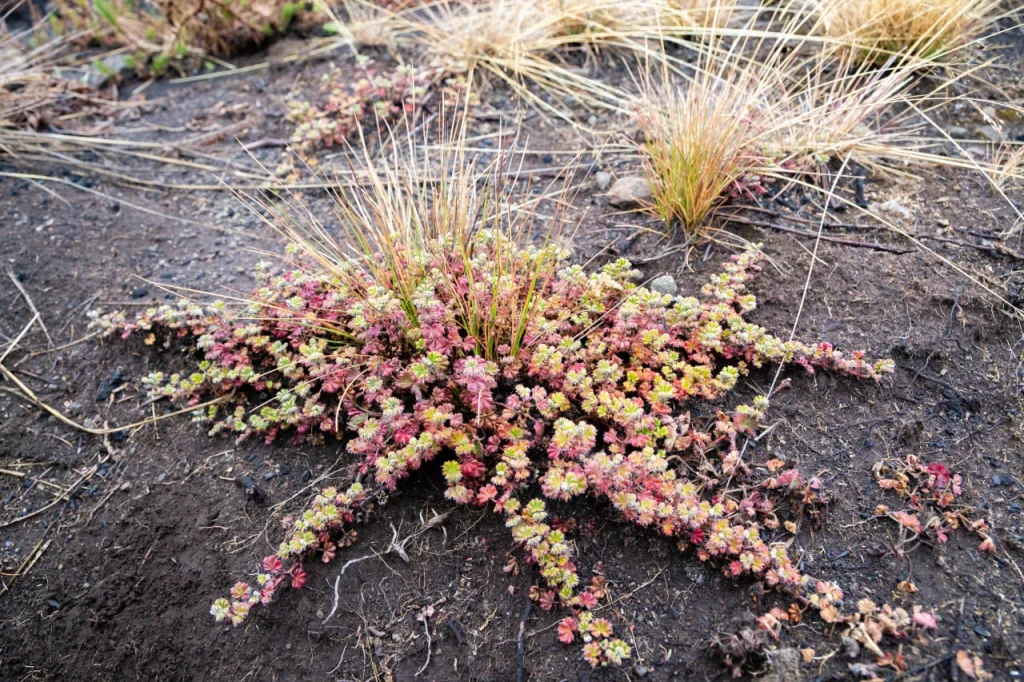
- Tiny, ground-hugging alpine flowers
- Very few species, but you may see spiders or alpine beetles
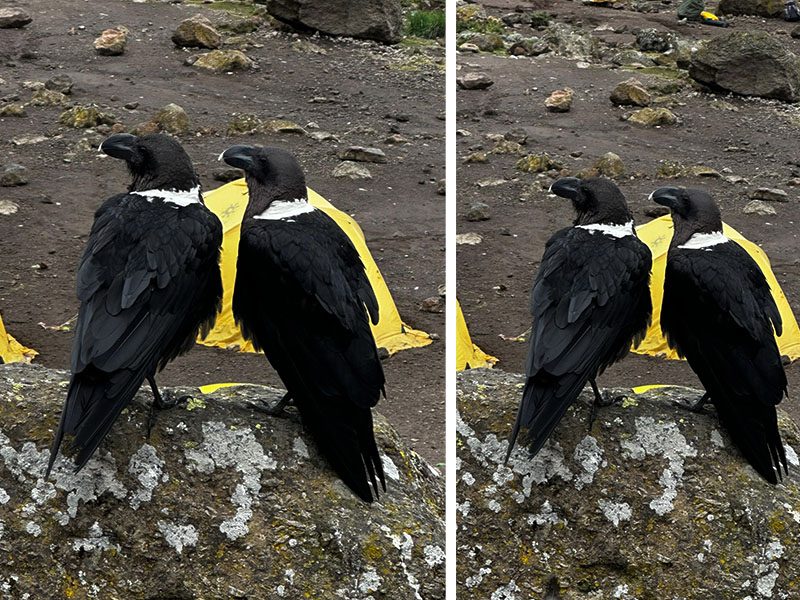
- Birds like white-necked ravens, especially scavenging near camps
5. Arctic Summit Zone (5,000–5,895 m)
- No true plant growth
- Some algae, moss, or bacteria may exist in sheltered cracks
- Occasionally, a bird (like a raven) may be spotted near Uhuru Peak
Rare & Endemic Species of Kilimanjaro
- Impatiens kilimanjari – endemic flowering plant in the rainforest
- Dendrosenecio kilimanjari – giant groundsel adapted to cold alpine zones
- Lobelia deckenii – iconic plant in moorland areas
- Tree hyrax – elusive small mammal with loud nighttime calls
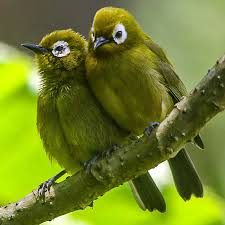
- Kilimanjaro white-eye – a small green bird found in forest and moorland areas
Conservation & Climate Concerns
- Stick to designated trails
- Avoid littering — even biodegradable waste affects soil chemistry
- Support local conservation efforts and eco-conscious companies
- Travel with licensed operators like Kili Quests who follow park regulations
Tips for Wildlife and Plant Spotting
- Be quiet in the rainforest and early morning for best sightings
- Bring binoculars for birdwatching in the moorland
- Ask your guide — Kili Quests guides are trained to identify native species
- Photograph without touching plants or disturbing animals
Frequently Asked Questions About Kilimanjaro’s Flora and Fauna
What animals live on Mount Kilimanjaro?
What plants are unique to Mount Kilimanjaro?
Which zone on Kilimanjaro has the most wildlife?
Are there animals near the summit of Kilimanjaro?
Can climbers see wildlife during a Kilimanjaro trek?
Why are Kilimanjaro’s plants so unusual?
Experience the Mountain’s Living Beauty
Related Articles

Best Time for a Tanzania Safari: When to See the Big Five
Table of Contents Best Time for Safari in Tanzania: Seasons Explained | Kili Quests Tanzania is home to world-renowned safari destinations like the Serengeti,
Marangu Route Kilimanjaro: Hut-Based Trek Guide
Plan Your Marangu Route the Right Way Preparation, acclimatization, and route choice make the difference.Explore these essential guides: Comfortable hut accommodation Experienced local guides Safe
Tanzania Visa: eVisa vs Visa on Arrival (Which Is Better?)
Table of Contents Tanzania Visa: eVisa vs. On-Arrival Guide | Kili Quests Planning a trip to Tanzania? Whether you’re climbing Mount Kilimanjaro, exploring Serengeti