

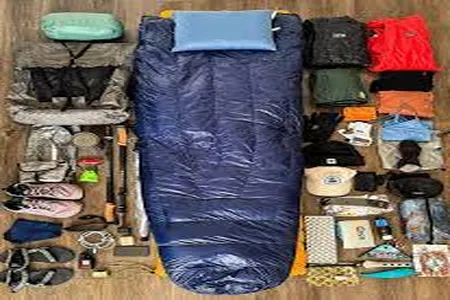
Pack Smart for Kilimanjaro
Packing the wrong gear can make your climb harder than it needs to be especially on summit night.
At Kili Quests, we help you:
- Pack only what you need (no overpacking)
- Bring the right gear for every altitude zone
- Avoid common packing mistakes
Ready for Your Kilimanjaro Climb?
Packing is just one part route, pace, and acclimatization matter too.At Kili Quests, we help you:
OUR CATEGORIES
Kilimanjaro Packing List: Essential Gear for Your Trek | Kili Quests
Why Packing Properly Matters on Kilimanjaro
Packing for Mount Kilimanjaro is not like packing for a normal trip. Over the course of a single climb, you will move through multiple climate zones from humid rainforest at the base to freezing, high-altitude conditions near the summit.
This means your gear must handle:
- Warm daytime temperatures
- Sudden rain in lower zones
- Cold nights at camp
- Extreme wind and freezing temperatures on summit night
Many climbers underestimate how demanding this combination can be. The right equipment doesn’t just improve comfort it directly affects your ability to reach the summit.
At Kili Quests, we’ve guided hundreds of climbers to Uhuru Peak, and one thing is clear: poor packing is one of the most common reasons people struggle on the mountain.Download your packing list here
Before your climb, make sure you also understand the risks of altitude in our Altitude Sickness Guide.
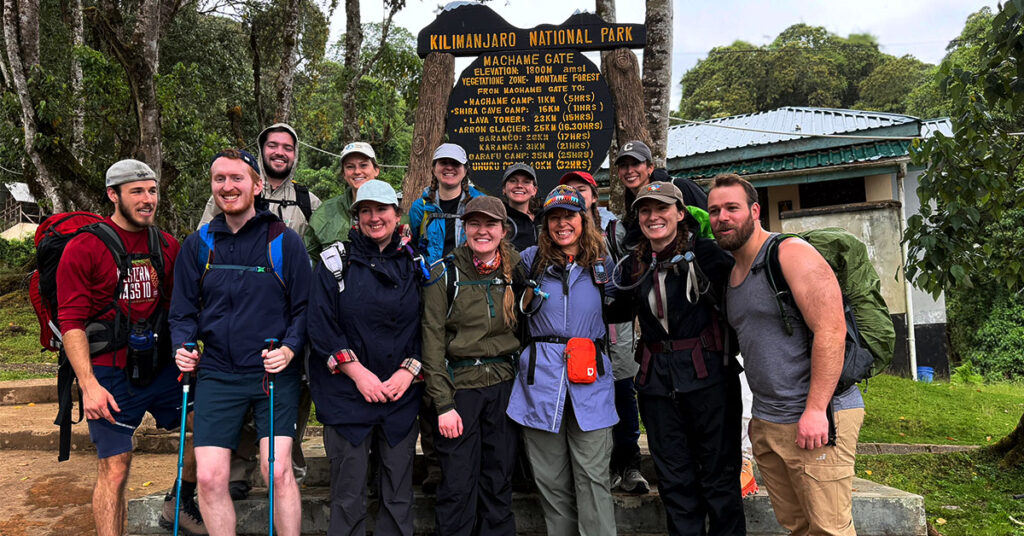
Table of Contents
Kilimanjaro Packing Strategy (Before You Start)
Before diving into the checklist, it’s important to understand how packing works on Kilimanjaro.
You will typically carry:
- A duffel bag (70–90L) carried by porters
- A daypack (30–35L) for your daily essentials
Your duffel should contain most of your clothing and gear, while your daypack should carry:
- Snacks
- Rain gear( other you carried in backpack)
- Warm layers
- Personal items
Not sure how your route affects what you carry? See our Kilimanjaro Routes Comparison Guide.
Planning Your Kilimanjaro Climb?
Packing is only one part of your success. The right route, pace, and preparation matter just as much.
At Kili Quests, we help climbers:
- Choose the right gear
- Avoid common packing mistakes
- Prepare for real mountain conditions
Get your custom Kilimanjaro climb plan
Essential Kilimanjaro Packing List
Clothing (Layering System)
Layering is the foundation of your clothing system on Kilimanjaro.
You will constantly adjust your layers depending on temperature, altitude, and activity level. Instead of one heavy outfit, you’ll wear multiple layers that can be added or removed.
Essential clothing:
- Waterproof insulated jacket – Critical for summit night
- Fleece or down jacket – Provides mid-layer warmth
- Rain jacket and rain pants – Protect against sudden weather changes
- Thermal base layers (top and bottom) – Essential for cold nights
- Convertible hiking pants – Practical for changing conditions
- Long and short-sleeved shirts – Moisture-wicking preferred
- Fleece pants – Comfortable for camp
Avoid cotton , it traps moisture and makes you colder.
Headwear & Gloves
Your head and hands are highly exposed, especially during summit night.
Headwear:
- Sun hat or cap – Protects against strong UV
- Warm hat (fleece or wool) – Essential for cold evenings
- Buff or balaclava – Protects face from wind and cold
Gloves:
- Insulated gloves – For freezing conditions
- Lightweight gloves – For layering and milder weather
Footwear for Kilimanjaro
Footwear is one of the most important decisions you’ll make.Poor footwear leads to blisters, discomfort, and even failed summits.
You’ll need:
- Waterproof hiking boots (well broken-in)
- Camp shoes or sandals
- Gaiters (for mud, snow, and rocks)
- Hiking socks (5 pairs, moisture-wicking)
- Sock liners (to prevent blisters)
Many climbers fail due to foot problems preparation here is critical.
Gear & Equipment
These items support your daily trekking and comfort.
- Daypack (30–35L, waterproof)
- Duffel bag (70–90L, carried by porters)
- Sleeping bag (-10°C to -17°C rating)
- Sleeping bag liner (extra warmth)
- Trekking poles (reduce strain on knees)
Longer routes improve acclimatization — learn more in our Kilimanjaro Duration Guide.
Hydration & Accessories
Staying hydrated at altitude is essential for performance and safety.
- Water bladder (2–3L)
- Water bottle (backup)
- Sunglasses (UV protection)
- Quick-dry towel
Personal Gear & Electronics
- Headlamp (with extra batteries) – Required for summit night
- Power bank – Charging is limited on the mountain
- Camera or smartphone
Toiletries & Hygiene
Maintaining hygiene helps you stay comfortable over multiple days.
- Sunscreen (SPF 30+)
- Lip balm with SPF
- Wet wipes
- Hand sanitizer
- Toilet paper
- Small first aid kit
- Blister treatment kit
Learn What to pack for hygiene and Cleaning tools for your climb trip
Important Documents
Do not overlook this section it’s critical for your trip.
- Passport (valid for at least 6 months)
- Tanzania visa
- Travel and medical insurance
- Any required health documents
Planning your budget? See our Kilimanjaro Cost Guide.
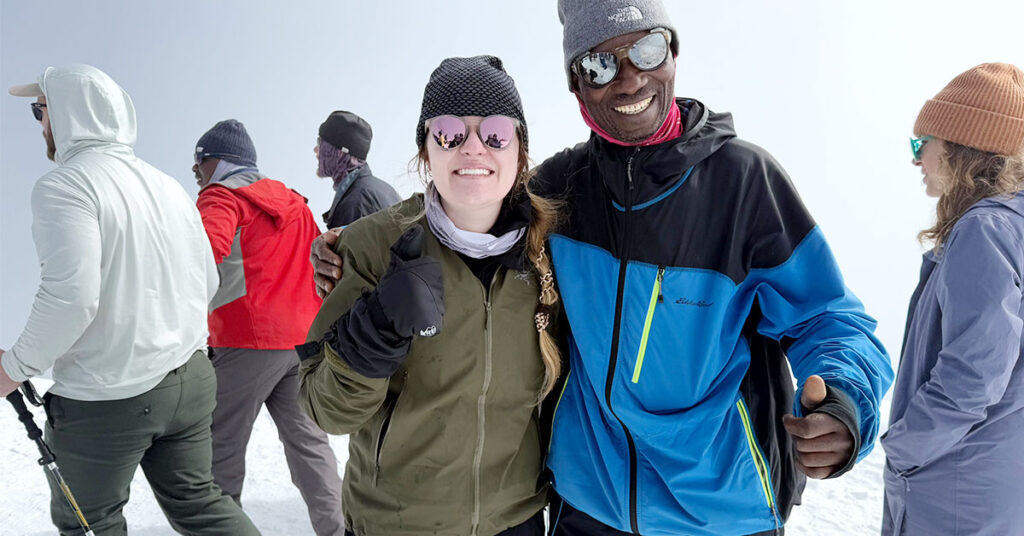
Final Packing Tips from Kilimanjaro Guides
After guiding many climbs, these are the most important lessons:
- Pack light — porter limits apply (15–20kg)
- Use dry bags or zip locks to protect gear
- Break in your boots before your trip
- Test all equipment in advance
If you’re missing gear, you can rent quality equipment in Moshi or Arusha before your climb.
Frequently Asked Questions About Packing for Kilimanjaro
What should you pack for a Mount Kilimanjaro trek?
Packing for Kilimanjaro requires more than just bringing warm clothes. You need a complete system that works across different climate zones. This includes layered clothing, waterproof gear, proper footwear, and essential equipment like a sleeping bag and headlamp.The goal is not just comfort it’s maintaining energy, staying dry, and adapting to changing conditions throughout the trek.
How many bags can you bring on Kilimanjaro?
Most climbers use two main bags: a duffel bag carried by porters and a daypack carried during the hike.Porter weight limits are strictly enforced, so packing efficiently is important. Your daypack should always contain items you may need during the day, such as water, rain gear, and warm layers.
What sleeping bag rating is recommended?
A sleeping bag rated between -10°C and -17°C is recommended for Kilimanjaro.
Even if temperatures feel manageable at lower camps, nights become significantly colder at higher altitude — especially before summit night.
Do you need special hiking boots?
Yes , proper hiking boots are essential.
They should be:
- Waterproof
- Provide ankle support
- Already broken in
New boots can cause blisters quickly, which can seriously affect your ability to continue the trek.
Can you rent gear in Tanzania?
Yes, many climbers rent equipment locally.Items like sleeping bags, jackets, and trekking poles are commonly available in Moshi or Arusha. However, personal items like boots and base layers are best brought from home.
Why is layering important?
Layering allows you to adjust your clothing based on changing conditions.You may start your day in warm sunshine and end it in freezing temperatures. A proper layering system helps regulate body temperature, maintain comfort, and prevent overheating or chilling.
Plan Your Kilimanjaro Trek With Kili Quests
Packing is only one part of preparing for Kilimanjaro the real success comes from combining the right gear with the right strategy.
At Kili Quests, we help you:
- Prepare your full packing system
- Choose the best route and schedule
- Increase your chances of reaching the summit
Start planning your Kilimanjaro climb today
If you’re new to high-altitude trekking, start with our Climbing Kilimanjaro for Beginners Guide to understand what to expect and how to prepare properly.
Related Articles
How to Acclimatize on Mount Kilimanjaro & Avoid Altitude Sickness
April 12, 2025
No Comments
Plan Your Kilimanjaro Climb Safely Altitude is the biggest challenge on Kilimanjaro — the right route and preparation can make the difference between turning back
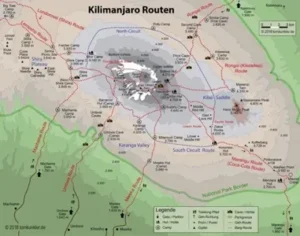
Kilimanjaro Routes Comparison: Which Route Is Best?
April 15, 2025
No Comments
Plan Your Kilimanjaro Climb Climbing Kilimanjaro is a once-in-a-lifetime adventure choosing the right route and preparation makes all the difference. Choose the best route for
Climbing Kilimanjaro for Beginners: First-Time Trek Guide
April 15, 2025
No Comments
Start Your First Kilimanjaro Climb Not sure if you’re ready to climb Kilimanjaro?At Kili Quests, we help first-time trekkers: Choose beginner-friendly routes Prepare step-by-step before