

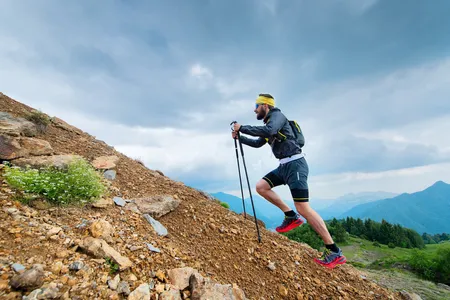
Train Smart for Kilimanjaro
- Build a realistic training plan for your level
- Choose the right route based on your fitness
- Prepare for altitude and summit success
Preparing for Kilimanjaro the Right Way
OUR CATEGORIES
- Climbing
- Tanzania Safari
- About Tanzania
How to Train for Kilimanjaro: Your 6-Week Fitness Plan
Kilimanjaro Is Not Technical — But It Is Demanding
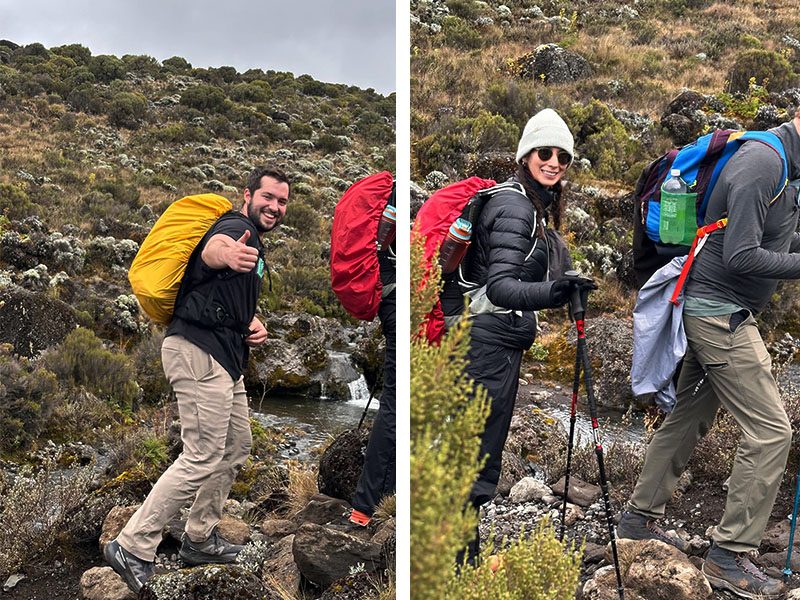
What You’re Really Training For
- Move steadily for long hours
- Recover overnight and repeat the effort
- Stay balanced on uneven terrain
- Keep going when your energy drops
The First Two Weeks: Building a Foundation That Lasts
Weeks Three and Four: When Your Body Starts Adapting
- Start adding hills to your routes.
- Use stairs whenever possible.
Extend the duration of your hikes so your body learns to stay active for longer periods.This is also the phase where strength becomes more important.Not for climbing up but for coming down.
Weeks Five and Six: Training for the Reality of the Mountain
- A long hike on Saturday
- Another long hike on Sunday
Why Backpack Training Makes a Difference
Altitude Will Be the Hardest Part — No Matter Your Fitness
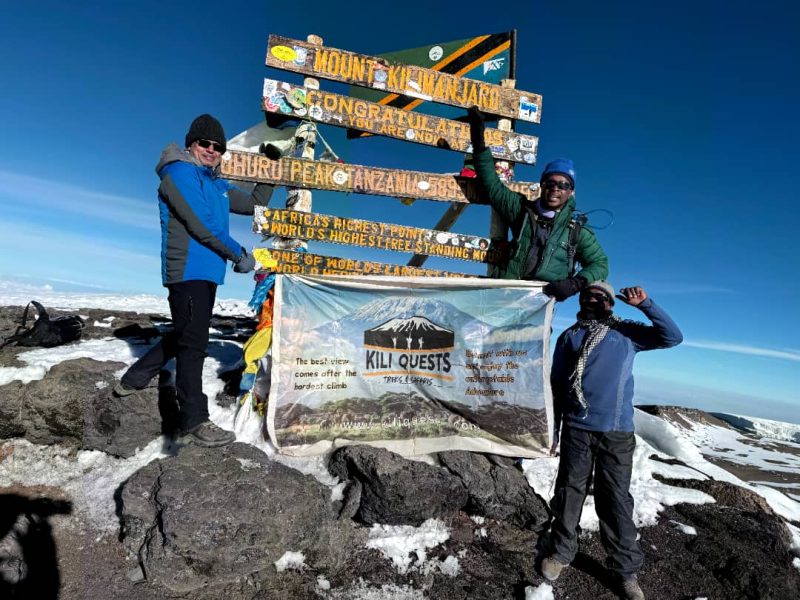
Training With Your Gear Is Part of Preparation
- Wear your actual hiking boots
- Use your backpack
- Practice with trekking poles
- Test your layering system in different conditions
This removes uncertainty and helps you focus on the climb itself.
Recovery Is What Allows You to Improve
- Sleep at least 7–8 hours per night
- Take at least one full rest day each week
- Stretch regularly after workouts
The Real Goal of Training
- Comfortable walking for hours
- Confident in your pace
- Mentally prepared for long days
Frequently Asked Questions About Training for Kilimanjaro
How fit do you need to be to climb Mount Kilimanjaro?
- If you can comfortably complete a 5–6 hour hike and still feel capable the next day, you are on the right track.
How long should you train before climbing Kilimanjaro?
- Time spent on your feet
- Exposure to hills or elevation
- Ability to recover between sessions
If you already have a good fitness base, you may need less time. If you are starting from a low activity level, giving yourself more time will significantly improve your experience on the mountain.The goal is simple: arrive feeling prepared, not rushed.
Can beginners climb Mount Kilimanjaro?
- They follow a structured training plan
- They choose the right route and itinerary
- They take acclimatization seriously
With the right preparation and guidance, first-time trekkers regularly reach Uhuru Peak.
What type of exercise is best for Kilimanjaro training?
- Endurance work (long walks, hikes, or cycling)
- Strength training (especially legs and core)
- Incline training (hills or stairs)
- Time-on-feet training (long-duration movement, not intensity)
The goal is to prepare your body for sustained effort not short bursts of performance.If you train in a way that reflects how you will move on the mountain, your body adapts much more effectively.
Should you train with a backpack before climbing Kilimanjaro?
- Strengthening your shoulders and back
- Improving balance and posture
- Teaching your body how to manage energy under load
Plan Your Kilimanjaro Climb the Right Way
Related Articles
Climbing Kilimanjaro for Beginners: First-Time Trek Guide
Start Your First Kilimanjaro Climb Not sure if you’re ready to climb Kilimanjaro?At Kili Quests, we help first-time trekkers: Choose beginner-friendly routes Prepare step-by-step before
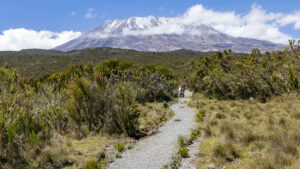
How to Acclimatize on Mount Kilimanjaro & Avoid Altitude Sickness
Plan Your Kilimanjaro Climb Safely Altitude is the biggest challenge on Kilimanjaro — the right route and preparation can make the difference between turning back
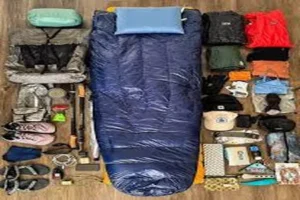
Kilimanjaro Packing List 2026: What to Bring for Your Climb
Pack Smart for Kilimanjaro Packing the wrong gear can make your climb harder than it needs to be especially on summit night.At Kili Quests, we