

Plan a Safe Kilimanjaro Climb
- Expert guides trained in altitude safety
- Emergency support and evacuation planning
- Personalized climb preparation
Prepare for Kilimanjaro the Right Way
OUR CATEGORIES
The Best Medical Insurance for Kilimanjaro Treks: What You Need to Know for Emergencies | Kili Quests
Table of Contents
Why Emergency Evacuation Insurance Is Essential
Altitude Sickness Can Affect Anyone
- Be transported quickly to a lower altitude
- Access proper medical care
- Avoid delays caused by financial or logistical issues
Remote Terrain and Limited Access
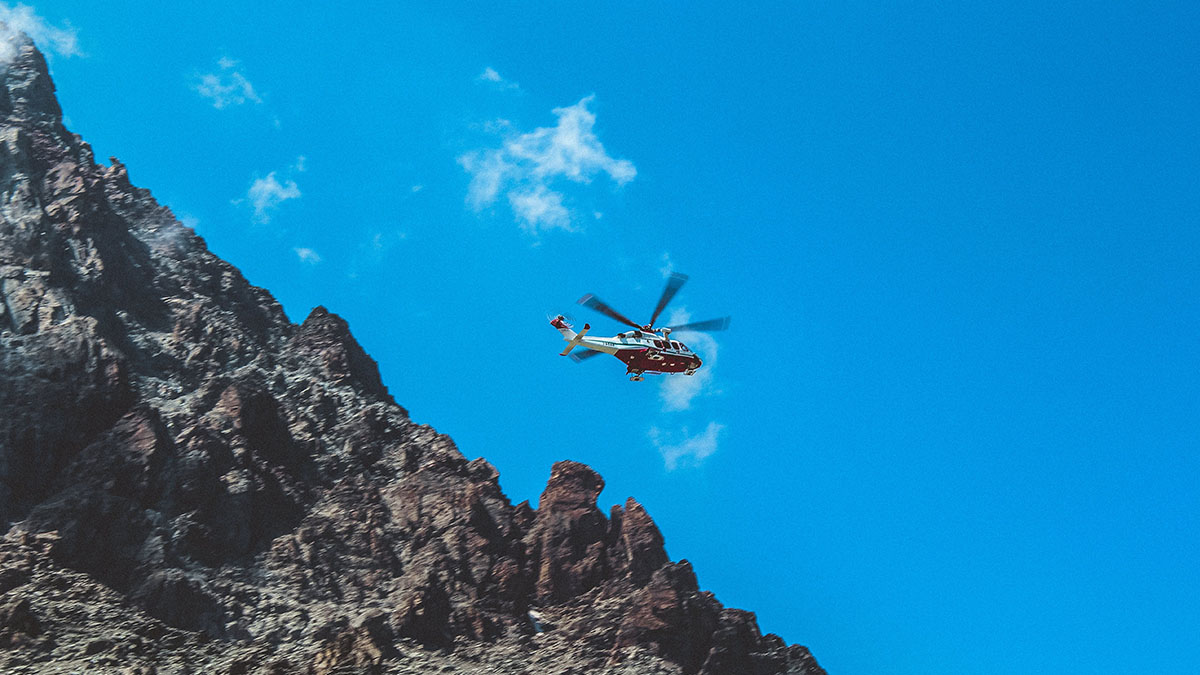
- Helicopter rescue
- Stretcher evacuation
- Ground transfer to a hospital
Peace of Mind During Your Climb
- Emergency help is available
- You are financially protected
- Decisions can be made quickly based on safety , not cost
What to Look for in Kilimanjaro Evacuation Insurance
Must-Have Coverage
- Helicopter evacuation from Kilimanjaro
- Ambulance transport to the nearest hospital
- Emergency descent due to altitude sickness
- Medical treatment coverage
High-Altitude Coverage Clause
Many standard insurance policies only cover activities up to 3,000 meters, which is far below Kilimanjaro’s summit at 5,895 meters. Make sure your policy clearly states coverage for trekking up to at least 6,000 meters.
24/7 Emergency Assistance
- A 24/7 global emergency support line
- Coordination of rescue and treatment
- Experience working with providers in Tanzania
Recommended Kilimanjaro Insurance Providers
| Provider | Country / Region |
|---|---|
| Allianz Travel | International |
| AXA Travel Insurance | International |
| AIG Travel Insurance | International |
| World Nomads | International |
| Global Rescue | USA / International |
| Redpoint Travel Protection | USA |
| On Call International | USA |
| Europ Assistance | Europe / International |
| Passport Card | Israel / International |
| Protrip / Dr. Walter | Germany |
| Magen Search & Rescue / Clal Insurance | Israel |
| Magnus International Search & Rescue | Israel / International |
| Blue Insurance | Ireland |
| Sports Cover Direct | United Kingdom |
| Lloyd’s of London Insurance | United Kingdom |
| LV Insurance | United Kingdom |
| NIB Travel Insurance | Australia / New Zealand |
| ASC360 Insurance | India / International |
| GeoBlue | USA |
| Discovery Insurance | South Africa |
| Gouda Insurance | Denmark / Nordic region |
| Tryg Forsikring | Denmark / Norway |
| Campbell Irvine | United Kingdom |
| Harel Insurance Company | Israel |
| International Medical Group | USA / International |
| SOS International | Nordic region / International |
| AMREF | East Africa |
| Malayan Insurance | Philippines |
| JS Travel Insurance | United Kingdom |
| Faye Travel Insurance | USA |
| Travelex Insurance | USA |
| Fast Cover | Australia |
| Big Cat Insurance | United Kingdom |
| True Traveller | United Kingdom |
| True Cover | United Kingdom |
The most important factor is not the brand , it’s whether your policy includes high-altitude coverage and helicopter evacuation.
How to Choose the Right Insurance Policy
Book Your Insurance Early
Compare Coverage Carefully
- Evacuation limits
- Altitude coverage
- Exclusions
Confirm Key Inclusions
- Helicopter evacuation
- Trekking up to 6,000 meters
- Emergency treatment and transport
Health and Safety Tips for Kilimanjaro Trekkers
Train Before Your Climb
Understand Altitude Symptoms
- Headache
- Nausea
- Dizziness
- Fatigue
Follow Proper Acclimatization
Be Prepared Before You Arrive
Be Prepared with the Right Insurance
Frequently Asked Questions About Kilimanjaro Travel Insurance
Do you need travel insurance to climb Mount Kilimanjaro?
Does Kilimanjaro insurance need to cover high-altitude trekking?
Does travel insurance for Kilimanjaro include helicopter evacuation?
What medical emergencies are most common on Kilimanjaro?
How much does Kilimanjaro evacuation cost without insurance?
When should you buy travel insurance for a Kilimanjaro trek?
Let Us Help You Prepare for a Safe Adventure
- Get help choosing the right policy
- Confirm if your insurance is accepted
- Ask questions about coverage, altitude, or emergencies
Related Articles
Kilimanjaro Climb Cost: Full Price Breakdown | Kili Quests
Plan Your Kilimanjaro Climb Budget Climbing Kilimanjaro is a major investment choosing the right route and support team makes all the difference.At Kili Quests, we
Kilimanjaro Deaths Explained: Statistics, Causes & Real Risk
Plan Your Kilimanjaro Climb Climb with the right preparation, support, and safety strategy. Choose the safest route Prepare for altitude properly Climb with expert local
Kilimanjaro Altitude Sickness: Symptoms & Causes
Climb Kilimanjaro Safely Altitude is the biggest challenge on Kilimanjaro , but with the right preparation and expert guidance, you can reach the summit safely