Climbing Kilimanjaro for Beginners: First-Time Trek Guide

Start Your First Kilimanjaro Climb

Not sure if you’re ready to climb Kilimanjaro?
At Kili Quests, we help first-time trekkers:

Preparing for Your First Kilimanjaro Climb

Beginners can climb Kilimanjaro — route, timing, and acclimatization matter. Explore these guides:

OUR CATEGORIES

Beginner’s Guide to Climbing Kilimanjaro: FAQs for First-Time Trekkers

Climbing Mount Kilimanjaro is a bucket-list adventure  but for many first-time trekkers, it also raises a lot of questions.

How hard is it? Do you need experience? Can beginners really reach the summit?

The good news is that Kilimanjaro is one of the most accessible high-altitude mountains in the world  but success depends on preparation, pacing, and the decisions you make before you even start the climb.
 
If you’re just starting, see our Kilimanjaro training guide to prepare properly.
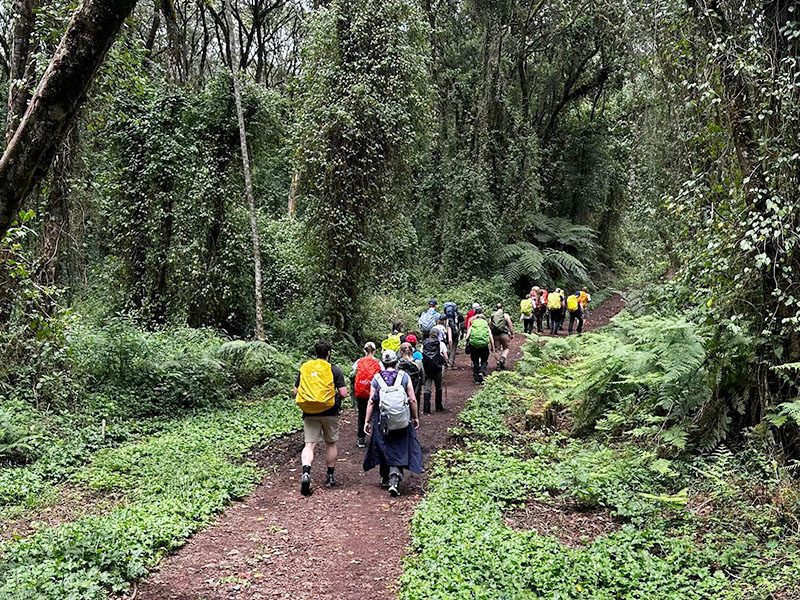
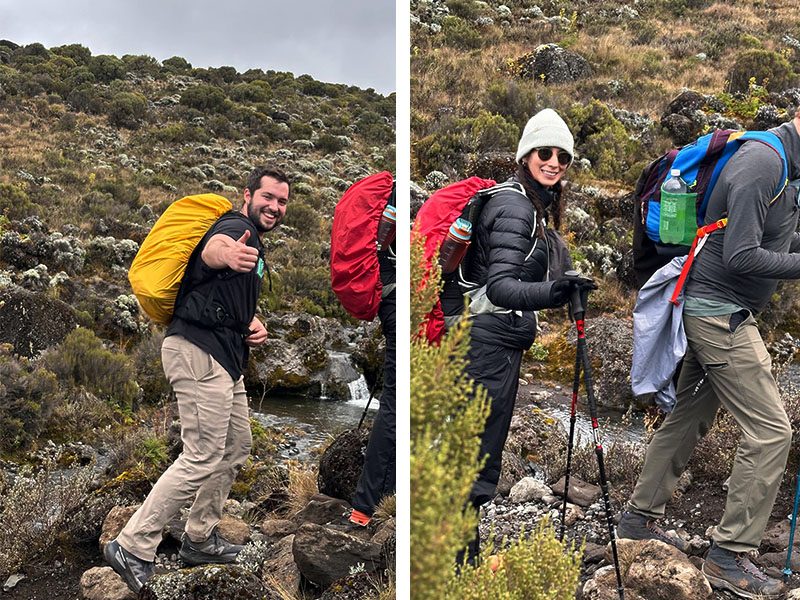
Climbers walking through Kilimanjaro’s rainforest trail with excitement | Kili Quests
Every great journey begins with a single step — Kilimanjaro awaits.

Table of Contents

Is Kilimanjaro Suitable for Beginners?

 Yes! Mount Kilimanjaro is often called a “walkable mountain” because there are no ropes, climbing gear, or technical sections on standard routes. However, it is still a challenging high-altitude trek, so preparation is essential.Many beginners successfully reach the summit every year with proper training, smart pacing, and experienced guides.
 
Confused about how to get a visa for Tanzania? This guide explains the difference between eVisa and visa on arrival — and which option is best for Kilimanjaro trekkers and safari travelers.

How Long Does It Take to Climb Kilimanjaro?

Most routes take 6 to 9 days. The longer the route, the better your chances of acclimatizing well and reaching the top.
Here are average durations:
  • Marangu Route – 5 to 6 days
  • Machame Route – 6 to 7 days
  • Lemosho Route – 7 to 8 days
  • Northern Circuit – 9 days (best acclimatization)
We recommend at least 7 days for better success and safety.The number of days you choose has a direct impact on your success rate. Shorter routes may seem attractive, but they give your body less time to adjust to altitude, which increases the risk of turning back before the summit.This is why most experienced operators recommend longer itineraries, even if they require more time and budget.
 

Which Route Is Best for First-Time Climbers?

The most beginner-friendly routes are:
  • Machame Route (7 days): Great balance of scenery, challenge, and acclimatization.
  • Lemosho Route (7–8 days): Scenic and less crowded with excellent altitude profile.
  • Marangu Route (6 days): The only route with hut accommodation, but lower success rates due to faster ascent.
Choosing the right route is one of the most important decisions you’ll make. It affects not only your experience, but also your chances of reaching the summit.Routes with better acclimatization profiles allow your body to adjust gradually, which significantly improves success rates

Do I Need Any Climbing Experience or Special Gear?

No technical climbing experience is required.
You’ll be walking on mountain trails, often uphill for several hours each day. Trekking poles, good boots, and layered clothing are more important than ropes or crampons.
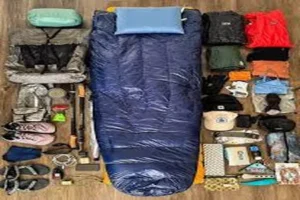
Recommended gear includes:
  • Waterproof hiking boots
  • Thermal layers and rain gear
  • Trekking poles
  • Sleeping bag 
  • Daypack for essentials

How Fit Do I Need to Be?

You don’t need to be an athlete  but you must be able to hike for 5–7 hours per day for several days in a row, often uphill.
We recommend:
  • 6–8 weeks of training (see our Kilimanjaro training guide)
  • Cardio (walking, running, cycling)
  • Strength training (legs, core, back)
  • Practice hikes with a backpack

Many beginners worry about fitness, but the real challenge is not speed or strength it’s consistency.You need to be able to walk for several hours, recover overnight, and repeat the effort day after day. This is why endurance matters more than intensity.

What About Altitude Sickness?

Altitude sickness (AMS) is the #1 reason climbers turn back — not lack of fitness.
Prevent it by:
  • Choosing longer routes with gradual ascent
  • Hiking slowly (“pole pole” in Swahili)
  • Drinking 3–4 liters of water daily
  • Taking optional altitude medication (Diamox)
Even very fit climbers can struggle with altitude, which is why pacing and acclimatization are more important than physical strength.
 
Read our full guide: Altitude Sickness on Kilimanjaro: Symptoms & Prevention
Kilimanjaro guide assisting climber with health check on trail | Kili Quests
You climb with support — our team is with you every step.

What Does a Typical Day on the Mountain Look Like?

Each day follows a similar rhythm:
  • Wake up with tea and breakfast
  • Trek for 4–7 hours (with snack breaks)
  • Arrive at camp in the afternoon
  • Dinner and rest
  • Briefing for the next day

Summit day is longer  up to 12–15 hours round-trip  starting before midnight.While the routine may seem simple, the experience changes each day as you move through different climate zones from rainforest to alpine desert and finally to the arctic summit zone.

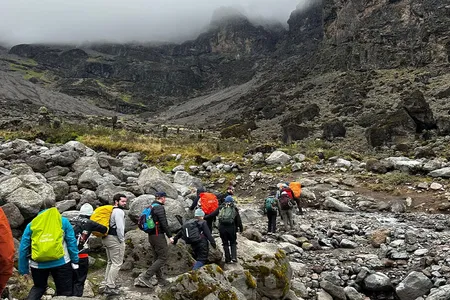
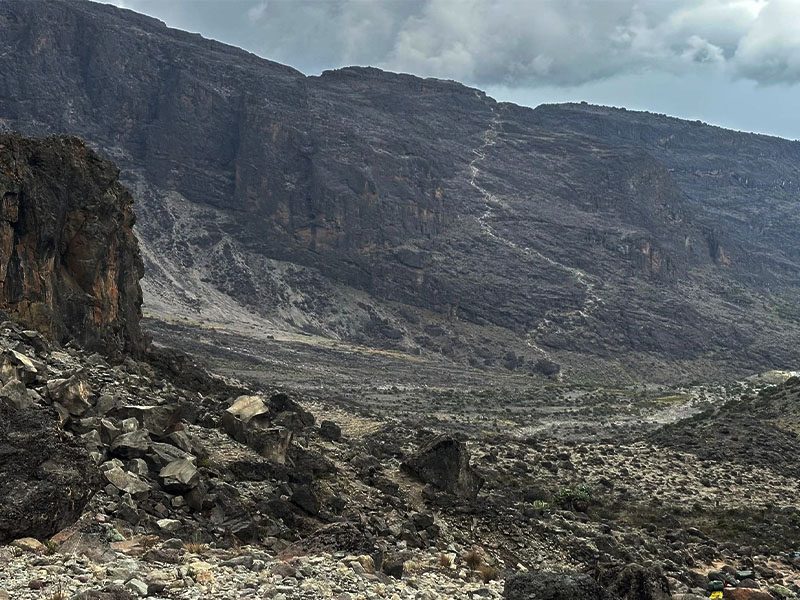
Trekker walking at high altitude toward Kilimanjaro’s summit | Kili Quests
Step by step, you rise — your strength grows with the mountain.

Do I Have to Carry My Own Gear?

 No. Porters carry your main bag (up to 15 kg). You only carry a daypack with:
  • Water
  • Snacks
  • Rain gear
  • Camera and sunscreen
  • Personal items
  • Medication 
Need gear for your Kilimanjaro trek? Our rental guide shows you what equipment is available, how it’s inspected, and how to get properly fitted before the climb

What If I Can’t Make It to the Top?

Your health and safety come first. If you’re unable to continue due to altitude or fatigue:
  • Our guides will assist and arrange a safe descent
  • You can rest at a lower camp or exit route
  • You still get to experience a major part of the trek

Reaching the summit is the goal, but the journey itself is already a major achievement. Many climbers who don’t reach Uhuru Peak still describe the experience as life-changing.

How Do I Book and Prepare?

Choosing the right operator is critical. A good team will not only guide you safely, but also support you physically and mentally throughout the climb.
Start by:
  • Choosing a route and date
  • Booking with a licensed operator like Kili Quests
  • Training and gathering gear
  • Getting a Tanzania visa
  • Booking international flights to Kilimanjaro Airport (JRO)

We help with every step  including gear checks, airport transfers, and pre-trek briefings.

Make sure you understand the official Kilimanjaro trekking rules , from park permits to group size, safety requirements, and porter regulations.
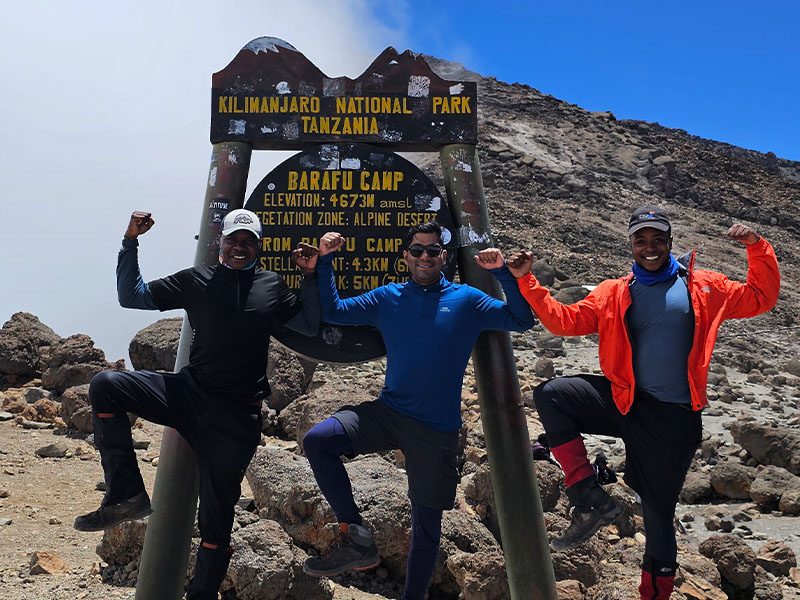
Three happy trekkers posing in front of the Barafu Camp sign on Kilimanjaro’s Northern Circuit Route, flexing muscles before summit day | Kili Quests
A light-hearted moment at Barafu Camp (4,673m) on the Northern Circuit Route — trekkers flex their energy and spirit before the final ascent to Uhuru Peak.

Frequently Asked Questions About Climbing Mount Kilimanjaro for Beginners

Can beginners really climb Mount Kilimanjaro?

Yes — and many do every year.
Kilimanjaro is considered a trekking peak, meaning it does not require technical climbing skills such as ropes or mountaineering experience. However, this does not mean it is easy.Beginners who succeed usually prepare properly by training in advance, choosing a longer route, and following a slow, steady pace on the mountain.With the right preparation and a good support team, first-time climbers can successfully reach Uhuru Peak.

What is the success rate for beginner climbers on Mount Kilimanjaro?

Success rates vary depending on the route and the number of days spent on the mountain.Shorter routes have lower success rates because they do not allow enough time for acclimatization. Longer routes such as Lemosho or the Northern Circuit can have success rates of up to 90% or more.The most important factor is not experience  it is how well your body adapts to altitude.

What is the hardest part of climbing Mount Kilimanjaro?

For most climbers, the hardest part is altitude.As you climb higher, oxygen levels decrease, which can lead to fatigue, headaches, and shortness of breath. This becomes most noticeable during summit night, when you are hiking in cold, dark conditions after several days on the mountain.The challenge is not technical difficulty, but maintaining energy and focus in a low-oxygen environment.

How much does it cost to climb Mount Kilimanjaro?

The cost of climbing Kilimanjaro depends on the route, duration, and level of service provided by the operator.Most guided climbs range between $2,000 and $5,000+ per person. This typically includes park fees, guides, porters, meals, camping equipment, and safety support.Cheaper options do exist, but they may compromise safety, staff conditions, or overall experience  so choosing a reputable operator is important.

What month is best for beginners to climb Mount Kilimanjaro?

The best months for beginners are during the dry seasons, when weather conditions are more stable.January to early March offers warmer temperatures and fewer crowds, while June to October provides clear skies and excellent visibility.These periods make the climb more comfortable and reduce weather-related challenges, especially for first-time trekkers.

Your First Kilimanjaro Climb Starts Here

Thousands of first-time climbers reach Uhuru Peak every year not because it’s easy, but because they prepare the right way.With the right plan, pacing, and support, Kilimanjaro is absolutely achievable  even if this is your first high-altitude trek.
 

Related Articles