
Start Your First Kilimanjaro Climb
- Choose beginner-friendly routes
- Prepare step-by-step before the climb
- Stay safe and confident on the mountain
Preparing for Your First Kilimanjaro Climb
OUR CATEGORIES
- Tanzania Safari
- Climbing
- About Tanzania
Beginner’s Guide to Climbing Kilimanjaro: FAQs for First-Time Trekkers
Table of Contents
Is Kilimanjaro Suitable for Beginners?
How Long Does It Take to Climb Kilimanjaro?
- Marangu Route – 5 to 6 days
- Machame Route – 6 to 7 days
- Lemosho Route – 7 to 8 days
- Northern Circuit – 9 days (best acclimatization)
Which Route Is Best for First-Time Climbers?
- Machame Route (7 days): Great balance of scenery, challenge, and acclimatization.
- Lemosho Route (7–8 days): Scenic and less crowded with excellent altitude profile.
- Marangu Route (6 days): The only route with hut accommodation, but lower success rates due to faster ascent.
Do I Need Any Climbing Experience or Special Gear?
- Waterproof hiking boots
- Thermal layers and rain gear
- Trekking poles
- Sleeping bag
- Daypack for essentials
How Fit Do I Need to Be?
- 6–8 weeks of training (see our Kilimanjaro training guide)
- Cardio (walking, running, cycling)
- Strength training (legs, core, back)
- Practice hikes with a backpack
Many beginners worry about fitness, but the real challenge is not speed or strength it’s consistency.You need to be able to walk for several hours, recover overnight, and repeat the effort day after day. This is why endurance matters more than intensity.
What About Altitude Sickness?
- Choosing longer routes with gradual ascent
- Hiking slowly (“pole pole” in Swahili)
- Drinking 3–4 liters of water daily
- Taking optional altitude medication (Diamox)
What Does a Typical Day on the Mountain Look Like?
- Wake up with tea and breakfast
- Trek for 4–7 hours (with snack breaks)
- Arrive at camp in the afternoon
- Dinner and rest
- Briefing for the next day
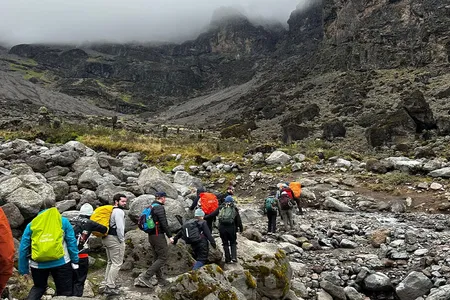
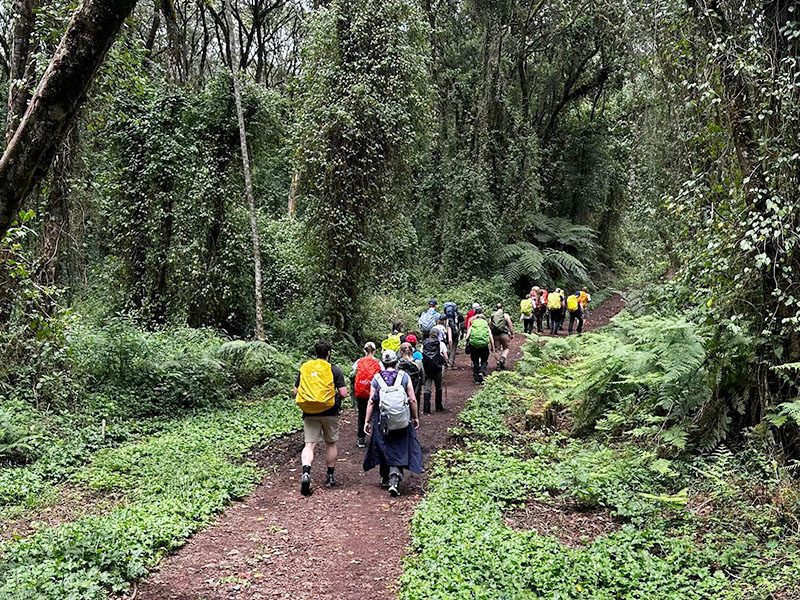
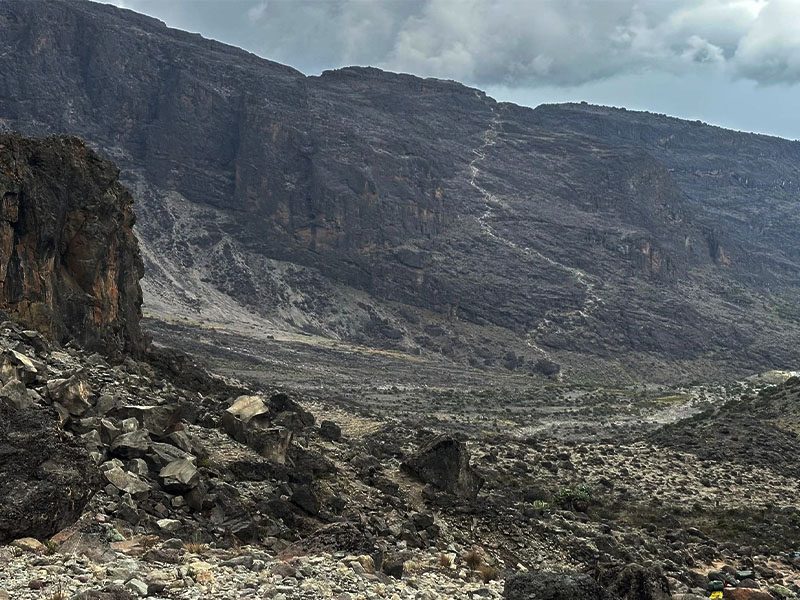
Summit day is longer up to 12–15 hours round-trip starting before midnight.While the routine may seem simple, the experience changes each day as you move through different climate zones from rainforest to alpine desert and finally to the arctic summit zone.
Do I Have to Carry My Own Gear?
- Water
- Snacks
- Rain gear
- Camera and sunscreen
- Personal items
- Medication
What If I Can’t Make It to the Top?
- Our guides will assist and arrange a safe descent
- You can rest at a lower camp or exit route
- You still get to experience a major part of the trek
Reaching the summit is the goal, but the journey itself is already a major achievement. Many climbers who don’t reach Uhuru Peak still describe the experience as life-changing.
How Do I Book and Prepare?
- Choosing a route and date
- Booking with a licensed operator like Kili Quests
- Training and gathering gear
- Getting a Tanzania visa
- Booking international flights to Kilimanjaro Airport (JRO)
We help with every step including gear checks, airport transfers, and pre-trek briefings.
Frequently Asked Questions About Climbing Mount Kilimanjaro for Beginners
Can beginners really climb Mount Kilimanjaro?
What is the success rate for beginner climbers on Mount Kilimanjaro?
What is the hardest part of climbing Mount Kilimanjaro?
How much does it cost to climb Mount Kilimanjaro?
What month is best for beginners to climb Mount Kilimanjaro?
Your First Kilimanjaro Climb Starts Here
Related Articles
Kilimanjaro Routes Comparison: Which Route Is Best?
Plan Your Kilimanjaro Climb Climbing Kilimanjaro is a once-in-a-lifetime adventure choosing the right route and preparation makes all the difference. Choose the best route for
Kilimanjaro Packing List 2026: What to Bring for Your Climb
Pack Smart for Kilimanjaro Packing the wrong gear can make your climb harder than it needs to be especially on summit night.At Kili Quests, we
How to Train for Kilimanjaro: 6-Week Fitness Plan
Train Smart for Kilimanjaro Not sure if your fitness level is enough for the climb?At Kili Quests, we help you: Build a realistic training plan