

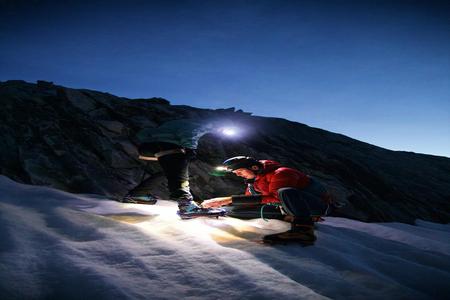
Prepare for Summit Day the Right Way
The right gear and preparation can make the difference between reaching the summit and turning back.At Kili Quests, we help you plan your climb with:
- The best route for success
- Proper acclimatization
- Complete gear preparation
Plan Your Kilimanjaro Climb
Preparation goes beyond gear , understand the full climb:
OUR CATEGORIES
Kilimanjaro Summit Day Gear Guide: What to Pack for the Final Push
Summit day on Mount Kilimanjaro is the toughest and most unforgettable part of your trek. You’ll start in the middle of the night, climb through freezing temperatures, and push toward Uhuru Peak as the sun rises over Africa.The difference between success and turning back often comes down to one thing: proper preparation.
In this guide, you’ll learn exactly what gear you need for summit night, how to stay warm, and how to manage the physical and mental challenge of reaching the top.
Before packing, make sure you have the full checklist: Kilimanjaro Packing List: What to Bring
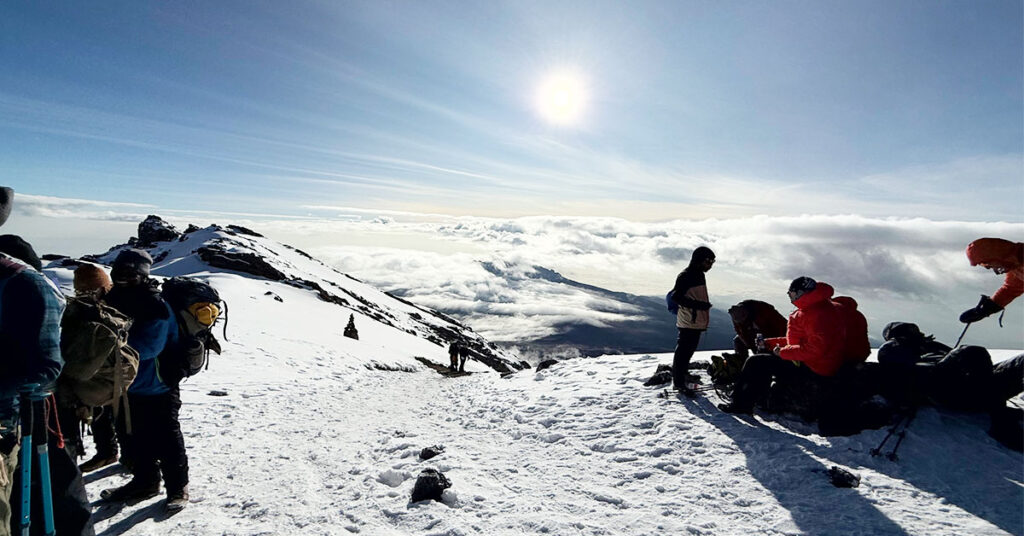
Table of Contents
What Makes Summit Day So Challenging?
Summit day is not just another hiking day it’s the most demanding part of the climb.
- You’ll start around midnight
- Temperatures can drop well below freezing
- Oxygen levels are significantly lower
- The terrain becomes steep, slow, and exhausting
This combination of cold, altitude, and fatigue is what makes summit day the hardest part of Kilimanjaro.Want to understand the difficulty in detail?How Hard is Kilimanjaro?
Summit Day Essentials: What to Pack
You’ll need gear that keeps you warm, visible, hydrated, and energized for 6–10 hours of climbing in extreme conditions.They are especially helpful during the descent on loose scree.
Layered Clothing System
A proper layering system is critical for staying warm without overheating.
- Base Layer: Moisture-wicking top and bottom (synthetic or merino wool)
- Mid Layer: Fleece or insulated jacket
- Outer Shell: Waterproof and windproof jacket and pants
Accessories:
- Insulated gloves
- Warm hat or beanie
- Neck gaiter or buff
Temperatures drop significantly during summit night. How Cold Are Nights on Kilimanjaro?
Proper Footwear
You’ll be trekking over loose rock, scree, and sometimes snow.
- Waterproof hiking boots (well broken-in)
- Warm socks (merino wool recommended)
- Optional gaiters
Uncomfortable or wet feet can end your summit attempt early.
Headlamp + Extra Batteries
You’ll be climbing in complete darkness for several hours.
- High-quality headlamp
- Spare batteries (cold drains power faster)
A reliable headlamp is non-negotiable for summit day.
Water & Hydration System
Even in freezing temperatures, hydration is critical for performance and safety.
- Water bottles or insulated hydration system
- Electrolyte tablets
Pro tip: Keep bottles upside down or inside your jacket to prevent freezing.
Proper hydration also reduces the risk of altitude sickness. Altitude Sickness on Kilimanjaro Guide
Sun Protection
As soon as the sun rises, UV exposure becomes intense at high altitude.
- Sunscreen
- UV-protection sunglasses
Snow and altitude can amplify sunlight, increasing the risk of sunburn.
Snacks & Energy
Your body burns a significant amount of energy during summit day.
- Energy bars
- Chocolate
- Trail mix
- Energy gels
Choose foods that are easy to eat even when you’re tired or wearing gloves.
Trekking Poles
Trekking poles are highly recommended for both ascent and descent.
- Improve balance
- Reduce strain on knees
- Help maintain a steady rhythm
They are especially helpful during the descent on loose scree.
Summit Day Tips for Success
Pace Yourself
Summit day is not about speed it’s about consistency. The altitude and terrain will naturally slow you down, so trying to go too fast can quickly drain your energy. Focus on taking small, steady steps and maintaining a rhythm that you can sustain for several hours. Most successful climbers follow a slow pace known as “pole pole” (slowly, slowly).
Pace Yourself
Reaching the summit is as much a mental challenge as it is physical. The darkness, cold, and fatigue can make the climb feel overwhelming. Instead of thinking about the entire distance, break the climb into smaller goals such as reaching Stella Point or the next rest stop. This approach keeps you motivated and focused.
Listen to Your Body
At high altitude, your body gives important warning signs. Symptoms like headache, dizziness, nausea, or unusual fatigue can indicate altitude sickness. Never ignore these signs. Communicate openly with your guide they are trained to monitor your condition and make the right decisions for your safety.
If you want to understand altitude risks in detail:Altitude Sickness on Kilimanjaro Guide
Manage Your Layers
Temperature changes throughout the night and early morning can be extreme. While climbing, your body generates heat, but during rest stops, you can cool down quickly. Adjust your layers frequently to avoid sweating, as moisture can make you dangerously cold later in the climb.
Fuel and Hydrate Regularly
Even if you don’t feel hungry, your body needs energy to keep moving at altitude. Eat small snacks regularly and drink water consistently throughout the climb. Dehydration and low energy are common reasons climbers struggle during summit day.
Focus on the Descent Too
Reaching the summit is only halfway — the descent is physically demanding and often overlooked. Loose scree and fatigue increase the risk of slipping or injury. Use trekking poles, stay focused, and conserve some energy for the way down.
Your route and acclimatization strategy also affect summit success: Kilimanjaro Routes Guide
Keep Your Devices Powered
Cold temperatures drain batteries quickly.
- Bring a power bank
- Keep electronics warm inside your jacket
Read our article about: Charging Devices on Kilimanjaro
Quick Summit Day Checklist
Before you leave camp, make sure you have:
- Headlamp + spare batteries
- Warm layered clothing
- Gloves, hat, and neck protection
- Water + electrolytes
- Snacks
- Sunglasses
This quick check can prevent small mistakes that could affect your summit attempt.
Frequently Asked Questions About Kilimanjaro Summit Day Gear
What should I wear on Kilimanjaro summit day?
On summit night of Mount Kilimanjaro you should wear a layered clothing system to handle freezing temperatures and strong winds. This usually includes a moisture-wicking base layer, an insulating mid-layer such as fleece or down, and a waterproof outer shell. Accessories like insulated gloves, a warm hat, and a neck gaiter are also essential.
How cold does it get on Kilimanjaro summit night?
Temperatures near the summit can drop to –10°C to –15°C (14°F to 5°F) or even colder with wind chill. Climbers heading toward Uhuru Peak often start around midnight, so proper insulation and windproof gear are critical for staying warm.
Do I need a headlamp for the Kilimanjaro summit climb?
Yes. Summit attempts begin in total darkness, usually around midnight. A reliable headlamp with spare batteries is essential for safely navigating rocky trails and scree slopes on the way to points like Stella Point.
What food should you bring for Kilimanjaro summit day?
High-energy, easy-to-eat snacks are best. Many climbers carry items like chocolate, energy bars, trail mix, or energy gels to stay fueled during the long ascent to Uhuru Peak.
Why are trekking poles important on Kilimanjaro summit day?
Trekking poles improve balance and reduce pressure on the knees, especially on steep volcanic scree near the summit. They are particularly helpful during both the climb and descent from the crater rim of Mount Kilimanjaro.
How much water should you drink on Kilimanjaro summit day?
Trekkers should aim to drink 3–4 liters of water per day, including summit day. Even in freezing temperatures, staying hydrated helps your body cope with altitude and maintain energy during the climb.
Ready for the Top?
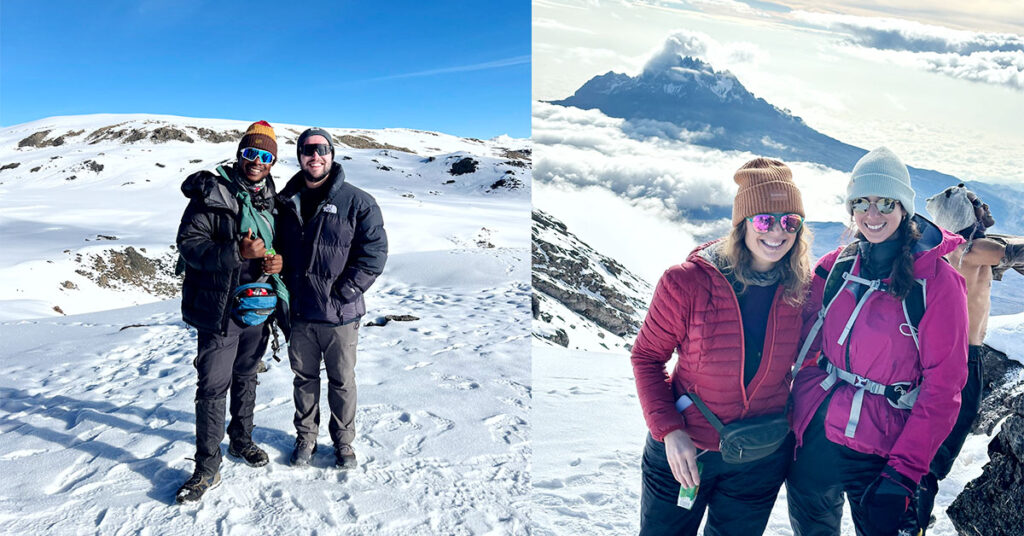
Summit day is the ultimate moment of your Kilimanjaro trek. With the right gear and mindset, you’ll be prepared to face the cold, the altitude, and the challenge and stand proudly on Africa’s highest point.At Kili Quests, we help you gear up, pace smart, and summit strong.
Contact us to plan your trek and get expert advice from our team
Related Articles
How Cold Are Nights on Mount Kilimanjaro? Temperature Guide
April 13, 2025
No Comments
Prepare for Kilimanjaro’s Night Temperatures We help you plan your climb with: The best route for success Proper acclimatization Complete gear preparation Get Your Custom
Kilimanjaro Packing List 2026: What to Bring for Your Climb
April 12, 2025
No Comments
Pack Smart for Kilimanjaro Packing the wrong gear can make your climb harder than it needs to be especially on summit night.At Kili Quests, we
Kilimanjaro Climb Cost: Full Price Breakdown
March 19, 2026
1 Comment
Plan Your Kilimanjaro Climb Budget Climbing Kilimanjaro is a major investment choosing the right route and support team makes all the difference.At Kili Quests, we