Plan Your Kilimanjaro Climb

Climb safely with the right preparation and expert support.

Climb Kilimanjaro the Safe Way

The right preparation and support make all the difference.

OUR CATEGORIES

Is Climbing Mount Kilimanjaro Dangerous?

For many people planning to climb Mount Kilimanjaro, the excitement is quickly followed by a serious question:“Is this dangerous?”.It’s a fair concern.
 
Kilimanjaro stands at 5,895 meters , high enough to affect your body in ways most people have never experienced. You’re walking for days, sleeping at altitude, and pushing yourself toward the highest point in Africa.
But here’s the reality:
 
Kilimanjaro is not a dangerous mountain in the traditional sense , but it is a serious one.There are no technical climbs, no ropes, no vertical rock faces. Yet every year, some climbers struggle , not because of the terrain, but because of how their bodies react to altitude and fatigue.Understanding the real risks , and how to manage them , is what turns Kilimanjaro from something intimidating into something achievable.
 
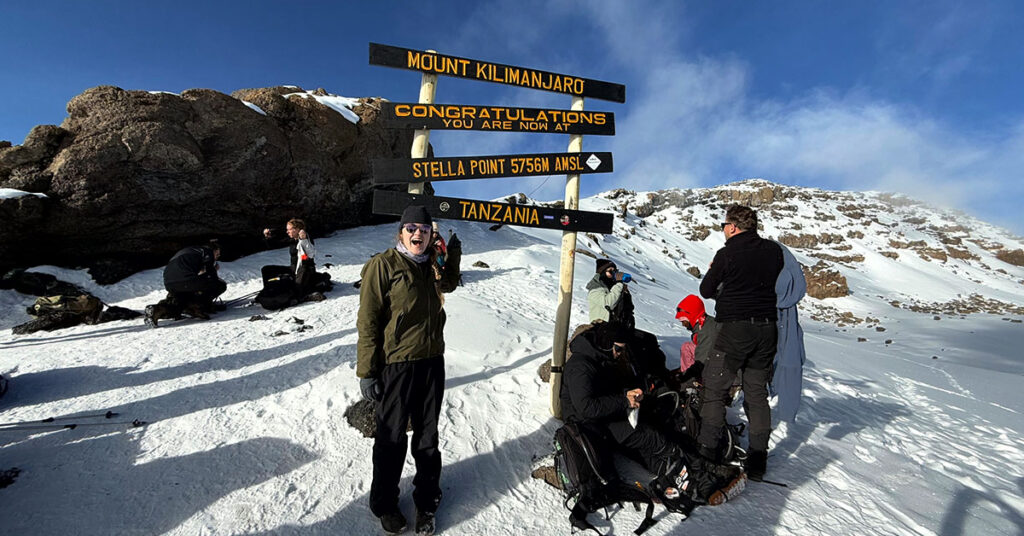
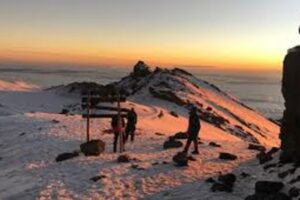
Trekkers and porters standing together at Stella Point sign on Mount Kilimanjaro

Table of Contents

How Dangerous Is Kilimanjaro Compared to Other Mountains?

Compared to technical mountains like Everest or Mont Blanc, Kilimanjaro is significantly safer.
Why?
  • It is a non-technical climb (you walk, not climb)
  • Routes are well established and monitored
  • Climbs are guided and regulated
  • Emergency evacuation systems are available
However, Kilimanjaro is still a high-altitude expedition, not a simple hike.The danger does not come from falling , it comes from how your body responds to altitude.

The Biggest Risk: Altitude Sickness

If there is one thing that makes Kilimanjaro dangerous, it is altitude.

What Happens at High Altitude As you climb higher

As you climb higher:
  • Oxygen levels decrease
  • Your body receives less oxygen per breath
  • Basic activities require more effort
Your body needs time to adjust , this process is called acclimatization.

Common Symptoms of Altitude Sickness

Most climbers experience mild symptoms such as:
  • Headaches
  • Nausea
  • Dizziness
  • Loss of appetite
  • Fatigue
These are normal , but they should not be ignored.

When Altitude Becomes Dangerous

In more serious cases, altitude sickness can develop into severe conditions.
This is why:
  • Guides monitor your condition daily
  • Climbers are advised to go slowly
  • Immediate descent is required if symptoms worsen

The key rule on Kilimanjaro is simple: “climb high, sleep low, and go pole pole.”

Other Risks on Kilimanjaro

Altitude is the main challenge, but it’s not the only one.

Extreme Temperature Changes

Kilimanjaro passes through multiple climate zones.
You can experience:
  • Hot, humid rainforest conditions
  • Cold winds in alpine zones
  • Freezing temperatures near the summit
Without proper gear, this can become dangerous.
 

Physical Exhaustion

Climbing Kilimanjaro means:
  • Walking for 6–9 days
  • Hiking several hours daily
  • Managing fatigue at altitude

Exhaustion reduces your ability to recover and increases risk.

Dehydration

At altitude, your body loses fluids faster, but many climbers don’t feel thirsty.
Dehydration can:

Poor Decision-Making

Fatigue and altitude can affect judgment.This is why experienced guides are essential — they make decisions based on your condition, not your emotions.

Why Most Climbers Stay Safe on Kilimanjaro

Despite these risks, the majority of climbers complete Kilimanjaro safely.This is not luck — it’s because of structure and support.
 

Professional Guide Teams

Guides are trained to:
  • Detect early signs of altitude sickness
  • Monitor oxygen levels
  • Make safety decisions
They are your most important safety factor.
 
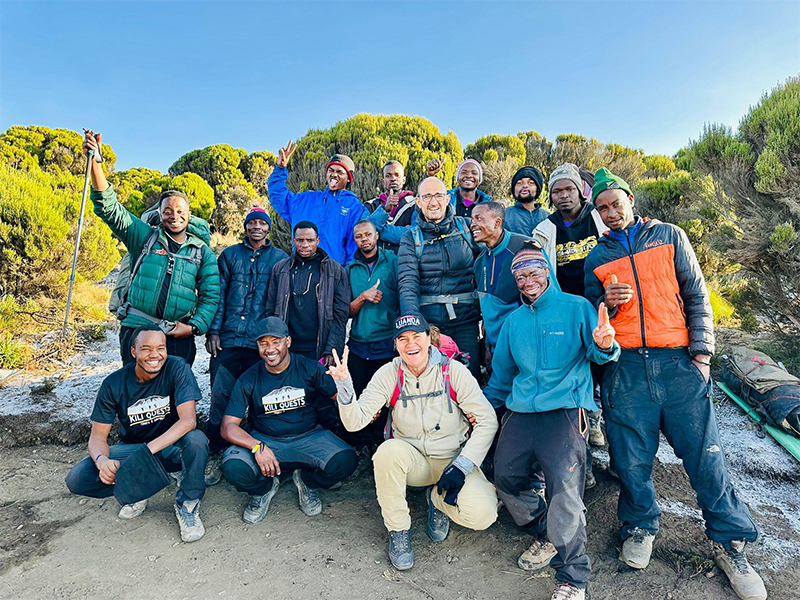
Kilimanjaro trekkers and porters smiling together at the end of a successful hike
Experienced guides monitor climbers daily and ensure safety throughout the Kilimanjaro trek.

Structured Itineraries

Routes are designed to allow:
  • Gradual ascent
  • Proper acclimatization
  • Rest and recovery

Emergency Systems

If necessary:
  • Climbers descend immediately
  • Rescue services are available
  • Evacuation procedures are in place

How to Minimize Risk on Kilimanjaro

Climbing Kilimanjaro safely depends largely on your approach.

Choose the Right Route

Longer routes like Lemosho or Northern Circuit:
  • Allow better acclimatization
  • Increase success rate
  • Reduce risk

Choosing the right route is key , compare all Kilimanjaro routes to find the best fit for your goals.

Go Slowly (Pole Pole)

The most important rule on Kilimanjaro:Slow is safe. Fast is risky.

Stay Hydrated and Eat Well

Even if you don’t feel like it, your body needs:
  • Water
  • Calories
  • Energy

Listen to Your Guide

Ignoring advice is one of the biggest mistakes climbers make.

Prepare Before the Climb

Basic fitness and preparation improve:
  • Endurance
  • Recovery
  • Overall experience

Who Is Most at Risk?

Certain behaviors increase risk significantly:
  • Rushing the climb
  • Choosing short routes
  • Ignoring symptoms
  • Poor preparation
Important:
Even very fit people are at risk if they underestimate altitude.
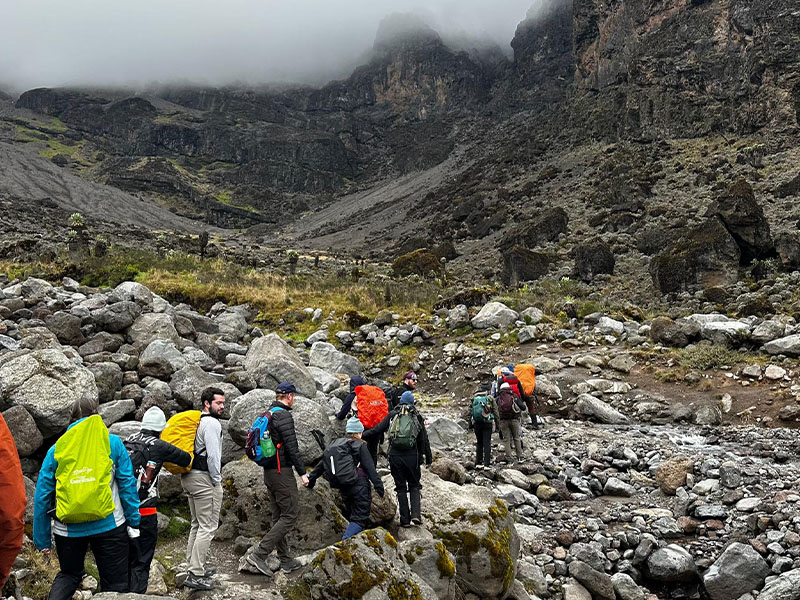
Tourists trekking on Mount Kilimanjaro at high altitude with guides | Kili Quests
Step by step — staying hydrated, steady, and supported helps you adapt as altitude increases.

Is Kilimanjaro Safe for Beginners?

Yes , Kilimanjaro is one of the most beginner-friendly high mountains in the world.
You don’t need:
  • Technical skills
  • Mountaineering experience
But you do need:
  • Preparation
  • Patience
  • Proper support
Most successful climbers are first-timers.

Common Questions About Kilimanjaro Safety

How many people die on Kilimanjaro each year?

Deaths on Kilimanjaro are rare compared to the number of climbers each year. Most cases are related to altitude sickness or pre-existing medical conditions. With proper acclimatization and guidance, the risk is very low.

Can altitude sickness be completely avoided?

No, altitude sickness cannot be fully avoided, but it can be managed. Climbing slowly, staying hydrated, and choosing longer routes significantly reduce the risk.

Is Kilimanjaro safe for people with no hiking experience?

Yes, but preparation is important. Beginners can climb Kilimanjaro successfully if they train, choose the right route, and follow their guide’s instructions.

What is the safest route on Kilimanjaro?

Longer routes such as Lemosho and Northern Circuit are considered the safest because they allow better acclimatization and reduce the risk of altitude sickness.

Do I need insurance for Kilimanjaro?

Yes, travel insurance that covers high-altitude trekking and emergency evacuation is strongly recommended for safety.

Climb Kilimanjaro Safely with Kili Quests

Climbing Kilimanjaro safely is not about luck — it’s about choosing the right team.At Kili Quests, we focus on:
  • Experienced professional guides
  • Daily health monitoring
  • Safe pacing and acclimatization
  • High summit success rates

If you’re planning to climb Kilimanjaro, do it with a team that puts safety first.

Related Articles