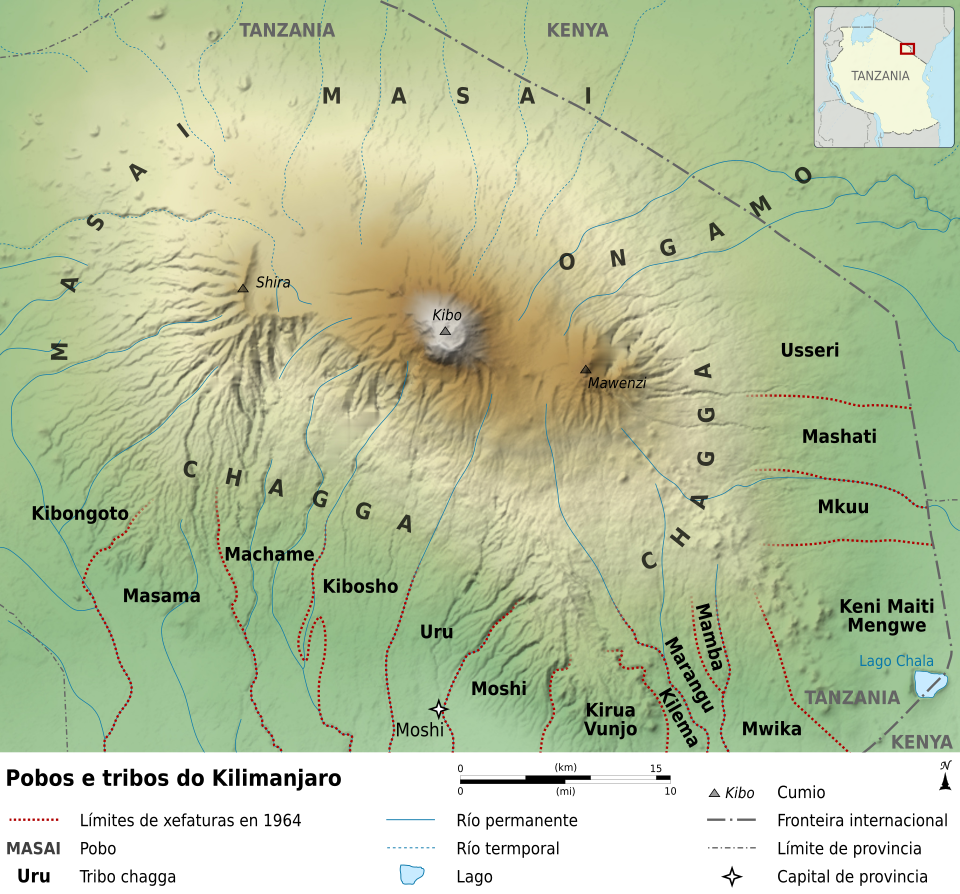
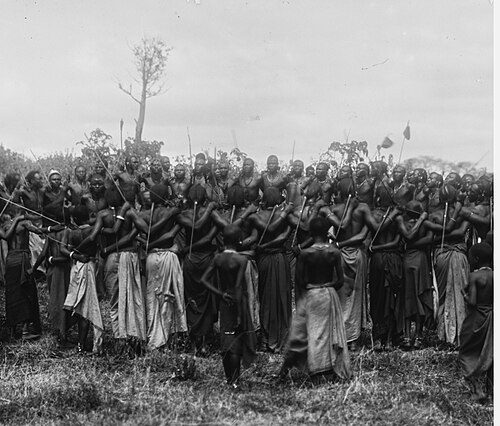
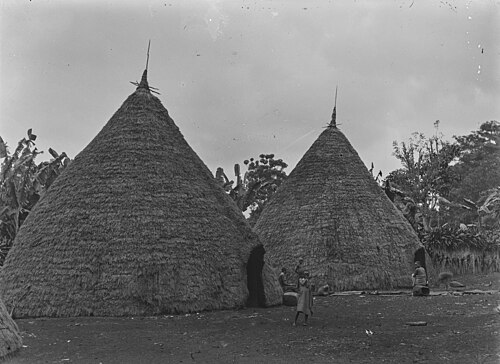
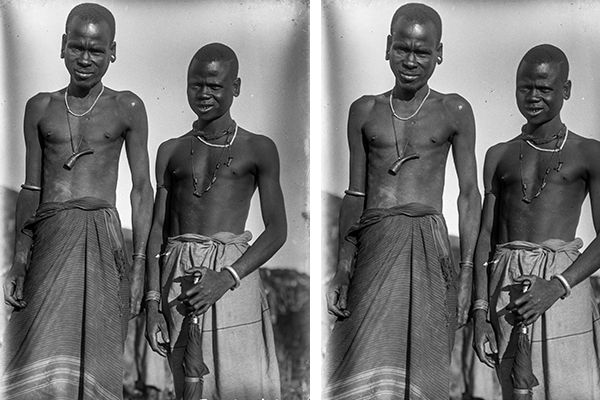
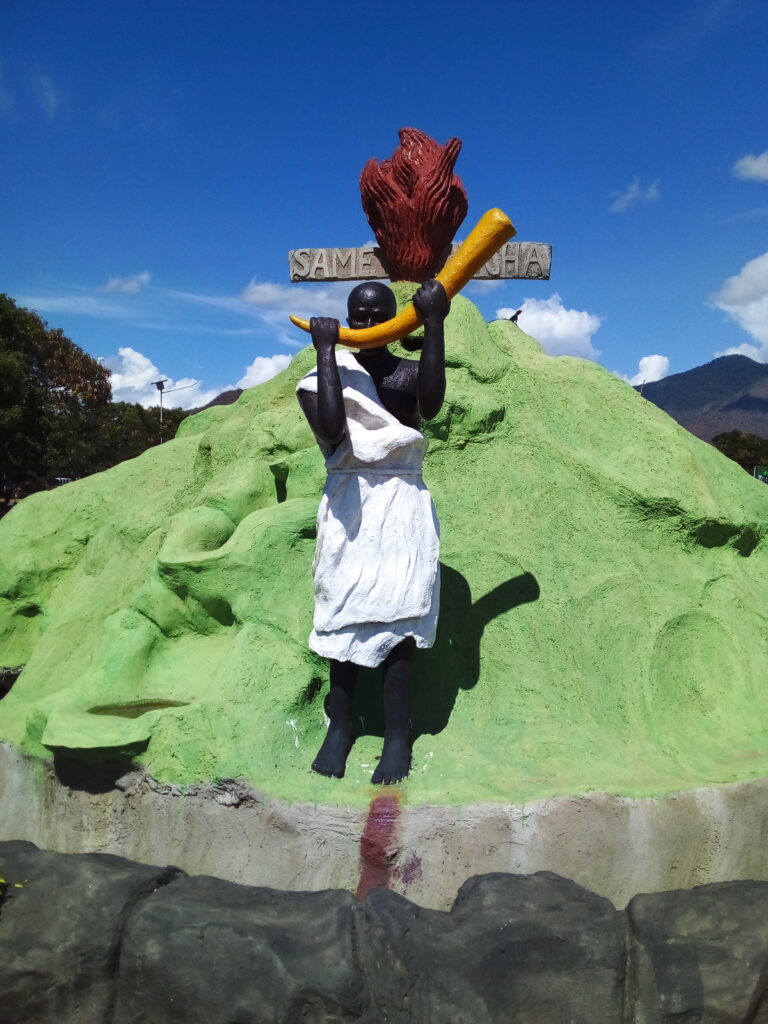
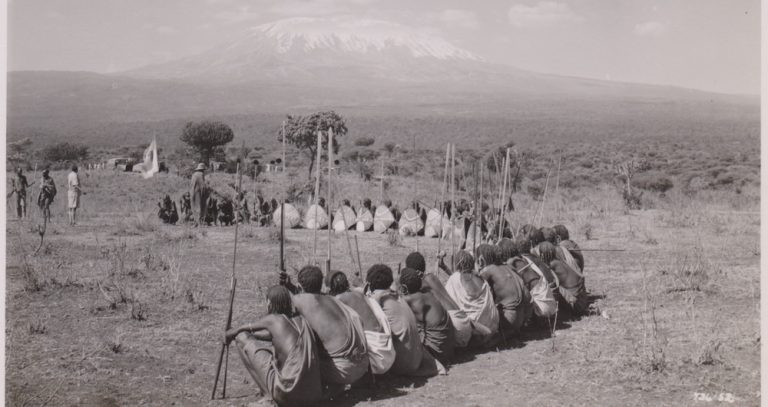
The Chagga people, who live on the southern and eastern slopes of Mount Kilimanjaro, have long believed the mountain is more than just a towering volcano — it is a spiritual force, filled with meaning, warnings, and ancestral energy. Traditionally, they believed that powerful spirits inhabit the higher regions of the mountain, and anyone who disrespects the mountain may face supernatural consequences. Illness, lightning strikes, or getting mysteriously lost in the forest were often seen as signs of spiritual punishment.
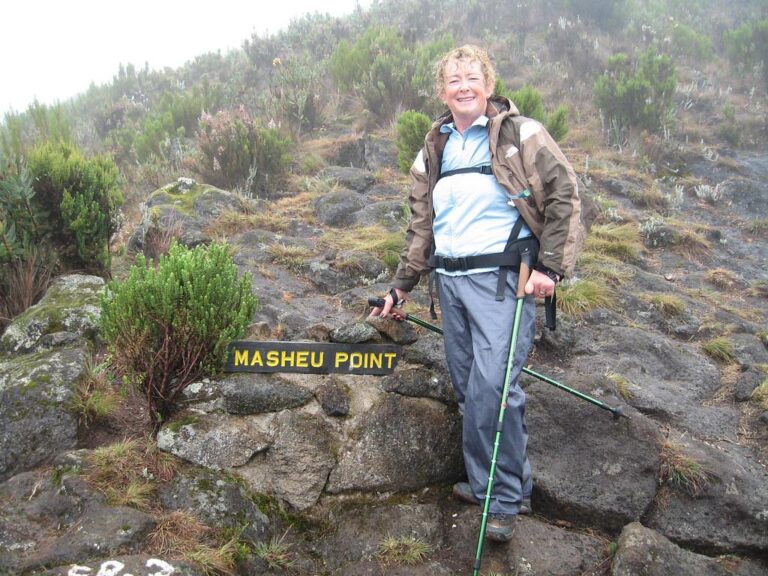
One of the most sacred ritual sites in Chagga culture is a place called Masheu Point, located in Marangu route, within the moorland zone of Kilimanjaro. Although it’s not on the glacier, it holds deep spiritual meaning. From the Whona Picnic Site — where tourists rest on the way to Horombo Hut — you can see this distinct hill in the distance. This is where Chagga ancestors would go during times of drought. Carrying animals, they would perform sacrificial rituals, offering blood and meat to their gods. Remarkably, it is said that rain would begin falling before the elders even returned home — a sign their prayers had been accepted.
The Chagga also warn of serious consequences when rituals are ignored. There are stories of people — even locals born and raised on the mountain — becoming lost in familiar forests while collecting firewood or animal feed. Some are found after 3–5 days in a dazed state; others are never found at all, presumed dead. Such disappearances are seen as spiritual alerts — signs that the balance between humans and ancestors has been broken.
Rituals are also necessary after acts of violence or rage. If someone in a moment of anger breaks a household object or cuts a banana plant or tree with a machete, it is believed that the intention behind the act was spiritually dangerous — even if it wasn’t directed at another person. In such cases, elders must be called, and rituals performed to cleanse the energy and prevent misfortune. If left unresolved, misfortunes such as trees falling unexpectedly, lightning strikes, or personal accidents may follow.
One particularly serious omen is when the banana flower falls off prematurely, before the fruit has formed. This rare occurrence is taken as a sign of spiritual imbalance or incoming danger, and it prompts immediate consultation with elders or ritual practitioners who can interpret the message and perform the necessary rites.
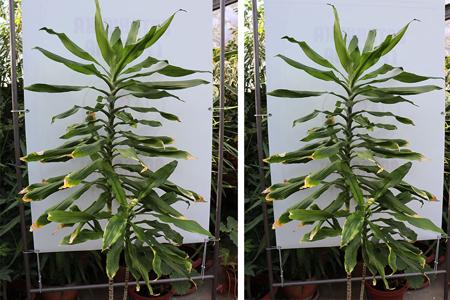
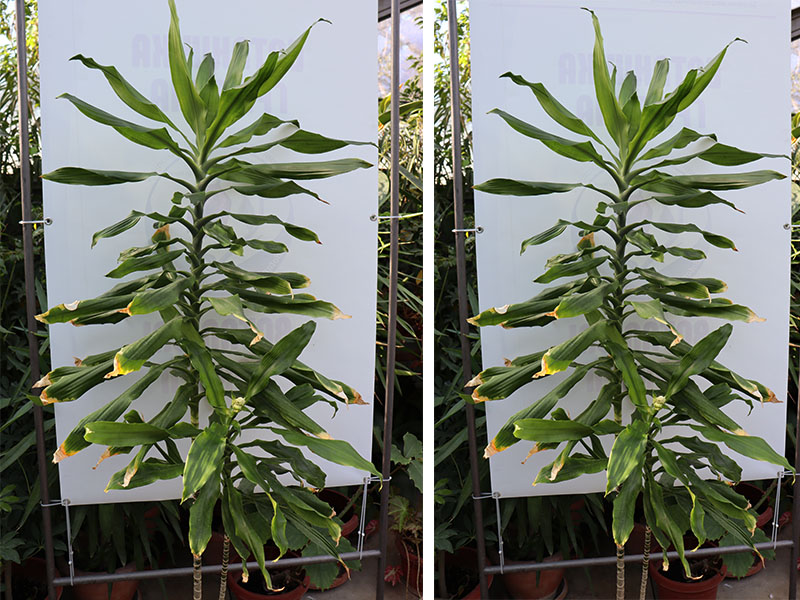
Among all the sacred plants, Masale (Dracaena fragrans) is especially symbolic. Its leaves are folded during ritual offerings, and it is often planted as a land boundary or used to request forgiveness — either directly or through a respected elder. Rituals may include offerings of milk, banana beer (mbege), or animal blood — all central to connecting with the spirit world and seeking guidance or protection.
Today, while many Chagga people follow Christianity or modern lifestyles, these beliefs and practices are still respected — especially by elders and traditionalists. The spiritual layer of Kilimanjaro is deeply rooted in ancestral knowledge, and it continues to shape how the mountain is viewed by the people who have lived on its slopes for generations.