Table of Contents

The Best Medical Insurance for Kilimanjaro Treks: What You Need to Know for Emergencies | Kili Quests

Climbing Mount Kilimanjaro is a thrilling adventure, but it also comes with real risks — especially at high altitudes where medical help is limited.
 
That’s why emergency evacuation insurance is one of the most important things to arrange before your climb. At Kili Quests, we help trekkers prepare for every scenario, including worst-case situations.
 
In this guide, we’ll walk you through:
  • Why evacuation insurance matters
  • What to look for in a policy
  • Recommended providers
  • And key health tips for safe trekking
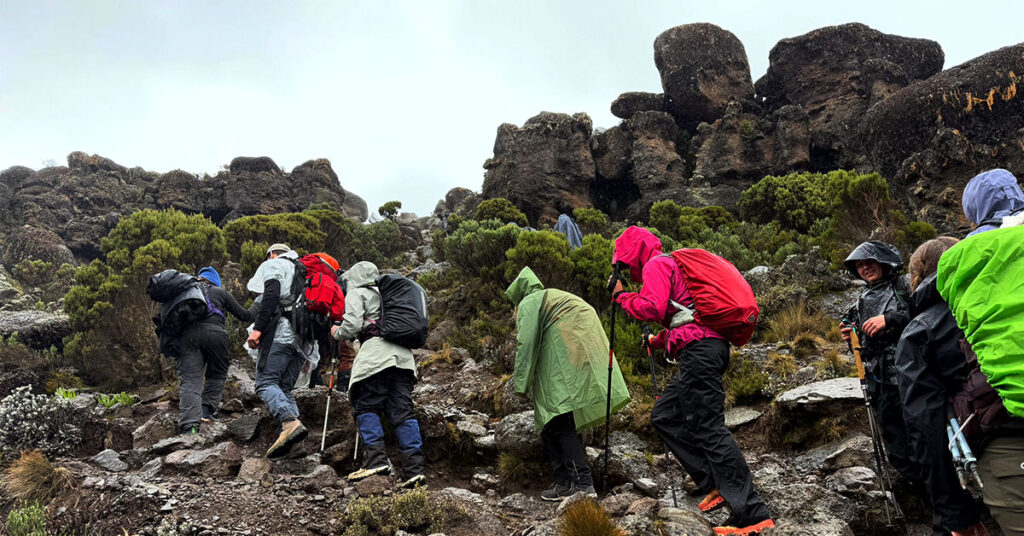
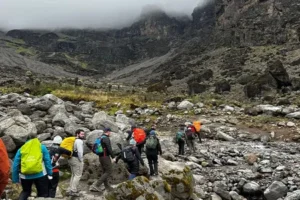
Rocky trails, steady pace — our client pushes upward on Kilimanjaro’s challenging slopes.

Why Emergency Evacuation Insurance Is Essential

1. Altitude Sickness Can Strike Anyone
Symptoms often begin above 3,000 meters, and in serious cases, immediate descent is critical. Evacuation insurance ensures you can:
  • Be transported quickly to lower elevation
  • Access proper medical care
  • Avoid delays due to cost or logistics
2. Difficult Terrain = Limited Access
Mount Kilimanjaro’s trails are rugged and remote. If a serious issue occurs, you might need:
  • Helicopter evacuation
  • Ambulance services
  • Ground transfer to hospital
  • These services can cost thousands of dollars without coverage.
3. Peace of Mind During the Trek
With proper insurance, you can focus on enjoying your climb knowing:
  • Help is available if needed
  • You’re financially protected
  • Your safety is prioritized, not delayed
Altitude is the biggest risk — make sure your insurance covers quick and reliable evacuation.

 What to Look for in Kilimanjaro Evacuation Insurance

 Must-Have Coverage:
Helicopter evacuation from Kilimanjaro
  • Ambulance transport to the nearest hospital
  • Emergency descent due to altitude sickness
  • Treatment coverage at clinics or hospitals

High-Altitude Trekking Clause

Not all travel insurance policies include:
  • Coverage above 3,000 meters
  • High-altitude trekking without technical climbing

Tip: Look for policies that cover activities up to 6,000 meters — Kilimanjaro’s summit is 5,895m.

4.24/7 Global Emergency Support
Your provider should offer:
  • A 24/7 emergency line (international)
  • Support to coordinate rescue and care
  • Pre-approved providers in Tanzania

  Recommended Kilimanjaro Insurance Providers

We’ve received these trusted names directly from Tanzania’s helicopter evacuation company. If your insurance isn’t listed, share it with us and we’ll confirm if it’s accepted.
 Reliable Providers Include:
  • Europ Assistance (France)
  • Passport Card (Israel)
  • Protrip (Dr. Walter) (Germany)
  • Allianz Travel (UK)
  • AIG Travel Insurance (USA)
  • Redpoint Travel Protection (USA)
  • Magen Search & Rescue / Clal (Israel)
  • Magnus International Rescue (Israel)
  • Blue Insurance (Ireland)
  • AXA Travel Insurance
  • Sports Cover Direct (UK)
  • Lloyd’s of London
  • LV Insurance (UK)
  • NIB Travel Insurance (Australia)
  • ASC360 Insurance
  • On Call International (USA)
  • SOS international
  •  Global rescue
  •  World nomad
  •  AMREF
  •  Matuede insurance (France/Ireland)
  •  EUROP ASSISTANCE (France)
  •  Sports cover direct
  •  Malayan insurance
  •  AIG TRAVEL INSURANCE (USA)
  •  JS travel insurance
  •  LV insurance
  •  Allianz travel
  •  REDPOINT TRAVEL PROTECTION (USA)
  •  MAGEN SEARCH&RESCUE/ CLAL INSURANCE (ISRAEL)
  •  Faye travel insurance
  •  Travellex
  •  ON CALL INTERNATIONAL (USA)
  •  HAREL INSURANCE COMPANY (ISRAEL)
  •  INTERNATIONAL MEDICAL GROUP (GLOBAL RESPONSE)
  •  GOUDA (Denmark)
  •  DISCOVERY (South Africa)
  •  Redpoint travel protection
  •  MAGNUS INTERNATIONAL SEARCH AND RESCUE (ISRAEL)
  •  Tryg forsikring
  •  BLUE INSURANCE (IRELAND)
  •  Fast cover
  •  AXA TRAVEL INSURANCE
  •  PASSPORT CARD (Israel)
  •  Campbell irvine
  •  Geo blue
  •  Discovery
  •  PROTRIP (DR. WALTER) (Germany)
  •  Big cat
  •  ALLIANZ TRAVEL (UK)
  •  SPORTS COVER DIRECT (UK)
  •  LLOYD’S OF LONDON INSURANCE (UK)
  •  LV INSURANCE (UK)
  •  NIB TRAVEL (AUSTRALIA)
  •  True cover
  •  True travellor
  •  ASC360 INSURANC

If unsure, send us your policy — we’ll contact the evacuation company and get confirmation.

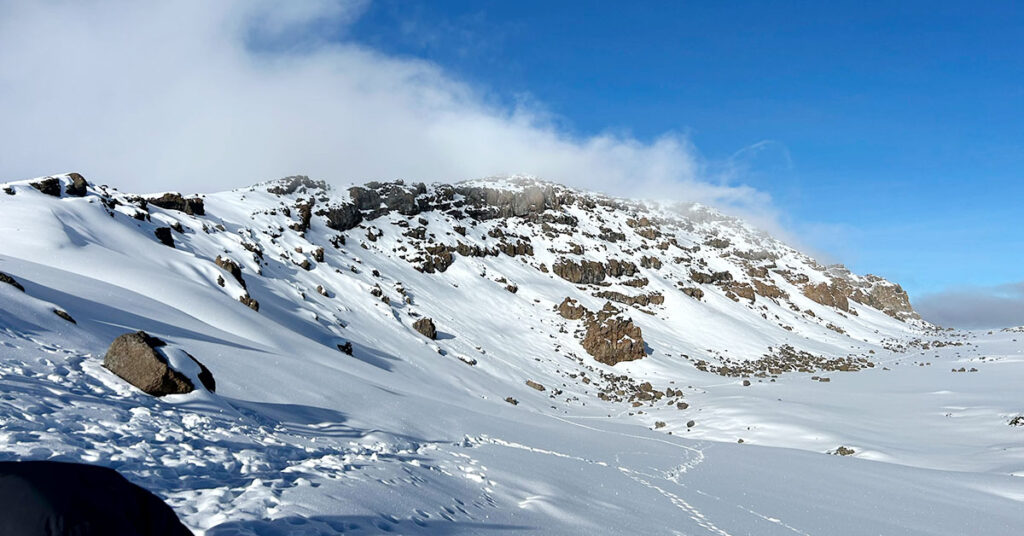
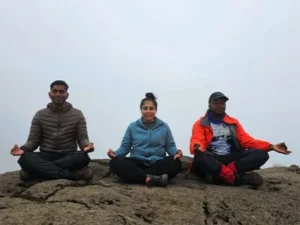
A chilling welcome at Stella Point — icy silence, breathtaking views, and summit dreams alive.

 How to Buy the Right Insurance

 Book Early
  • Purchase your policy before your trek starts
  • Avoid last-minute errors or exclusions
 Compare Coverage
  • Focus on evacuation limits, altitude clauses, and exclusions
  • Read the fine print or call for clarification
Confirm Key Inclusions:
  • Helicopter evacuation
  • Trekking up to 6,000 meters
  • Emergency treatment and transport
  • COVID-19 coverage (optional, but helpful)

 Health and Safety Tips for Trekkers

 Stay Fit Before the Climb
  • Do cardio, strength training, and hiking practice
  • A stronger body = fewer health risks on the mountain
Know the Symptoms of Altitude Sickness
  • Headache, dizziness, nausea
  • Fatigue or shortness of breath
  • If symptoms appear, notify your guide immediately
 Follow the Acclimatization Schedule
  • Trek slowly and take breaks
  • Drink plenty of water
  • Use short hikes for gradual elevation gain
Our Acclimatization Guide Follow these tips to help your body adjust safely.

Be Prepared with the Right Insurance

Evacuation insurance is not optional — it’s your lifeline on the mountain. It protects you from massive bills and gives you fast access to rescue services when needed most.
 
At Kili Quests, we advise every client to secure insurance before arrival and ensure it includes helicopter evacuation and high-altitude coverage.

Frequently Asked Questions About Kilimanjaro Travel Insurance

Do you need travel insurance to climb Mount Kilimanjaro?

Yes. While not always legally required, travel insurance with emergency evacuation coverage is strongly recommended for anyone climbing Mount Kilimanjaro. The mountain’s high altitude and remote terrain mean that medical emergencies may require rapid evacuation and specialized care.

Does Kilimanjaro insurance need to cover high-altitude trekking?

Yes. Many standard travel insurance policies only cover activities up to 3,000 meters. Because Kilimanjaro reaches 5,895 meters, your policy should specifically include high-altitude trekking coverage up to at least 6,000 meters.

Does travel insurance for Kilimanjaro include helicopter evacuation?

Many specialized adventure travel insurance policies include helicopter evacuation from the mountain in case of serious illness or injury. Rescue operations are typically coordinated through park authorities and emergency services working within Kilimanjaro National Park.

What medical emergencies are most common on Kilimanjaro?

The most common medical issue climbers face is altitude sickness, which can occur when ascending too quickly. Other potential concerns include dehydration, exhaustion, injuries from slips or falls, and cold-related conditions during summit night.

How much does Kilimanjaro evacuation cost without insurance?

Emergency evacuations from Kilimanjaro can cost several thousand dollars, especially if helicopter rescue is required. Travel insurance helps cover these expenses and ensures climbers receive rapid medical assistance if needed.

When should you buy travel insurance for a Kilimanjaro trek?

Travel insurance should be purchased soon after booking your trip. Buying early ensures coverage for unexpected issues before departure and guarantees that your policy is active throughout the entire trekking period.

 Let Us Help You Prepare for a Safe Adventure

 Contact Kili Quests today to:

  • Get help choosing the right policy
  • Confirm if your insurance is accepted
  • Ask questions about coverage, altitude, or emergencies
Let’s make sure your adventure is safe, smart, and unforgettable.

Related Articles