Table of Contents

10 Must-Know Facts About Mount Kilimanjaro | Kili Quests

Mount Kilimanjaro isn’t just Africa’s tallest mountain — it’s a natural icon, a bucket-list trek, and a spiritual landmark. Rising to 5,895 meters (19,341 feet), Kilimanjaro draws over 35,000 climbers each year, all hoping to stand on the Roof of Africa.

Before your trek, get inspired and informed with these 10 fascinating facts every climber should know. At Kili Quests, we’re here to guide your journey from the first step to the summit.
 
What Is Mount Kilimanjaro? Full Guide – Start with an overview of Kilimanjaro’s geography, history, and significance.
Kili -3
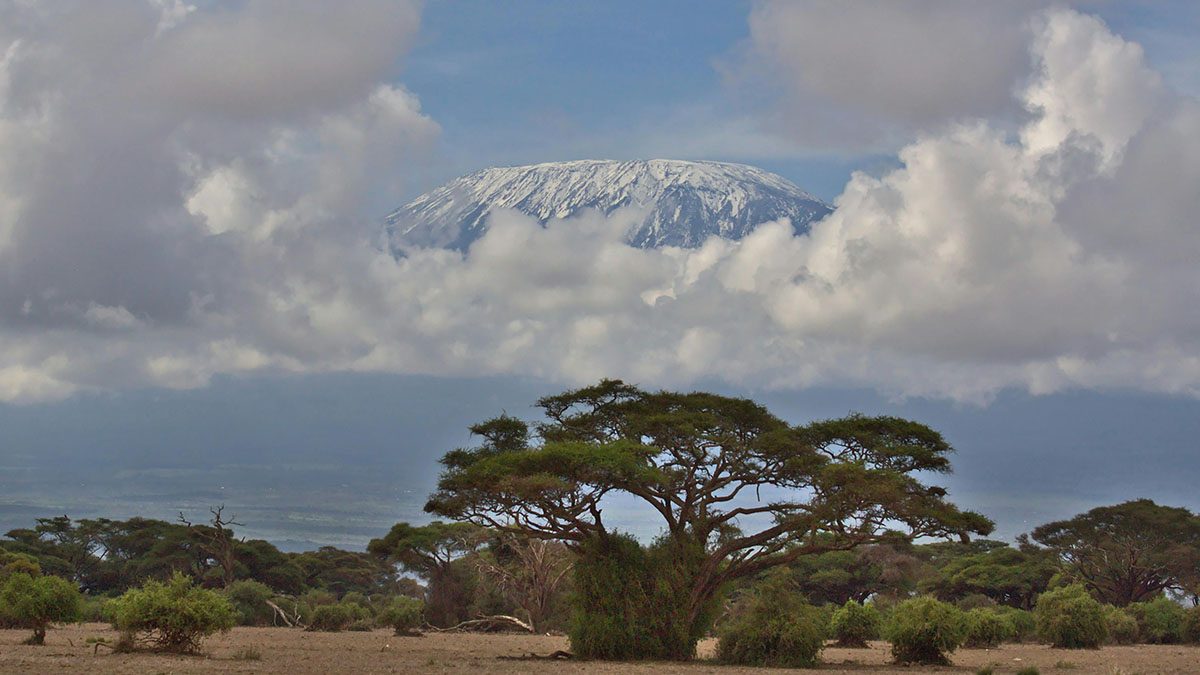
Standing tall at 5,895 meters—Kilimanjaro never fails to inspire

 Kilimanjaro Is a Free-Standing Mountain

Unlike most high peaks that form part of a mountain range, Mount Kilimanjaro stands completely alone, rising from the plains of Tanzania. Its massive height and isolated location make it visible from more than 100 kilometers away.
 
UNESCO World Wonder Article – Learn why Kilimanjaro is a natural icon and its global heritage value.

 It Has Three Volcanic Cones

Kilimanjaro is made up of three ancient volcanic cones:
  • Kibo – the tallest and home to Uhuru Peak
  • Mawenzi – sharp, rugged, and dramatic
  • Shira – the oldest and mostly eroded
All are dormant, but the mountain’s volcanic past shapes its dramatic landscape.
 
Three Volcanic Cones – Understand Kilimanjaro’s unique structure: Kibo, Mawenzi, and Shira.

It’s One of the World’s Most Popular Treks

Kilimanjaro is considered the world’s highest non-technical climb — no ropes or climbing gear needed. Multiple trekking routes allow people of different fitness levels to attempt the summit with proper guidance.

The Ecosystems Are Remarkably Diverse

As you ascend the mountain, you’ll pass through five distinct climate zones, from tropical rainforest to alpine desert and arctic summit. This variety supports unique flora and fauna not found elsewhere.
 

First Summit Was in 1889

The first recorded ascent of Kilimanjaro was by Hans Meyer and local guide Lauwo in 1889. Today, thousands follow in their footsteps — guided by experts like our team at Kili Quests.
 

Kilimanjaro Still Has Snow — But It’s Disappearing

The summit of Kilimanjaro is famously snow-capped, but its glaciers are melting due to climate change. Scientists estimate the ice could disappear entirely within the next few decades.
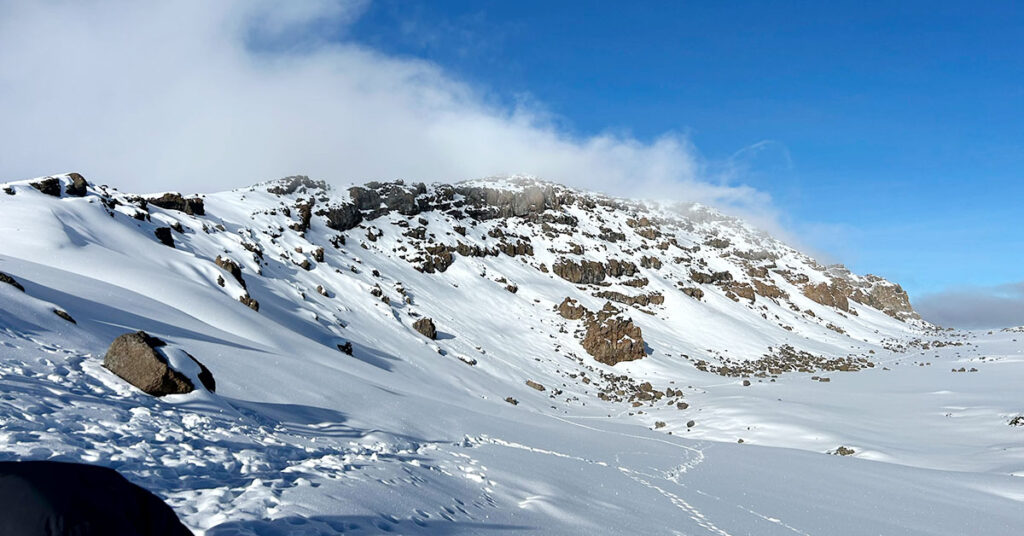
A magical moment at Stella—snow underfoot, views all around

The Name “Kilimanjaro” Has Multiple Origins

The name is thought to come from Swahili and Chagga roots:
“Kilimani” = mountain
“Njaro” = light, whiteness, or greatness
It’s also been linked to old Arabic expressions for “mountain of greatness.”
 

Best Time to Climb? Stick to Dry Seasons

The most favorable trekking months are:
  • January to March (clearer summit views)
  • June to October (cooler, drier weather)

Avoid April and May due to long rains — trails become muddy and slippery.

Plan smart: Best Time to Climb Kilimanjaro.

 It’s a UNESCO World Heritage Site

Kilimanjaro was designated a UNESCO World Heritage Site in 1987 due to its ecological importance, biodiversity, and global cultural value. Your trek helps support its preservation.
 
Read more about  UNESCO & Heritage site 
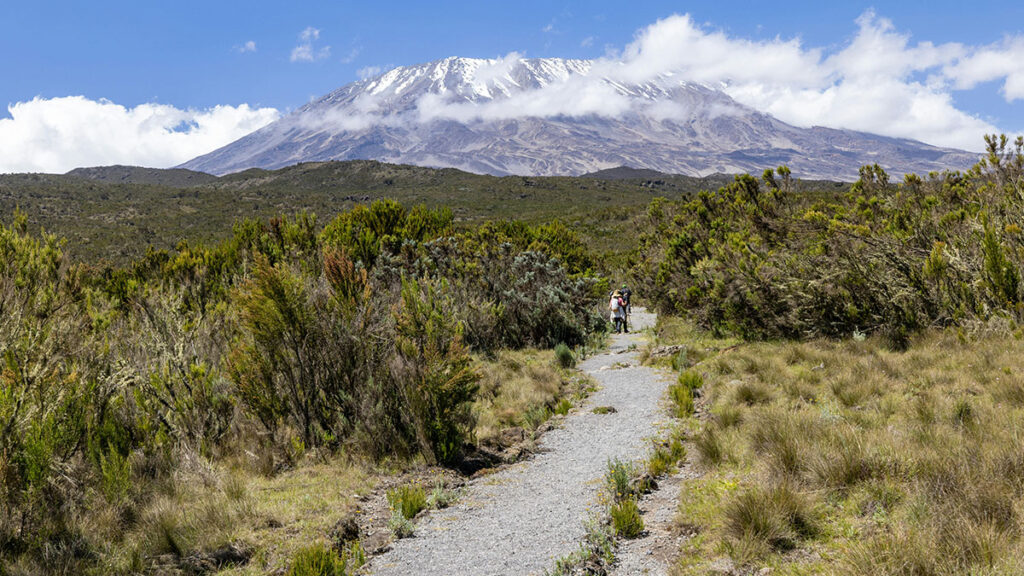
Following the path to Kilimanjaro’s towering peak.

Over 35,000 People Attempt the Summit Each Year

Every year, tens of thousands attempt the climb — but only 60–70% reach the summit. Success depends on:
  • Choosing the right route
  • Acclimatizing properly
  • Preparing mentally and physically
Increase your chances: Training Guide.

 Ready to Start Your Kilimanjaro Journey?

Mount Kilimanjaro is more than just a mountain — it’s an experience that combines nature, challenge, and personal triumph. Whether you’re an experienced hiker or a first-timer, Kili Quests is here to make your trek safe, successful, and unforgettable.
 

Frequently Asked Questions

How high is Mount Kilimanjaro?

Mount Kilimanjaro rises to 5,895 meters (19,341 feet) above sea level. Its highest point is Uhuru Peak, located on the Kibo volcanic cone, making it the tallest mountain in Africa and the highest free-standing mountain in the world.

Do you need technical climbing skills to climb Mount Kilimanjaro?

No. Kilimanjaro is considered a non-technical trek, meaning climbers do not need ropes, ice axes, or advanced mountaineering skills. However, good physical fitness, proper acclimatization, and guidance from experienced mountain guides are essential for a safe climb.

How long does it take to climb Mount Kilimanjaro?

Most Kilimanjaro treks take 5 to 9 days, depending on the route chosen. Longer routes allow better acclimatization to the altitude, which increases the chances of successfully reaching the summit.

What is the best time to climb Mount Kilimanjaro?

The best time to climb Kilimanjaro is during the dry seasons from January to March and June to October. These months generally offer clearer skies, less rain, and better trekking conditions on the mountain.

What are the three volcanic cones of Kilimanjaro?

Kilimanjaro is made up of three volcanic cones: Kibo, Mawenzi, and Shira. Kibo is the tallest and contains Uhuru Peak, while Mawenzi is rugged and dramatic, and Shira is the oldest and most eroded cone.

How many people climb Kilimanjaro each year?

More than 35,000 climbers attempt Mount Kilimanjaro each year. Success rates vary depending on the route and preparation, but with proper acclimatization and support from experienced guides, many trekkers successfully reach the summit

Book with Kili Quests Today

 Your Kilimanjaro adventure starts here.
 Contact us to plan your route, gear, and trekking dates — we’ll take care of the rest.

Related Articles