Plan Your Kilimanjaro Climb Budget

Climbing Kilimanjaro is a major investment choosing the right route and support team makes all the difference.
 
At Kili Quests, we help you:

Explore More Kilimanjaro Planning Guides

Understanding the cost is just one part of planning your climb. Explore these essential guides to choose the right route, prepare properly, and increase your chances of reaching the summit:

How Much Does It Cost to Climb Mount Kilimanjaro? Full Price Breakdown

Climbing Mount Kilimanjaro, the tallest mountain in Africa at 5,895 meters (19,341 feet), is one of the most exciting trekking adventures in the world. Every year thousands of travelers travel to Tanzania to attempt reaching Uhuru Peak, the summit of Kilimanjaro and the highest point on the African continent.One of the most common questions climbers ask while planning their expedition is: How much does it cost to climb Mount Kilimanjaro?
 
The cost of climbing Kilimanjaro can vary widely depending on the route you choose, the number of days on the mountain, and the quality of the trekking company. In general, climbers can expect to pay between $2,000 and $6,000 per person for a complete Kilimanjaro trekking experience.This guide explains the full breakdown of Kilimanjaro climbing costs, including national park fees, guide services, equipment, and travel expenses so you can plan your adventure with confidence.
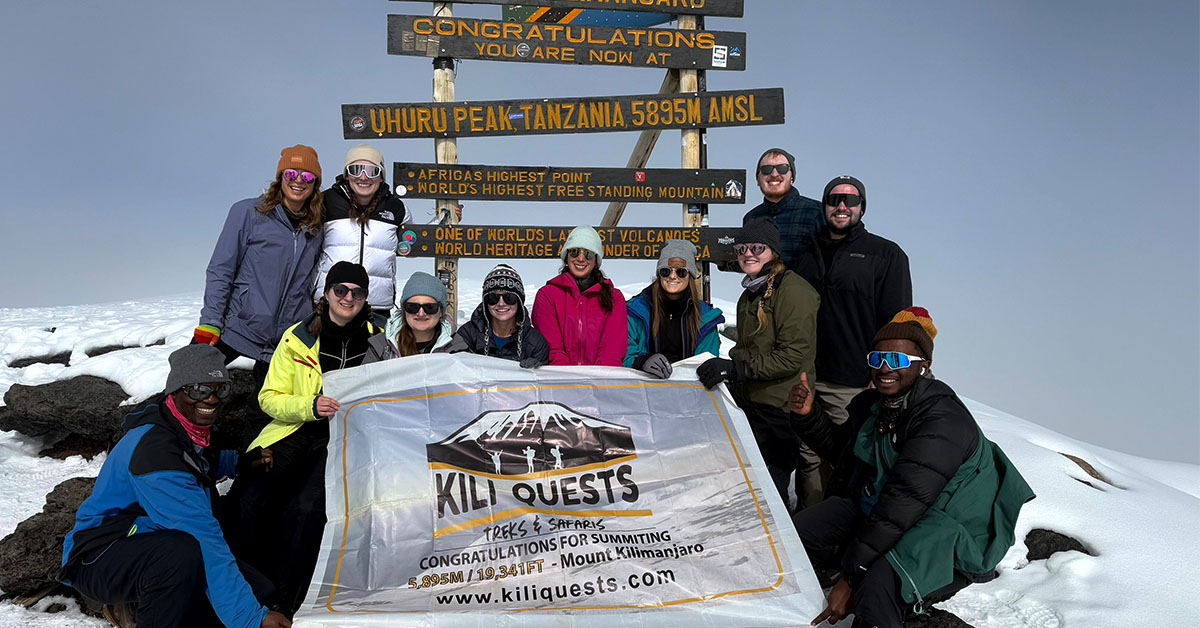
Group of trekkers celebrating together at Uhuru Peak, the summit of Mount Kilimanjaro
Kilimanjaro climbers at Uhuru Peak with their guide team after a successful summit.

Table of Contents

Average Cost to Climb Mount Kilimanjaro

The average cost of climbing Kilimanjaro usually falls between $2,000 and $6,000 per person.Different types of climbs come with different levels of service and comfort.
Type of Climb Average Cost
 
Budget climb……………….  $2,000 – $2,500
Standard climb……………  $2,500 – $4,000
Luxury climb……………….  $4,000 – $6,000
 
Most Kilimanjaro climbing packages include guides, porters, food, camping equipment, park permits, and transportation during the trek.However, international flights and some personal expenses are usually not included.

Kilimanjaro National Park Fees

A large portion of the cost of climbing Mount Kilimanjaro goes directly to Kilimanjaro National Park fees, which are mandatory for all climbers.These fees are set by the Tanzanian government and are used to support conservation efforts, park management, and maintenance of the mountain’s trails and facilities.The main park fees include:
  • Conservation fees (charged per day on the mountain)
  • Camping or hut fees depending on the route
  • Rescue fees
  • Park entry permits
For most climbers, these park fees typically range between $800 and $1,000 plus per person, depending on the number of days spent on the mountain.


It is also important to note that Kilimanjaro National Park fees are subject to an additional 18% Value Added Tax (VAT) required by the Tanzanian government. This tax is applied to park services and is included in most Kilimanjaro climbing packages offered by trekking companies.Because park fees are charged per person and per day, longer climbs with more acclimatization days naturally cost more. However, these longer itineraries usually provide a higher chance of reaching Uhuru Peak, the summit of Mount Kilimanjaro.

Guide, Porter, and Crew Costs

Climbing Kilimanjaro requires a full support team.Every trekking group normally includes:
  • a professional mountain guide
  • assistant guides
  • porters who carry equipment
  • a cook who prepares meals
Porters carry tents, cooking supplies, and camping equipment so climbers only need to carry a small daypack with water, snacks, and personal items.This support system is essential for safety and comfort during the multi-day climb.
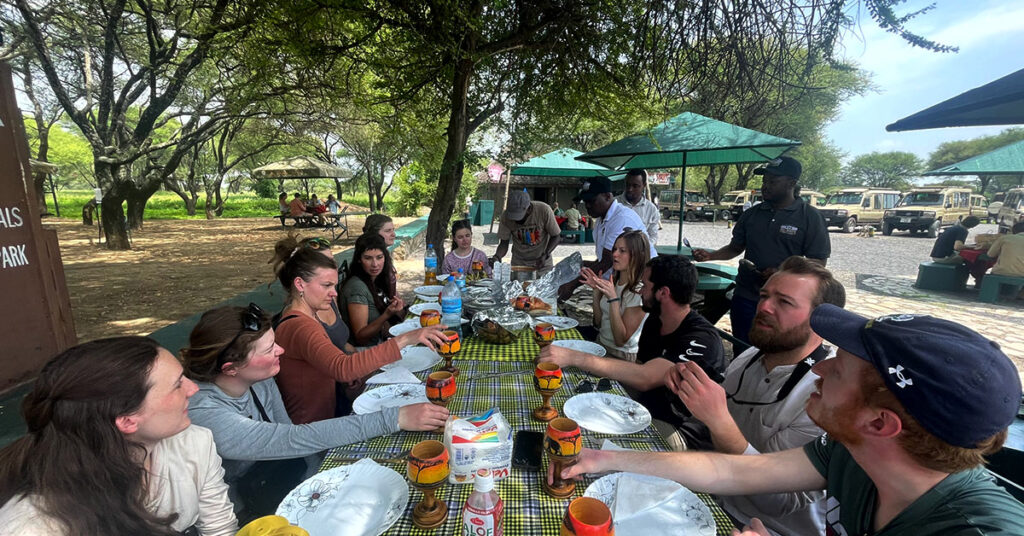
Tourists enjoying meals together at a Kilimanjaro camp after a day of trekking.

What Is Included in Most Kilimanjaro Climb Packages?

Most reputable Kilimanjaro trekking companies include a variety of services in their climbing packages.Typical inclusions are:
  • Professional licensed guides
  • Assistant guides and porters
  • All national park permits and fees
  • Camping equipment such as tents and mattresses
  • Meals during the trek
  • Transportation to and from the mountain
  • Safety equipment including oxygen and first aid kits
These services ensure climbers have the support they need to safely attempt the summit.

Equipment and Gear Costs

Proper gear is essential for a successful Kilimanjaro climb. Temperatures near the summit can drop below -10°C (14°F), so climbers must bring warm clothing and quality hiking equipment.Essential gear usually includes:
  • waterproof hiking boots
  • insulated jackets
  • thermal layers
  • trekking poles
  • sleeping bag
  • headlamp
Some climbers already own this equipment, while others choose to rent gear locally in Tanzania, which can reduce costs.

Travel Costs to Tanzania

In addition to the climbing package, travelers should consider the cost of traveling to Tanzania.Typical travel expenses include:
  • accommodation before and after the climb
  • Airport transfer both (drop off & pick up)
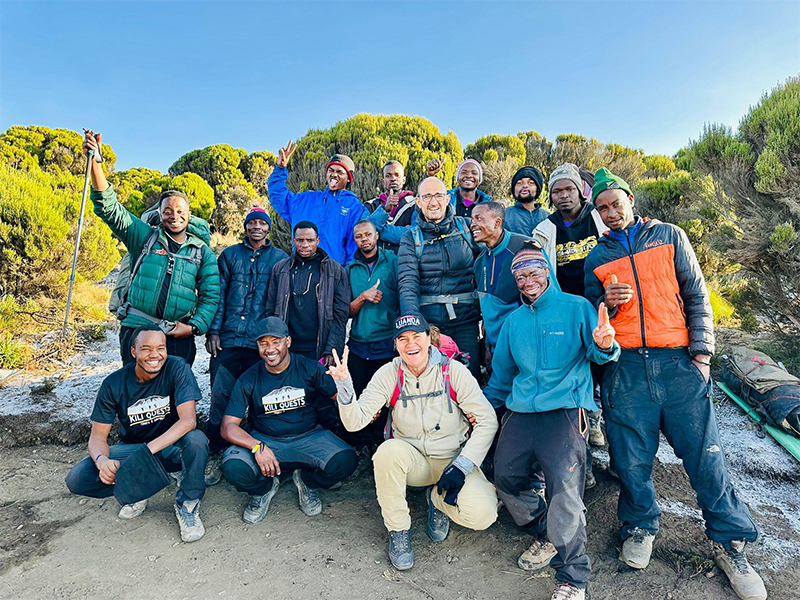
Kilimanjaro trekkers and porters smiling together at the end of a successful hike
Every Kilimanjaro climb is a team effort — guides, porters, and climbers sharing the journey to the summit.

Hidden Costs to Consider

While many Kilimanjaro packages include the main climbing costs, travelers should still plan for some additional expenses.
Common extra costs include:
  • tips for guides, porters, and cooks
  • gear rental if needed
  • personal snacks or drinks
  • travel insurance
  • Visa fee
  • International Flights

Flights to Kilimanjaro International Airport vary depending on departure location but usually range between $600 and $1,500.

Budget vs Luxury Kilimanjaro Climbs

The cost of climbing Mount Kilimanjaro can vary significantly depending on the type of expedition you choose. While budget climbs may appear cheaper, luxury climbs often provide additional comfort, safety features, and longer itineraries that improve summit success rates.

Understanding the difference between budget, standard, and luxury climbs can help travelers choose the right option for their experience and budget.

Budget Climbs

Budget Kilimanjaro climbs usually cost around $2,000–$2,500 per person. These expeditions provide the basic services required to climb the mountain, including guides, porters, meals, and camping equipment.However, budget climbs often use shorter itineraries, typically lasting 5–6 days. While these trips reduce overall costs, they also allow less time for acclimatization, which can lower the chances of reaching the summit.Budget climbs may also include:
  • simpler camping equipment
  • basic food menus
  • fewer comfort features
When choosing a budget climb, it is important to ensure the operator follows ethical porter treatment and proper safety standards.

Standard Climbs

Standard Kilimanjaro climbs usually cost between $2,500 and $4,000 and are the most common type of expedition.These climbs often include 6–7 day itineraries, which provide better acclimatization and improved summit success rates compared to shorter climbs.Standard climbs typically offer:
  • experienced mountain guides
  • quality camping equipment
  • balanced and nutritious meals
  • proper safety monitoring
  • well-organized logistics
For many climbers, this option provides the best balance between price, comfort, and safety.

Luxury Climbs

Luxury Kilimanjaro climbs usually cost between $4,000 and $6,000 or more, depending on the operator and the route chosen.Luxury expeditions often include longer itineraries of 7–9 days, which provide better acclimatization and significantly increase the chances of reaching the summit.
However, longer climbs also increase the overall cost because climbers spend more days inside Kilimanjaro National Park, which means paying additional park fees, camping fees, and crew costs.Luxury climbs usually include additional services such as:
  • larger and more comfortable sleeping tents
  • upgraded meals with more variety
  • private toilet tents
  • thicker sleeping mattresses
  • larger support teams
  • more personalized service
  • Sleeping in Beds

Because these climbs spend more time on the mountain and require a larger support team, the overall cost is higher.For many climbers, luxury expeditions provide a more comfortable trekking experience and better summit success rates, especially when using longer routes like Lemosho or the Northern Circuit.
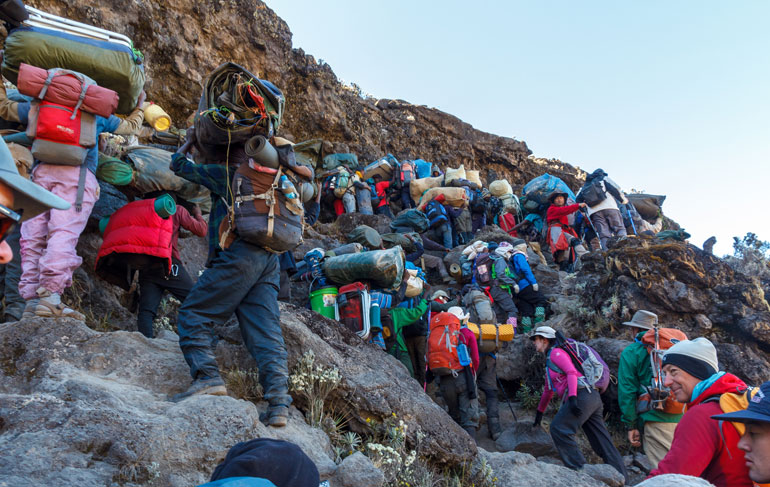
Kilimanjaro porter walking along the mountain trail with gear balanced on head
Porters guiding climbers up the Barranco Wall on Mount Kilimanjaro — a true display of strength, teamwork, and support on the mountain.

Frequently Asked Questions About Kilimanjaro Costs

Why is climbing Kilimanjaro expensive?

Climbing Mount Kilimanjaro may seem expensive at first, but the cost reflects the complexity and scale of organizing a safe multi-day expedition on Africa’s highest mountain.A large portion of the price comes from Kilimanjaro National Park fees, which are set by the Tanzanian government and are mandatory for every climber. These include conservation fees, camping or hut fees, rescue fees, and other regulatory charges.Beyond park fees, each climb requires a full support team, including licensed guides, porters, and cooks. These teams carry equipment, prepare meals, set up camps, and monitor your safety throughout the trek. Ethical operators also ensure fair wages, proper working conditions, and adequate gear for their staff.Additional costs include food supplies for several days, high-quality camping equipment, safety gear such as oxygen systems, and logistics like transportation and accommodation before and after the climb. When all these elements are combined, the cost reflects not just the climb itself, but the level of safety, support, and experience provided.

What is the cheapest way to climb Kilimanjaro?

The cheapest way to climb Kilimanjaro is usually by joining a group trek with a budget operator, where costs can start from around $2,000. Group climbs reduce expenses by sharing resources such as guides, transport, and equipment among several climbers.However, choosing the cheapest option requires careful consideration. Extremely low prices often mean compromises in areas such as food quality, staff wages, equipment standards, and safety measures. In some cases, very cheap operators may not follow proper safety protocols or ethical treatment of porters.While it is possible to climb Kilimanjaro on a budget, it is important to prioritize value over price. A slightly higher investment with a reputable company often results in better support, higher success rates, and a safer overall experience on the mountain.

Do I need to tip Kilimanjaro guides and porters?

Yes, tipping is an expected and important part of climbing Kilimanjaro. It is not just a gesture of appreciation, but a significant part of the income for guides, porters, and cooks who support your climb.A Kilimanjaro team works extremely hard behind the scenes , carrying heavy loads, setting up camp, preparing meals, and ensuring your safety in challenging conditions. Tipping recognizes their effort and dedication throughout the journey.Most operators provide recommended tipping guidelines, usually based on the size of your group and the number of staff supporting you. While the exact amount can vary, it is important to budget for tips in advance and present them respectfully at the end of the climb.

Are flights included in Kilimanjaro climb packages?

In most cases, international flights are not included in Kilimanjaro climbing packages. Standard packages typically cover the mountain portion of the trip, including park fees, guides, porters, meals, accommodation during the climb, and transfers within Tanzania.Climbers are usually responsible for booking their own international flights to Tanzania, often arriving at Kilimanjaro International Airport. Some operators may assist with airport transfers or offer optional add-ons such as hotel stays before and after the climb.It is always important to check exactly what is included in your package so you can plan and budget accordingly without unexpected costs.

Is climbing Kilimanjaro worth the cost?

For many travelers, climbing Kilimanjaro is more than just a trek , it is a once-in-a-lifetime experience. The journey takes you through multiple ecosystems, from rainforest to alpine desert, and challenges you both physically and mentally.Reaching Uhuru Peak, the highest point in Africa, brings a strong sense of achievement that few other experiences can match. Along the way, you also connect with local guides and porters, gaining insight into the culture and spirit of Tanzania.While the cost may seem high, most climbers consider it a worthwhile investment in a unique adventure that combines natural beauty, personal challenge, and unforgettable memories.

Ready to Climb Mount Kilimanjaro?

Climbing Mount Kilimanjaro is a once-in-a-lifetime adventure, and choosing the right trekking company plays a major role in your success.At Kili Quests, our experienced local guides organize safe and well-planned expeditions designed to give climbers the best chance of reaching the summit.With professional guides, reliable equipment, and strong support teams, we help trekkers from around the world achieve their dream of standing on the Roof of Africa.

Start Planning Your Kilimanjaro Adventure

Related Articles