Table of Contents

Why Kilimanjaro Is Called ‘Kilimanjaro’ | Kili Quests

 What Does “Kilimanjaro” Mean?

Mount Kilimanjaro is the highest peak in Africa — but the name itself is just as mysterious as the summit. Unlike other famous mountains with clear naming origins, Kilimanjaro’s name has puzzled explorers, historians, and linguists for centuries.
Let’s explore the most widely accepted theories and cultural roots behind the name “Kilimanjaro.”
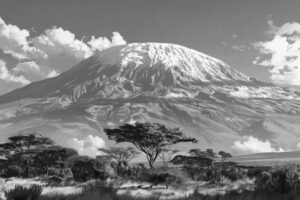
Mount Kilimanjaro with local tribal regions such as Chagga and Pare surrounding the base
The origin of the name “Kilimanjaro” remains debated — with influences from Chagga, Swahili, Maasai, and colonial languages

European Records vs. Local Language

When German explorers first mapped the mountain in the 1800s, they heard the name “Kilima Njaro” from Swahili-speaking locals. In Swahili, “kilima” typically means hill or small mountain, and “njaro” was believed to mean shining or whiteness, likely referring to the glacier-capped peak.
So one popular interpretation became:
“Kilima Njaro” = Shining Mountain or White Hill.
However, Swahili wasn’t the first or only language in the area — and the words may have originated from older tribal tongues spoken by the Chagga people.Hans Meyer’s expeditions played a role in documenting and popularizing the name — read more here
Historical photograph of Mount Kilimanjaro from early exploration or colonial era
Historical explorers and early local communities referred to the mountain by various names before “Kilimanjaro” became widely accepted
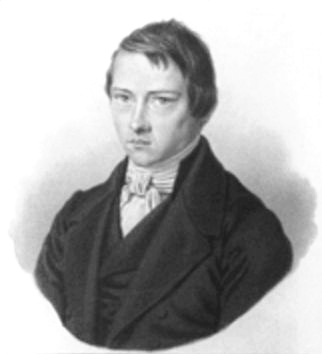
Portrait of Johannes Rebmann, the first European to report seeing Mount Kilimanjaro in 1848
In 1848, German missionary Johannes Rebmann was the first European to report Kilimanjaro’s snow-covered summit to the outside world

Local Linguistic Roots

1. Chagga Theory:
The Chagga people, who live on the southern and eastern slopes of the mountain, never originally called it “Kilimanjaro.” Instead, they called different parts of the mountain by names like:
Kibo (the summit dome)
Kilelema Kyaro (a Chagga phrase that could mean “that which defeats the caravan” — suggesting the mountain’s difficulty)
Some believe “Kilelema Kyaro” was later mispronounced or misrecorded by outsiders, evolving into “Kilimanjaro.”
 
2. Pare and Maasai Words:
The pare people  are an ethnics group living in the Pare Mountains,geographically close to Kilimanjaro .While they have their own language  and culture ,they are not directly involved in the naming of Kilimanjaro .But in pare they have some words similares  to the word ‘njaro‘ ,which was “njare” mean water or cold. For the Maasai, Kilimanjaro held no single name, but was always regarded with spiritual awe.
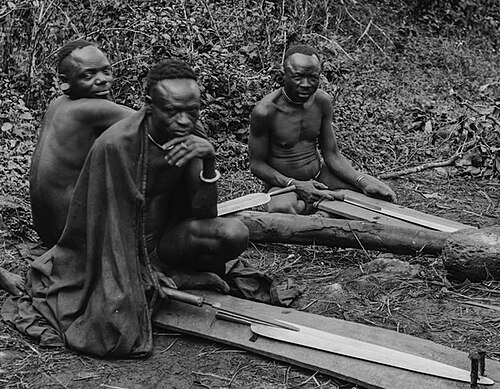
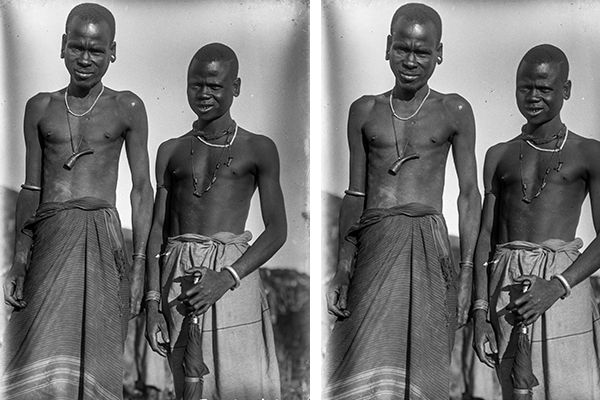
Members of the Chagga tribe near Mount Kilimanjaro in traditional attire
Members of the Pare tribe from the southeastern Kilimanjaro region, dressed in traditional clothing
The Pare people, known for their rituals and herbal knowledge, view Kilimanjaro as a sacred force and conduct spiritual ceremonies in its presence

 Colonial Influence on Naming

During the colonial era, German and British explorers wrote down place names based on what they thought they heard. With many different dialects around the mountain, names were often simplified, mixed, or misunderstood.
By the late 19th century, “Kilimanjaro” appeared on European maps — even though no local tribe had ever used that exact word as a mountain name before.
This means: “Kilimanjaro” is likely a foreign-made name built from local words.
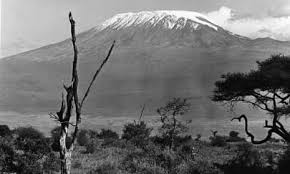
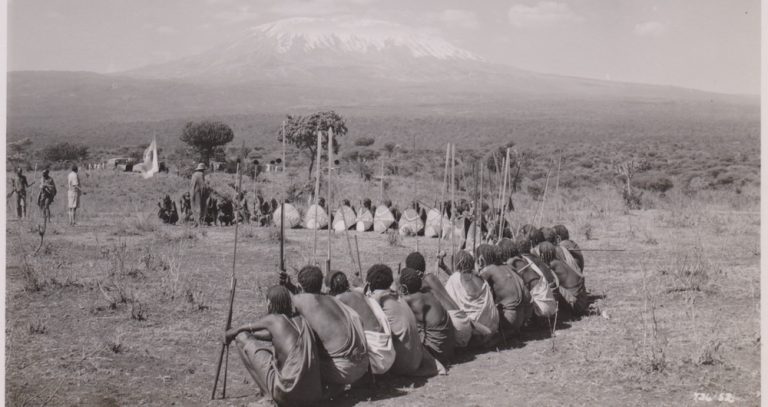
Historical image of Mount Kilimanjaro with glacier-covered summit during early exploration era
Early photographs of Kilimanjaro show more extensive glaciers and fewer local people

Kilimanjaro: A Name with Many Meanings

Although there’s no single, definitive origin, here are the most common interpretations of the name:
 
Theory                                               Meaning
                                           
Swahili: Kilima + Njaro           –        Hill of shining whiteness
Chagga: Kilelema Kyaro          –       That which defeats caravans
Pare dialect                               –       Possibly “cold place” or “water source”
European explorers                 –      Misheard combination of tribal names
 
 
Regardless of its etymology, Kilimanjaro has become a symbol of beauty, endurance, and African identity around the world.
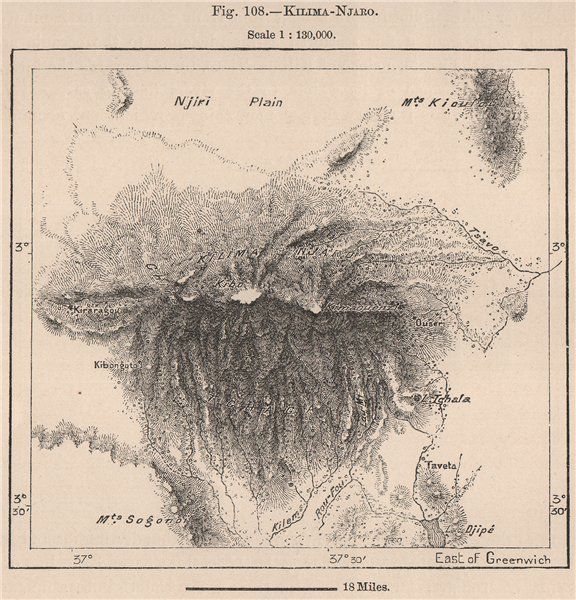
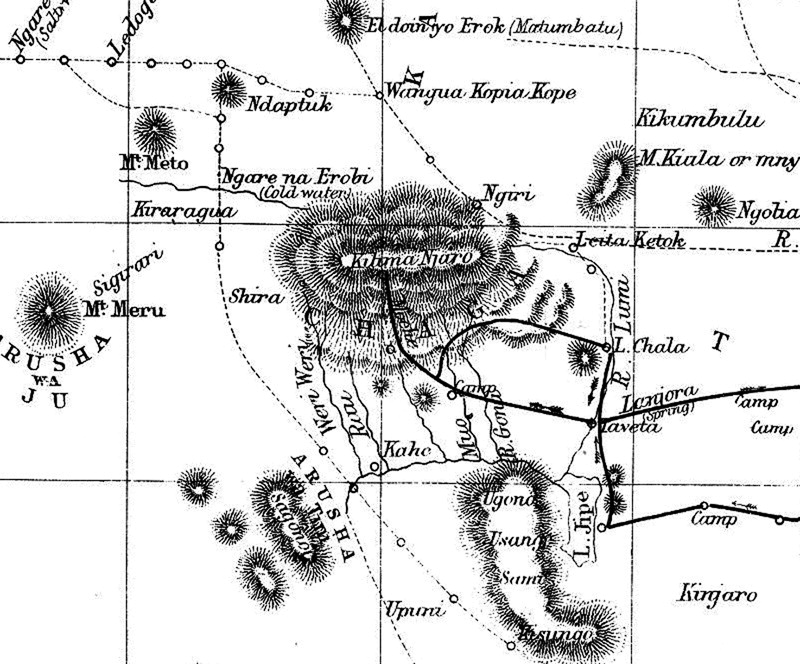
Vintage map of Mount Kilimanjaro showing routes, landmarks, and geography as seen in the 1990s | Kili Quests
A look back in time — this 1990s Kilimanjaro map reflects how the mountain was explored, traveled, and understood decades ago.

Cultural Value Beyond the Name

For the Chagga, and Pare peoples, Kilimanjaro is not just a name — it’s part of their spiritual landscape. Its glaciers, forests, and slopes are woven into myths, ceremonies, and sacred beliefs.
At Kili Quests, we honor these deep connections by sharing stories from the mountain’s local people, not just its altitude charts.

Learn More from the Locals

Want to dive deeper into the meaning and myths around Kilimanjaro? Read our related article:

Frequently Asked Questions About the Name Kilimanjaro

What does the name Kilimanjaro mean?

The exact meaning of the name Kilimanjaro is still debated. One common interpretation comes from Swahili words “kilima” meaning hill or mountain and “njaro,” which is sometimes interpreted as shining or whiteness. This has led to the popular translation “Shining Mountain,” referring to the snow and glaciers that cover the summit of Mount Kilimanjaro.

Who originally named Mount Kilimanjaro?

No single person officially named the mountain. The name likely evolved from a combination of local languages spoken around Kilimanjaro, including those of the Chagga people and nearby communities. European explorers later recorded and standardized the name on maps during the 19th century.

Did local tribes originally call the mountain Kilimanjaro?

Not exactly. Local communities often referred to specific parts of the mountain rather than using a single name for the entire massif. For example, the Chagga traditionally used names such as Kibo for the summit dome rather than the word Kilimanjaro.

How did European explorers influence the name Kilimanjaro?

When explorers and missionaries documented the mountain in the 1800s, they recorded the name based on what they heard from local guides and Swahili speakers. Early records from figures like Johannes Rebmann helped popularize the name Kilimanjaro in European maps and publications.

Are there other theories about the origin of the name Kilimanjaro?

Yes. Some linguists believe the name may have evolved from the Chagga phrase “Kilelema Kyaro,” which can be interpreted as “that which defeats the caravan.” Others suggest influences from nearby languages that reference coldness or water associated with the mountain.

Why is the name Kilimanjaro famous around the world?

The name Kilimanjaro has become globally recognized because the mountain is the tallest peak in Africa and a symbol of adventure and endurance. Its unique name, dramatic landscape, and cultural significance have made it one of the most iconic natural landmarks on the continent

Trek with Kili Quests — Where the Mountain Has Meaning

Climbing Kilimanjaro isn’t just about summiting Africa’s tallest peak. It’s about understanding the soul behind the summit — and the people who’ve lived in its shadow for generations.Join a trek where every step connects you to story, culture, and real meaning.
 

Related Articles