Prepare for Your Tanzania Safari

A better safari starts before you enter the park. We help you prepare with the right season, packing advice, route planning, and private safari support.

Safari Preparation Guide

OUR CATEGORIES

Tanzania Safari Tips: How to Prepare for Your Safari

A Tanzania safari is not the kind of trip you should enter unprepared. The experience can be incredible, but the quality of your safari depends on more than just booking a vehicle and visiting famous parks. You need to understand the season, pack correctly, dress properly, respect wildlife, prepare for long game drives, and know how safari days actually work.
 
Many travelers make simple mistakes before safari. They pack too much, wear the wrong clothes, forget sun protection, expect wildlife to appear instantly, or treat the experience like a zoo visit. That is weak preparation. Safari is wild, dusty, beautiful, unpredictable, and deeply rewarding when you approach it with the right mindset.
 
At Kili Quests, we help travelers prepare for Tanzania safaris with clear planning, local guidance, and realistic advice. This guide gives you practical Tanzania safari tips so you know what to pack, what to wear, what to expect, and how to enjoy your safari without unnecessary stress.
 
If you are still deciding the best travel season, read Best Time for Tanzania Safari before confirming your dates.
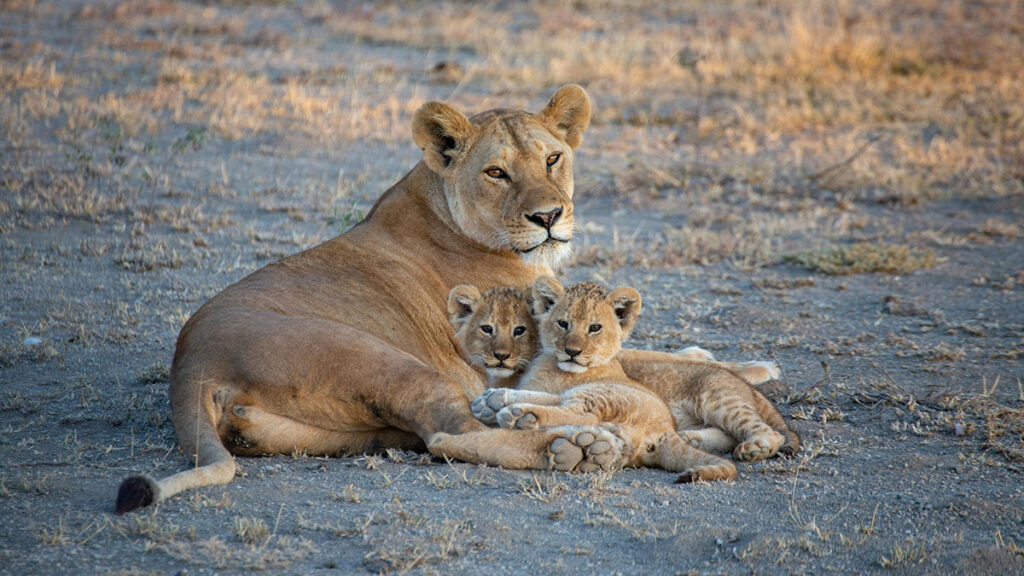
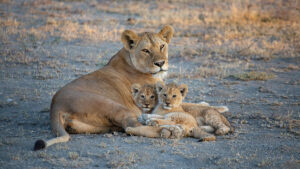
A lioness and her cub rest together in the warmth of the African savannah, sharing a quiet, tender moment of motherly love and comfort.

Table of Contents

Choose the Right Safari Season Before You Pack

Your safari preparation should start with the season. Tanzania can be visited year-round, but the conditions are not the same every month. What you pack, what you expect, and how your safari feels will depend heavily on when you travel.
The dry season from June to October is popular because wildlife is often easier to spot. Vegetation is thinner, and animals gather near rivers and water sources. This period is strong for general wildlife viewing in places like Tarangire, Serengeti, and Ngorongoro.
 
The green season from November to May gives a different safari experience. Landscapes are greener, birdlife is excellent, and some areas have fewer vehicles. From around January to March, the southern Serengeti and Ndutu area can be especially strong for calving season and predator activity.

Dry Season Preparation

During the dry season, expect dust, cooler mornings, sunny afternoons, and easier wildlife visibility. You should pack a scarf or buff, sunglasses, sunscreen, neutral clothing, and a warm layer for early morning game drives.
 
Tarangire can be especially rewarding in the dry season because wildlife gathers around water sources. If Tarangire is part of your route, read Tarangire National Park Safari Guide before you travel.

Green Season Preparation

During the green season, expect fresh landscapes, possible rain, dramatic skies, and excellent birdlife. You should pack a light rain jacket, quick-dry clothing, and protection for camera gear.
 
The green season can be beautiful, but you must be realistic. Roads may be muddy in some areas, and weather can change quickly.
 
For a full breakdown of safari timing, read Best Time for Tanzania Safari.

Pack Light but Pack Properly

Overpacking is one of the most common safari mistakes. You do not need a huge suitcase full of clothes you will never use. Safari travel becomes easier when your luggage is light, soft-sided, and practical.
 
A safari often includes moving between lodges, camps, and parks. Heavy luggage makes everything harder. You need clothes and gear that help you stay comfortable during long drives, dusty roads, cool mornings, and warm afternoons.

Essential Safari Packing List

For most Tanzania safaris, pack:
  • Neutral-colored shirts
  • Lightweight long-sleeve tops
  • Comfortable trousers or safari pants
  • Warm fleece or light jacket
  • Comfortable shoes
  • Hat with sun protection
  • Sunglasses
  • Sunscreen
  • Insect repellent
  • Personal medication
  • Camera or phone
  • Binoculars if available
  • Refillable water bottle
  • Travel documents
  • Small day bag
This is enough for most travelers. You do not need to pack like you are moving house.

What Not to Overpack

Avoid too many outfits, heavy shoes you will not wear, bright white clothes, unnecessary formal clothing, and hard luggage that is difficult to move around.Safari is not a fashion show. Comfort and practicality matter more.
 
For a deeper checklist, read Tanzania Safari Packing List.

Wear the Right Safari Clothing

Safari clothing should be comfortable, breathable, and practical. The goal is not to look dramatic in photos. The goal is to stay protected from sun, dust, insects, and changing temperatures.
 
Neutral colors such as khaki, beige, olive, brown, and grey work best. These colors fit the safari environment and are easier to manage in dusty conditions.

Dress in Layers

Mornings can be cold, especially in places like Ngorongoro, highland areas, or early game drives. By midday, it can become warm or hot. Layers allow you to adjust without discomfort.
A good safari outfit may include:
  • T-shirt or light base layer
  • Long-sleeve shirt
  • Fleece or light jacket
  • Comfortable trousers
  • Hat
  • Sunglasses

Avoid Bright and Impractical Clothing

Avoid bright colors, very white clothing, heavy jeans, uncomfortable shoes, and clothes that are too tight. White clothes get dirty quickly, and heavy clothing can become uncomfortable during long game drives.
 
Keep it simple. Neutral, breathable, and easy to layer.
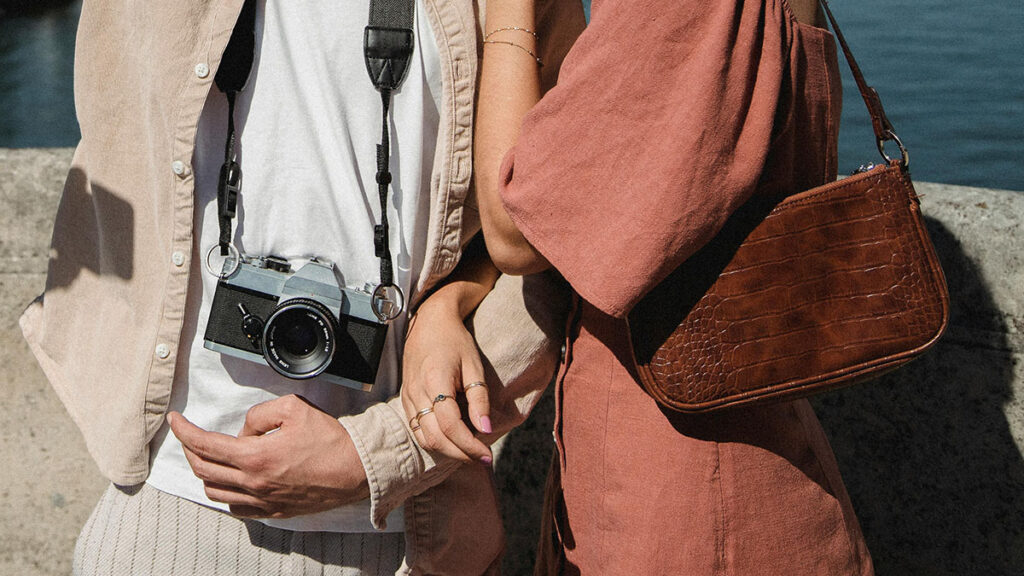
Safari style on point—light, neutral, and adventure-ready

Prepare for Dust, Sun, and Long Safari Roads

Safari roads can be dusty, bumpy, and long. This is part of the experience, not a mistake. But if you are not ready for it, the discomfort can distract you from the wildlife.
 
Many travelers underestimate how much dust and sun they will face, especially during dry season game drives.

Protect Yourself from Dust

Carry a scarf, buff, or light face covering. It helps when driving on dry roads, especially between parks or inside dusty areas.
 
Also protect your camera gear. Dust can damage lenses and make photos harder if you are careless.

Protect Yourself from the Sun

The sun can be strong even when the air feels cool. Use sunscreen before the game drive starts. Wear sunglasses and a hat. Do not wait until your skin already feels burned.

Stay Comfortable During Long Drives

Bring a small day bag with water, sunscreen, lip balm, camera gear, tissue, hand sanitizer, and any personal essentials. Keep important items close, not buried deep in your main luggage.
 
A well-prepared traveler enjoys the drive. An unprepared traveler complains all day.

Bring a Camera, but Do Not Watch the Whole Safari Through a Screen

A Tanzania safari gives you incredible photo opportunities. You may see lions resting in the grass, elephants crossing the road, giraffes feeding at sunrise, zebras moving across the plains, or cheetahs scanning for prey.
 
A camera with a zoom lens is useful because wildlife is not always close to the vehicle. Binoculars are also valuable, especially for birds, leopards, distant predators, and smaller details.

Useful Safari Photography Tips

For better photos:
  • Keep your camera ready
  • Bring extra batteries
  • Carry enough memory cards
  • Protect your gear from dust
  • Use a zoom lens if possible
  • Avoid sudden movement near wildlife
  • Listen to your guide before standing or changing position

Remember to Experience the Moment

Do not make the mistake of filming everything and experiencing nothing. Take your photos, then put the camera down sometimes.
 
Listen to the bush. Watch animal behavior. Notice how the guide reads tracks and movement. Some safari memories are better when you are fully present, not staring at a screen.

Respect Wildlife at All Times

You are visiting the animals’ natural home. That means you must behave responsibly. Wildlife should never be treated like entertainment that must perform for you.
 
Do not call animals, whistle, clap, throw objects, or pressure your guide to move too close. Do not feed animals. Do not leave the vehicle unless your guide says it is safe and allowed.

Keep a Safe Distance

A good wildlife sighting does not require reckless behavior. Skilled guides know how to position the vehicle without disturbing animals or creating danger.
 
Getting too close can stress animals and put people at risk. It can also damage the reputation of responsible tourism.

Follow Park Rules

National park rules exist for a reason. They protect wildlife, visitors, guides, and the environment. Follow your guide’s instructions even when you are excited.
Safari safety is not negotiable.

Respect Local Culture and Communities

A Tanzania safari may include cultural visits, local markets, Maasai communities, Hadzabe experiences, or village stops depending on your route. These experiences can add meaning to your trip, but they must be handled with respect.
 
Do not treat local people like tourist attractions. Ask before taking photos. Listen to your guide. Dress respectfully when needed. Be polite and curious, not intrusive.

Cultural Experiences Should Be Meaningful

A good cultural visit should help you understand local life, traditions, and history. It should not feel rushed or fake.
If you want cultural activities added to your safari, ask early during planning so they fit naturally into the route instead of being forced into an already busy itinerary.

Do Not Overload the Safari

Cultural add-ons can be valuable, but too many extras can make the safari tiring. If wildlife is your main goal, protect enough time for game drives.
 
A good itinerary balances wildlife, culture, rest, and travel time.

Stay Hydrated and Eat Properly

Safari days can be long. Early starts, sun, dust, heat, and bumpy roads can drain your energy faster than you expect. Drinking enough water and eating properly will help you feel better throughout the day.
 
Do not wait until you feel tired or lightheaded before drinking water.

Drink Water Throughout the Day

Keep water near you in the vehicle. Sip regularly, especially during warm afternoons or full-day game drives.Dehydration can make you feel weak, irritated, or tired. That can ruin a day that should be enjoyable.

Eat Before Early Game Drives

Some game drives start early. If breakfast is light or delayed, ask about packed breakfast or snacks depending on your lodge and itinerary.
 
Simple snacks like nuts, fruit, or protein bars can help during long drives, but always follow park and guide rules about food around wildlife.

Take Early Morning Game Drives Seriously

Early morning is one of the best times for safari. Many animals are more active after sunrise because temperatures are cooler. Predators may still be moving, herbivores start feeding, and the light is beautiful for photography.
 
Sleeping through early game drives is a bad move if wildlife is your priority.

Why Early Mornings Matter

Early starts may give you better chances to see:
  • Lions before they rest
  • Hyenas returning from night activity
  • Leopards before they move into cover
  • Elephants feeding in cooler temperatures
  • Birds becoming active
  • Beautiful sunrise scenes

Prepare the Night Before

Lay out your clothes, charge your camera, prepare your day bag, and keep essentials ready before sleeping.
 
Do not waste the best morning hours looking for batteries, sunglasses, or your jacket.
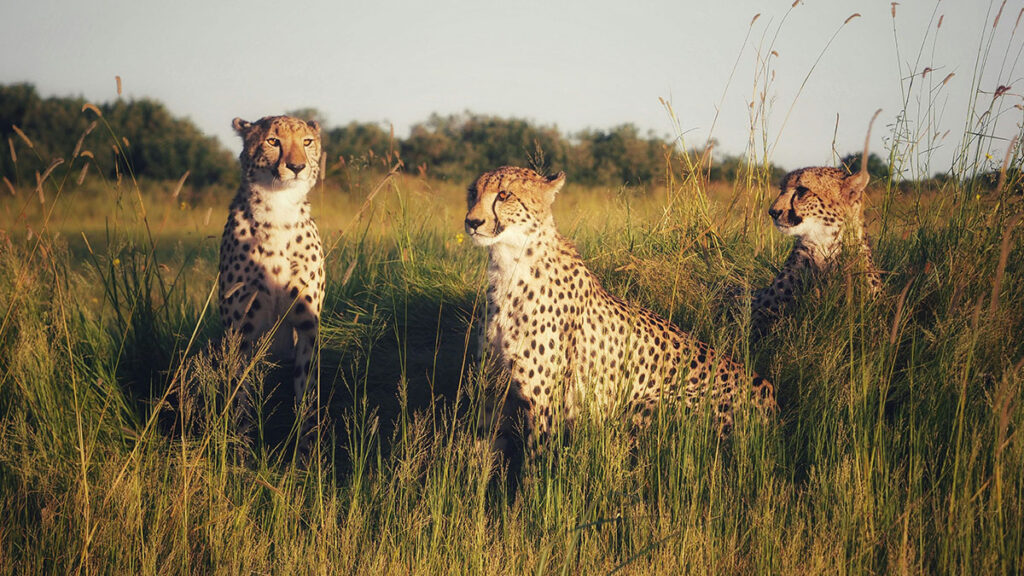
When the wild shows off—three cheetahs in perfect harmony.

Be Patient During Game Drives

Safari requires patience. Animals do not appear on command. Some sightings happen quickly, while others require waiting, tracking, listening, and observing.
If your mindset is only “show me the Big Five now,” you will miss the real beauty of safari.

Trust Your Guide’s Experience

A good guide reads tracks, alarm calls, animal movement, weather, and landscape. Sometimes your guide may wait in one area because something is likely to happen. Other times, they may leave a crowded sighting to search for better wildlife activity elsewhere.
 
Do not assume nothing is happening just because you are waiting. Safari often rewards patience.

Look Beyond the Big Five

The Big Five are exciting, but Tanzania safari is bigger than a checklist. Watch giraffes moving slowly through the trees. Notice elephants protecting calves. Listen to birds. Watch zebras and wildebeest react when predators are nearby.
 
The best moments are often the ones you did not plan.

Understand Your Safari Package Before Arrival

Before you arrive, make sure you understand your safari package. Do not leave important questions until the last minute.
You should know:
  • Which parks are included
  • How many nights are included
  • Where you will sleep
  • Whether park fees are included
  • Whether meals are included
  • Whether airport transfers are included
  • Whether drinks are included
  • What optional activities cost extra
  • What tipping expectations are
  • What payment terms apply
This avoids confusion and protects your budget.

Ask About Inclusions and Exclusions

A safari package may look affordable until you realize important services are not included. Always check the details.
For a full explanation, read What’s Included in a Tanzania Safari Package?

Compare Value, Not Just Price

The cheapest safari is not always the best value. A weak vehicle, poor guide, bad accommodation location, or rushed route can damage the whole experience.
Before choosing only by price, read Tanzania Safari Cost.

Choose the Safari Style That Fits You

Not every safari should be planned the same way. Some travelers want privacy and flexibility. Others need a lower-cost option. Some want luxury camps, while others prefer simple and practical lodges.
 
The right safari style depends on your budget, comfort level, and expectations.

Private Safari

A private safari gives you your own vehicle and guide. This is ideal for couples, families, small groups, photographers, and travelers who want more flexibility.
You control the pace better, and the guide can focus on your interests.

Group Safari

A group safari can reduce cost because you share the vehicle and schedule with other travelers. This can work for budget-conscious travelers, but it offers less flexibility.
 
For a clear comparison, read Private vs Group Safari Tanzania.

Final Thoughts on Preparing for a Tanzania Safari

A great Tanzania safari does not happen by accident. It comes from good preparation, smart packing, realistic expectations, responsible behavior, and strong local guiding.
Do not overpack. Do not ignore the season. Do not treat wildlife like a performance. Do not choose a safari only because it is cheap. Do not waste early mornings. And do not forget to slow down and enjoy the details.
 
At Kili Quests, we help travelers prepare for private Tanzania safaris with clear advice, honest planning, and local experience. Whether you are visiting Serengeti, Ngorongoro Crater, Tarangire, Lake Manyara, or combining safari with other Tanzania experiences, we can help you prepare properly.
 
Tell us your travel dates, group size, preferred comfort level, and safari goals, and we will help you plan a Tanzania safari that fits your trip.

Frequently Asked Questions About Tanzania Safari Preparation

What should I pack for a Tanzania safari?

Pack neutral-colored clothing, comfortable shoes, a warm layer for early mornings, a hat, sunglasses, sunscreen, insect repellent, camera gear, binoculars if available, personal medication, and travel documents. Keep luggage light and practical.

What colors should I wear on safari in Tanzania?

Wear neutral colors such as khaki, beige, olive, brown, and grey. These colors are practical for dusty safari conditions and fit the natural environment better than bright colors or white clothing.

Do I need a camera for safari?

You do not need a professional camera, but a camera with a zoom lens can improve your wildlife photos. A good phone can still work for closer sightings, landscapes, and general memories. Binoculars are also very useful.

Are early morning game drives worth it?

Yes. Early morning game drives are often one of the best times for wildlife viewing because many animals are more active after sunrise. The light is also excellent for photography.

Is safari in Tanzania dusty?

Yes, safari can be dusty, especially during the dry season. Bring sunglasses, a scarf or buff, and protection for camera gear. Dust is normal and should be expected.

Should I book a private or group safari?

A private safari is better if you want flexibility, comfort, and control over the pace. A group safari can reduce cost but gives you less freedom. The right choice depends on your budget and travel style.

Ready to Prepare for Your Tanzania Safari?

A good safari is not only about choosing famous parks. It is about packing properly, choosing the right season, understanding your package, respecting wildlife, and traveling with a guide who knows how to make each game drive count.
 
At Kili Quests, we help you plan a Tanzania safari that fits your travel dates, budget, comfort level, and wildlife goals.

 Contact us tell us when you want to travel, how many people are coming, and what kind of safari experience you want. We will help you prepare the right way.


Related Articles