Experience Kilimanjaro’s Ecosystems

Every step on the mountain reveals a new environment.

Plan Your Kilimanjaro Climb

The right route and timing help you experience every zone fully.

OUR CATEGORIES

 Flora and Fauna on Mount Kilimanjaro: What You’ll See on the Mountain

A Mountain of Changing Ecosystems

 Mount Kilimanjaro is not just Africa’s highest peak , it is one of the most ecologically diverse mountains in the world. As you climb from the base to the summit, you pass through multiple climate zones, each with its own plant life, wildlife, and environmental conditions.This rapid change happens because of altitude. Temperature drops, rainfall patterns shift, and oxygen levels decrease as you ascend. As a result, Kilimanjaro feels like several different worlds stacked on top of each other.

To understand the mountain better, start with our Mount Kilimanjaro overview.

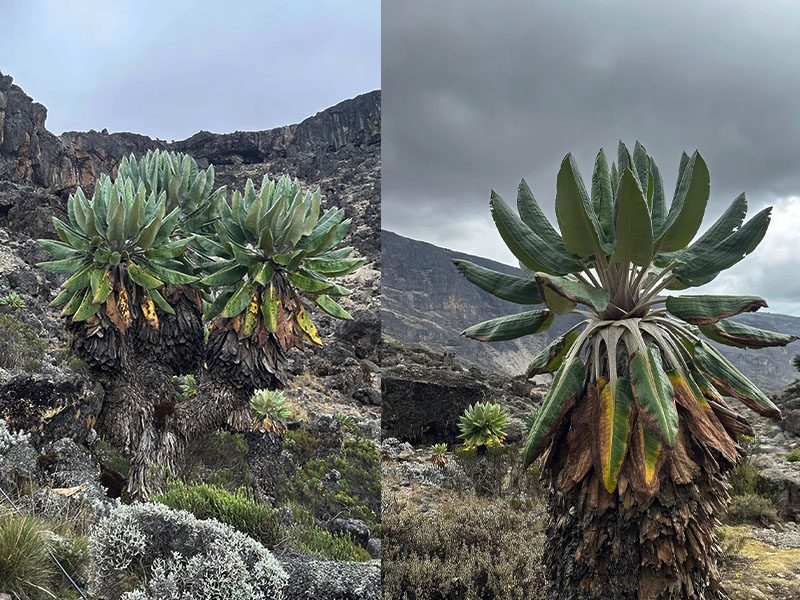
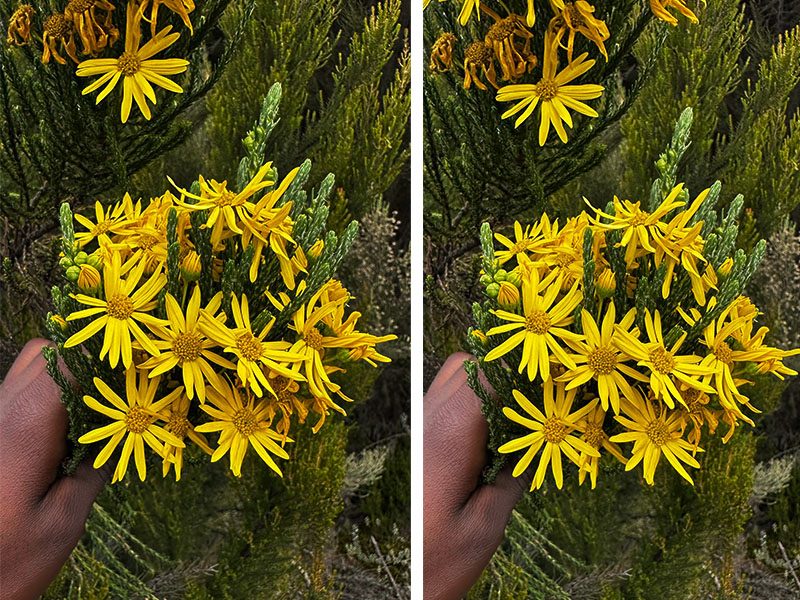
Giant groundsels in the alpine desert zone of Mount Kilimanjaro | Kili Quests
Surreal and beautiful — giant groundsels thrive in Kilimanjaro’s alpine desert.

Kilimanjaro Ecological Zones Overview

Kilimanjaro is divided into five main ecological zones, each shaped by elevation, temperature, and moisture levels. These zones are not just labels , they define what you see, feel, and experience during your climb.

Cultivation Zone (800–1,800 m)

At the base of the mountain, life is shaped by human activity. This zone is home to farms, villages, and fertile volcanic soil that supports agriculture.Banana trees, coffee plants, maize, and beans dominate the landscape, reflecting the deep connection between local communities and the mountain. The Chagga people, who have lived here for generations, rely on this land for their livelihoods.Wildlife here is limited compared to higher zones, but you will see birds, insects, and domesticated animals.
This zone matters because it represents the cultural foundation of Kilimanjaro , where your journey begins not just physically, but socially.

Rainforest Zone (1,800–2,800 m)

As you gain altitude, the landscape changes dramatically. The air becomes humid, the temperature drops slightly, and dense forest begins to surround you.The rainforest is the richest ecological zone on Kilimanjaro. Tall trees such as camphor and fig create a thick canopy, while moss, ferns, and epiphytes cover branches and trunks. This layered vegetation traps moisture, creating ideal conditions for life.
This is where most wildlife is found. You may see black-and-white colobus monkeys moving through the trees, hear birds calling overhead, or spot small antelopes hidden in the undergrowth.Guides often point out unique plants like Impatiens kilimanjari, a flower found only on Kilimanjaro.
 
Wildlife sightings are best during the right season see our best time to climb Kilimanjaro guide.
 
This zone is important not just for biodiversity, but also for acclimatization. The gradual start helps your body adjust before higher altitudes.
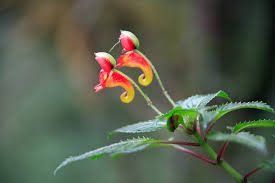
Impatien kilimanjarica flower blooming on Mount Kilimanjaro | Kili Quests
Impatiens kilimanjarica -Delicate beauty — this bright flower grows only on Kilimanjaro.
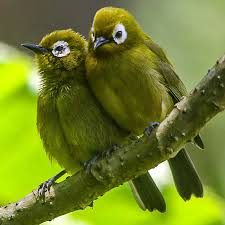
Kilimanjaro White-eye bird perched on a branch in the mountain forest | Kili Quests
A rare gem of the mountain — the Kilimanjaro White-eye is found nowhere else on Earth.

Moorland Zone (2,800–4,000 m)

As the forest fades, the landscape opens into a wide, dramatic environment known as the moorland. Trees disappear, replaced by shrubs, grasses, and some of the most unusual plants on the mountain.
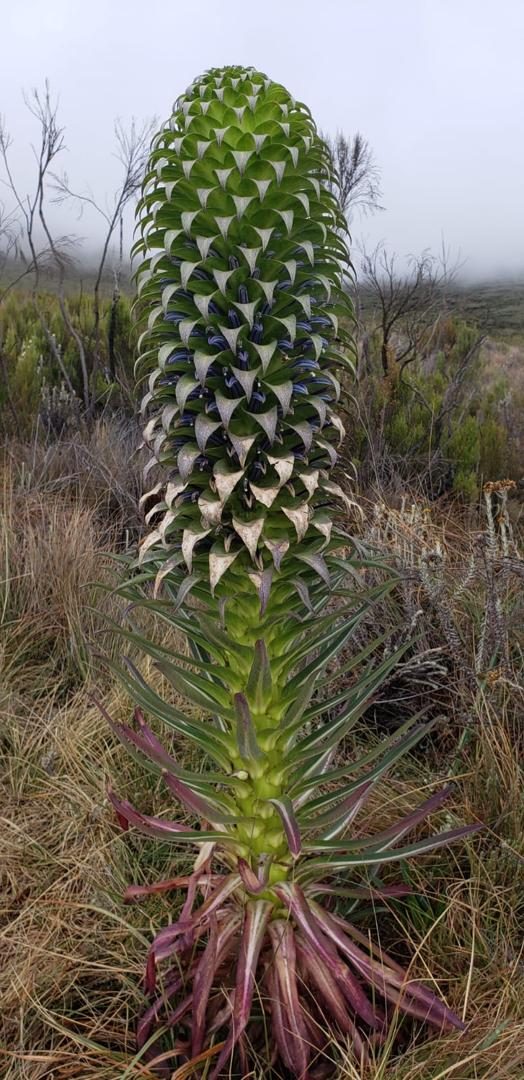
Here you will find giant lobelias and groundsels , plants that have adapted to extreme temperature changes. During the day, they store heat, and at night, they protect themselves from freezing conditions.
The environment feels quieter and more exposed, with fewer animals but more striking views. Birds like sunbirds and ravens are still present, and small mammals may be seen occasionally.
 
Nights become colder here , see our Kilimanjaro night temperature guide.
 
This zone is where many climbers begin to truly feel the altitude, making it both physically and visually significant.
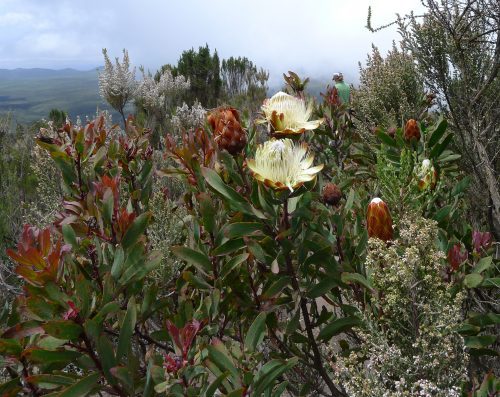
Protea kilimandscharica flowering shrub in the heath zone of Mount Kilimanjaro | Kili Quests
Protea kilimandscharica is a hardy flowering shrub found in Kilimanjaro’s high-altitude Moorland zone showcasing nature’s resilience and beauty.
Lobelia deckenii growing in the moorland zone of Mount Kilimanjaro | Kili Quests
Lobelia deckenii is a giant rosette plant adapted to Kilimanjaro’s moorland, storing water to survive freezing temperatures and harsh winds.

Alpine Desert Zone (4,000–5,000 m)

Above the moorland, the environment becomes harsh and minimal. The alpine desert is cold, dry, and windy, with intense sunlight during the day and freezing temperatures at night.
Vegetation is sparse. Only small grasses, lichens, and hardy alpine plants survive here. Wildlife is rare, though you may still see white-necked ravens flying above or near camps.
The lack of life is not a sign of emptiness , it is a reflection of how extreme conditions shape survival.
This zone challenges both the environment and the climber, making preparation essential.
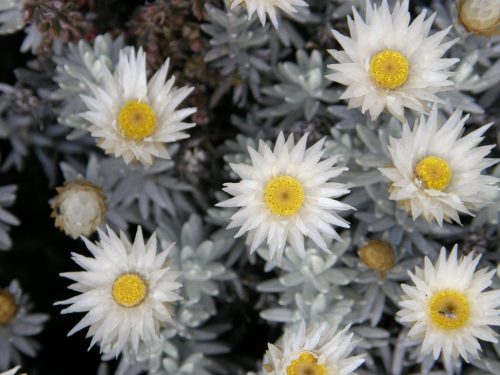
Everlasting flower, blooming near Kilimanjaro’s summit | Kili Quests
Timeless beauty — the Everlasting flower blooms near the summit, undisturbed by frost and wind.
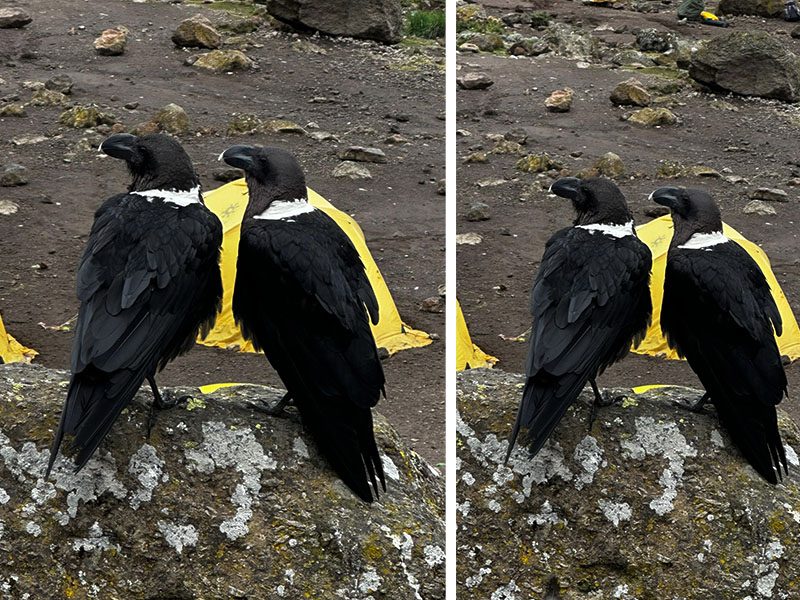
White-necked Raven gliding above the slopes of Mount Kilimanjaro | Kili Quests
A clever companion — White-necked Ravens often soar alongside trekkers in the high zones.

Arctic Summit Zone (5,000–5,895 m)

At the highest point, life almost disappears entirely. The summit zone is defined by glaciers, ice, and thin air.There are no plants, and only rare microorganisms may survive in sheltered areas. Occasionally, a bird may pass through, but this environment is largely lifeless.Reaching this zone feels otherworldly  a complete contrast to the lush rainforest below.This final stage represents the extreme end of Kilimanjaro’s ecological range.

Why Kilimanjaro Has So Many Ecosystems

Kilimanjaro’s diversity is driven by altitude.As you climb, temperature drops by roughly 6°C for every 1,000 meters. Rainfall is highest in the forest zone and decreases as you ascend. These changes create completely different environments within a short distance.This is what makes Kilimanjaro unique , few places in the world allow you to experience so many ecosystems in a single trek.
 
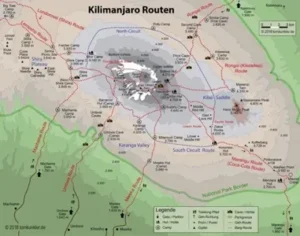
Your route determines how you experience these zones , explore our Kilimanjaro routes guide.

Rare and Endemic Species on Kilimanjaro

Some plants and animals found on Kilimanjaro exist nowhere else:
  • Dendrosenecio kilimanjari (giant groundsel)
  • Lobelia deckenii
  • Impatiens kilimanjari
  • Kilimanjaro white-eye bird
These species have adapted to survive extreme conditions, making them an important part of the mountain’s identity.
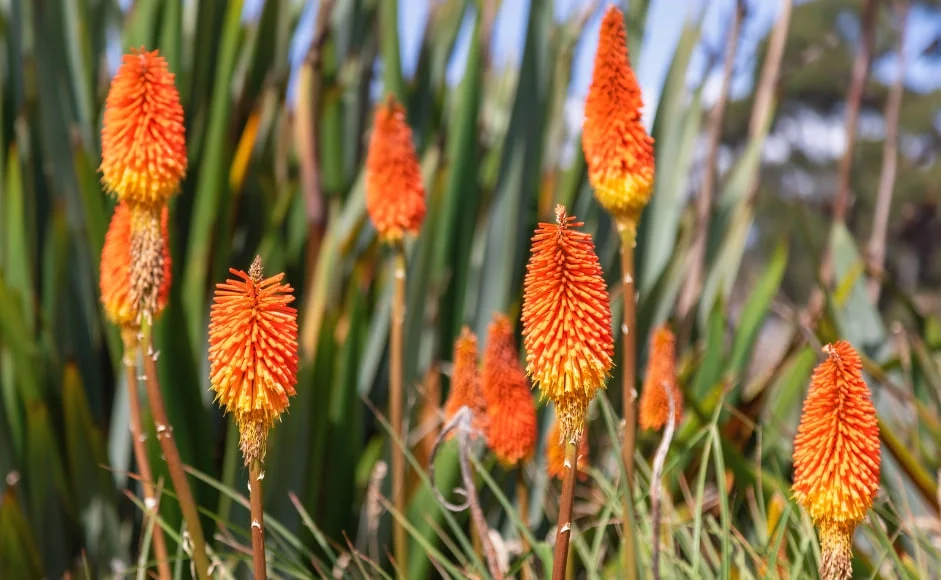
Kniphofia thomsonii, the Red Hot Poker flower, growing on Mount Kilimanjaro | Kili Quests
A burst of fire in the mist — Red Hot Poker adds striking color to Kilimanjaro’s slopes.
Camphor wood tree (Ocotea usambarensis) in the lower montane rainforest of Mount Kilimanjaro | Kili Quests
Towering with a quiet scent — camphor wood trees stand tall in Kilimanjaro’s misty rainforest.

Conservation and Climate Concerns

Kilimanjaro’s glaciers are shrinking, and climate change is already affecting vegetation patterns. Some plant species are shifting higher up the mountain, while others struggle to survive.
This makes responsible trekking more important than ever.
How Trekkers Can Help
  • Stay on designated trails
  • Avoid littering
  • Support ethical operators
  • Respect wildlife and plant life
Every visitor plays a role in protecting this ecosystem.
Various wildflowers growing across the natural zones of Mount Kilimanjaro | Kili Quests
From forest to summit, Kilimanjaro’s slopes are home to countless wildflowers — each adding color to the journey.
Wild daisy flower growing in the heath zone of Mount Kilimanjaro | Kili Quests
Simple and radiant — wild daisies bring charm to Kilimanjaro’s open slopes.

Tips for Wildlife and Plant Spotting

  • Be quiet in the rainforest for better sightings
  • Use binoculars in the moorland
  • Ask your guide — local knowledge is key
  • Avoid touching plants or disturbing animals
Your experience improves when you slow down and observe.
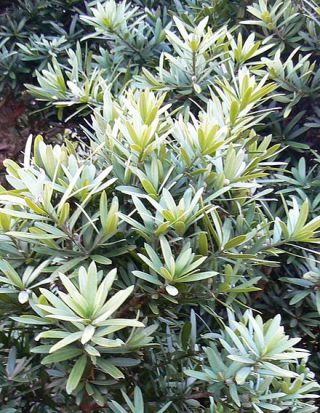
Tall Podocarpus tree in the lush montane forest of Mount Kilimanjaro | Kili Quests
Ancient and evergreen — Podocarpus trees guard the quiet paths of Kilimanjaro’s rainforest.
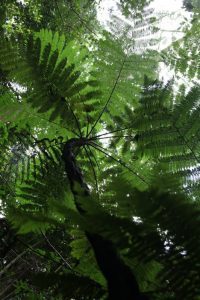
Cyathea tree fern unfolding in the lush rainforest of Mount Kilimanjaro | Kili Quests
Prehistoric elegance — tree ferns like Cyathea thrive in Kilimanjaro’s misty lower forests.

Frequently Asked Questions About Kilimanjaro’s Flora and Fauna

What animals live on Mount Kilimanjaro?

Several animals live on Mount Kilimanjaro, especially in the rainforest and moorland zones. These include Blue Monkey, black-and-white colobus monkeys, bushbucks, duikers, and many bird species such as hornbills and sunbirds.

What plants are unique to Mount Kilimanjaro?

Some plants found on Mount Kilimanjaro are rare or endemic, meaning they grow naturally only in this region. Examples include Dendrosenecio kilimanjari, Lobelia deckenii, and Impatiens kilimanjari.

Which zone on Kilimanjaro has the most wildlife?

The rainforest zone of Mount Kilimanjaro contains the richest biodiversity. This area has dense vegetation, abundant rainfall, and ideal conditions for animals, birds, insects, and plant species.
 

Are there animals near the summit of Kilimanjaro?

Very few animals live near the summit of Mount Kilimanjaro because of extreme cold and low oxygen. However, birds such as the White-necked Raven are sometimes seen flying near the higher camps and summit areas.

Can climbers see wildlife during a Kilimanjaro trek?

Yes. Many climbers see wildlife during the early days of their trek through the rainforest and moorland zones of Mount Kilimanjaro. Monkeys, birds, and unique alpine plants are common sights along several routes.

Why are Kilimanjaro’s plants so unusual?

Plants on Mount Kilimanjaro have adapted to extreme temperature changes. For example, giant lobelias and groundsels store water and protect themselves from freezing temperatures during cold nights.

Experience the Mountain Beyond the Climb

Kilimanjaro is more than a climb ,it is a journey through changing ecosystems.From fertile farmland to icy summit, every step reveals something new about nature and adaptation.
At Kili Quests, we help you experience the mountain fully , not just reach the top.
 
 Contact us to start planning your Kilimanjaro adventure.

Related Articles