Maximize Your Summit Success

Climb with the right strategy and experienced local support.

Plan for a Successful Kilimanjaro Summit

Reaching the summit depends on preparation, route choice, and pacing.

OUR CATEGORIES

Kilimanjaro Success Rate by Route: Which Route Has the Highest Summit Success?

Climbing Mount Kilimanjaro, Africa’s highest mountain at 5,895 meters (19,341 feet), is a life-changing adventure for thousands of trekkers every year. One of the most common questions climbers ask when planning their trip is: What is the success rate of climbing Kilimanjaro?
 
Choosing the right route is one of the biggest factors in success , compare all options in our Kilimanjaro routes comparison guide.
 
While many people attempt to reach the summit of Uhuru Peak, not everyone succeeds. The likelihood of reaching the summit depends on several factors, including the route chosen, the number of days on the mountain, acclimatization time, and overall preparation.In this guide, we explore the Kilimanjaro success rate by route, explain why some routes have higher success rates than others, and share tips to improve your chances of reaching the summit.
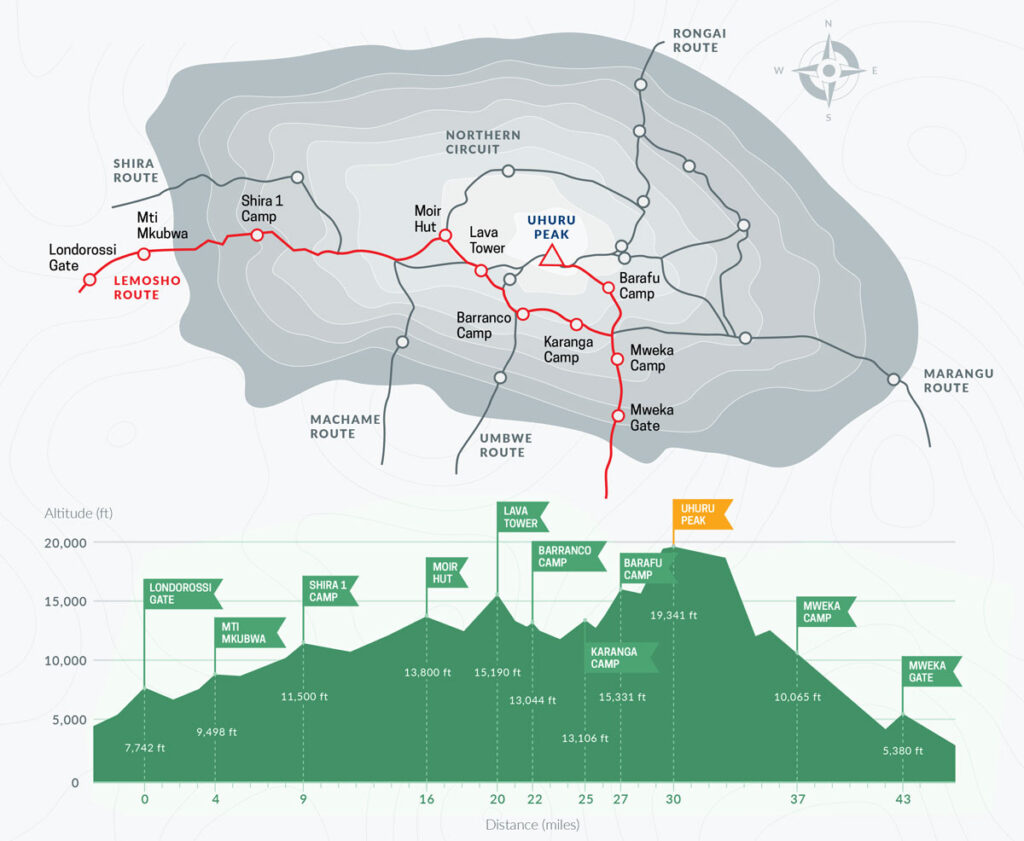
Lemosho Route map on Mount Kilimanjaro with full trail, elevation profile, and camp locations to Uhuru Peak
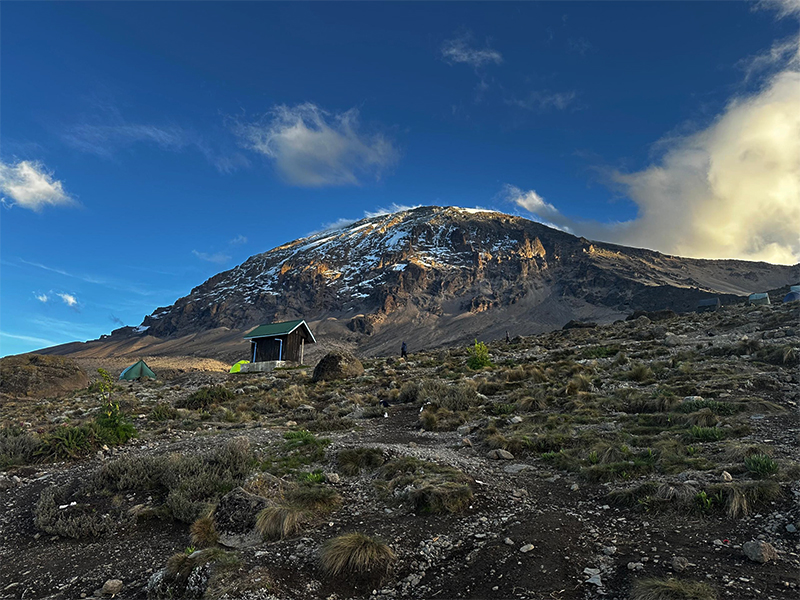
Trekkers climb Mount Kilimanjaro on a longer route with better acclimatization and higher summit success rates.

Table of Contents

What Is the Average Kilimanjaro Success Rate?

The overall success rate for climbing Mount Kilimanjaro is estimated to be between 65% and 75%.This overall average doesn’t tell the full story , success rates vary widely depending on your itinerary. See the full Kilimanjaro itinerary breakdown to understand how daily structure affects acclimatization.However, this number varies greatly depending on the route and itinerary. Shorter routes that ascend quickly tend to have lower success rates because climbers have less time to acclimatize to the high altitude.Longer routes with gradual ascents usually offer higher summit success rates, giving trekkers more time to adapt to lower oxygen levels as they climb.
 
Rapid altitude gain increases the risk of altitude sickness , learn how to properly acclimatize on Kilimanjaro to improve your chances.

Kilimanjaro Success Rate by Route

Each Kilimanjaro route has a different summit success rate based on its length, acclimatization profile, and difficulty. Below is a comparison of the most popular routes on Mount Kilimanjaro.
 
Marangu Route ……………….50–60%
Machame Route……………….70–80%
Lemosho Route………………..85–90%
Northern Circuit……………….90–95%
Rongai Route……………………70–80%
Umbwe Route…………………..50–60%
 
These percentages may vary slightly depending on the itinerary and the guiding company.

Machame Route Success Rate

Success Rate: 70–80%

The Machame Route, often called the “Whiskey Route,” is one of the most popular Kilimanjaro climbing routes.It offers a good balance of scenery, acclimatization, and challenge, which helps improve summit success rates. The Machame Route typically takes 6 to 7 days, allowing climbers to gradually adjust to the altitude.Because of its acclimatization profile and longer itinerary options, the Machame Route has a significantly higher success rate than shorter routes like Marangu.
 

Lemosho Route Success Rate

Success Rate: 85–90%

The Lemosho Route is widely considered one of the best routes for climbing Kilimanjaro.Starting on the western side of the mountain, this route offers beautiful scenery and a gradual ascent that allows climbers to acclimatize effectively. Most Lemosho climbs take 7 to 8 days, which significantly improves the chances of reaching the summit.Because of its longer duration and excellent acclimatization profile, Lemosho has one of the highest success rates on the mountain.

Marangu Route Success Rate

Success Rate: 50–60%

The Marangu Route, also known as the “Coca-Cola Route,” is one of the oldest and most traditional routes on Kilimanjaro.It is the only route that offers hut accommodation instead of tents, which makes it appealing to some climbers.However, the standard Marangu itinerary typically takes only 5 days, which means climbers gain altitude quickly with limited time for acclimatization. This is one reason why the Marangu Route has a lower success rate compared to longer routes.

Northern Circuit Success Rate

Success Rate: 90–95%

The Northern Circuit Route has the highest success rate of all Kilimanjaro routes.This route takes 8 to 9 days, making it the longest route on the mountain. The extended itinerary allows climbers plenty of time to acclimatize, greatly increasing their chances of reaching Uhuru Peak.In addition to its high success rate, the Northern Circuit offers quieter trails and spectacular views around the northern slopes of Kilimanjaro.

Rongai Route Success Rate

Success Rate: 70–80%

The Rongai Route approaches Kilimanjaro from the northern side near the Kenyan border.
It is one of the quieter routes on the mountain and offers a gradual ascent, which helps with acclimatization. Rongai climbs usually take 6 to 7 days, giving trekkers a reasonable chance of reaching the summit.
Because it is less crowded than other routes, some climbers prefer Rongai for a more peaceful trekking experience.

Umbwe Route Success Rate

Success Rate: Around 50–60%

The Umbwe Route is known as the steepest and most direct route on Mount Kilimanjaro.
Because it ascends quickly with fewer acclimatization days, it has one of the lowest success rates on the mountain. Umbwe is generally recommended only for experienced trekkers who are confident in their ability to handle rapid altitude gain.

Why Some Kilimanjaro Routes Have Higher Success Rates

The biggest factor affecting summit success on Kilimanjaro is acclimatization.
Routes with longer itineraries allow climbers to adjust gradually to the decreasing oxygen levels at higher elevations. This significantly reduces the risk of altitude sickness.
Other factors that influence success include:
  • The number of days spent on the mountain
  • The experience of the guiding team
  • Physical preparation before the climb
  • Weather conditions
  • Proper hydration and pacing
Choosing a longer route and climbing with experienced guides can greatly improve your chances of reaching the summit.
 
Altitude is the biggest challenge on the mountain , understand the real risks in our guide to Kilimanjaro altitude sickness and safety.
Mount Kilimanjaro rising alone above the African savanna, with snowcapped summit and open sky
Trekkers follow a longer Kilimanjaro route where gradual ascent improves acclimatization and summit success.

Tips to Improve Your Kilimanjaro Summit Success

Climbing Kilimanjaro is challenging, but the following tips can increase your chances of reaching the top.

Choose a Longer Route

Routes lasting 7 to 9 days provide better acclimatization and significantly improve summit success rates.

Train Before Your Climb

Preparing with hiking, cardio exercises, and strength training helps your body handle long trekking days.Physical preparation plays a key role , follow our Kilimanjaro training plan to build endurance before your trek.

Walk Slowly

On Kilimanjaro, guides often remind climbers to walk “pole pole”, meaning slowly. A slower pace helps your body adjust to the altitude.Many climbers underestimate the difficulty , see exactly how hard Kilimanjaro is before your climb.

Stay Hydrated

Drinking plenty of water helps prevent dehydration and reduces the risk of altitude sickness.

Listen to Your Guides

Experienced mountain guides monitor climbers closely and adjust the pace to ensure safety and success.

Frequently Asked Questions

What is the easiest Kilimanjaro route to reach the summit?

 The Northern Circuit Route generally has the highest summit success rate because it allows the most time for acclimatization.

Which Kilimanjaro route has the lowest success rate?

The Umbwe Route typically has the lowest success rate due to its steep ascent and shorter acclimatization time.

Does a longer climb increase success rates?

Yes. Routes lasting 7–9 days significantly improve acclimatization and increase summit success.

How many people reach the summit of Kilimanjaro each year?

Approximately 30,000 to 35,000 climbers attempt Kilimanjaro each year, and most who choose longer routes successfully reach Uhuru Peak.

Can beginners successfully climb Mount Kilimanjaro?

Yes. Many beginners successfully climb Kilimanjaro each year. With proper training, gradual acclimatization, and experienced guides, first-time climbers can safely reach the summit.

Ready to Climb Mount Kilimanjaro?

Choosing the right route is one of the most important decisions when planning a Kilimanjaro climb. Routes with better acclimatization profiles give climbers the best chance of reaching the summit safely.At Kili Quests, our experienced local guides help climbers choose the best route based on their fitness level, schedule, and experience. With carefully planned itineraries and a professional support team, we maximize your chances of standing on Uhuru Peak, the highest point in Africa.

Related Articles