Table of Contents

What You Need to Know About Tanzania: Mountain Weather and Climate | Kili Quests

Tanzania is a land of contrasts — from lush lowland rainforests to the frozen summit of Mount Kilimanjaro. If you’re planning a trek with Kili Quests, understanding mountain weather is essential to prepare properly for your adventure.

Whether you’re climbing Kilimanjaro, exploring Mount Meru, or trekking through national parks, this guide explains how Tanzania’s weather changes with elevation and season, so you’re never caught off guard.
 
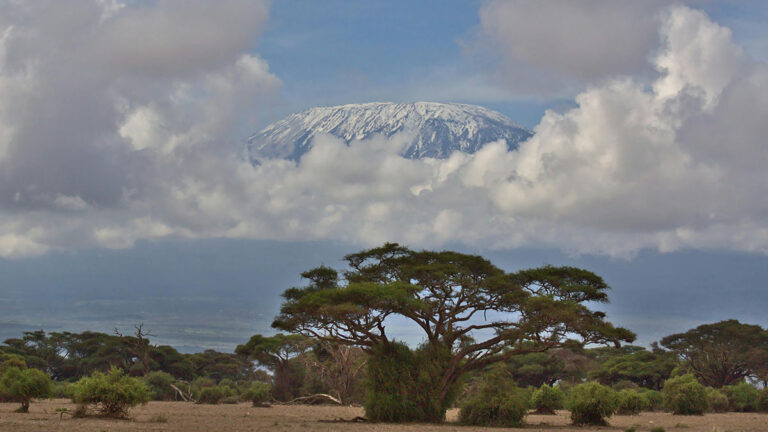
Best Time to Climb Kilimanjaro – Match your climb to the driest and most scenic season for a safer summit.
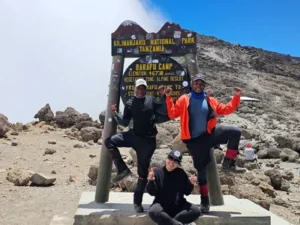
Happiness is found between a smile and the next adventure

Tanzania’s Mountain Weather: Seasonal Overview

Tanzania has two primary weather seasons:
  •  Wet Season: March to May (long rains)
  •  Dry Season: June to October (ideal for trekking)
  • Short Rains: November to early December — lighter, less frequent rain
However, mountain weather also depends heavily on altitude, not just the season. Temperatures can drop quickly as you ascend, and sudden changes in wind, cloud cover, or rain are common.
 
Safari Timing Article – Weather affects both trekking and safari plans — combine them wisely.

Weather by Altitude: What to Expect on Kilimanjaro and Beyond

1.Tropical Zone (1,000m – 2,000m)
  • Temperature: 20°C – 30°C (68°F – 86°F)
  • Weather: Warm and humid; lush rainforest and grasslands
  • Expect: Rain showers during wet season, clear skies in dry months
2. Temperate Zone (2,000m – 4,000m)
  • Temperature: 10°C – 20°C (50°F – 68°F), colder at night
  • Weather: Cooler, with alpine vegetation
  • Expect: Clearer views, moderate temperatures — especially on the Machame Route

3. Alpine Zone (4,000m – 5,500m)
  • Temperature: -5°C to 10°C (23°F – 50°F)
  • Weather: Thin air, strong sun during the day, freezing nights
  • Expect: Harsh winds and snow above 4,500m — prepare for summit day
4. Arctic Zone (Above 5,500m)
  • Temperature: -10°C or lower (14°F and below)
  • Weather: Ice, snow, and biting wind at the summit
  • Expect: Extreme cold and low oxygen — layering and acclimatization are key
Night Temperatures – Prepare for freezing nights above 3,000 meters with the right gear.

How Seasons Affect Climbing Conditions

 Dry Season (June – October)
  • Best time to climb Mount Kilimanjaro
  • Trails are dry, views are spectacular
  • High season: expect more climbers

Short Rains (November – December)
  • Trekking is still possible with lighter rain
  • Quieter trails, but occasional showers at lower levels
 Long Rains (March – May)
  • Not ideal for trekking
  • Trails can be slippery or muddy
  • Routes like Machame may close due to poor conditions
Ecological Zones – Each zone has its own weather patterns — see how the climate shifts as you ascend.
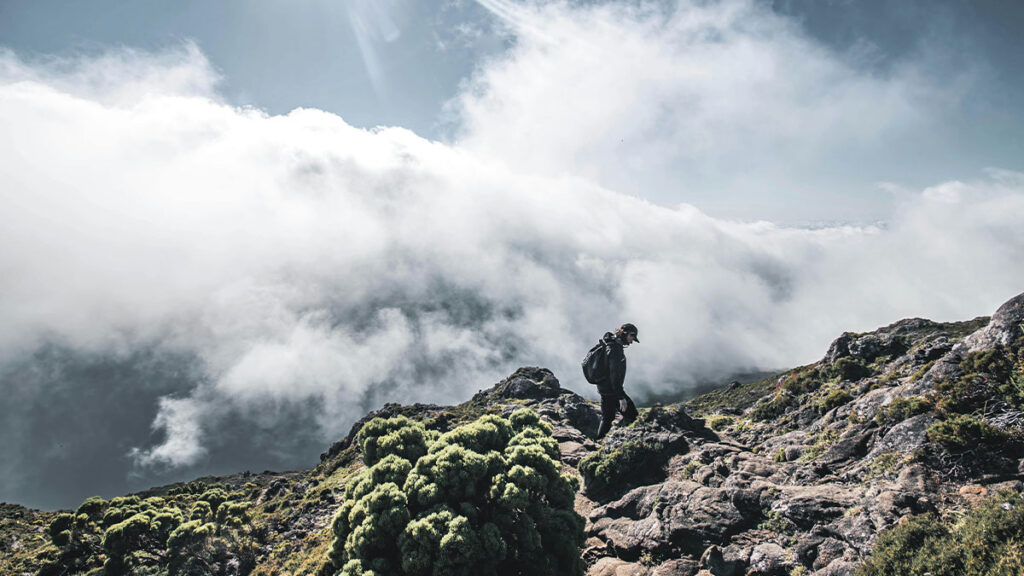
Long strides, cool air, and endless views — moorland magic on the trail.

How to Prepare for Mountain Weather in Tanzania

 No matter the route or season, weather on Kilimanjaro and other Tanzanian peaks requires serious preparation:
Dress in Layers:
  • Moisture-wicking base layers
  • Insulating mid-layers
  • Waterproof outer layers
Thermal Gear for Summit:
  • Gloves, thermal socks, balaclava, and down jacket for arctic zone
Footwear:
  • Waterproof, broken-in hiking boots with good grip
Sun Protection:
  • Sunglasses, sunscreen, and sun hat for alpine exposure
 Emergency Preparedness:
  • First aid kit, rain cover, and extra thermal gear

What Kili Quests Offers

At Kili Quests, your safety and success are our top priorities. We ensure you’re fully prepared for all mountain weather conditions with:
  • Wilderness First Responder-trained guides
  • Pre-trek briefings based on seasonal weather updates
  • Flexible itineraries in case of shifting weather patterns

Frequently Asked Questions

How does weather affect trekking in Tanzania?

Weather in Tanzania can change quickly, especially in mountainous areas. Trekkers may experience warm temperatures at lower elevations and freezing conditions near the summit. Understanding seasonal weather and altitude changes helps climbers prepare properly for their adventure.

How cold does it get on Mount Kilimanjaro?

Temperatures near the summit can drop to −10°C (14°F) or lower, especially during summit night. While lower slopes may feel warm and humid, the upper zones are extremely cold due to high altitude and strong winds.

What is the best season for mountain trekking in Tanzania?

The dry season from June to October is generally considered the best time for trekking because trails are drier and visibility is clearer. Another good period is January to March, when conditions are relatively stable and the skies are often clear.

Why does temperature change so much on Kilimanjaro?

Temperature changes mainly because of altitude differences. As climbers ascend higher on the mountain, the air becomes thinner and colder, causing temperatures to drop significantly between the rainforest base and the arctic summit zone.

What clothing should you bring for mountain weather in Tanzania?

Trekkers should pack layered clothing, including moisture-wicking base layers, warm insulating jackets, and waterproof outer shells. Gloves, thermal socks, and a down jacket are especially important for colder high-altitude conditions.

Can weather change quickly on Mount Kilimanjaro?

Yes. Weather conditions on Kilimanjaro can shift rapidly within a single day. Climbers may experience sunshine, rain, wind, or even snow at higher elevations, which is why proper gear and preparation are essential for a safe trek.

Be Weather-Ready, Be Adventure-Ready

Tanzania’s mountains offer spectacular views, rich ecosystems, and unforgettable summit moments — but only if you’re prepared for the weather.

Book your adventure today with Kili Quests Contact us for route advice, weather planning, and expert guidance Come prepared, and summit with confidence

Related Articles