Table of Contents

Kilimanjaro’s Volcanic Cones: Kibo, Mawenzi & Shira

Africa’s Towering Volcano

Mount Kilimanjaro is not just a mountain — it’s a massive dormant volcano, and one of the most iconic natural formations in the world. But did you know Kilimanjaro is actually made up of three separate volcanic cones?
These cones — Kibo, Mawenzi, and Shira — each have their own story, shape, and role in forming what we now call Mount Kilimanjaro.
In this article, we’ll explore:
  • What each cone is
  • How they were formed
  • Whether any are still active
  • What trekkers can see today
Each volcanic cone supports different ecosystems — explore the five ecological zones here
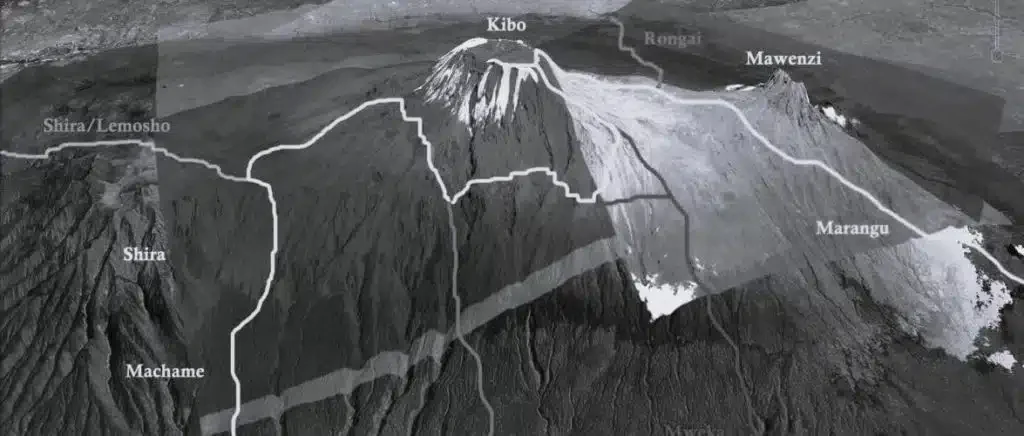
Mount Kilimanjaro’s three volcanic peaks — Kibo, Mawenzi, and Shira seen from above
Kilimanjaro’s structure was shaped by three volcanoes: Kibo, Mawenzi, and the eroded Shira

The Three Cones of Mount Kilimanjaro

 Kilimanjaro is a stratovolcano, meaning it was built by multiple layers of lava and ash over time. Here’s a breakdown of each cone:

 Kibo – The Highest and Youngest Cone

  •  Altitude: 5,895 m / 19,341 ft
  • Status: Dormant (but not extinct)
  • Location: Central cone and summit of Kilimanjaro
Kibo is the tallest and most famous cone — it’s where Uhuru Peak, the highest point in Africa, is located.
It last erupted around 360,000 years ago, but volcanic activity still exists beneath. Scientists have measured gas emissions and geothermal vents near the crater, especially in the Reusch Crater, which trekkers can visit.
Most climbing routes (Lemosho, Machame, Marangu, Rongai, etc.) aim for the summit of Kibo.See how Kilimanjaro’s volcanic history was explored by early mountaineers like Hans Meyer.
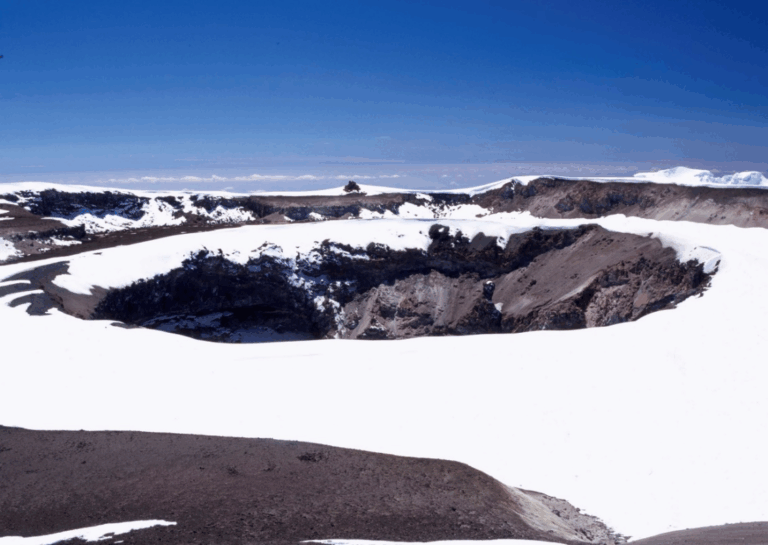
Glacial snow and ice covering the crater rim of Mount Kilimanjaro during dry season ascent | Kili Quests
Kilimanjaro’s crater rim wrapped in snow and ancient ice — a glimpse into the mountain’s glacial past.
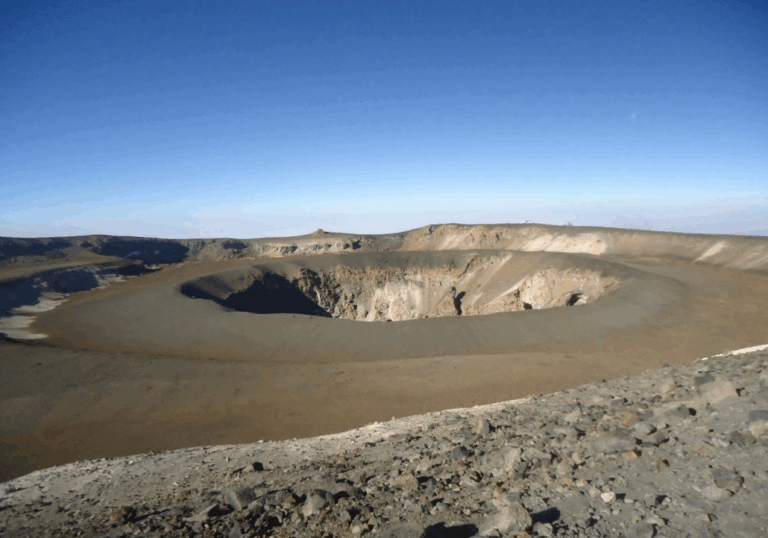
Dry, snowless crater rim of Mount Kilimanjaro showing volcanic rock and summit trail | Kili Quests
The exposed crater rim reveals Kilimanjaro’s raw volcanic structure — dramatic, vast, and wind-carved by time.

Mawenzi – The Jagged and Technical Cone

  • Altitude: 5,149 m / 16,893 ft
  • Status: Extinct
  • Location: East of Kibo
Mawenzi is the second-highest cone and known for its dramatic, jagged peaks. Unlike Kibo, it’s not climbable for trekkers — only technical climbers with equipment can attempt it due to sharp ridges and steep drops.
Trekkers often camp at Mawenzi Tarn, a stunning alpine lake near the base of Mawenzi on the Rongai Route.
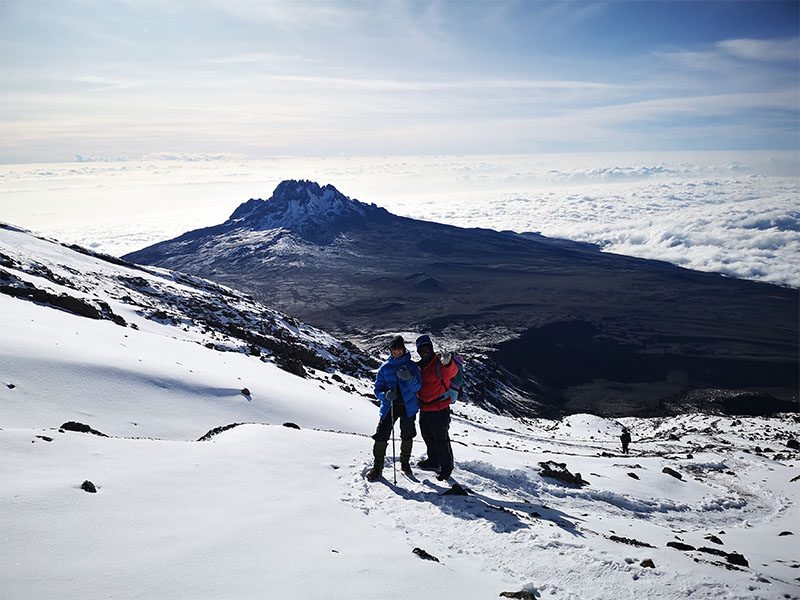
View of Mawenzi Peak rising above the clouds as seen from Stella Point on Mount Kilimanjaro
From Stella Point, trekkers are rewarded with a dramatic view of Mawenzi — Kilimanjaro’s second highest volcanic cone

Shira – The Oldest and Eroded Cone

  • Altitude: Originally ~4,000 m+, now mostly eroded
  • Status: Extinct
  • Location: West of Kibo
Shira is the oldest of the three cones and has collapsed over time into a plateau. It’s now known as the Shira Plateau, a beautiful area trekkers pass through on the Shira Route or Lemosho Route.
Although it no longer looks like a cone, it’s an important part of Kilimanjaro’s volcanic history.

How the Cones Formed: Kilimanjaro’s Volcanic Timeline

Scientists believe Kilimanjaro’s formation occurred in three major phases:

Shira Cone (2.5 million years ago)

  • Formed first and later collapsed into a caldera
Mawenzi Cone (1 million years ago)
  • Rose east of Shira, then became extinct
Kibo Cone (500,000 years ago)
  • Formed between the two and is still technically dormant today
Volcanic eruptions shaped the mountain for centuries, and glacial erosion carved the landscape into the shape we see now.Gilman’s Point sits on the crater rim — here’s how it connects to Kilimanjaro’s volcanic shape

 Is Kilimanjaro Still Active?

Technically, yes — Kilimanjaro is dormant, not extinct. While there’s been no major eruption for over 360,000 years, signs of activity remain:
  • Fumaroles and vents inside Kibo’s crater
  • High ground temperatures in some summit areas
  • Minor seismic activity monitored by scientists
But don’t worry — Kilimanjaro is considered safe to climb, and geologists monitor the region closely. The summit of Kibo cone is called Uhuru Peak — find out what this name truly means.

What Climbers Can See Today

  • Uhuru Peak on Kibo: The famous summit point on the crater rim
  • Reusch Crater: At the center of Kibo’s summit, with ash pits and geothermal vents
  • Mawenzi Tarn: A remote, stunning alpine camp near the base of Mawenzi
  • Shira Plateau: A wide, open volcanic plain with ancient lava flows and panoramic views
Each cone adds a layer of beauty and mystery to the mountain — and makes the trek a walk through volcanic history.
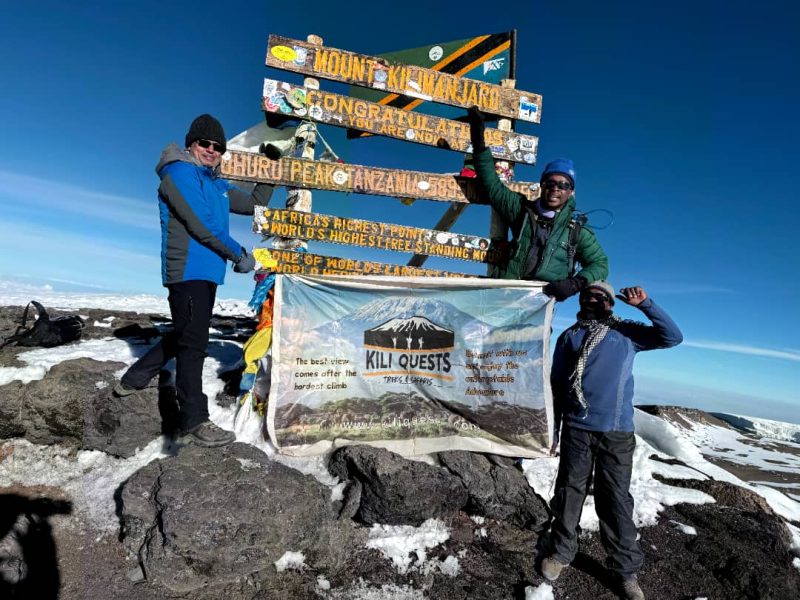
Smiling climber at Uhuru Peak holding a flag or sign after a successful Kilimanjaro ascent | Kili Quests
Standing at Uhuru Peak — the highest point in Africa and the summit of Mount Kilimanjaro, named in honor of Tanzania’s independence

Frequently Asked Questions About Kilimanjaro’s Volcanic Cones

How many volcanic cones does Mount Kilimanjaro have?

Mount Kilimanjaro is made up of three volcanic cones: Kibo, Mawenzi, and Shira. These cones formed during different volcanic phases over millions of years and together created the massive mountain seen today. Each cone has its own geological history and landscape.

Which volcanic cone is the highest on Kilimanjaro?

The highest cone is Kibo, which reaches 5,895 meters (19,341 feet) above sea level. Kibo contains the summit of Kilimanjaro, known as Uhuru Peak, the highest point in Africa and the main goal for climbers attempting the trek.

Is Mount Kilimanjaro an active volcano?

Kilimanjaro is considered a dormant volcano rather than an active one. Although the last major eruption occurred hundreds of thousands of years ago, scientists have detected geothermal activity such as gas emissions and warm ground areas inside Kibo’s crater.

Can climbers reach all three volcanic cones of Kilimanjaro?

Trekkers typically climb only the Kibo cone, where the summit is located. Mawenzi is extremely steep and jagged, making it suitable only for technical climbers, while Shira has collapsed into a plateau that trekkers often cross on routes like Lemosho or Shira.

What is the Shira Plateau on Kilimanjaro?

The Shira Plateau is the eroded remains of the oldest volcanic cone of Kilimanjaro. Over time, the original cone collapsed and formed a wide volcanic plateau that trekkers pass through when climbing via routes on the western side of the mountain.

What makes Kilimanjaro a stratovolcano?

Kilimanjaro is classified as a stratovolcano because it was built from many layers of lava, ash, and volcanic rock formed during repeated eruptions over millions of years. This layered structure helped create the massive mountain that dominates the surrounding plains of northern Tanzania.

Learn More and Plan Your Trek with Kili Quests

 Understanding the geology of Mount Kilimanjaro gives every trekker a deeper appreciation for what lies beneath their feet.At Kili Quests, our expert guides don’t just take you to the summit — they share the rich natural history, geology, and meaning behind every part of the mountain.
 
 Ready to climb across millions of years of volcanic history?
Contact Kili Quests today to plan your Kilimanjaro adventure.

Related Articles