Stay Safe on Kilimanjaro

Your health is key to reaching the summit safely.

Plan Your Kilimanjaro Climb

Good preparation makes your climb safer and easier.

OUR CATEGORIES

Essential Medication and Health Tips for Your Kilimanjaro Trek | Kili Quests

Climbing Mount Kilimanjaro is one of the most rewarding adventures in the world , but your success depends just as much on your health as your fitness.At high altitude, your body is under constant stress. Oxygen levels drop, temperatures fluctuate, and even small issues like dehydration or poor sleep can quickly affect your performance.
That’s why proper preparation is critical. With the right medication, awareness, and habits, you can reduce risks, stay strong, and improve your chances of reaching Uhuru Peak.
 
Before your climb, it’s important to understand how altitude affects your body on Kilimanjaro and why acclimatization plays such a key role in your success.
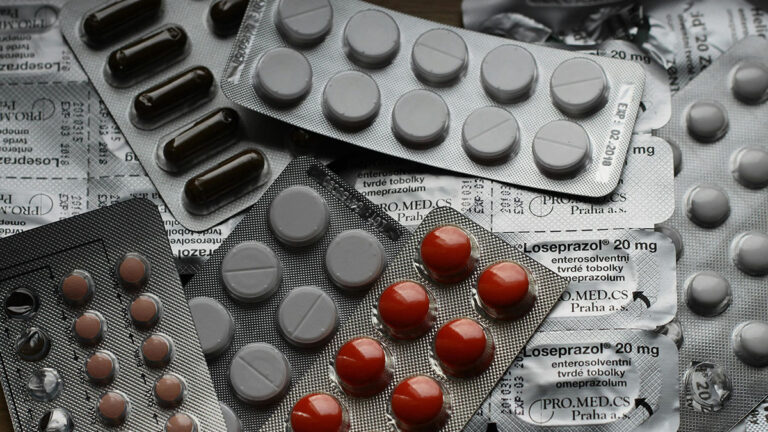
Painkiller carried for use during the climb

Essential Medication to Bring for Kilimanjaro

Altitude Sickness Medication

Altitude sickness is the most common challenge on Kilimanjaro. While proper acclimatization is your first defense, medication can support your body’s adjustment.
  • Diamox (Acetazolamide)  Helps speed up acclimatization (prescription required)
  • Ibuprofen or Paracetamol  Helps relieve headaches and mild discomfort
Always consult your doctor before taking Diamox or any prescription medication.
 
Learn more in Altitude Sickness on Kilimanjaro: What You Need to Know

Anti-Nausea Medication

At higher elevations, nausea can occur due to altitude, dehydration, or fatigue.
  • Dramamine / Gravol – Helps control nausea and dizziness

Personal Medications

If you take regular medication, bring enough for your entire trip:
  • Asthma inhalers
  • Allergy medication
  • Diabetes medication
  • Any prescribed treatment
Tip: Carry a doctor’s note explaining your medication for safety and travel purposes.

General Health Tips for Kilimanjaro

Stay Hydrated

Hydration is one of the most important factors in preventing altitude sickness.
  • Drink 3–4 liters of water daily
  • Use hydration systems (bottles or bladders)
  • Treat all water with purification tablets or filters

Protect Your Skin and Eyes

 Sun exposure increases with altitude and can cause serious damage.
  • SPF 30–50+ sunscreen
  • SPF lip balm
  • UV-protection sunglasses
  • Hat for sun protection

Pack a Personal First Aid Kit

Your guides carry medical kits, but having your own essentials helps manage small issues quickly.
Include:
  • Blister pads and bandages
  • Antiseptic wipes
  • Antihistamines
  • Anti-diarrheal medication
For full preparation, see the Kilimanjaro packing list

Altitude Sickness — Know the Warning Signs

Recognizing symptoms early can prevent serious complications.
Watch for:
  • Headache
  • Nausea or vomiting
  • Dizziness or fatigue
  • Loss of appetite
  • Difficulty breathing
Severe symptoms may include confusion, inability to walk, or extreme breathlessness.
 
If you’re unsure how serious Kilimanjaro can be, read Is Kilimanjaro Dangerous?
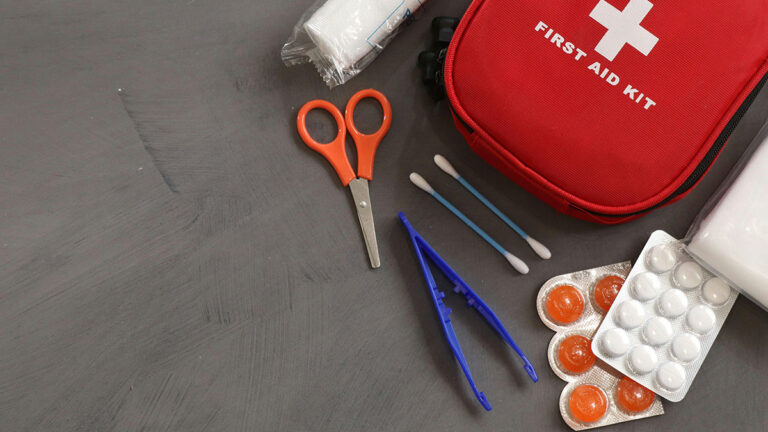
Essential first aid supplies for mountain safety.

Sleep, Rest, and Recovery at Altitude

 Recovery is just as important as hiking.
 

Improve Your Sleep

  •  Use earplugs and a sleep mask
  • Avoid alcohol
  • Keep warm at night

Manage Energy Levels

  • Eat small, frequent meals
  • Take breaks during the day
  • Follow your guide’s pace (“pole pole”)

Your body adapts to altitude during rest ,don’t underestimate recovery.

When to Seek Medical Help on the Mountain

Always communicate with your guide immediately if symptoms worsen.
Serious warning signs include:
  • Confusion or disorientation
  • Difficulty walking
  • Chest pain
  • Severe breathlessness
Your guide is trained to make decisions quickly , including descent if necessary.

Extra Health Tips for Kilimanjaro Success

  • Get travel insurance that covers high-altitude evacuation
  • Eat balanced meals rich in carbohydrates and protein
  • Stay warm and dry at all times
  • Avoid overpacking to conserve energy
 
Nutrition also plays a big role ,see what food is served on Kilimanjaro

Frequently Asked Questions About Health and Medication for Kilimanjaro Treks

What medications should you bring for a Kilimanjaro climb?

Trekkers climbing Mount Kilimanjaro commonly bring medications for altitude sickness, headaches, nausea, and digestive issues. These often include Acetazolamide for acclimatization, basic pain relievers like Ibuprofen or Paracetamol, anti-nausea medication, and personal prescription medicines.

Do you need Diamox for climbing Kilimanjaro?

Many trekkers use Acetazolamide to help their bodies adjust to high altitude. While it is not required, it can reduce symptoms of altitude sickness when used properly. Always consult a doctor before taking prescription medication before your trek.

What are the symptoms of altitude sickness on Kilimanjaro?

Common symptoms include headache, nausea, dizziness, fatigue, loss of appetite, and difficulty sleeping. If symptoms worsen, climbers may experience confusion, severe breathlessness, or loss of coordination. Guides monitor these signs carefully during climbs on Mount Kilimanjaro.

How can you prevent altitude sickness on Kilimanjaro?

The best prevention methods include slow ascent, proper acclimatization schedules, staying well hydrated, eating regularly, and getting enough rest. Many trekking itineraries also include acclimatization hikes to help the body adjust gradually to higher elevations.

Should you bring a personal first aid kit for Kilimanjaro?

Yes. While professional guides carry medical kits, trekkers should bring a small personal first aid kit with items like blister pads, antiseptic wipes, bandages, antihistamines, and anti-diarrheal medication. This helps manage minor issues quickly during the trek.

Is it safe to climb Kilimanjaro if you prepare properly?

Yes. With proper training, acclimatization, and support from experienced guides, climbing Kilimanjaro is considered a safe high-altitude trekking adventure. Good preparation, awareness of symptoms, and proper medical planning significantly improve both safety and summit success

 Stay Healthy and Summit with Confidence

 Your health is your summit strategy. With proper medication, hydration, protection, and awareness, you’ll give yourself the best shot at reaching Uhuru Peak.
 
Contact us today to  start planning your adventure with full health guidance and support at every step.

Related Articles