Table of Contents

Kilimanjaro & Safari Tipping Guide: How Much to Tip | Kili Quests

Tipping on Kilimanjaro and Safari – Why It Matters

Tipping is an important part of both your Kilimanjaro climb and safari experience. It’s a way to express appreciation for the hardworking guides, porters, cooks, and driver-guides who dedicate themselves to ensuring your safety, comfort, and success.
In this guide, we’ll cover:How much to tip on your Kilimanjaro trek ,Safari tipping guidelines Fair distribution of tips to ensure support for every member of the team.
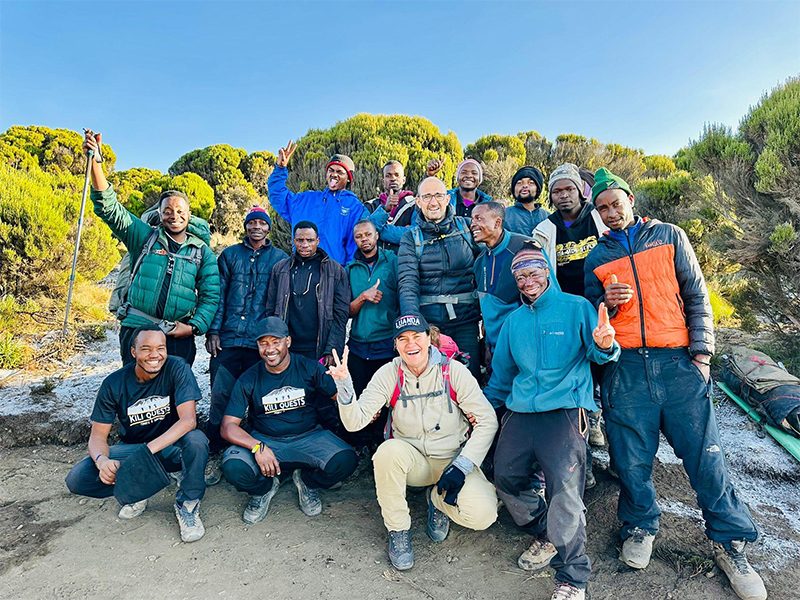
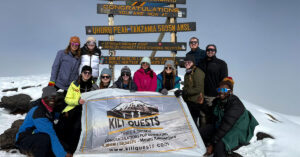
Kilimanjaro trekkers and porters smiling together at the end of a successful hike
Many trekkers tip after the descent — when the bond with their mountain crew has grown

 Kilimanjaro Tipping Guidelines

Your Kilimanjaro climb involves a dedicated support team, including guides, chefs, porters, and other crew members, all essential to your success.
When to Tip:
  • Tipping is done on the final day of the climb, during a short debriefing at your hotel. All tips should be handed to the Chief Guide, who will fairly distribute them among the team.
 
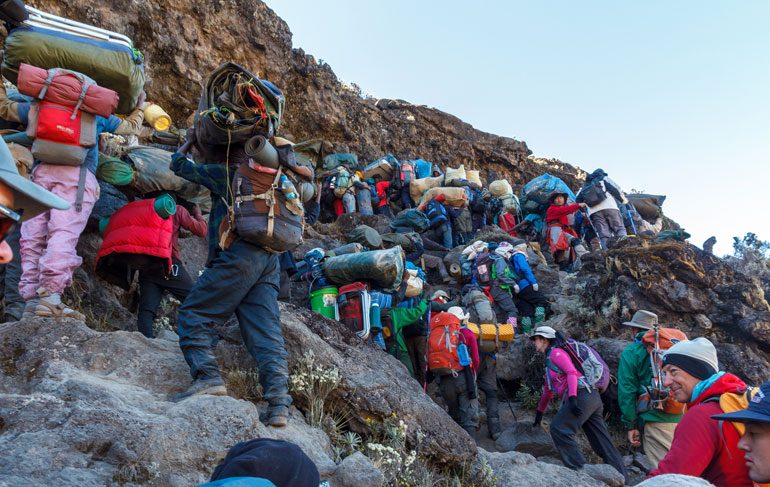
Kilimanjaro porter walking along the mountain trail with gear balanced on head
Porters walk long distances each day through tough terrain — carrying essential supplies that make your trek possible

Kili Quests Tipping Policy:

We recommend budgeting 20% to 25% of your total program cost per person for tipping.


Why 20%-25%?
  • Reflects Hard Work: This percentage fairly reflects the hard physical labor and long hours your crew commits each day.
  • Balanced Distribution: It ensures a fair distribution among all team members, from your lead guide to the support porters.
  • Simplified Process: The total tip is pooled and handed to the Chief Guide, who will divide it fairly based on team roles.

The Crew’s Essential Role

Each crew member plays a crucial role — from carrying your gear to cooking your meals, guiding you safely, and ultimately making your Kilimanjaro dream a reality.
Your tips support not just their work, but also their families and local communities.
 

Safari Tipping Guidelines | Kili Quests

Your safari experience is shaped by not just the wildlife and landscapes, but by the driver-guide who accompanies you. These guides are multi-skilled experts — they are your wildlife experts, logistics coordinators, and cultural interpreters.From sunrise game drives to navigating remote tracks and ensuring you reach each lodge or campsite safely, your guide is with you every step of the way.
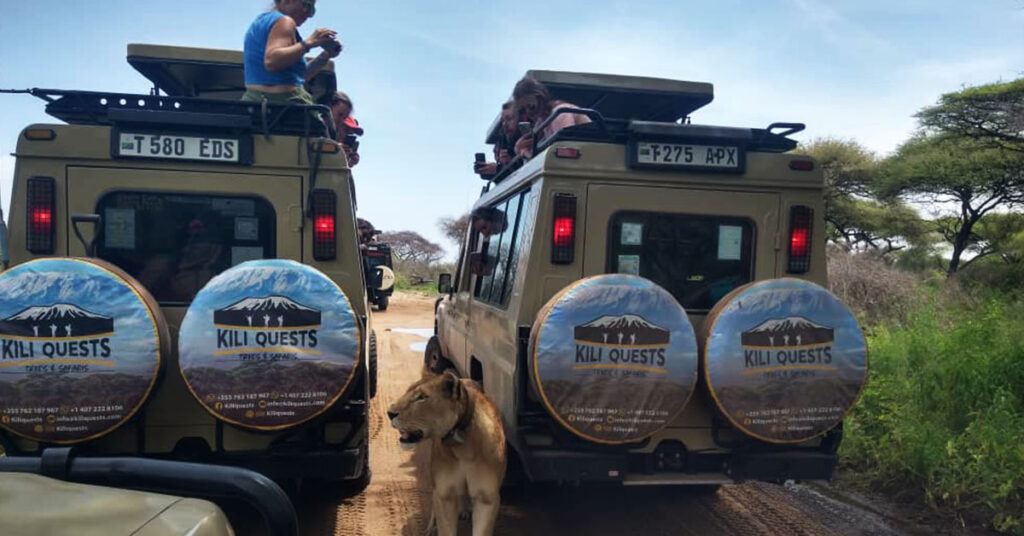
Lion walking between safari vehicles in Tanzania with guide inside the vehicle
Tipping your safari guide recognizes the skill and patience it takes to track wildlife and create unforgettable moments like this

Recommended Tip by Kili Quests

$50–$60 per vehicle, per day
  • This amount applies to the entire vehicle and not per person.
  • If you’re traveling as a group, you can split the total amount among all passengers.
  • The tip is typically given in cash at the end of the safari, either in an envelope or handed directly with a thank you.

Why Tip Safari Guides?

Safari guides often work long hours and face challenging conditions. Their responsibilities include:
  • Driving safely on rough, off-road terrain
  • Spotting and identifying animals — sometimes from great distances
  • Sharing insightful information about wildlife, ecosystems, and local culture
  • Coordinating your daily schedule, including lodge check-ins, meals, and activities
  • Handling unexpected situations (vehicle issues, weather changes, or animal movement) with professionalism
Tipping is a meaningful way to acknowledge their knowledge, hospitality, and dedication to your comfort and experience.
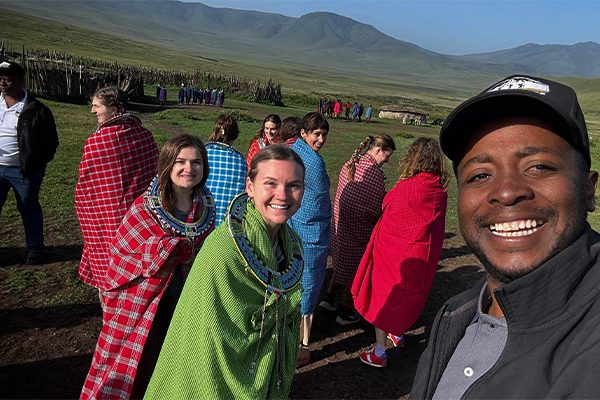
: Tourists visiting a Maasai boma in Tanzania, engaging with Maasai elders and families
A visit to a Maasai boma offers insight into traditional lifestyles, rituals, and values passed down for generations

Tipping Best Practices at Kili Quests

At Kili Quests, we treat our porters, guides, cooks, and driver-guides as part of our family. Tipping is an important way to show your appreciation, but we also emphasize fair wages, proper working conditions, and respect for all our staff. We believe ethical trekking and safari guiding go beyond the climb or game drive itself.

Frequently Asked Questions About Kilimanjaro and Safari Tipping

How much should you tip on a Kilimanjaro trek?

Tipping on a Kilimanjaro climb usually ranges from 20% to 25% of the total trek cost per person. This amount is shared among the mountain crew, including guides, cooks, and porters who support your journey on Mount Kilimanjaro.

Who receives tips during a Kilimanjaro climb?

Tips are distributed among the entire trekking team, including the lead guide, assistant guides, cooks, and porters. These crew members work together to carry gear, prepare meals, set up camps, and support trekkers throughout the climb.

When should you give tips on a Kilimanjaro trek?

Tipping usually takes place on the final day of the trek, often during a short debriefing at the hotel after descending the mountain. The tip is normally handed to the lead guide, who distributes it fairly among the team.

How much should you tip a safari guide in Tanzania?

For safaris in Tanzania, a common recommendation is $50–$60 per vehicle per day for the driver-guide. If several people share the vehicle, the tip can be split among all passengers.

Why is tipping important on Kilimanjaro and safari trips?

Tipping is a way to show appreciation for the hard work, expertise, and dedication of the team supporting your trip. On Kilimanjaro climbs and safaris, staff often work long hours to ensure safety, comfort, and a successful travel experience.

Can tips be given in US dollars on Kilimanjaro or safari?

Yes. US dollars are widely accepted for tipping in Tanzania. Most trekking companies recommend bringing small denominations of clean, newer bills(from 2005 to current) to make tip distribution easier at the end of your trip.

Plan Your Kilimanjaro Trek and Safari with Kili Quests

When you choose Kili Quests, you’re not just choosing a company. You’re choosing to support the local community, uplift our dedicated team, and embark on a journey that respects both the people and the mountain or wildlife.
 Ready to climb with a company that values its people?
 
Contact Kili Quests today to plan your Kilimanjaro adventure or safari Experience.

Related Articles