Table of Contents

Hygiene on Mount Kilimanjaro: Showers, Water, and Staying Fresh While Trekking

Maintaining good hygiene during your Mount Kilimanjaro trek is essential for your health and overall comfort. At high altitudes, staying clean becomes more difficult due to limited facilities and rugged conditions — but with the right gear and mindset, you can stay fresh and confident throughout your journey.

 Stay healthy on the mountain with our expert hygiene tips, water safety advice, and simple cleanliness routines.
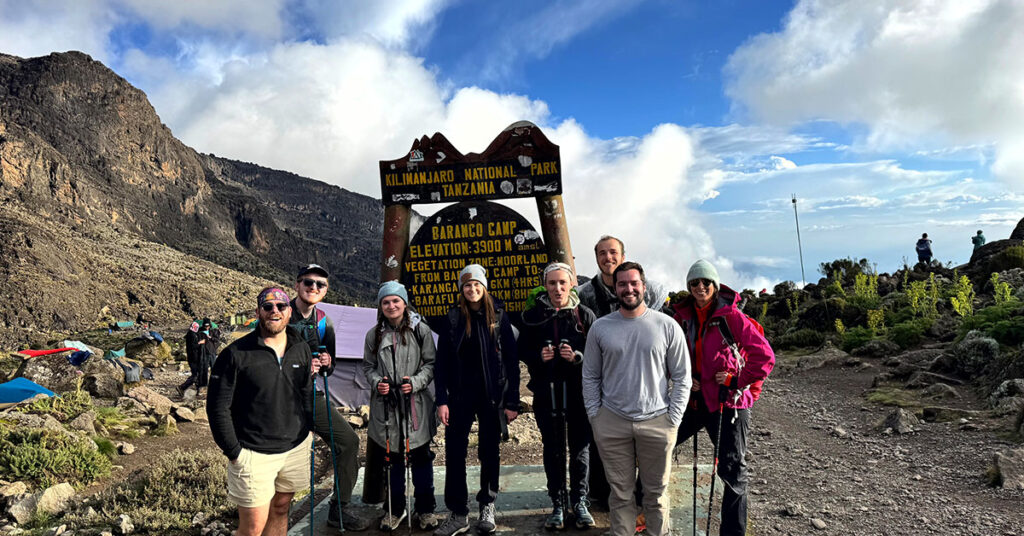
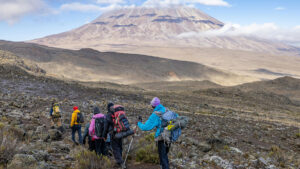
Smiles and strength at Baranco Camp — halfway to Uhuru Peak.

Showers on Kilimanjaro: What You Can Expect

Many trekkers worry about going several days without a shower. While it’s true that showers aren’t available at every campsite, Kili Quests offers portable hot showers as part of our Premier Package.
Premier Package Showers
  • Select camps include private shower tents for Premier trekkers. Our team sets up warm, clean water units — so you can enjoy a refreshing rinse after a long hike. This comfort feature is ideal for those who want added cleanliness during the trek.

How to Stay Clean Without Showers

If you’re not using the Premier Package, there are still great ways to stay clean and refreshed:
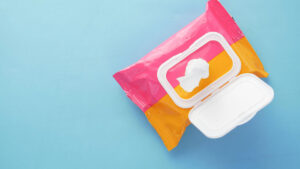
  • Hygiene wipes and wet towels: Lightweight and effective for wiping down at camp.
  • Sponge baths: Your porters will provide a small bowl of water for washing face, hands, and underarms.
  • Dry shampoo or body powder: Useful to absorb sweat and reduce odors.
 Don’t forget to double-check your hygiene supplies in our Kilimanjaro Packing List.

Water on Kilimanjaro: Hydration and Hygiene

Water is vital not only for hydration but also for cleaning. Here’s what to expect:
Water Sources
  • Your guides purify water from mountain streams using filtration and tablets. This water is safe for drinking and for basic cleaning.
Personal Hygiene Water
  • Porters provide limited amounts of water for face and handwashing. Use sparingly. A collapsible water bottle is helpful for keeping some clean water with you.
 Staying Hydrated
  • Trekking at high altitudes requires 3–4 liters of water per day. Hydration supports your body’s adjustment to altitude and helps avoid sickness — don’t neglect it.
Discover how to keep your gear clean and powered up on the mountain
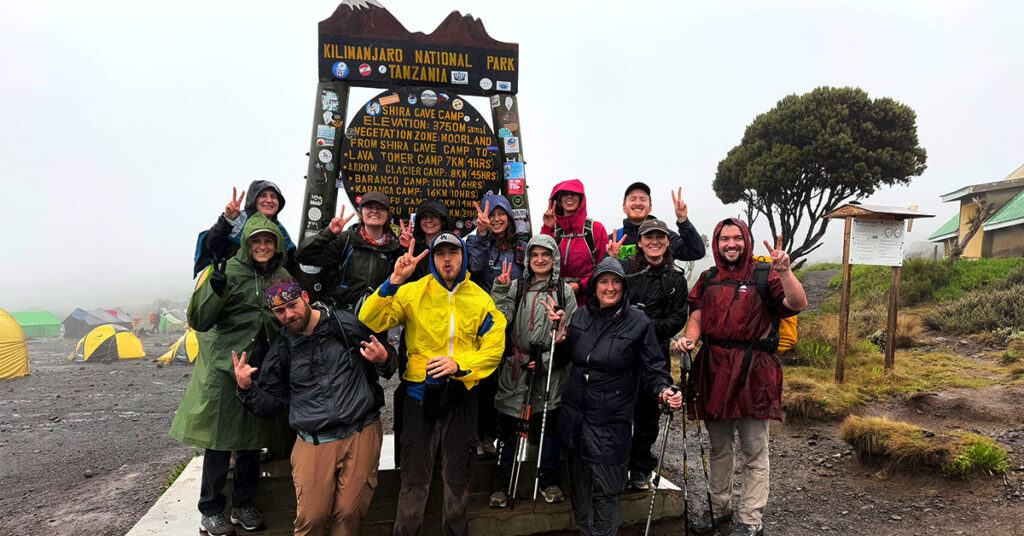
Light rain falls as one of our trekkers arrives at Shira Cave — embracing every part of the mountain’s mood.

Staying Fresh & Comfortable on the Trail

Even without daily showers, small routines help you stay clean:
  • Change clothes daily: Quick-dry shirts, clean socks, and undergarments make a huge difference.
  • Foot care: Air out your feet at camp, use foot powder, and change socks to prevent blisters.
  • Deodorant & spray: Travel-sized options help manage odor.
  • Breath refreshers: Gum or mints keep your mouth feeling fresh on the trail.
Tip: Keep your hygiene kit easily accessible in your daypack.
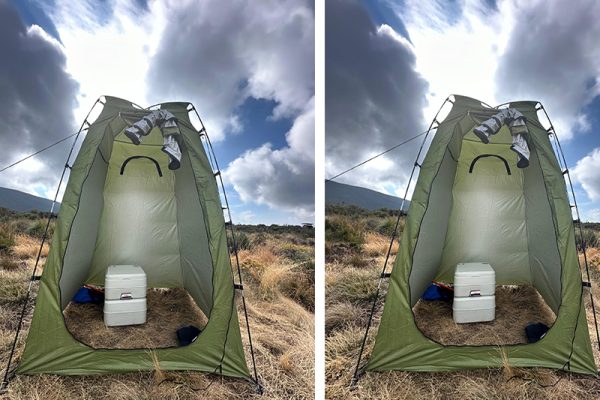
Portable toilet tent setup on Mount Kilimanjaro with private enclosure and toilet box for trekkers
Private Toilet Tent – Clean and discreet portable toilet setup used on Kilimanjaro treks.

Respecting the Environment: Clean Trekking Practices

Kilimanjaro is a UNESCO World Heritage site — let’s help protect it.
  • Use biodegradable soap and wipes only.
  • Carry your waste: Never leave tissue or plastic behind. Kili Quests provides trash bags at every camp.
  • Avoid overuse of water from natural sources — it’s a shared resource.

Personal Hygiene Kit: What to Pack

Here’s what to bring for a clean trek:

  • Hygiene wipes or wet towels
  • Biodegradable soap
  • Small washcloth or sponge
  • Quick-dry clothes and underwear
  • Foot powder
  • Deodorant
  • Toothbrush and toothpaste
  • Breath mints or gum
  • Moisture-wicking socks
  • Small quick-dry towel

 Kilimanjaro Trek Health & Medication Tips – Good hygiene supports your health — especially at altitude.

Frequently Asked Questions About Hygiene on Kilimanjaro

Are there showers on Mount Kilimanjaro?

Showers are generally not available on standard trekking routes on Mount Kilimanjaro. However, some premium trekking packages offer portable shower tents with warm water at selected camps. Most trekkers rely on hygiene wipes, sponge baths, and fresh clothing to stay clean during the climb.

How do trekkers stay clean while climbing Kilimanjaro?

Trekkers usually stay clean by using wet wipes, small wash basins, and quick-dry towels  . Changing into clean clothes each evening and maintaining good foot care are also important ways to stay comfortable during the multi-day trek.

Is the water on Kilimanjaro safe for washing and drinking?

Yes. Trekking crews collect water from mountain streams and purify it using filtration systems, boiling, or purification tablets. This treated water is safe for drinking and basic hygiene while trekking on Kilimanjaro.

Are there toilets on Mount Kilimanjaro?

Yes. Public toilets are located at most official campsites within Kilimanjaro National Park. Some trekking companies also provide private portable toilet tents Including us, which offer a cleaner and more comfortable option during the trek.

What hygiene items should you pack for a Kilimanjaro climb?

Important hygiene items include wet wipes, biodegradable soap, a small quick-dry towel, toothbrush and toothpaste, deodorant, foot powder, and extra socks. These essentials help trekkers stay fresh and comfortable during the several days spent on the mountain.

Why is hygiene important when trekking Kilimanjaro?

Good hygiene helps prevent illness, skin irritation, and infections during a long trek at high altitude. Staying clean, washing hands regularly, and keeping gear dry can improve comfort and support overall health throughout the climb.

Ready to Trek Kilimanjaro with Comfort?

Ready to Trek Kilimanjaro with Comfort?
If you value comfort and cleanliness, choose Kili Quests’ Premier Package for access to hot showers, private toilets, and expert mountain support.
 
Contact us today to book your trek and upgrade your Kilimanjaro experience — because adventure should never mean discomfort.

Related Articles