Choose the Best Safari Season

We help you pick the right time, parks, and itinerary for your Tanzania safari.
Plan Your Trip Better

OUR CATEGORIES

Best Time to Visit Tanzania for Safari: Month-by-Month Guide

Tanzania is one of the best safari destinations in Africa, but there is no single “perfect” month for every traveler. The best time to visit depends on what you want from the experience. Some people want dry-season game viewing with easy wildlife sightings. Others want to see the wildebeest calving season in the southern Serengeti, enjoy greener landscapes, or travel when prices and crowds are lower.
 
That is why choosing the right time for your safari matters. Season affects wildlife visibility, road conditions, scenery, migration activity, and even how busy the parks feel. Before choosing your travel dates, it also helps to understand your Tanzania safari cost, because season can affect accommodation rates and overall trip pricing.
 
In this guide, we explain the best time to visit Tanzania for safari by season, park, and travel goal, so you can choose the right months for your trip with confidence.

Is There a Best Time for Safari in Tanzania?

Yes, but it depends on what kind of safari you want.
 
Tanzania offers excellent safari opportunities throughout the year because its major parks support large resident wildlife populations. You can visit the Serengeti, Ngorongoro Crater, Tarangire, and Lake Manyara in different seasons and still have a rewarding experience. What changes is the style of safari you get.
 
During the dry season, wildlife is usually easier to spot because animals gather around rivers, waterholes, and permanent water sources. Vegetation is thinner, roads are generally easier to drive, and the weather is more predictable. This is why June to October is often considered the best overall safari period, especially for first-time visitors. If you are planning your first trip, our Tanzania safari tips for first-time visitors will help you understand what to expect before you go.
 
But the dry season is not the only good time to go. January and February are excellent for the wildebeest calving season in the southern Serengeti. March to May brings greener landscapes, fewer vehicles, and lower rates in some lodges. November and December can also be attractive for travelers who want a quieter safari with pleasant scenery and good birdlife.
 
So the real question is not just “When is the best time for safari in Tanzania?” It is: best for what?
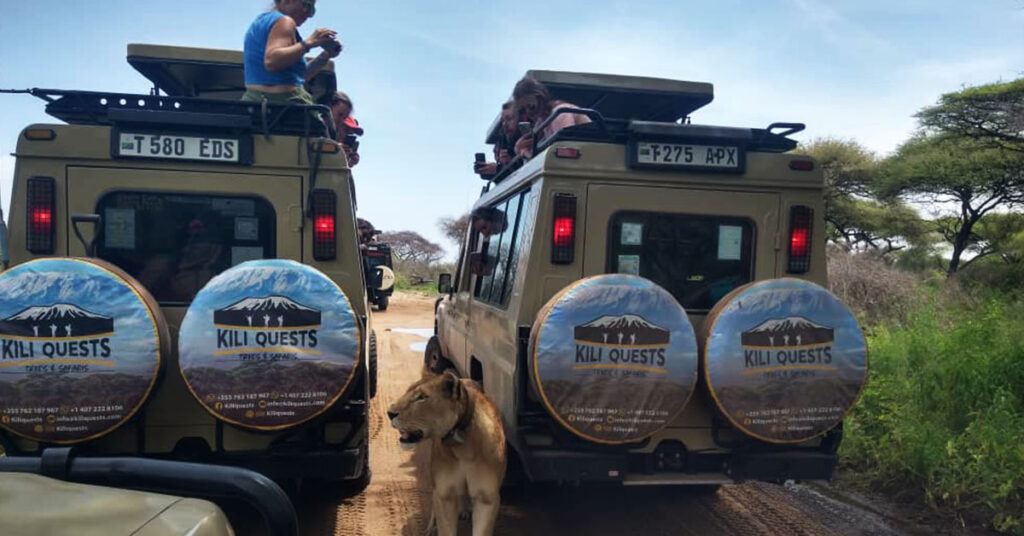
Lion walking between safari vehicles in Tanzania with guide inside the vehicle
Guests witnessing a wild lion up close during a Kili Quests safari adventure.

Tanzania Safari Seasons at a Glance

 Tanzania’s safari year can be broken into four useful periods:

June to October – Dry Season

This is the most popular time for safari in Tanzania. Wildlife viewing is generally at its easiest, and many travelers choose this period for classic game drives in the northern parks.

November to December – Short Rains

These months often bring lighter rains, greener scenery, and fewer crowds than peak season. Safari is still very good in many areas.

January to February – Calving Season

This is one of the most exciting safari periods in the southern Serengeti and Ndutu area, where wildebeest give birth and predators remain close behind.

March to May – Green Season / Long Rains

This is the wettest part of the year in many safari areas. It is quieter, greener, and often better for birdwatching, though some routes and camps may be affected by heavy rain.If you are still deciding how long your trip should be, read how many days you need for a Tanzania safari before locking in your dates, because trip length can affect which season works best for you.

Best Time for Safari in Tanzania by Season

Dry Season (June to October)

For many travelers, this is the best time to visit Tanzania for safari.
 
The dry season makes wildlife easier to find because water becomes more limited and animals tend to gather in predictable areas. Grass is shorter, bush cover is thinner, and visibility across the landscape is better than during wetter months. These conditions make game drives more productive, especially for first-time safari travelers who want strong chances of seeing large mammals in a short period.
 
The weather is another reason this season is so popular. Days are generally dry and sunny, roads are more reliable, and dust is usually more manageable than mud. In the northern circuit, parks such as Serengeti National Park, Tarangire National Park, and Ngorongoro Crater perform especially well during this period.
 
Tarangire is one of the biggest dry-season winners because its river attracts large numbers of animals, especially elephants. Serengeti remains excellent, with strong general wildlife viewing and migration activity shifting through different parts of the ecosystem. Ngorongoro Crater is productive year-round, but the dry months often make sightings feel easier and more consistent.
 
This is also the best time for travelers who want a classic safari experience with reliable wildlife viewing, easier road conditions, and lower chances of weather disruption.

Short Rains and Shoulder Season (November to December)

These months are often overlooked, but that is a mistake.
 
The short rains usually do not shut down safari in northern Tanzania. Instead, they often refresh the landscape, reduce dust, and create greener scenery without fully disrupting game viewing. Crowds are lighter than in peak dry season, which means a calmer experience in popular parks and lodges.
 
This period can be especially appealing for travelers who want a balance between good wildlife sightings and a less crowded atmosphere. Many parks still offer strong safari conditions, and the changing scenery can make the experience feel more dramatic and photogenic.
 
Birdwatching also improves during greener months, as migratory species become more active in many areas. For travelers who care about scenery as much as wildlife density, this can be a very rewarding time to go. Lake Manyara National Park safari guide
 
If you do not need peak-season dryness, November and December can offer excellent value and a more relaxed safari pace.

Calving Season (January to February)

If your dream is to see one of the most dramatic wildlife events in East Africa, this is one of the best times to go.
 
During January and February, the southern Serengeti and Ndutu plains become the center of the wildebeest calving season. Huge herds gather on the short-grass plains, and thousands of calves are born within a relatively short period. This concentration of vulnerable young animals also attracts predators, creating intense wildlife activity and extraordinary photography opportunities.
 
This is not the same as the famous river-crossing scenes many people associate with the Great Migration, but it is one of the most exciting phases of the migration cycle. The open plains, large herds, and active predator-prey interactions make this period especially rewarding for experienced safari travelers, photographers, and repeat visitors who want something different from the standard dry-season trip. Great Migration in Tanzania guide 
 
The weather is often favorable too, with warm temperatures and generally pleasant conditions before the heavier long rains arrive.
 
For travelers focused on migration timing, calving season is one of the strongest safari windows in Tanzania.

Green Season / Long Rains (March to May)

This is the least popular safari period, but that does not mean it has no value.
 
From March to May, many safari areas receive heavier rainfall. The landscape becomes lush and green, skies can be dramatic, and visitor numbers are usually much lower than during dry-season months. For some travelers, that quieter atmosphere is a major advantage.
 
This period can be especially attractive for birdwatchers and photographers who enjoy richer scenery and softer, moodier light. Some lodges may offer lower rates, and game drives can feel more private because there are fewer vehicles in the parks.
The tradeoff is that wildlife is often less concentrated around water sources, which can make sightings less predictable. Some roads may become muddy, and access to certain camps or remote areas can be affected depending on conditions.
 
Ngorongoro Crater remains one of the more reliable safari options even during wetter months because of its dense resident wildlife population. Other parks can still be rewarding, but expectations should be different. This is less about chasing the easiest sightings and more about enjoying a greener, quieter, and often more
 
budget vs luxury Tanzania safari 

Best Time to Visit Tanzania Safari Parks

Different parks perform differently throughout the year, so choosing the best time also depends on where you plan to go.

Serengeti National Park

Serengeti is a year-round safari destination, but what you see depends heavily on where the migration is at that time. From January to February, the southern Serengeti and Ndutu area are best for calving season. In the dry season, wildlife viewing remains excellent across large parts of the park, and different regions of the ecosystem host migration movement at different times.
 
This is why it helps to think beyond the idea that the Serengeti has only one “best” month. It has different strong periods depending on whether you want calving season, general game viewing, or migration-related movement. For a deeper breakdown of regions, wildlife, and timing, Serengeti National Park safari guide.

Ngorongoro Crater

 Ngorongoro Crater is one of the most reliable safari destinations in Tanzania throughout the year. Because wildlife is resident inside the crater, you can have strong game viewing in both dry and greener months. This makes it a smart choice for travelers who want a park with consistent wildlife regardless of season.
 
It is especially useful during wetter months, when some other areas may feel more seasonal.  Ngorongoro Crater safari guide 

Tarangire National Park

Tarangire is strongest during the dry season, when wildlife gathers around the Tarangire River and large elephant herds become easier to see. In peak dry months, this park can deliver some of the most impressive elephant viewing in northern Tanzania.
 
Outside the dry season, Tarangire can still be scenic, but the concentration of animals is usually less dramatic than it is when water sources are limited.  Tarangire National Park safari guide.

Lake Manyara National Park

Lake Manyara is often appreciated for its scenery, birdlife, groundwater forest, and varied habitats. It can work well in both drier and greener periods, especially for travelers combining it with other northern circuit parks. It may not always be the main wildlife highlight of a trip, but it adds variety and can be especially attractive when the landscape is green.Lake Manyara National Park safari guide.
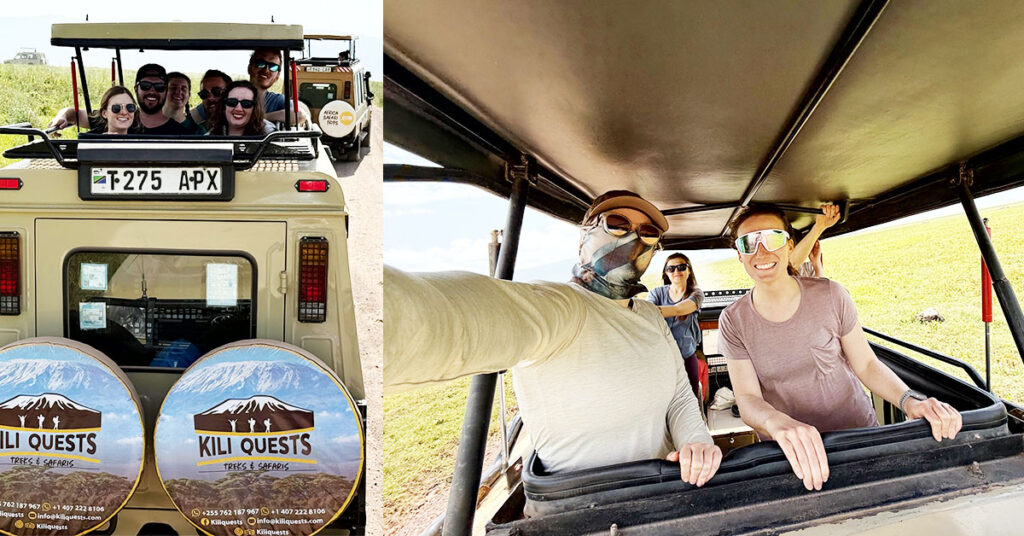
Inside the Kili Quests safari vehicle: every seat has a view, and every moment is worth a selfie.

Best Time for Safari in Tanzania by Travel Goal

Sometimes the easiest way to choose your safari timing is to start with your main goal.

Best Time for First-Time Safari Travelers

If this is your first safari, June to October is usually the safest choice. Wildlife is easier to see, the weather is drier, and game drives are more straightforward. This is the season that gives most first-time visitors the classic safari they imagine. Before booking, it is also worth reading what is included in a Tanzania safari package so you know exactly what services, park fees, and logistics are covered.

Best Time to See the Great Migration

The Great Migration moves through the Serengeti ecosystem across the year, so the best time depends on which phase you want to see. If you are focused on calving season, January and February are key. If you want to travel during the dry season when migration herds are active in other regions of the Serengeti, June to October is also important.
 
The mistake many travelers make is assuming the migration is a single event in one place. It is a moving wildlife cycle, not a one-month spectacle. best time to see the Great Migration in Tanzania.

Best Time for Calving Season

January to February is the prime period for wildebeest calving in the southern Serengeti and Ndutu plains. This is one of the most exciting wildlife periods of the year and a major reason many travelers choose these months.  Ndutu calving season safari guide.

Best Time for Birdwatching

Birdwatching is often best from November through May, when migratory birds are present and landscapes are greener. This period can be especially rewarding for travelers who enjoy more than just big mammals.

Best Time for Fewer Crowds and Better Value

March to May, and sometimes November to December, can be appealing for travelers who want quieter parks and better rates in some lodges. The tradeoff is that weather and road conditions can be less predictable. If pricing matters most,  Tanzania safari cost.
 

So, When Should You Go on Safari in Tanzania?

If you want the easiest wildlife viewing and the most classic safari conditions, go in the dry season from June to October.If you want to witness the wildebeest calving season and dramatic predator action, January to February is one of the best safari windows in Tanzania.
 
If you prefer greener scenery, fewer crowds, birdwatching, and a more relaxed pace, consider November to December or even March to May, depending on your tolerance for rain and flexible road conditions.
 
The best time for safari in Tanzania is not the same for everyone. It depends on your priorities, your budget, the parks you want to visit, and whether you care more about dry-season visibility, migration timing, or a quieter travel experience.

Frequently Asked Questions About the Best Time to Visit Tanzania for Safari

What is the best time of year for a safari in Tanzania?

The best time for safari in Tanzania is generally from June to October during the dry season. Wildlife is easier to spot because animals gather around water sources and vegetation is thinner. This period is especially good for first-time safari travelers.

When can you see the Great Migration in Tanzania?

You can see parts of the Great Migration throughout the year in the Serengeti ecosystem, but the exact location of the herds changes by season. January and February are known for calving season in the southern Serengeti, while other migration phases happen in different regions at different times.

Is the rainy season a good time for safari in Tanzania?

Yes, it can be. The rainy season offers lush landscapes, fewer tourists, excellent birdwatching, and in some cases lower lodge rates. However, wildlife may be more scattered and some roads can be more difficult after heavy rain.

Which months are best for calving season in the Serengeti?

January and February are the best months for calving season in the southern Serengeti and Ndutu area. This is when wildebeest gather on the short-grass plains and thousands of calves are born.

Is Tanzania good for safari all year round?

Yes. Tanzania is a year-round safari destination. While dry-season months are usually best for easy wildlife viewing, other times of year can also be excellent depending on your goals, such as calving season, birdwatching, greener scenery, or fewer crowds.

Ready to Plan Your Tanzania Safari?

The best time for safari in Tanzania depends on what you want to see, which parks you want to visit, and how you want your trip to feel. Whether you want dry-season game viewing, calving season in the southern Serengeti, or a quieter green-season safari, Kili Quests can help you choose the right itinerary.
 
Before contacting your safari operator, it also helps to read Tanzania safari tips for first-time visitors and compare your options in what is included in a Tanzania safari package so you can plan with more confidence.
 
Contact us today to plan your custom Tanzania safari.

Related Articles